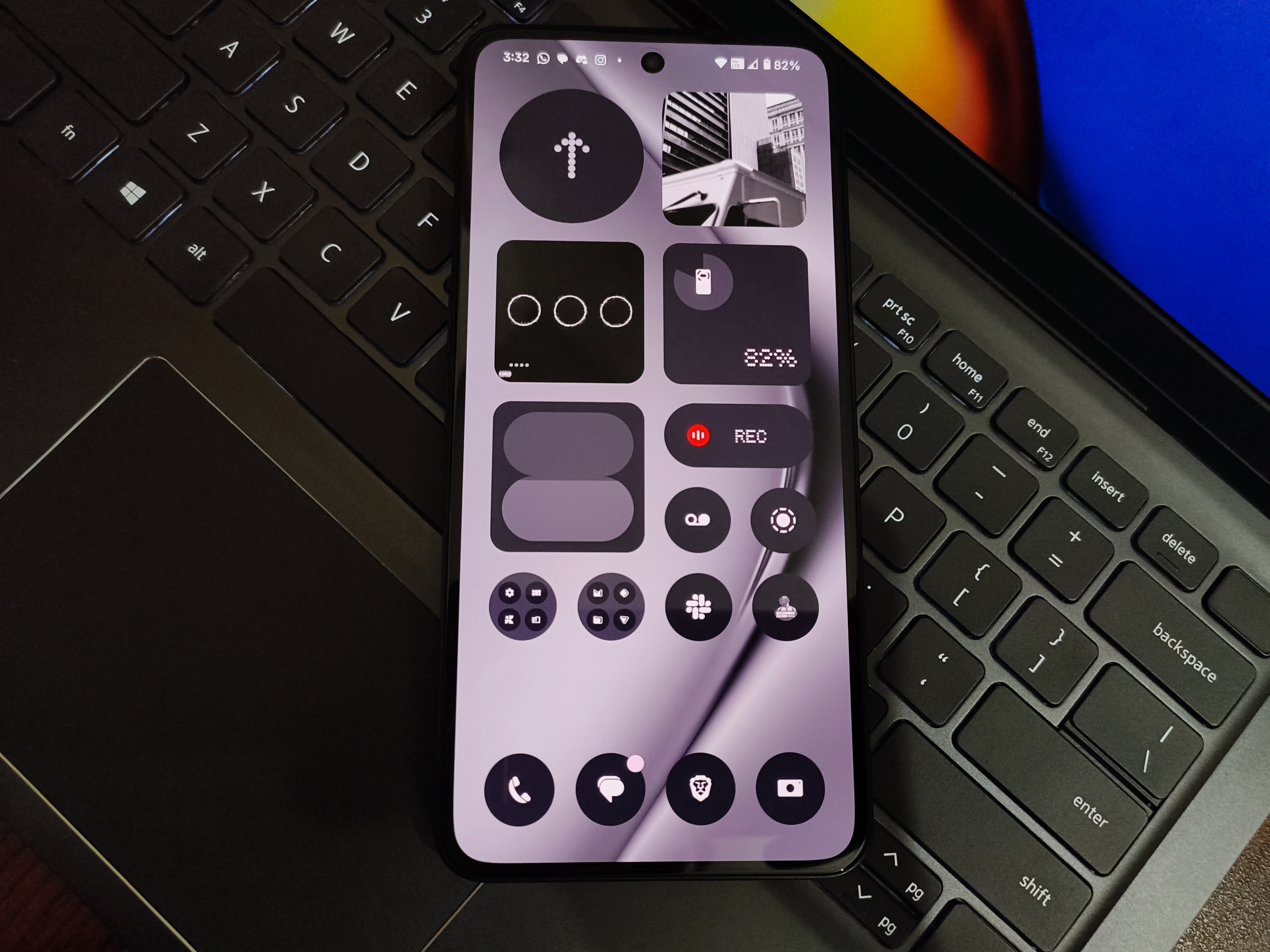
📱 Daily driver for 30 days: Nothing Phone (3a)
Full Review | Design, performance, battery, camera — here’s my take 👇
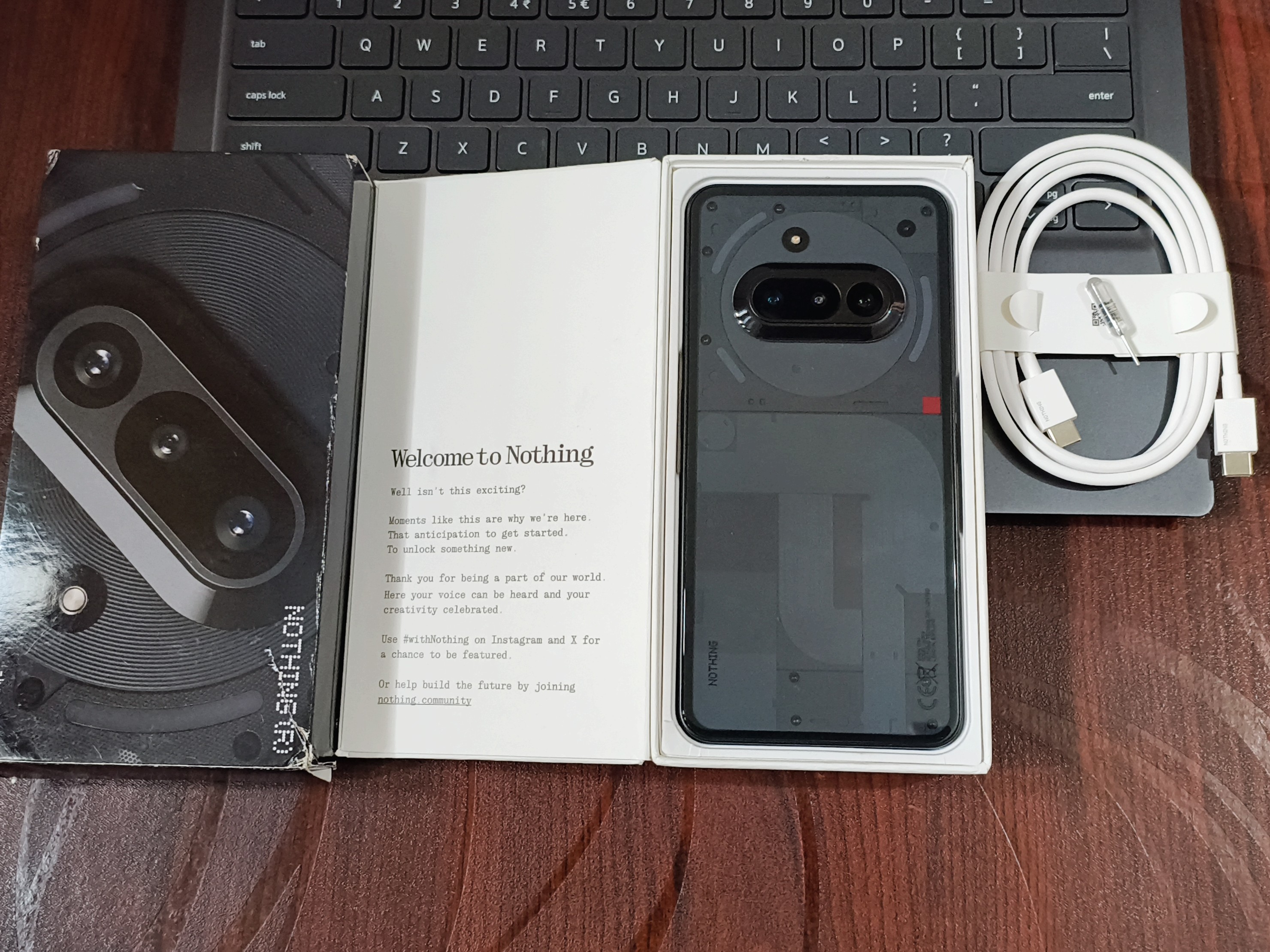
Unboxing 📦
Comes with a USB C-to-C cable, iconic sim ejector tool, and a pre-applied screen protector.
No more transparent cable though, Nothing dropped it on the 3a, probably keeping that touch exclusive to the premium lineup.
Display 📱
Gets bright enough outdoors — 1300 nits HBM, 3000 nits peak brightness. No issues in sunlight.
Colors are punchy but well-tuned, not overly saturated.
In low light, the 2160Hz PWM keeps it easy on the eyes, no noticeable strain during night use.
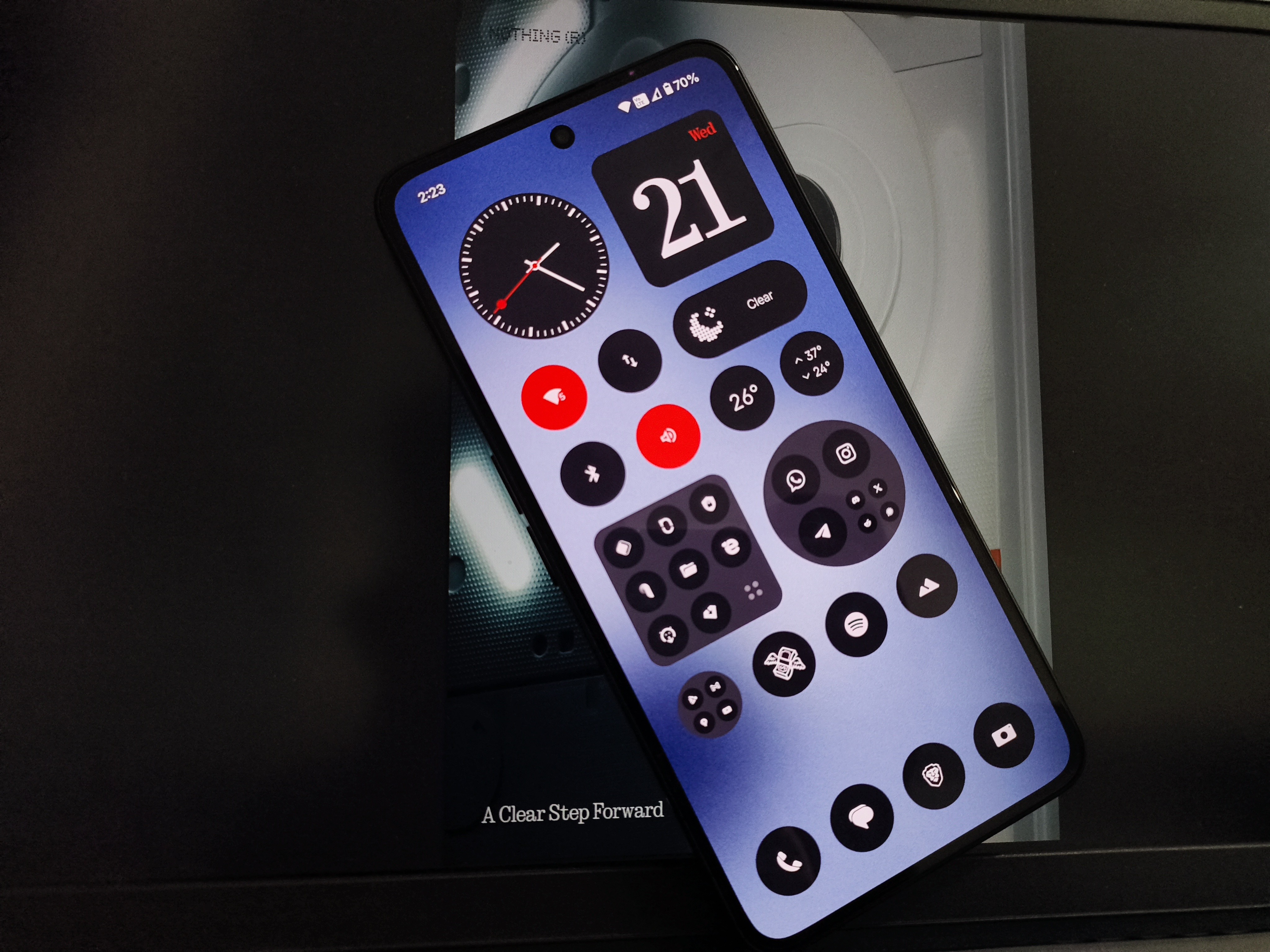
Symmetrical bezels all around, flat display, and impressively slim at just 2.3mm.
Camera 📷
All sensors perform really well, but the telephoto stands out. At this price, Nothing has swung above the ballpark with a well-tuned lens.
OIS helps a lot for both photos and videos on main lens.
With a 50+50+8MP setup on the back and 32MP on the front, it delivers a solid all-around package for the price.
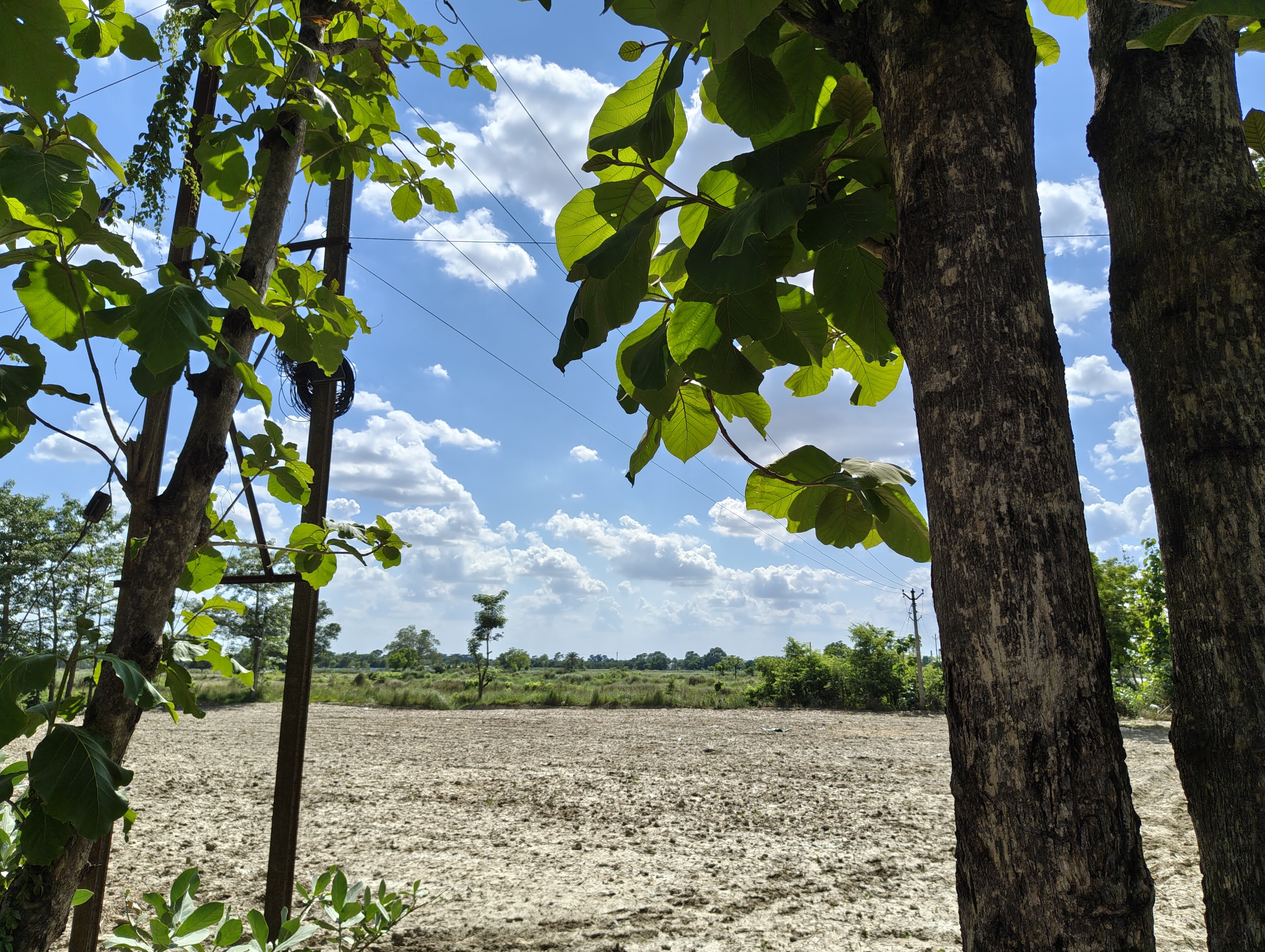
Some camera samples are attached, don’t judge me, I’m more of a point & shoot person 😅



LUTs & Presets 🎞️
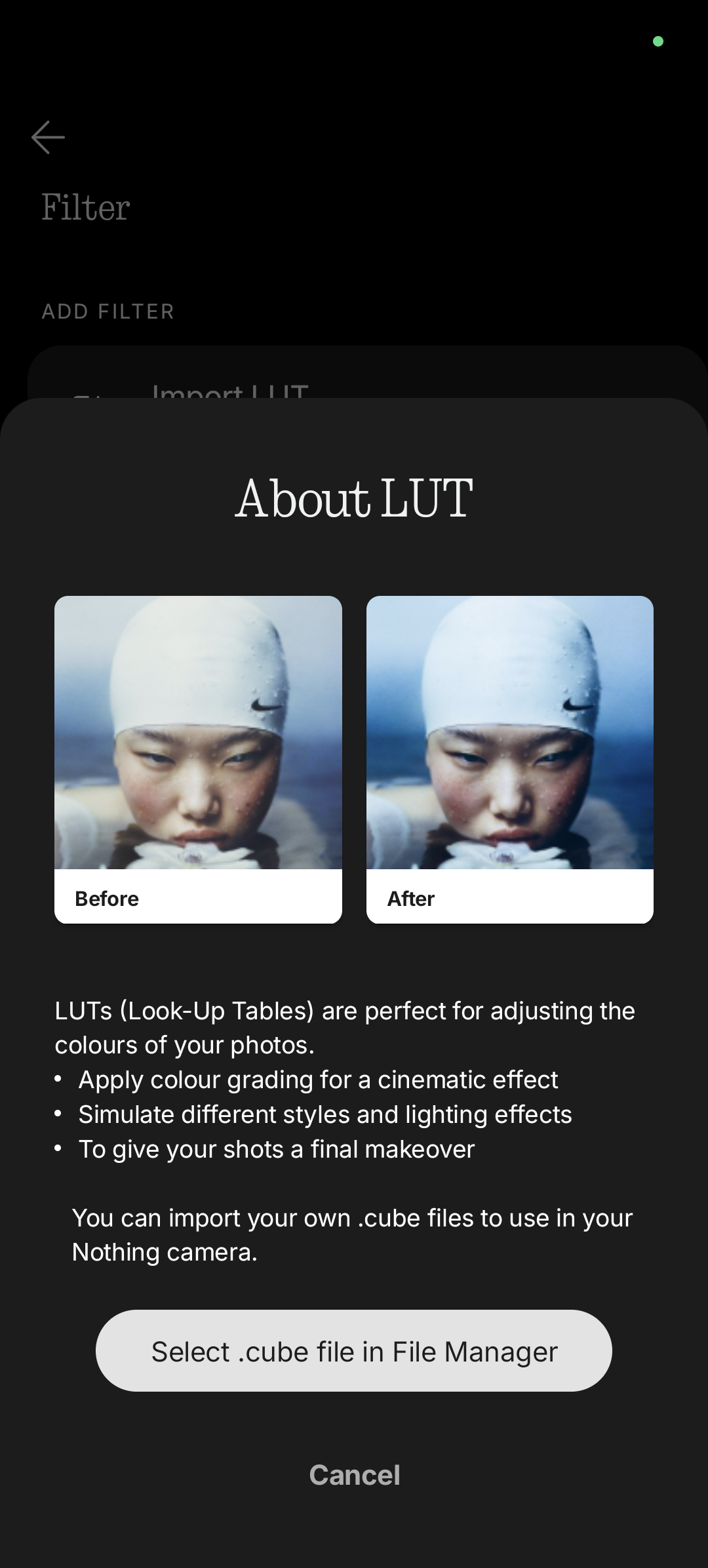
With the Phone (3a) series, Nothing introduced support for creating and sharing LUTs and custom presets and honestly, it’s one of the most forward-thinking additions I’ve seen from any OEM lately.
There’s no boundary here, you can fully stretch your creativity, whether you’re tweaking the vibe of your shots or going for a signature look.
What’s even better is how easy they’ve made it to share your creations. Just scan a QR code to import a preset, or load a .cube file for LUTs. Seamless.
Props to Nothing for doing something truly different — again.


Design & Build 🧊
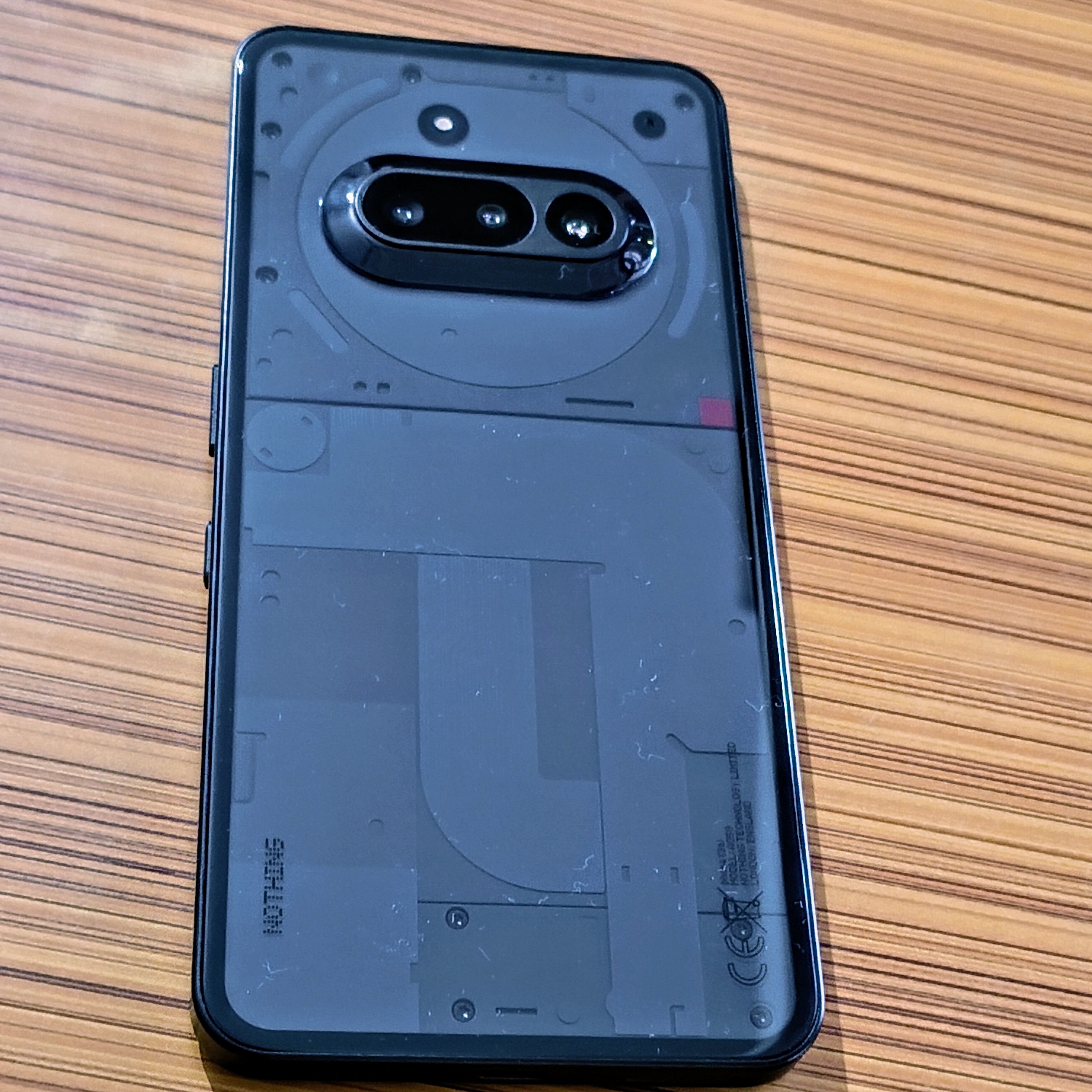
The design? Still unmatched in its category.
The transparent back and clean glass finish make all the elements underneath pop. In a world of safe, boring slabs, this still turns heads.
Nothing keeps doing “different” the right way.
Build quality is solid: plastic outer frame with an internal aluminum chassis for rigidity.
In-hand feel? Sturdy and surprisingly premium.

Performance 🚀
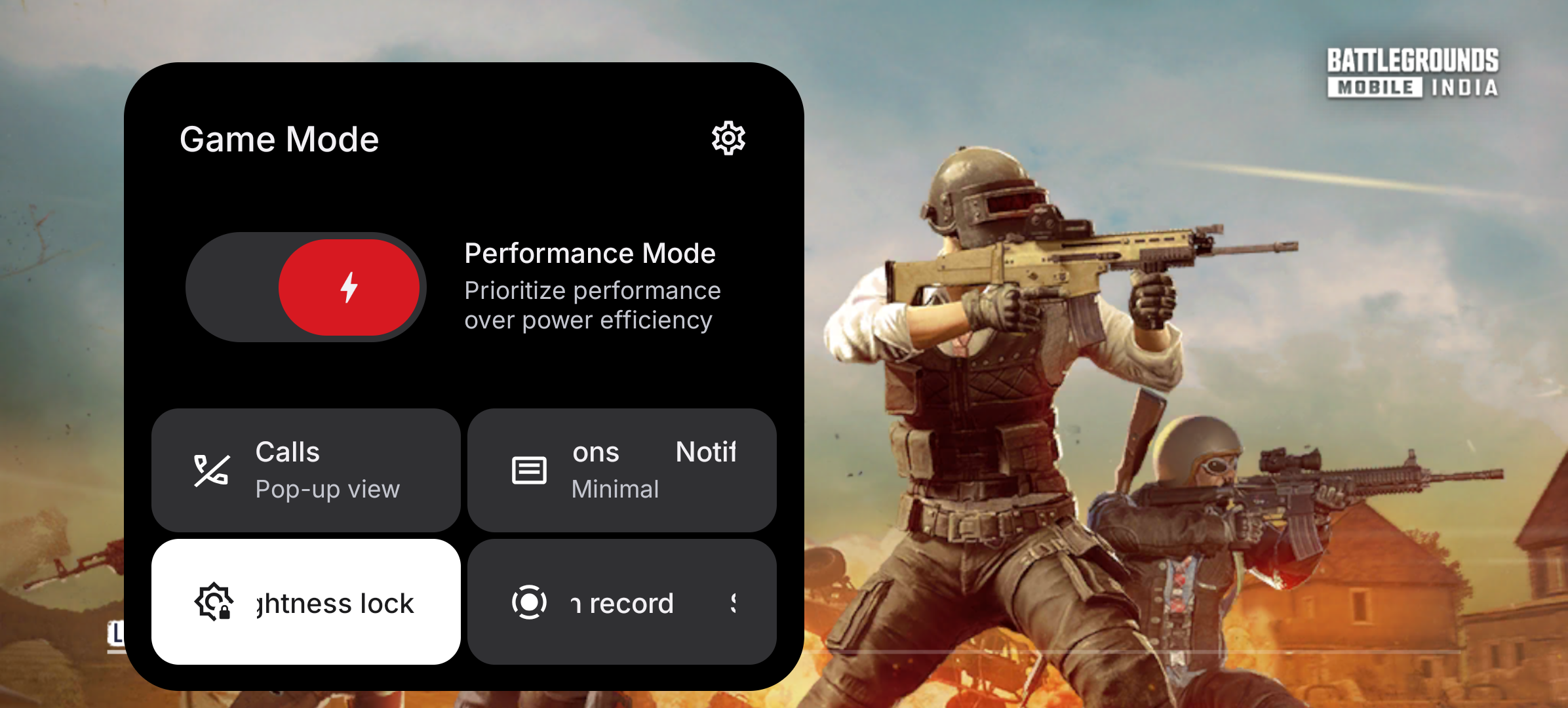
The Snapdragon 7s Gen 3 holds up well in daily use. App switching, social media, and casual gaming are smooth. No overheating or weird slowdowns. Great for most, not built for power users.
Vapor Chamber ❄️
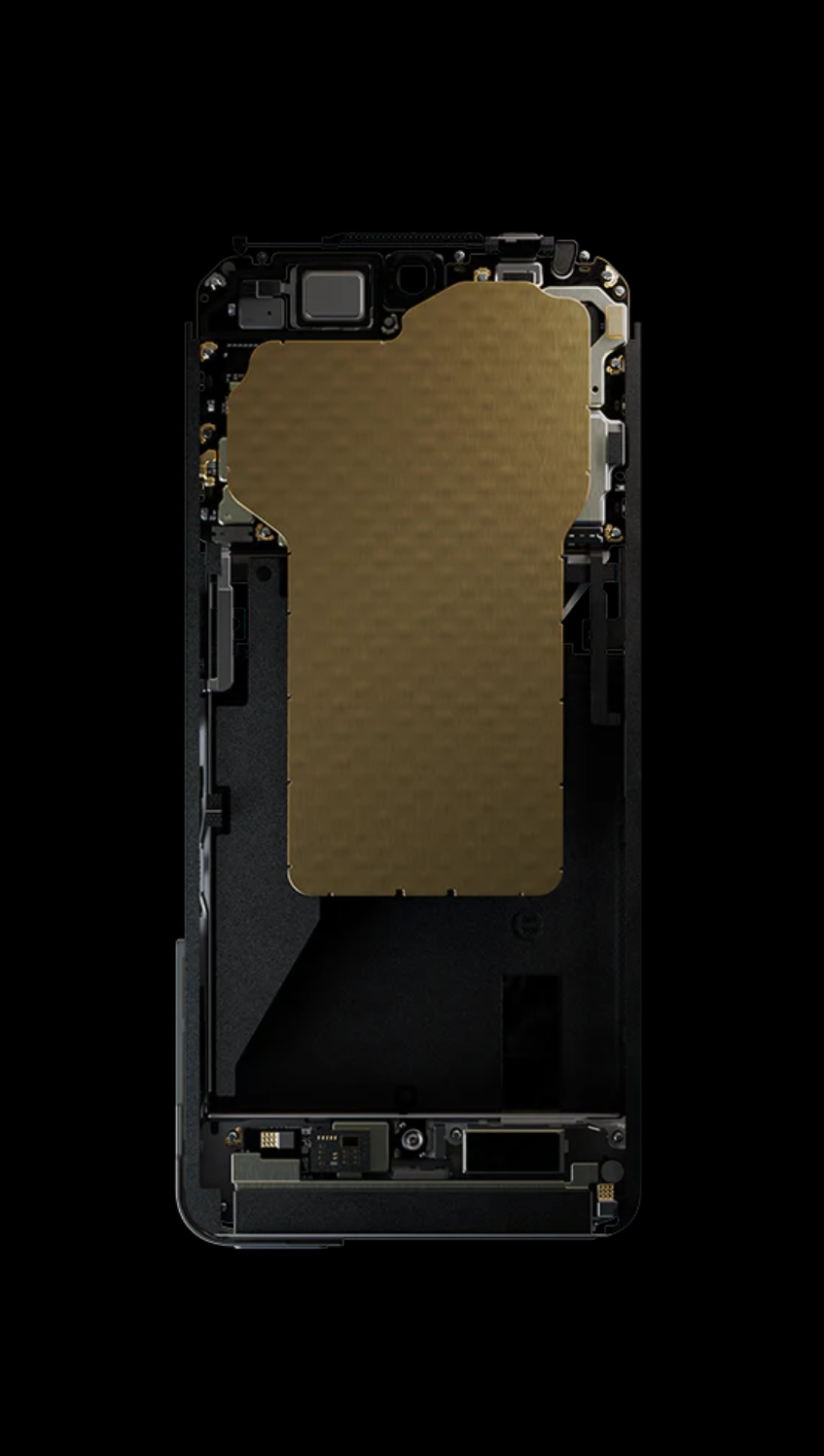
Phone (3a) comes with a 4500mm² steel vapor chamber.
Whether you’re gaming or just multitasking, thermals stay in check, the device runs cool under pressure.
Battery & Charging 🔋
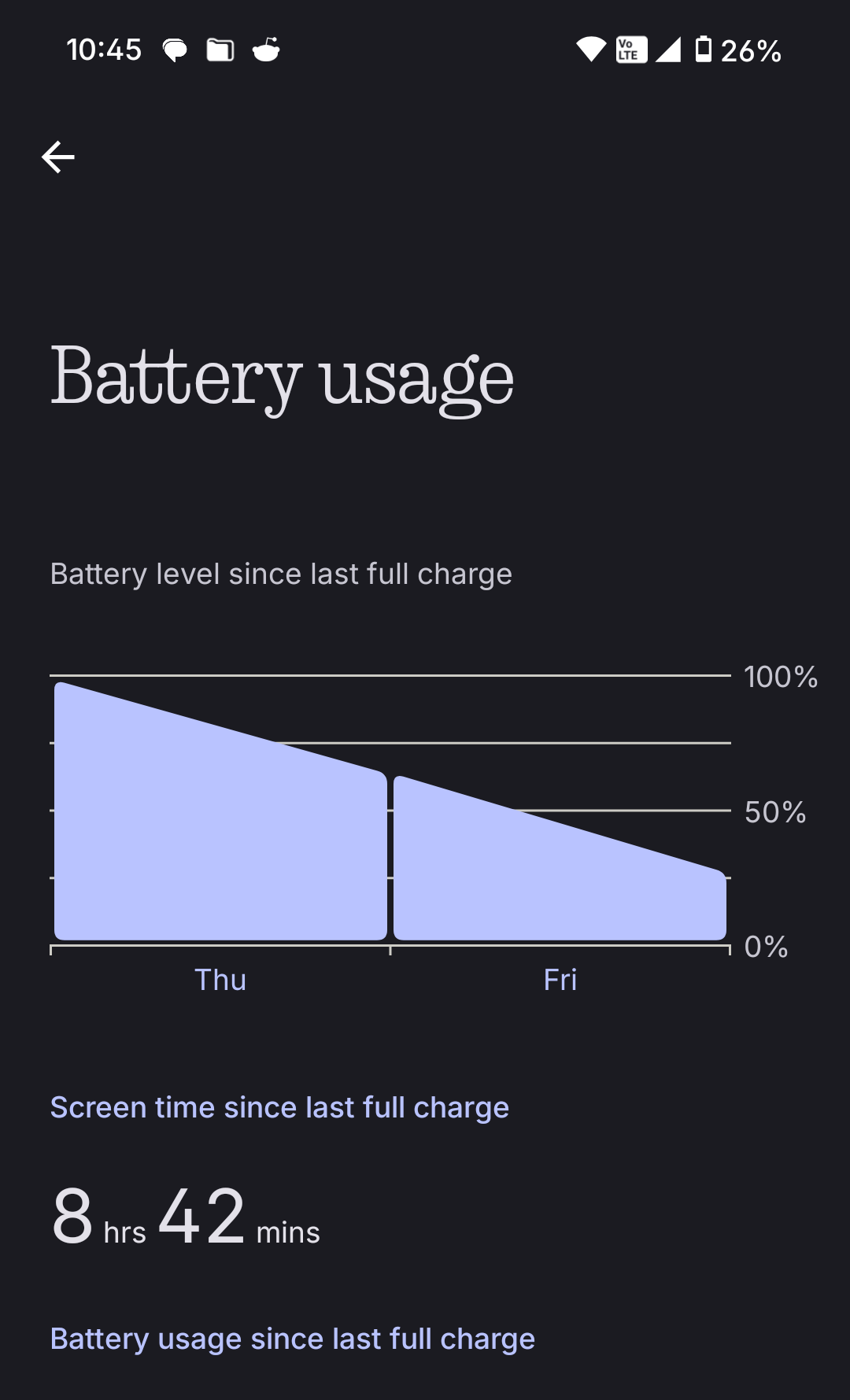
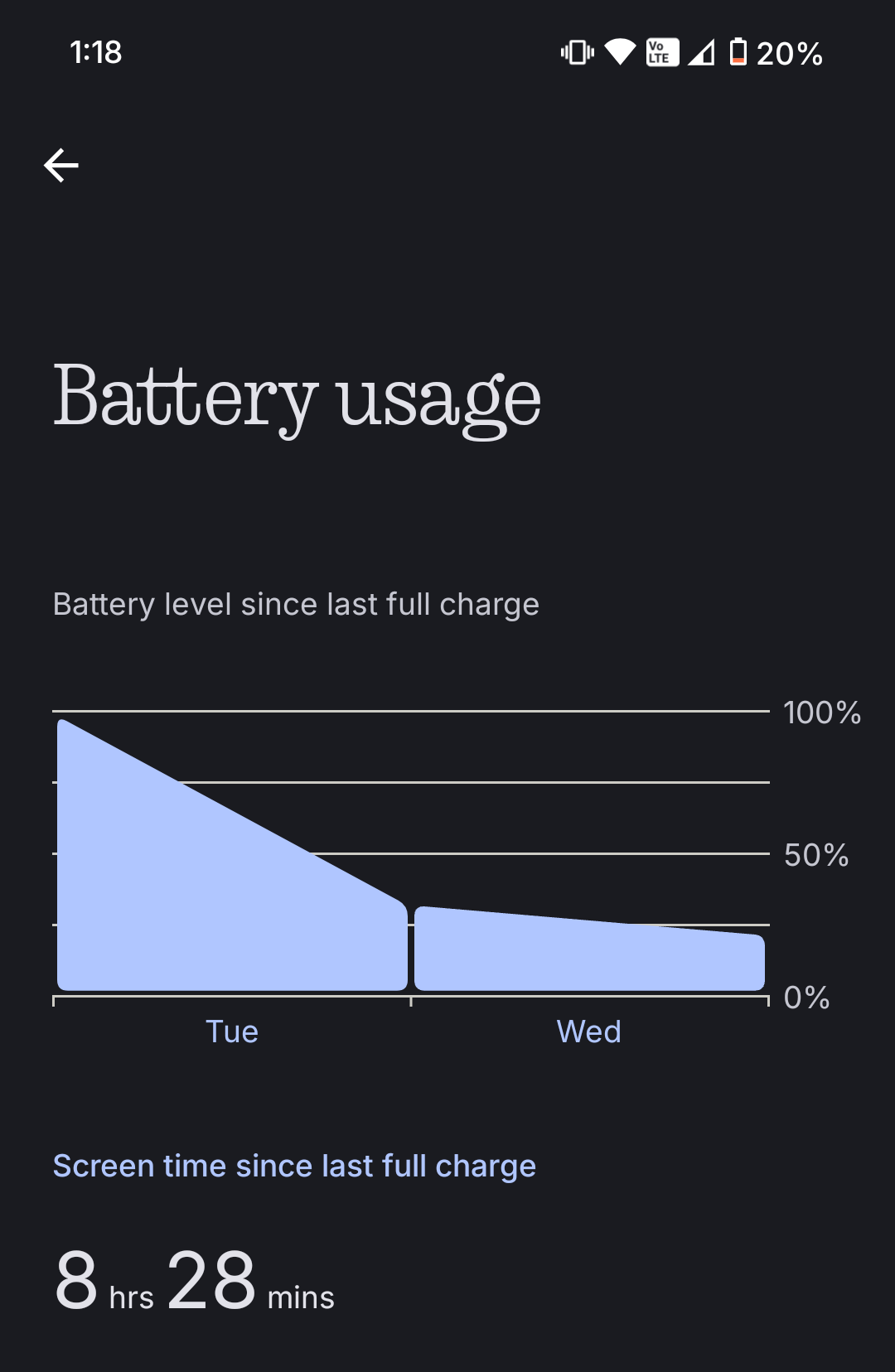
With a 5000mAh battery, it’s a solid performer. Easily delivers around 8–10 hours of screen time.
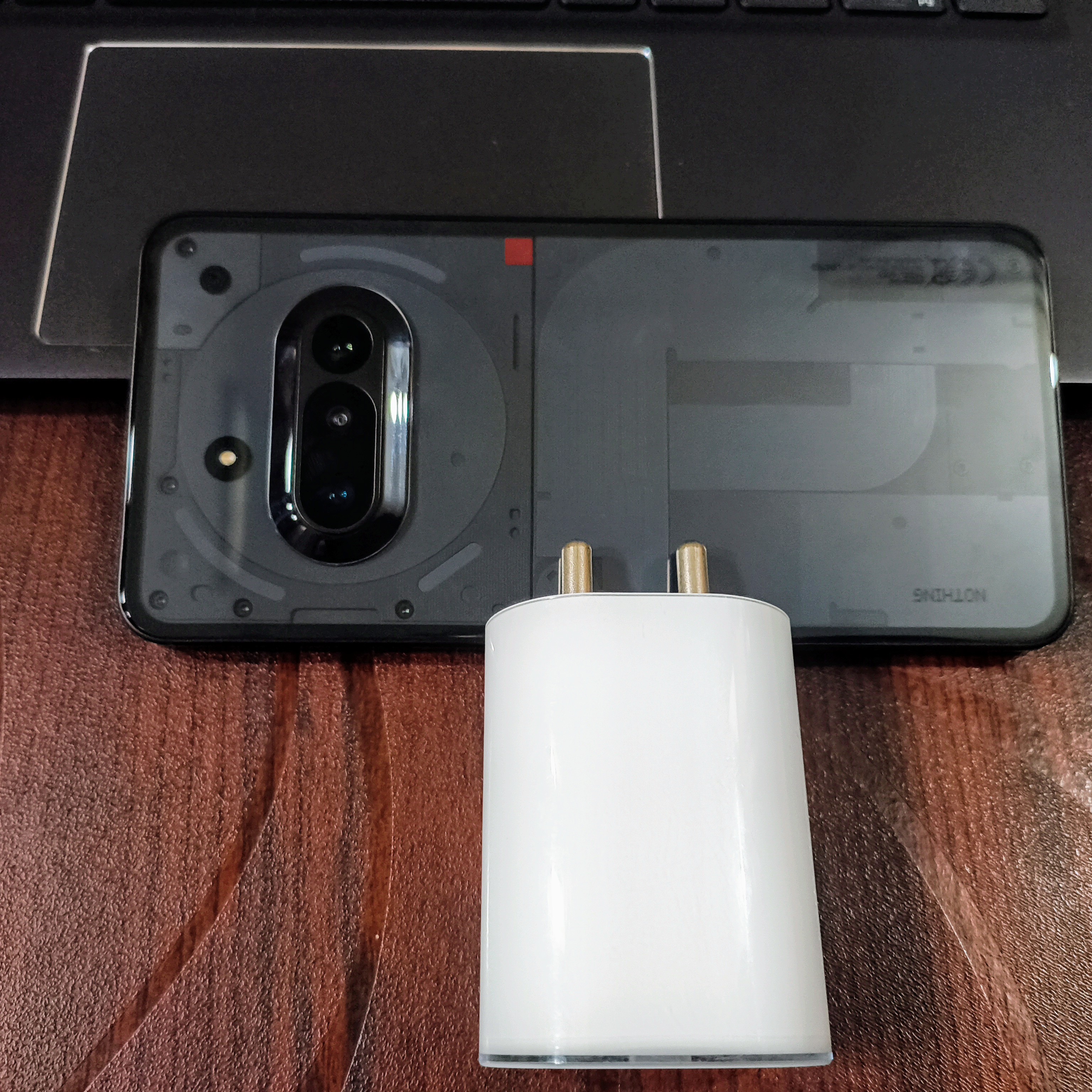
Charges fairly quick, takes about 65–70 minutes to full using my nothing 45W adapter.
It’s truly an all-day phone, and can comfortably last two days depending on use.
Essential Space 🪐
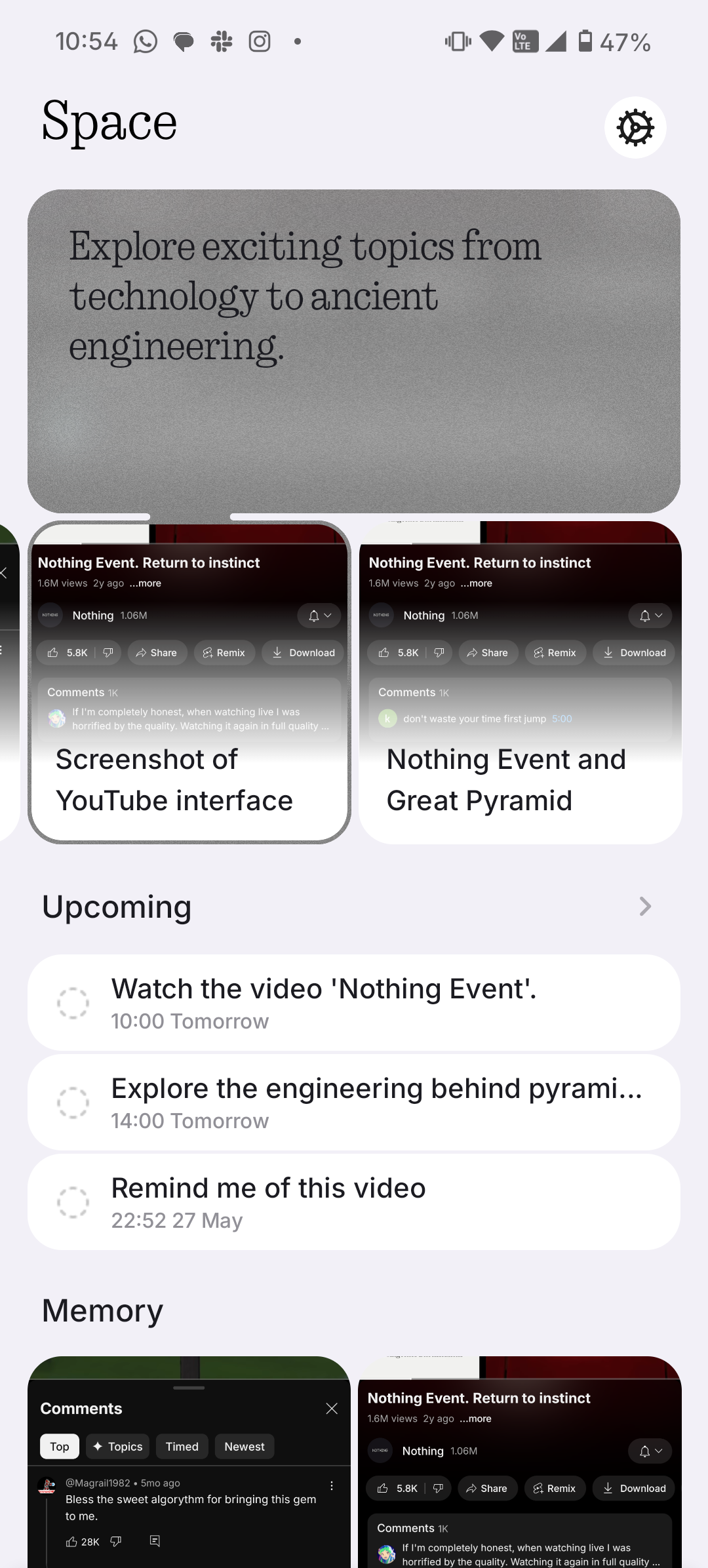
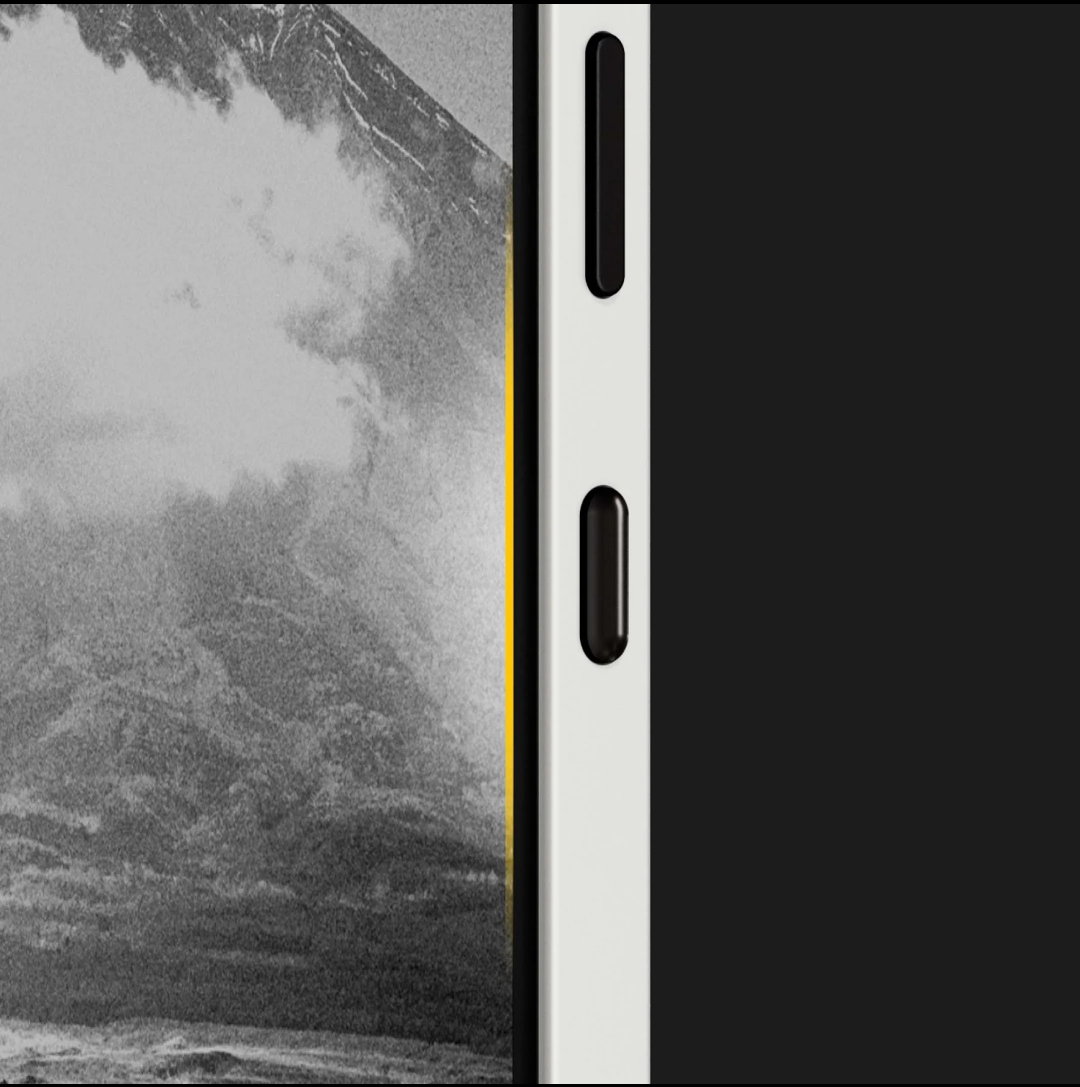
With the (3a) series, Nothing introduced the Essential Button and it genuinely serves a useful purpose.
While using your device, if you come across something interesting or worth noting, you can press the button to quickly jot down context, record a voice note, or save a thought to revisit later.
One particularly clever feature: if you’re using the camera but don’t want to take a full photo, you can press the Essential Button to extract the current frame, no shutter sound or image saved to your gallery and attach notes to it right away.
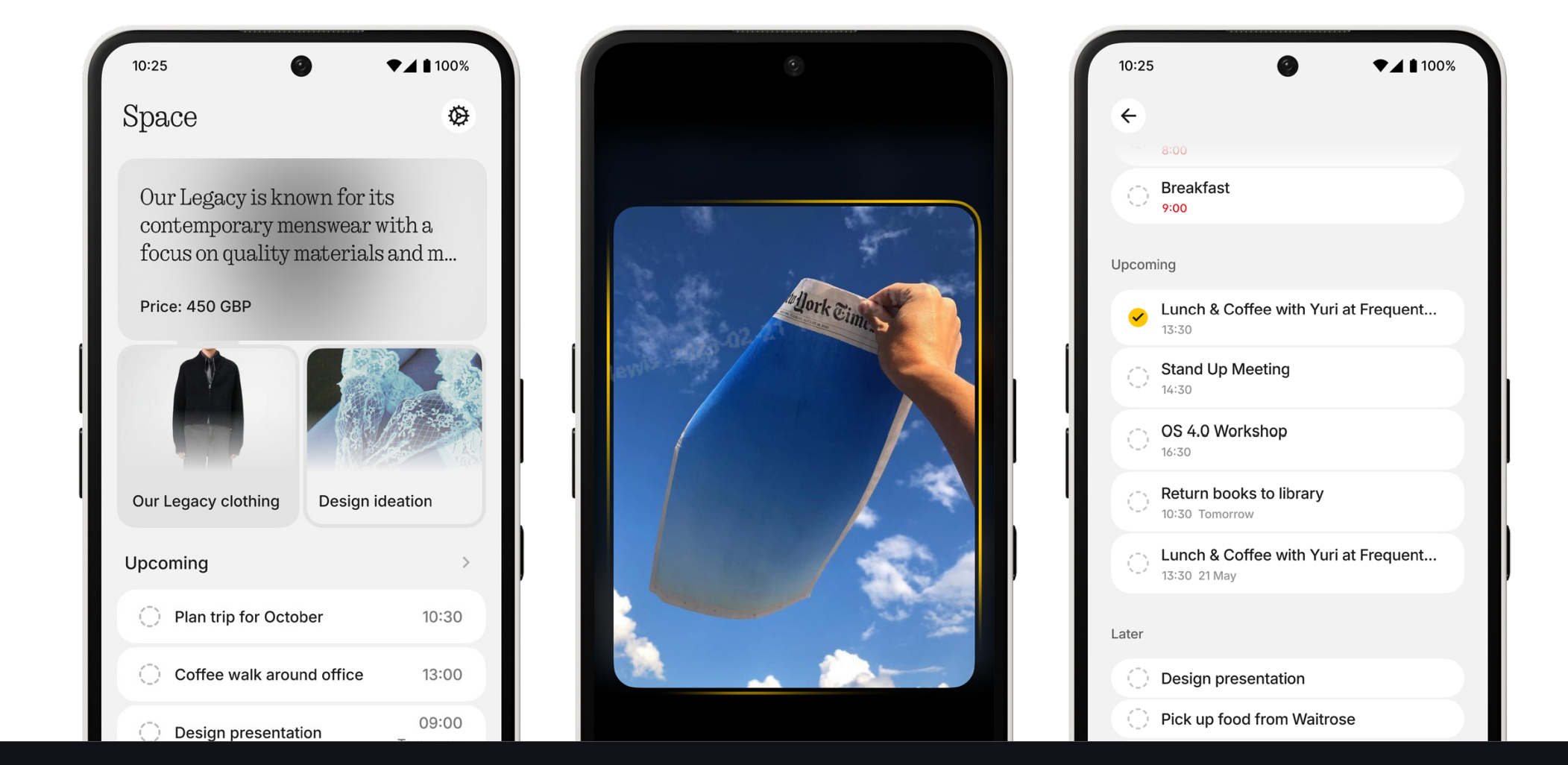
You can even set reminders and make use of handy widgets to keep track of entries right from the lock screen or home screen.
A thoughtful addition, I’d say.
Glyphs 💡
Personally, I didn’t find Glyphs all that useful in day-to-day usage. They look cool, but most of the time, they don’t really serve a meaningful purpose — at least for me.
That said, some features like the fill light for photos or the countdown timer do come in handy occasionally.
Might be more useful for others depending on how they use their phone — just didn’t add much to my routine.

Software & Experience 🧠
Nothing OS is a breath of fresh air in today’s smartphone world.
It’s impressive how Nothing has built such a strong identity in such a short time — from clean animations to iconic design language, and a truly bloat-free experience.
With each version, they’ve brought something new:
• v1.5 — moved away from outsourced development to a more cohesive in-house experience
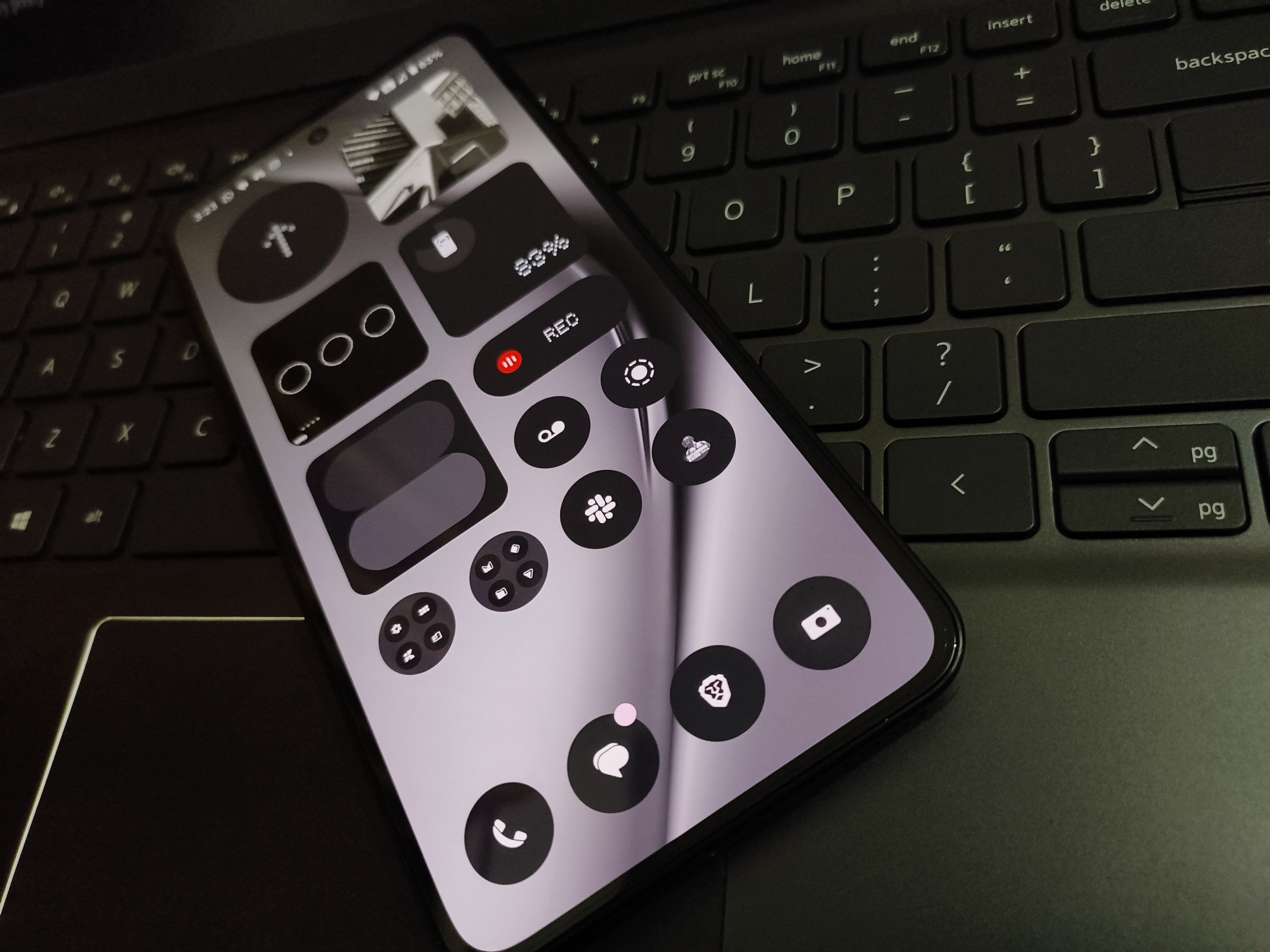
• v2.0 — introduced widgets and quick settings on the lock screen & home screen (super handy)
• v3.0 — stepped up aesthetics with redesigned quick settings, cleaner typography, and refined UI
They’ve clearly been listening, and iterating the right way.

UI & Aesthetics 🧩
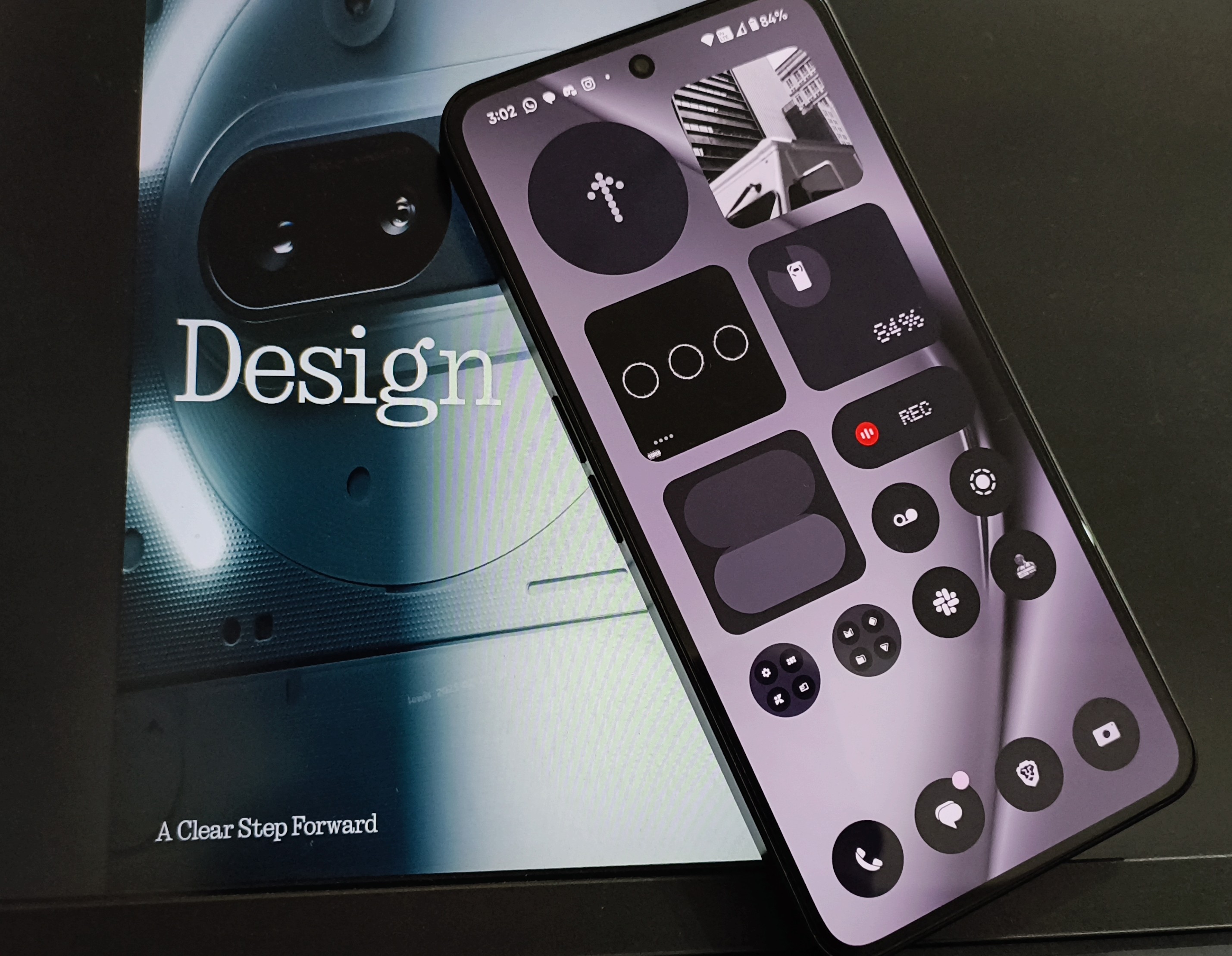
Nothing OS continues to feel minimal, clean, and super fluid. And it feels intentional.
Animations are smooth and thoughtfully done, never over the top, just enough to make everything feel cohesive.
The typography (sans serif, dot matrix, inter) gives it a distinct vibe, and the custom widgets and sounds add to the brand identity.
No bloat, no fuss. Just lightweight, snappy Android the way it should be.


Audio 🎧
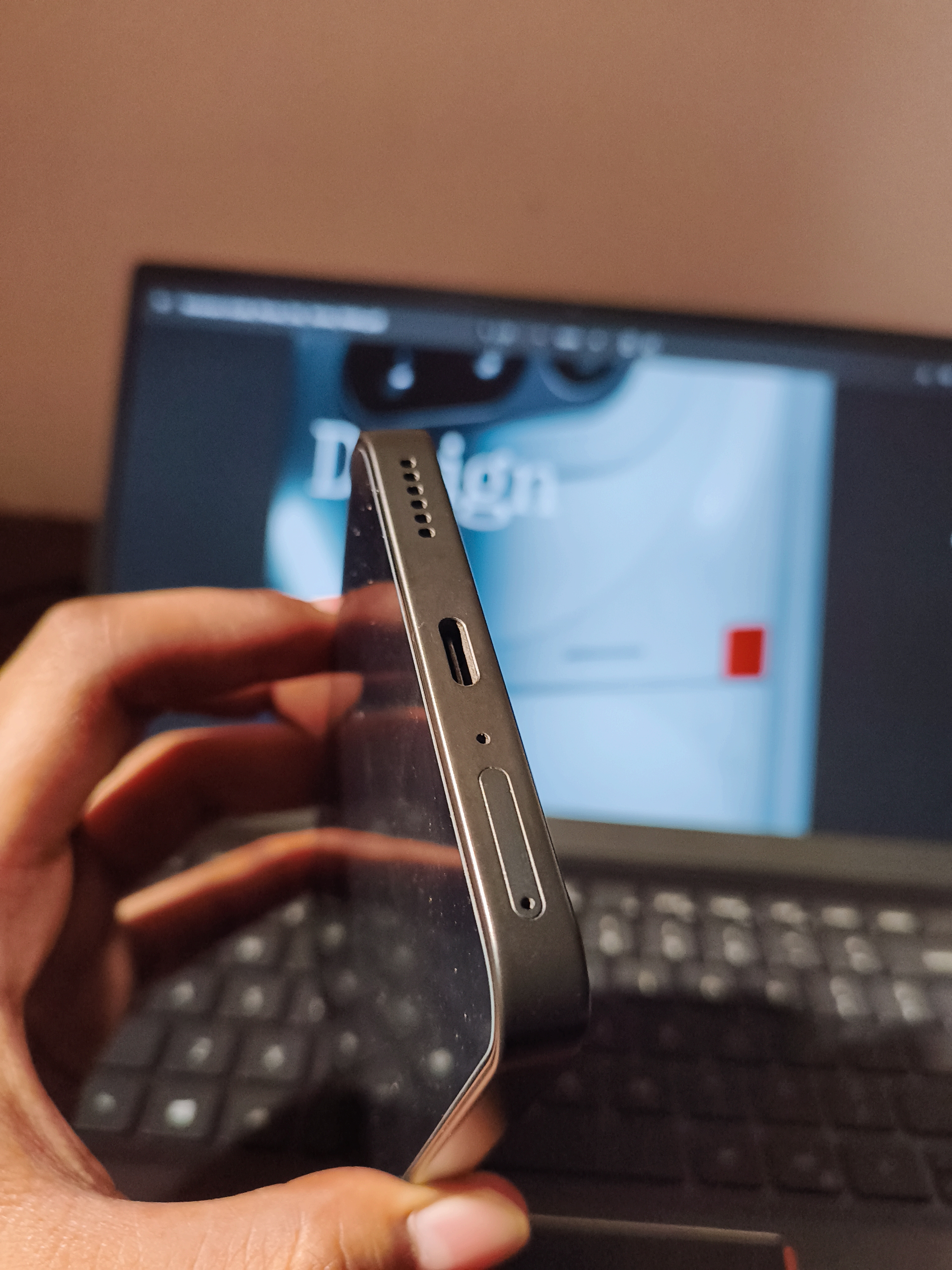
The stereo speakers are surprisingly well-tuned for this price point. Sound is fairly balanced between the top and bottom speaker, with no major imbalance.
Bass is solid, not too heavy, but definitely present enough to enjoy music or content without feeling flat.
No corners have been cut here. For a mid-range phone, the speaker setup is genuinely impressive.
Microphone 🎙️
The mic experience has been solid, whether on regular cellular calls or VoIP apps.
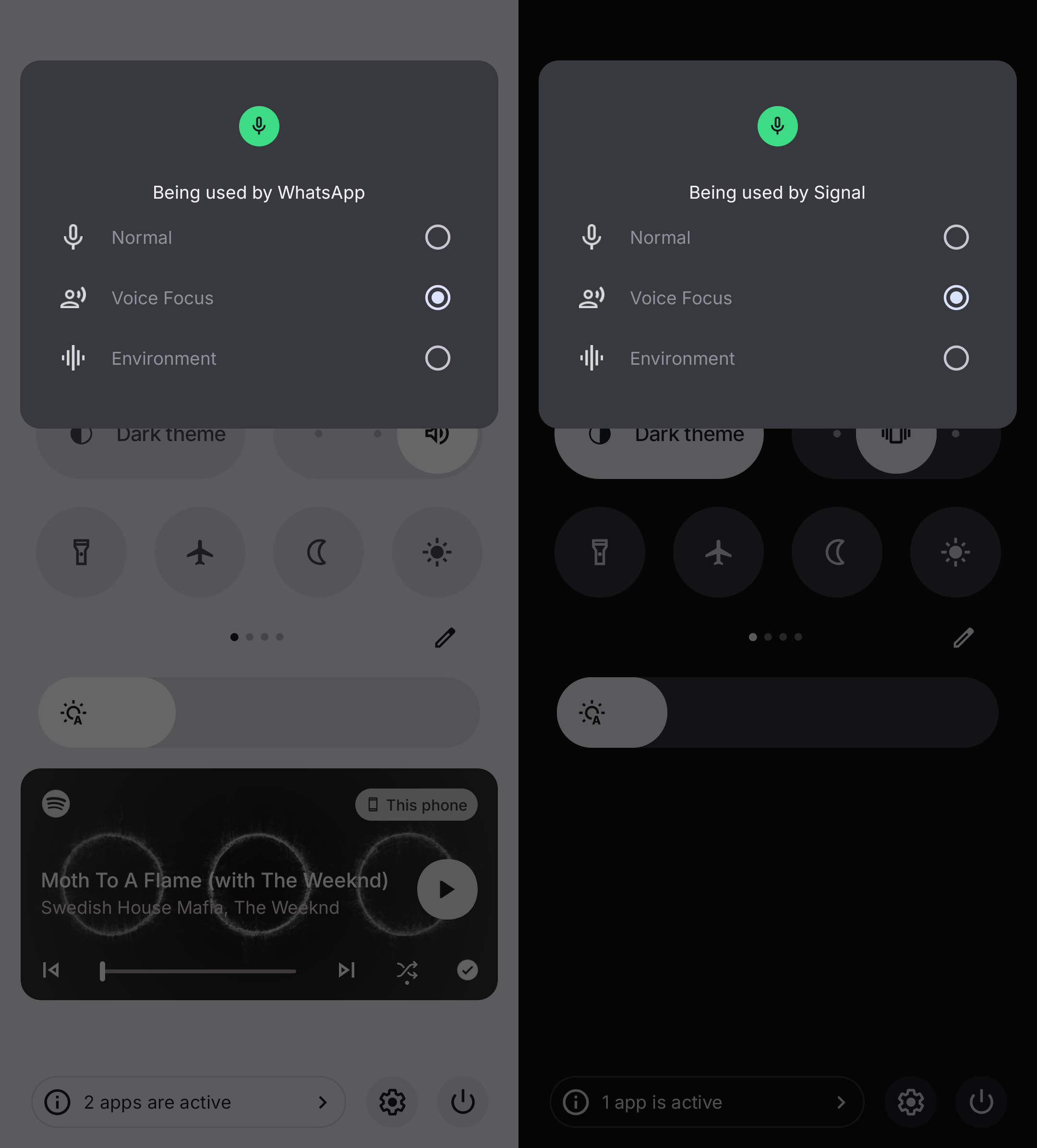
Noise cancellation is well-implemented, and Nothing has included a handy option to switch between different mic modes: Normal, Environment, and Voice Focus.
It works as expected and adds flexibility depending on your use case.

Haptics 📳
The haptics were an unexpected win.
It uses an X-axis linear motor, and the feedback feels punchy and tight — not hollow or cheap like many others in this segment.
Typing and system gestures feel satisfying, and it adds to the overall polish of the UI experience.
Connectivity 📶
No issues at all when it comes to connectivity, which isn’t surprising given Qualcomm’s solid modem performance.
Whether it’s mobile network stability or wifi range, it’s been consistently reliable. Seems like Nothing has done a great job with antenna placement and tuning.
Bluetooth performance is solid too. It supports all the latest codecs — LDAC, LHDC, and aptX Adaptive — so you’re not stuck in the AAC-only world like on iPhones.
It’s nice to see full support for modern audio standards at this price point.

Value & Verdict 💰
At its price point, the Nothing Phone (3a) offers a surprisingly well-rounded package.
You get a clean, unique design, reliable performance, polished software, solid cameras with OIS and telephoto, and a great display — all without any major compromises.
From build quality to user experience, it doesn’t feel like a “budget pick” trying to cut corners. It feels thoughtfully built.
Would I recommend it? 👀
Absolutely, if you’re looking for something different and care about design, software experience and balance, this is an easy recommendation.
Not aimed at power users or heavy gamers, but for most people? It nails the essentials, and does so with personality.
DISCLOSURE:
The Nothing Phone (3a) I’m reviewing here was sent to me by Nothing India, as part of the Community Review Program.
That said, the brand has had no input, no pre-approval, and no compensation has been offered in exchange for this post.
Everything you’re reading is straight from my own experience, and the folks at Nothing will be seeing it for the first time alongside you.