Hey everyone, great to see you again!
I’m back with another review—this time of the CMF Phone 2 Pro. If you’re in the market for a smartphone under ₹20,000 and considering the CMF Phone 2 Pro, I hope this review gives you some clarity.
It feels good to be back, so without taking up too much of your time, let’s jump right in—there’s a lot to cover!
Unboxing Experience:
The unboxing experience of the CMF Phone 2 Pro feels noticeably different from previous CMF or Nothing phones. The box contents also seem more tailored for the Indian market. Here’s a quick look at the box content:
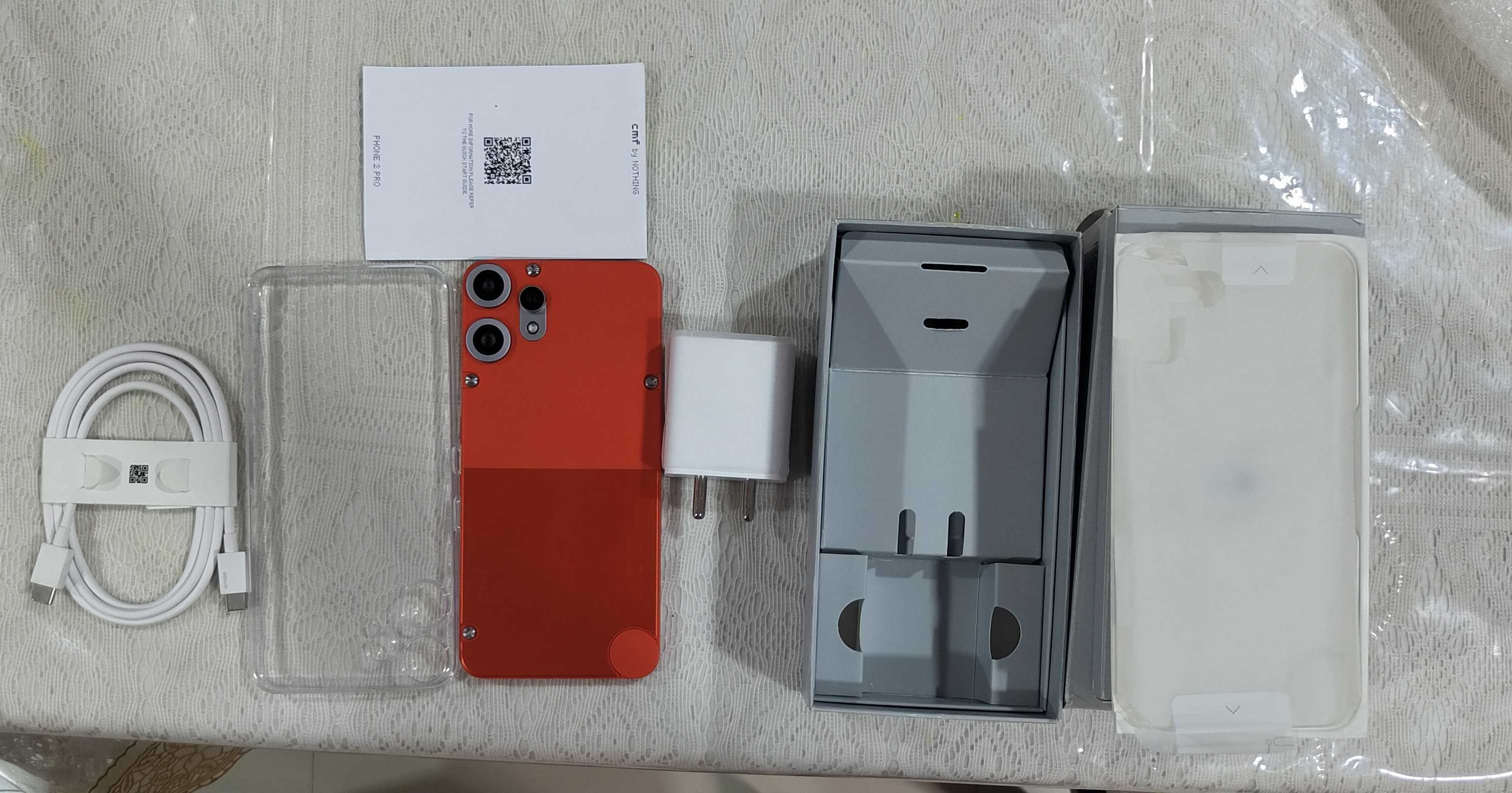
Box contents – Indian Variant: Case, Charger, Type-C to Type-C Cable, Phone, SIM Ejector Pin
Box contents – Global Variant: Type-C to Type-C Cable, Phone, SIM Ejector Pin
Unfortunately, Indian customers miss out on the full unboxing experience, as Flipkart has followed the open-box delivery method since day one. It would be great if Nothing could address this, as the unboxing experience still holds a lot of value for many buyers when they purchase a new phone.
Initial Impression (After 1-week):
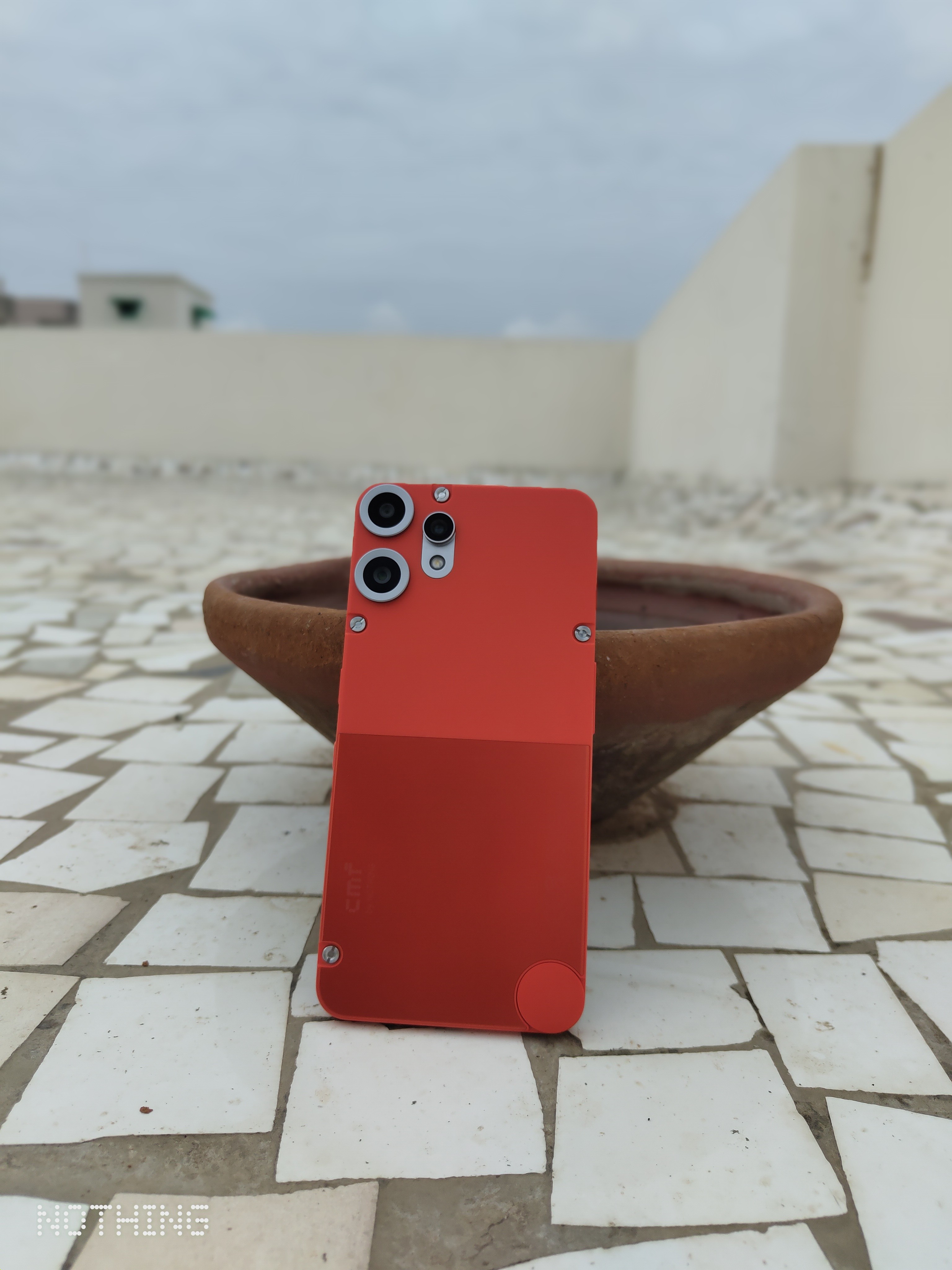
The CMF Phone 2 Pro leaves a strong first impression, offering a lot of features for its price point.
Highlights include a 10-bit AMOLED display with brightness ranging from 800 to 3000 nits, a triple-camera setup (wide, telephoto, and ultra-wide lenses), lightweight design, a 5000 mAh battery, Essential Space, a unique aesthetic, and most importantly, the latest Nothing OS software experience—all of which make it a compelling option under ₹20,000.

That said, there are a few expected trade-offs at this price:
A single speaker setup—it sounds decent, but if you’ve used dual speakers before, this might feel underwhelming.
A plastic build, which is common in this segment. The upside? It contributes to the phone’s lightweight feel.
EIS (Electronic Image Stabilization) on the camera—again, standard for this price range.
Overall, the experience so far has been positive, especially considering what the phone brings to the table.
In-depth Review (After 28-days):
Software & UI:
The CMF Phone 2 Pro runs on Nothing OS 3.2, built on Android 15, delivering a smooth, clean, and highly responsive user experience.
- Performance & Stability: In my 28 days of testing, I didn’t encounter any lag or stutter within the UI. However, there was a slight lag while using the camera app. Aside from that, the overall software performance has been very stable.
- Update Commitment: CMF/Nothing promises 3 years of major OS updates and 6 years of security patches, which is exceptional at this price point. It’s a notable upgrade from the 2+3 update cycle offered with the CMF P1.
- Near-Stock Android Experience: Unlike many brands that strip down features for their budget models, CMF/Nothing has ensured that the Phone 2 Pro gets the full software experience. There’s no segmentation between budget, mid-range, and flagship when it comes to Nothing OS, and that’s truly commendable.
- Customization Features: All the Nothing OS customization options are present—Nothing Widgets, Lockscreen customization, and the Wallpaper Studio—giving users extensive control over personalizing their device without affecting performance.

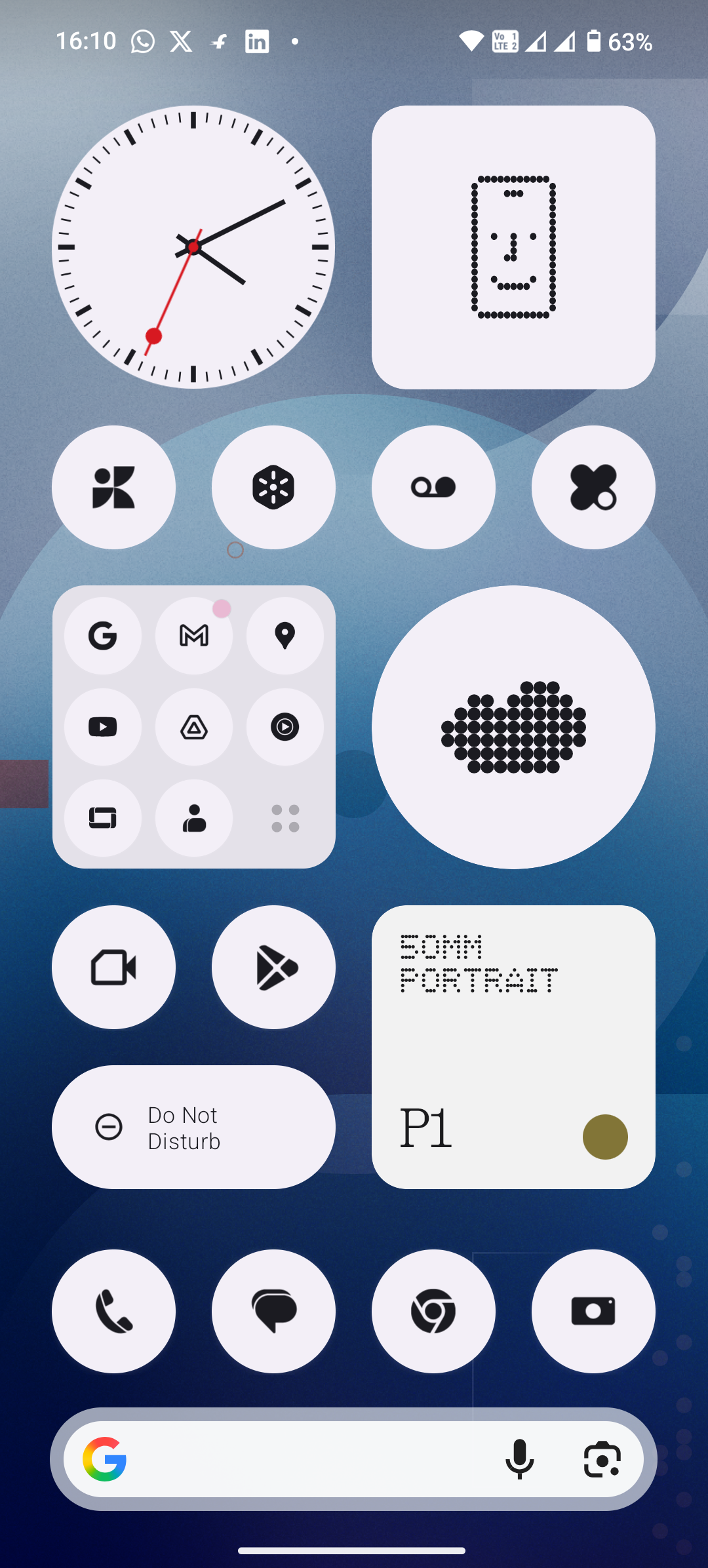
Overall, the software experience on the CMF Phone 2 Pro feels refined, user-friendly, and built to last.
If there’s one suggestion I’d make, it would be to see more Nothing-branded apps—such as their Phone and Messaging apps—instead of relying on Google’s stock versions.
Build & Design:
The CMF Phone 2 Pro features a plastic build with aluminum inserts in select areas such as the camera rings, buttons, and the exposed screws (though I’m not entirely sure about the Essential Space key). The body and frame are made of polycarbonate, which feels sturdy and durable—so there’s no major concern about breakage.
What really sets it apart is its unique and unconventional design, something you won’t find in any other phone in this price range. While some people may find it cool and refreshing, others might not resonate with it—after all, design is subjective. Personally, I enjoy using things that stand out, and this phone fits perfectly with my taste.
The device is available in four colors:
White (dual-tone, dual-texture)
Orange (dual-tone, dual-texture)
Black (solid shiny finish)
Light Green (solid shiny finish)
My personal favorite is the white dual-tone variant—it’s subtle yet different. But if you’re someone who prefers something bold and punchy, the orange variant is a solid choice.
Performance:
Benchmarks:
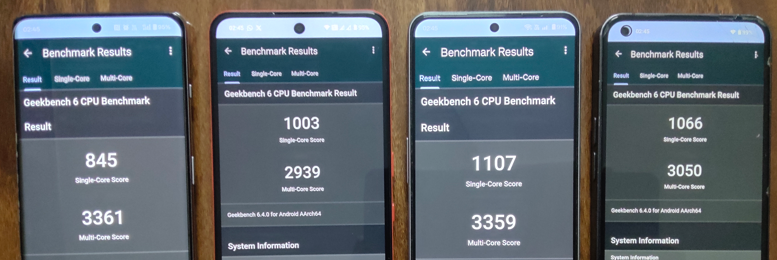
For those who are performance-focused, I ran a series of benchmark tests to see how the CMF Phone 2 Pro, powered by the MediaTek Dimensity 7300 Pro, stacks up against some well-known devices.
The comparison includes three non-budget phones to give you a broader performance perspective. These are:
OnePlus 11R – Snapdragon 8+ Gen 1
CMF Phone 2 Pro – MediaTek Dimensity 7300 Pro
OnePlus Nord 3 – MediaTek Dimensity 9000
Nothing Phone 1 – Snapdragon 778G+
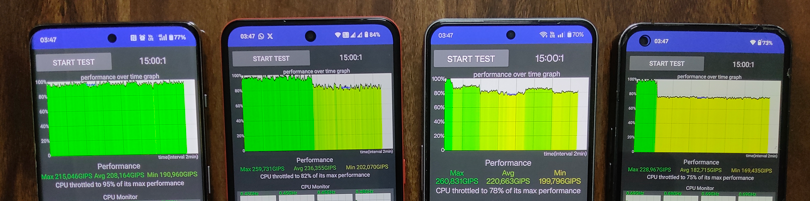
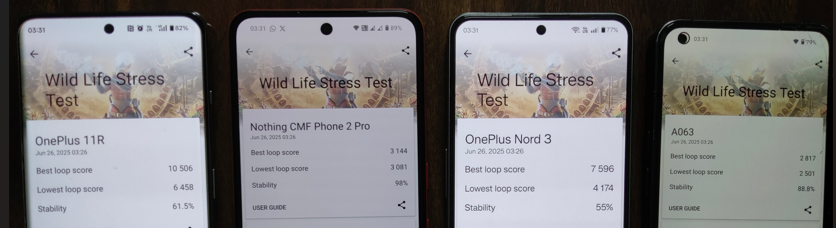
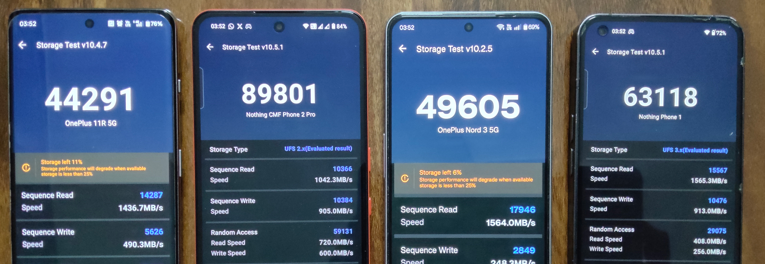
This will also be the order of devices in all the benchmark screenshots that follow:
1. OnePlus 11R → 2. CMF Phone 2 Pro → 3. OnePlus Nord 3 → 4. Nothing Phone 1
Geekbench6:
CPU throttling:
Antutu Benchmark:

Stress test:
Storage speed:
App launches:
App launches on the CMF Phone 2 Pro are smooth and quick. The difference only becomes noticeable when you compare it side-by-side with a device like the Nothing Phone 1, which uses UFS 3.1, while the Phone 2 Pro comes with UFS 2.2. That’s quite standard in this price segment, though UFS 3.1 would’ve certainly been a welcome addition.
In side-by-side comparisons, I did notice slightly faster app loading times on the Nothing Phone 1. But in everyday usage, there were no issues at all. That’s because Nothing has done an excellent job optimizing UFS 2.2. At the end of the day, good optimization is more important than just having the latest hardware. A poorly optimized latest version can perform worse than an older, well-tuned one—and this is where Nothing gets it right.
In terms of raw numbers, yes, the Nothing Phone 1, despite being 3 years old, shows better read/write speeds. But in real-life usage, the difference is minimal. There might be a slight lag in heavy apps that require faster storage speeds, but for the majority of tasks, you won’t feel the need for anything more.
Overall, app launch performance is good. While UFS 3.1 would’ve been great, most users in this segment likely won’t mind or even notice the absence.
Multi-tasking:
RAM management is average for day-to-day tasks. The phone can hold some apps in memory and reopen them quickly from cache, but most apps tend to refresh after a short period during usage.
In my testing, the CMF Phone 2 Pro was able to retain lightweight apps like e-commerce, social media, and utility apps for around 15–20 minutes. Beyond that window, most apps refreshed upon reopening.
Overall, if you’re a light user, you likely won’t face any major issues. However, if you tend to switch between 5–6 apps, especially heavier ones, the phone may struggle to keep them cached, leading to reloads.
Gaming:
The CMF Phone 2 Pro offers a good gaming experience, especially for casual gamers. Here’s a quick breakdown across some popular titles:
BGMI (Battlegrounds Mobile India):
The device supports up to 120 FPS gameplay. While performance is generally stable, I did notice occasional frame drops, with FPS dipping to around 80 during intense scenes. That said, it mostly stays within the 99 to 111 FPS range, even with multiple elements on screen.
Call of Duty: Mobile:
Supports gameplay up to 90 FPS, and the experience is consistently smooth and enjoyable throughout my sessions.
Overall, the Phone 2 Pro handles casual gaming very well, with minimal heating and stable frame rates.
If you’re someone who plays games occasionally, this device should serve you perfectly.
However, if you’re looking for a dedicated gaming phone and expect high-end, consistent performance with zero frame drops, this may not be the ideal choice.
Heating/thermals:
Heat management on the CMF Phone 2 Pro is excellent. In regular usage, the phone stays cool and comfortable to touch.
The only times it got slightly warm were:
During initial setup, especially if you’re transferring a large amount of data or downloading apps from a previous device
While running benchmark tests (which most users won’t be doing regularly)
During system updates, particularly if the update is large (around 800–900 MB) and the phone is placed in an area with no airflow
Even in these cases, the warmth was mild—never to the point of overheating or becoming uncomfortable to hold.
Camera:
I’ll be keeping the camera comparison simple, focusing on the basics while showing you some sample shots to give you a real-world idea of how the CMF Phone 2 Pro performs.
The phone features a triple camera setup:
I’ll now walk you through photo samples taken using each of these lenses to highlight strengths, weaknesses, and consistency.
Photo:
The 1x (24mm) and 2x (50mm) shots are very crisp in daylight conditions, delivering impressive detail and sharpness. However, the 0.6x (15mm) ultra-wide shots are just average. While the 15mm lens performs decently in well-lit scenarios, it still misses out on finer details when compared to the 24mm and 50mm lenses.
Additionally, there’s a noticeable difference in color reproduction between the lenses. Here’s an example (order: 15mm → 24mm → 50mm):


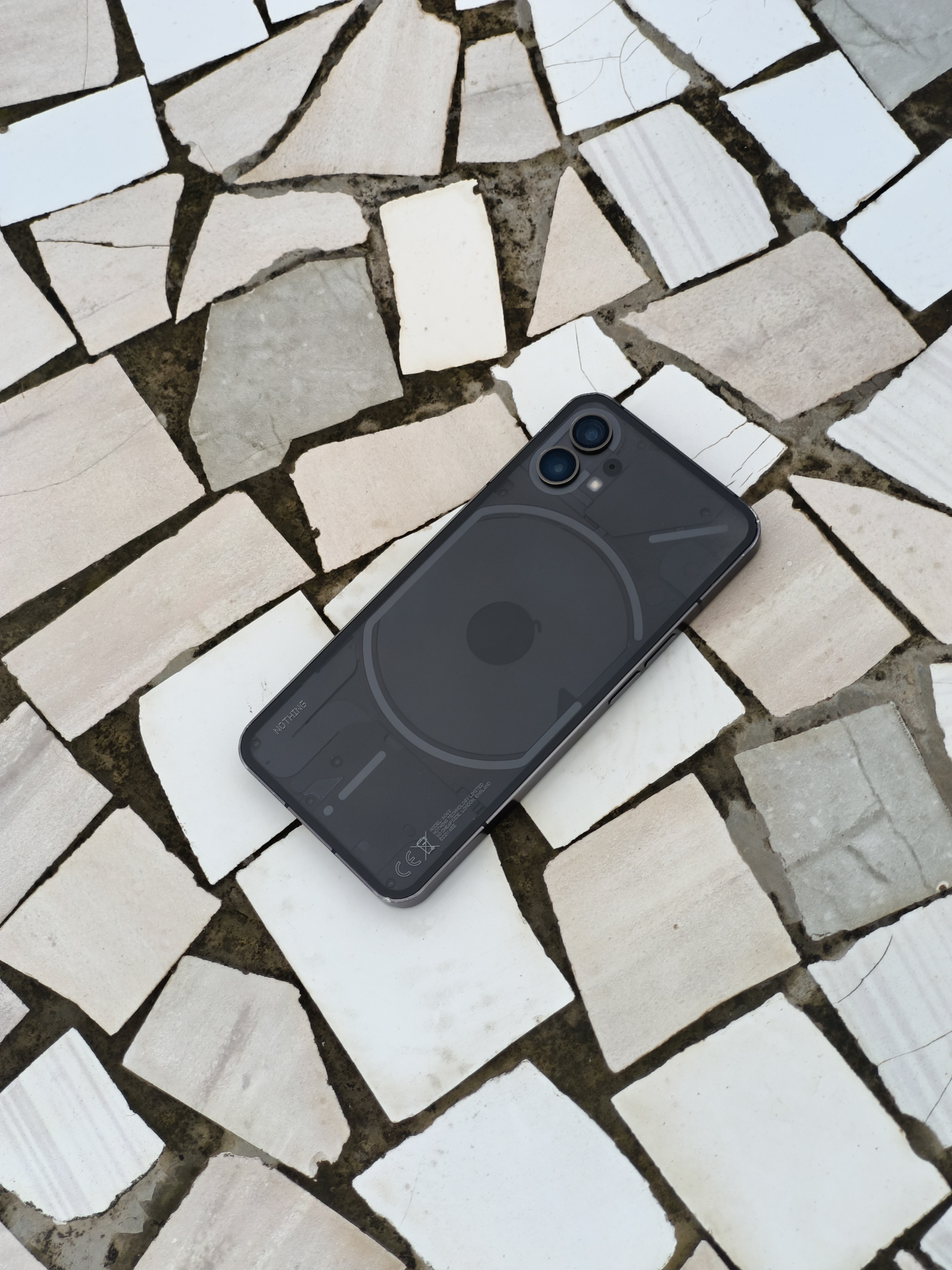
You’ll notice that clarity and detail are excellent in the 24mm and 50mm shots, while the 15mm ultra-wide shot falls slightly short in sharpness. However, the color reproduction varies across all three lenses, which is something Nothing/CMF still needs to work on.
Overall, the image quality is solid, especially in the 1x and 2x shots, offering a good amount of detail for everyday photography.
Video:
The CMF Phone 2 Pro supports video recording up to 4K at 30fps. The video quality is impressive in well-lit or daylight conditions, with sharp visuals and good dynamic range. The microphones also do a good job capturing clear and detailed audio.
Here’s a sample of daytime video recording:
When it comes to night-time recording, the device struggles to deliver consistently good results. It features EIS (Electronic Image Stabilization), which helps to some extent but isn’t as effective as OIS (Optical Image Stabilization), especially in low-light scenarios. You may notice noise, reduced clarity, and occasional motion blur in dimly lit environments.
Here are a couple of samples of low-light recording:
In short, daytime video recording on the CMF Phone 2 Pro is good, with clear visuals and decent microphone performance. However, nighttime recording is average, with noticeable noise, reduced detail, and limited stabilization. If Nothing can improve low-light video performance through updates or future hardware tuning, it would significantly enhance the overall camera experience.
Portrait:
Portrait shots on the CMF Phone 2 Pro are generally good, especially when captured in well-lit environments. The edge detection performs well for this segment, though it lacks consistency—you may notice soft edges occasionally in human portraits, while other times, the results are sharp and impressive. So, while it’s not perfect, it shows good potential.
Non-human portraits come out better in most cases, with decent background blur and a few adjustable effects to experiment with.
Here are a couple of non-human portrait samples:

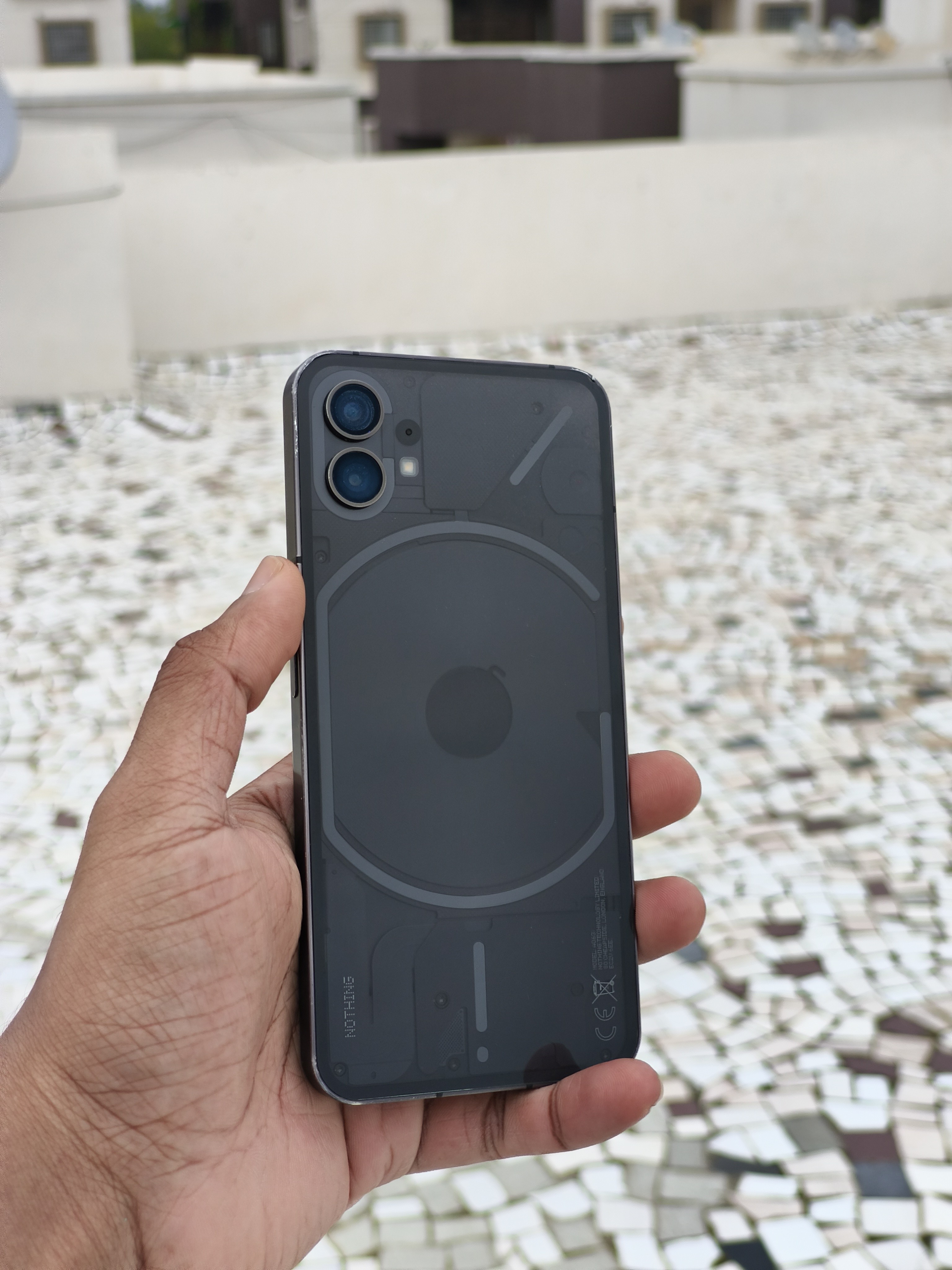
Overall, portraits are good in good lighting condition.
Low light Photos:
Low-light pictures on the CMF Phone 2 Pro are generally good, especially when using the 1x and 2x lenses—they retain decent detail and overall quality. However, the wide-angle lens (0.6x) is a clear weak point. The quality drops significantly in low-light conditions, making it noticeably worse than the other two lenses. This is definitely an area where Nothing/CMF needs to improve.
Another thing to note is that color consistency across the lenses is still lacking—you’ll see variations in color reproduction between the 1x, 2x, and 0.6x shots.
Here’s an example for reference (order: 1x → 2x → 0.6x):



And yes, glaring is quite noticeable in low-light conditions. There’s still a lot of work needed in this area. Issues like inconsistent color production across lenses, noticeable glare, and below-average performance from the wide-angle lens make the low-light photography experience less than ideal. Hopefully, CMF/Nothing addresses these concerns in future software updates.
Presets:
The device also comes with presets, which are quite handy. You can even create your own custom preset and save it, which is a great feature for those who enjoy tweaking camera settings and prefer using specific configurations for different scenarios. Overall, it’s a thoughtful addition that adds flexibility and convenience to the camera experience.
Camera Verdict:
Overall, if I had to sum up the camera performance of the CMF Phone 2 Pro, I’d rate it as average to good, depending on the lighting conditions.
In well-lit environments, both photos and videos turn out quite good—not exceptional, but the phone can surprise you with excellent shots when conditions are just right.
For day-to-day use during daytime, it performs reliably and won’t disappoint casual users.
However, low-light performance still needs improvement. While 1x and 2x shots are passable, ultra-wide shots struggle, and low-light video recording is noticeably weak.
In short, if you’re a casual camera user, the performance is more than adequate.
But if you’re someone who cares deeply about photography and videography, and want consistently great results, this may not be the ideal device for you.
AI Features:
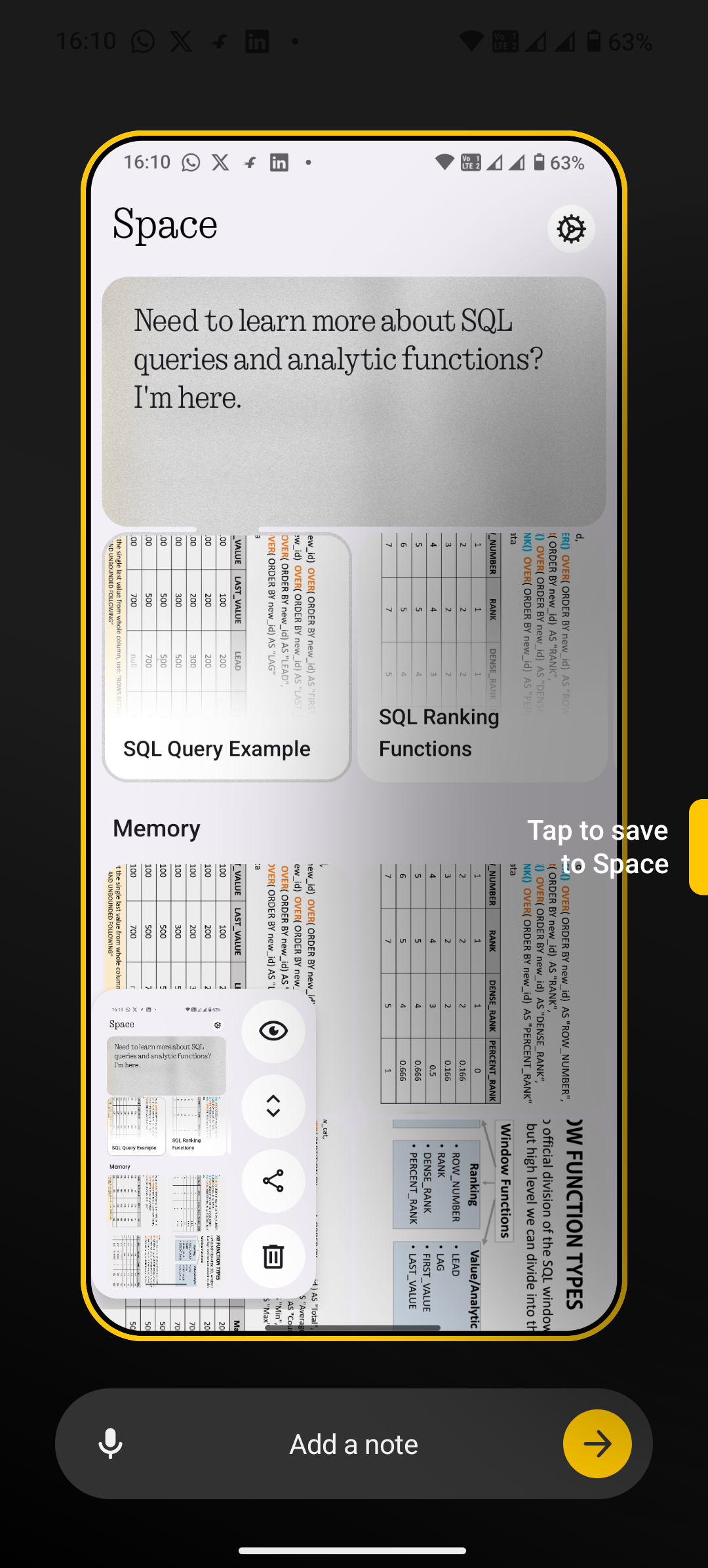
Just like its bigger sibling—the Nothing Phone 3a Series—the CMF Phone 2 Pro also comes equipped with all the same AI-powered features, making it quite impressive for a phone in this price range. Namely Essential Space, AI App Drawer, Circle to search, ChatGPT Integration, AI News reporting widget and wallpaper Studio which are good features to have in a budget phone. These additions enhance usability and personalization while maintaining a clean and responsive experience, which is commendable at this budget.


Battery Backup & Charging:
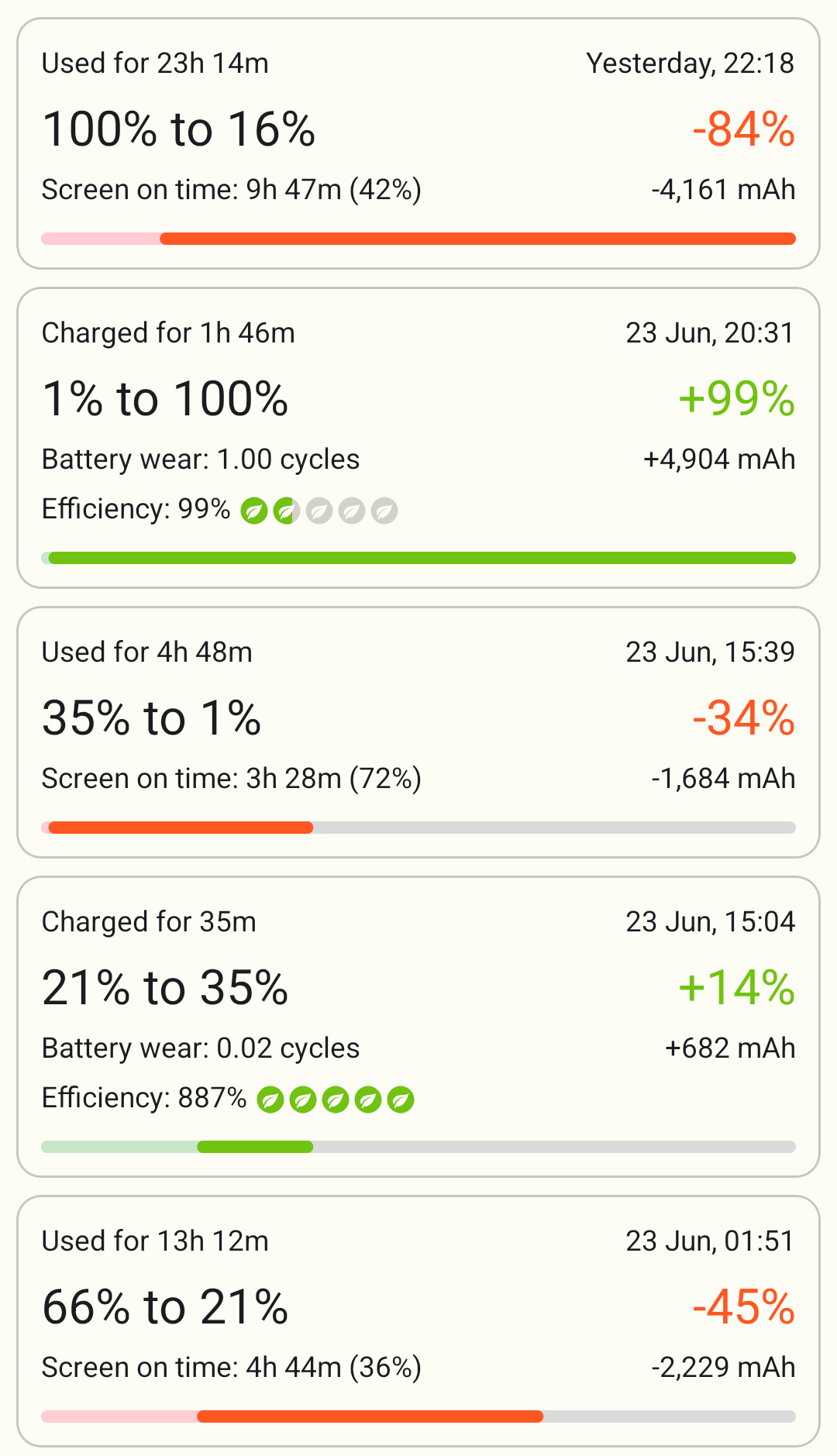
The battery backup on the CMF Phone 2 Pro is excellent. Throughout my usage, I never found myself needing to charge it twice in a day—even with medium to heavy usage, including long hotspot sessions. The battery optimization is clearly well done, and I consistently achieved 7+ hours of screen-on time on a full charge.
Of course, actual backup will vary from person to person based on usage, but here’s a general estimate:
Around 6 hours of SOT with heavy use
Around 7–7.5 hours with medium to high usage
Even more than 8 hours if you’re a casual user, such as elderly users or those with minimal usage
So if battery life is a priority, this phone won’t disappoint you.
Here are few backup SOT which i was able to get during my testing:
This is where things could be improved.
With the Nothing charger, it takes around 1.5 hours to fully charge
With other chargers, it can take up to 2 hours
If you’re using the phone while charging, the time increases by 25–30 minutes
This extended charging time while in use is something Nothing should look into and optimize further.
Multimedia Experience:
The multimedia experience on the CMF Phone 2 Pro is decent overall. The AMOLED display is bright, large, and crisp, offering an excellent viewing experience—especially impressive for a phone in this price range. You’ll have no complaints about the screen quality itself.
However, there are a few minor limitations worth noting:
No HDR support on Netflix:
Netflix doesn’t come pre-installed on Nothing devices, which means the phone currently lacks the required HDR certification out of the box. As a result, HDR content on Netflix is unavailable at the moment. Hopefully, Nothing will address this with certification in future updates.
Single speaker setup:
The speaker is not bad, but it’s not comparable to a dual-speaker setup. The Phone 2 Pro does include a 150% volume boost mode, which slightly increases volume output, but it still lacks the depth and stereo effect that dual speakers provide.
Overall, the multimedia experience is good for casual users.
If you’re someone who doesn’t mind a single speaker setup and primarily uses headphones or external speakers, this phone will work just fine.
However, if sound quality is important to you—especially for watching movies, web series, or gaming—then the lack of stereo speakers might be a dealbreaker.
Network & Connectivity:
During my testing, the CMF Phone 2 Pro delivered reliable connectivity across all key features:
Dual SIM with Hybrid Slot:
The phone supports a dual SIM hybrid setup, allowing you to use either two physical SIMs or one SIM + one SD card, based on your preference.
Call performance was consistently solid—no call drops, clear audio on both ends, and stable connection quality throughout.
Wired Android Auto:
Android Auto worked flawlessly during my testing. I didn’t face any lags or disconnections, which is a great plus for people who rely on this feature while driving.
Bluetooth Connectivity:
Daily usage with the Nothing Ear (Stick) was smooth and stable. Pairing was quick, and I had no issues with music playback, calls, or general connectivity. The Bluetooth connection remained rock-solid throughout.
NFC – Missing: This is one area where the phone falls short. NFC support is missing, which is disappointing since many users now rely on contactless payments and quick pairing features. Given today’s usage patterns, NFC should be a standard feature, even in budget phones.
Here’s an Internet speed test between 4 phones on the same network (order: 11R -> P2 Pro -> Nord 3 -> NP1):

CMF Accessories Compatibility:
Just like its predecessor, the CMF Phone 2 Pro supports a range of modular accessories—but there’s a small catch.
To use these accessories, you’ll need to purchase a compatible back cover that allows them to attach. This design decision is also one of the key reasons why the Phone 2 Pro is slimmer and lighter compared to the CMF Phone 1.
As of now, these accessories aren’t available in India, but it’s still a fun and thoughtful addition that CMF/Nothing has continued from the previous generation. Once available, they’ll certainly add a layer of personalization and functionality to the device. The interchangeable lenses seems to be cool as well as useful accessory to have.
CMF Phone 2 Pro vs CMF Phone 1:
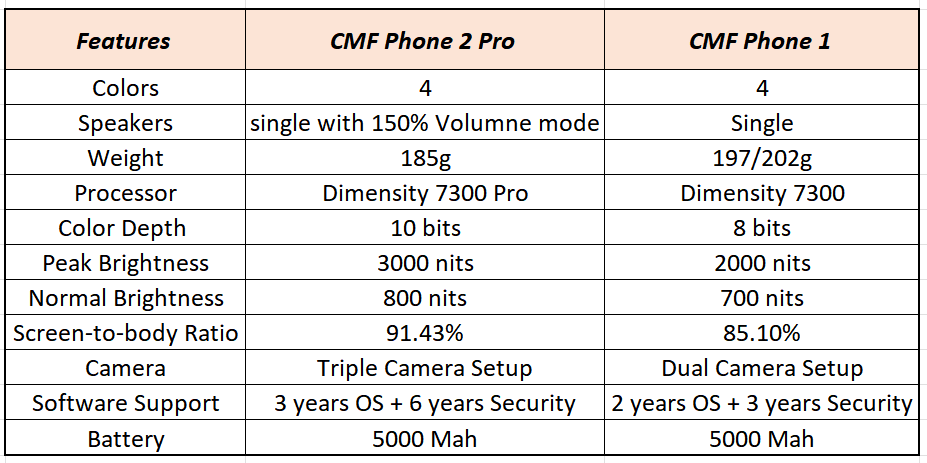
For this section, I decided to compare the CMF Phone 2 Pro with its predecessor, the CMF Phone 1.
Let me clarify: I haven’t personally used or tested the Phone 1, so this comparison is purely based on official specifications and on-paper details.
The goal here is to help you clearly understand the upgrades and improvements that Phone 2 Pro brings over the Phone 1 showcasing the improvements/changes which matters more during making the decision:
Final Thoughts on the CMF Phone 2 Pro:
Overall, the CMF Phone 2 Pro is a solid contender in its segment. While there are some clear cost-cutting measures—understandable for this price point—it also introduces several features that are rare or firsts in this category. Highlights include the Essential Space, Private Space (Not new to the segment but the implementation is fresh), Nothing Widgets (UI with all the features without any limitation being a budget phone), a 3-year OS + 6-year security update promise, and a 10-bit AMOLED display (not unique, but still uncommon among competitors).
If you’re a light to medium user, curious to try out Nothing OS or own a Nothing/CMF product within a ₹20,000 budget, this phone is a great fit.
If you’re buying this for your parents or an elderly user, I highly recommend it. It handles daily tasks with ease, offers good camera performance, reliable connectivity, and a vibrant display—everything an elderly user typically needs.
If you’re someone who’s focused on heavy performance or gaming, then this might not be the right device for you—you may want to consider other options.
Wrap-up:
That wraps up my in-depth review of the CMF Phone 2 Pro.
If you’ve made it this far, thank you so much for taking the time to read through the entire review—I genuinely appreciate your interest and support.
This marks my second detailed product review, with the first one being the Nothing Phone (3a).
As my review period comes to an end and I prepare to return the device soon, I’ll still be using the P2 Pro casually over the next 24–48 hours.
So, if you have any specific questions—whether it’s about the software, hardware, a particular app or setting, or anything you feel I may have missed—feel free to reach out or drop a comment. I’ll be more than happy to help!
Lastly, a big thank you to the Nothing India Community Team for giving me yet another opportunity to explore and experience the CMF Phone 2 Pro. It’s been an exciting journey diving deep into this device, and I’m truly grateful for the trust and support from the community.
Signing Off (for the second time),
Soumyajit
