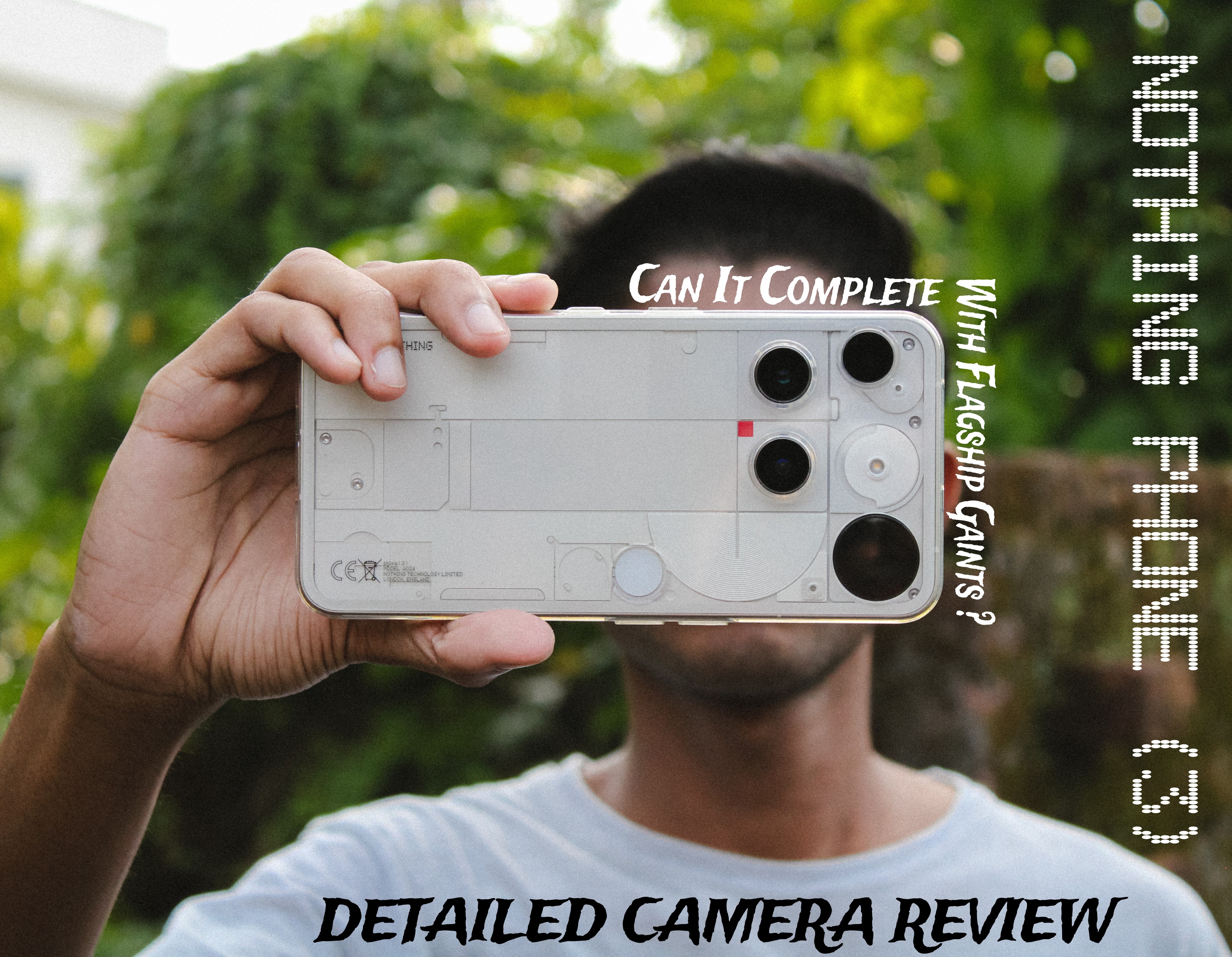
This Is How The Phone (3) Cameras Actually Performs In Day to Day Use.
And Can It Compete With Flagship Giants?
Curious To Know? Then This One Is For You .
Don’t Miss My Final Verdict 👀
Camera Specs 🚀
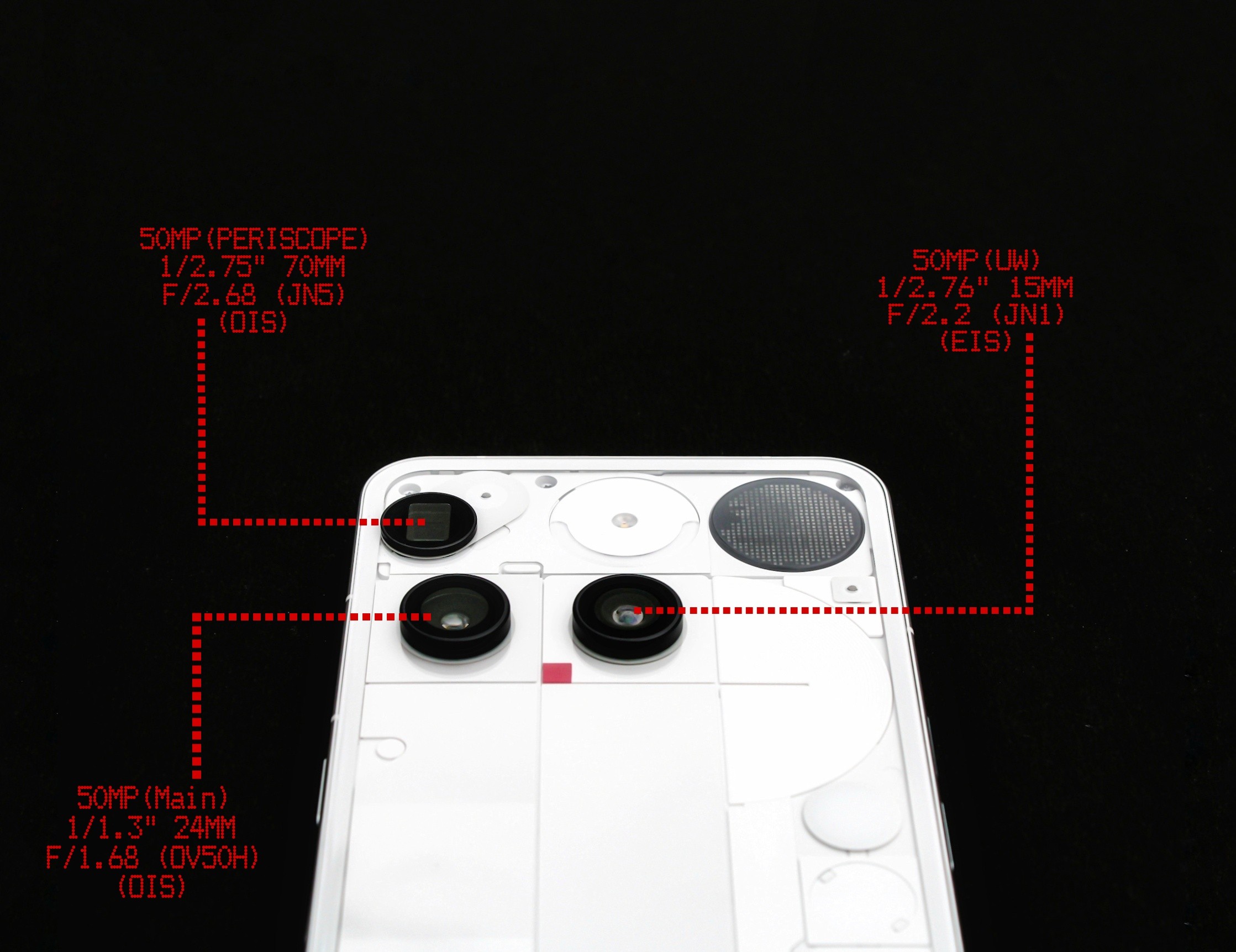
Main - 50MP | 1/1.3″ | 24MM | F/1.68 | (Omnivision 50H) | OIS |
UW - 50MP | ½.76″ | 15MM | F/2.2 | (Samsung JN1) |EIS |
Periscope - 50MP | ½.75″ | 70MM | F/2.68 | (Samsung JN5) | OIS |
Front - 50MP | ½.76″ | 24mm | F/ 2.2 | (Samsung JN1) | EIS |
📸 Main camera (1x)
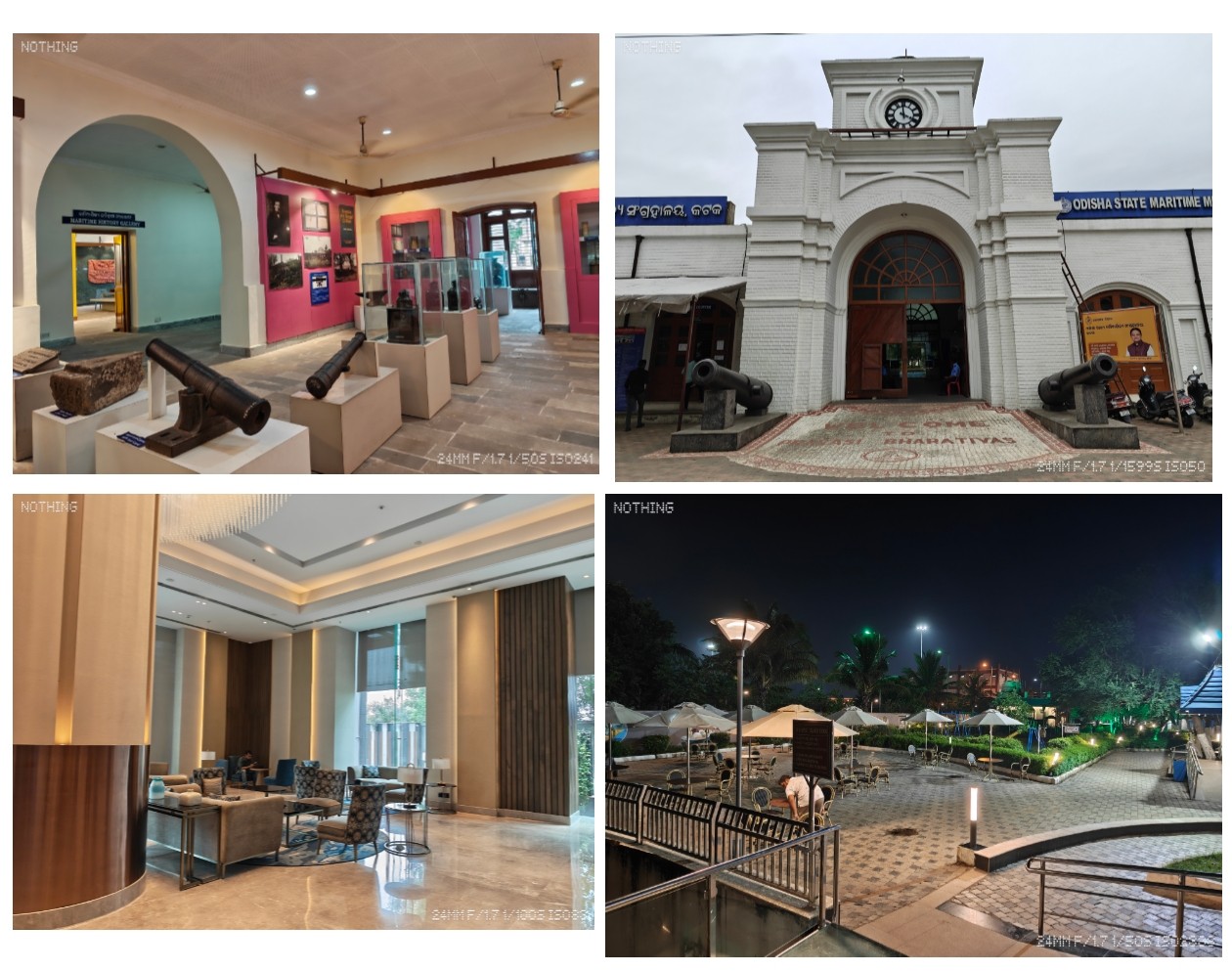
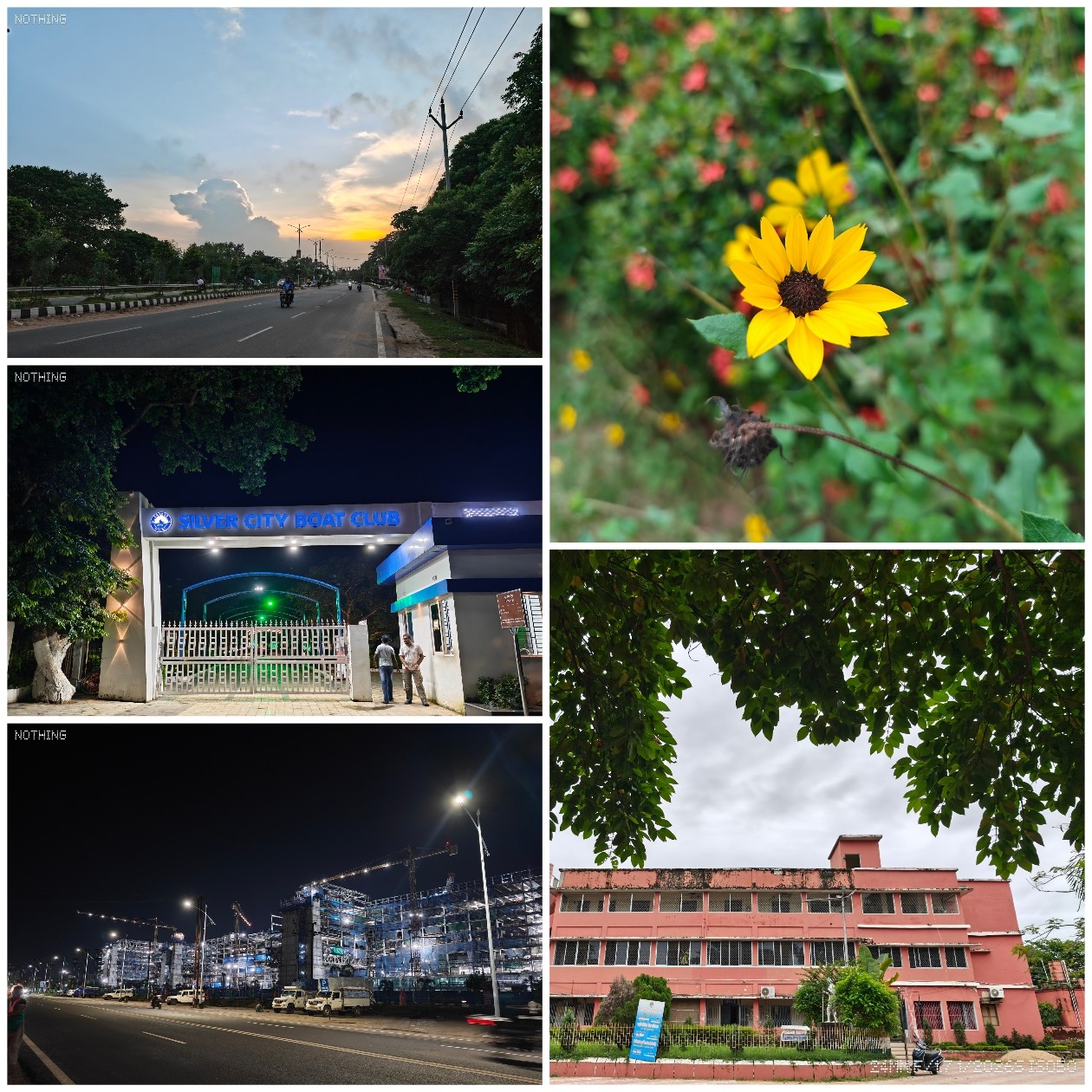
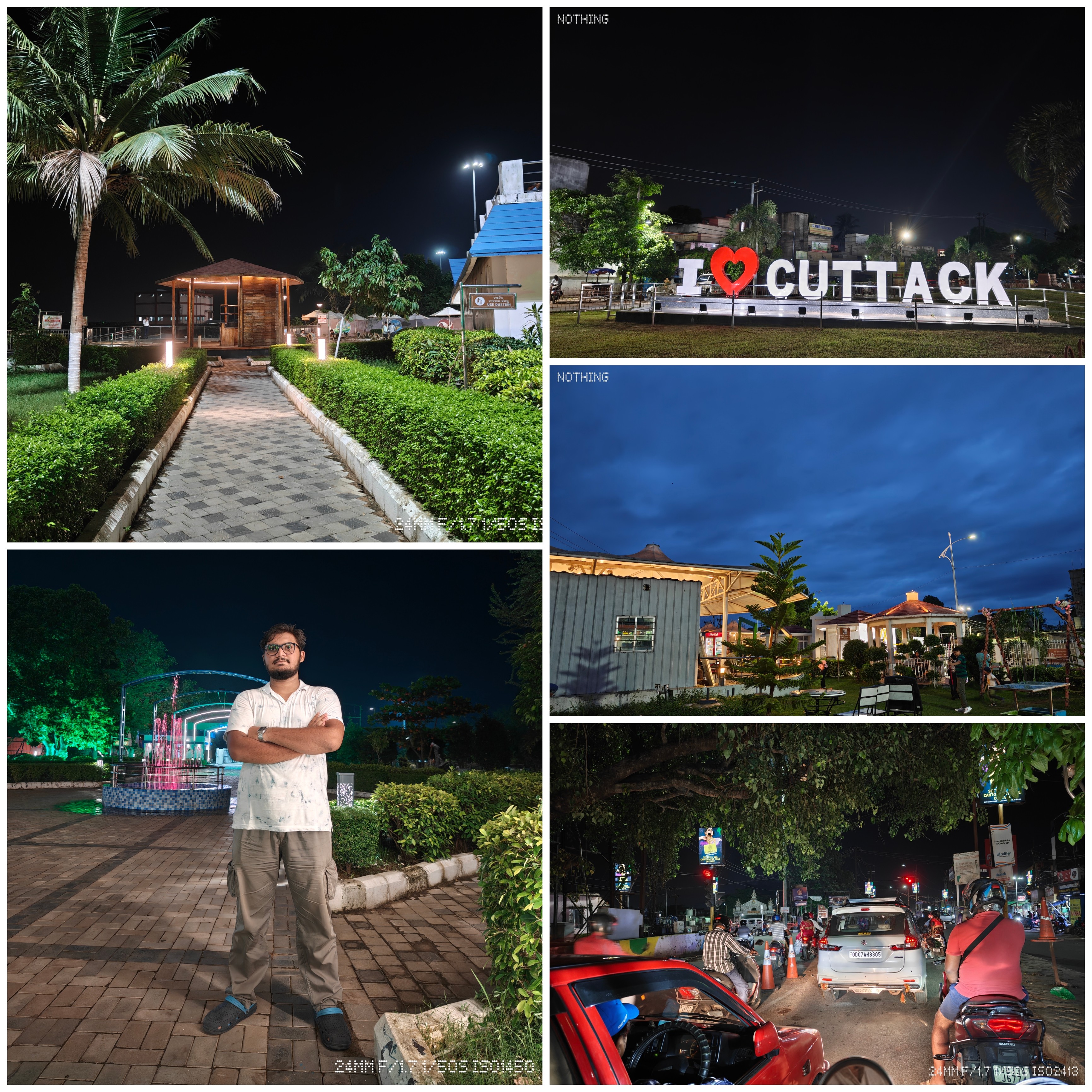
The main camera sensor is quite large at 1/1.3″ in size and also features a wide aperture of f/1.68. This combination means its low light capabilities are excellent, as a larger sensor and wider aperture allow more light to be captured in darker conditions.Coming to real life performance;In Daylight, the main camera captures great detail and doesn’t overly boost colours keeping the overall tone close to natural. Thanks to the large sensor it also creates a nice shallow depth of field when taking close up shots.The dynamic range, as well as shadow and highlight control is really good, details and sharpness are well preserved.However, I did notice that in indoor and challenging lighting conditions, it sometimes struggles with white balance turning yellow light into white and white light into yellow. This is something that could be fixed with software updates.
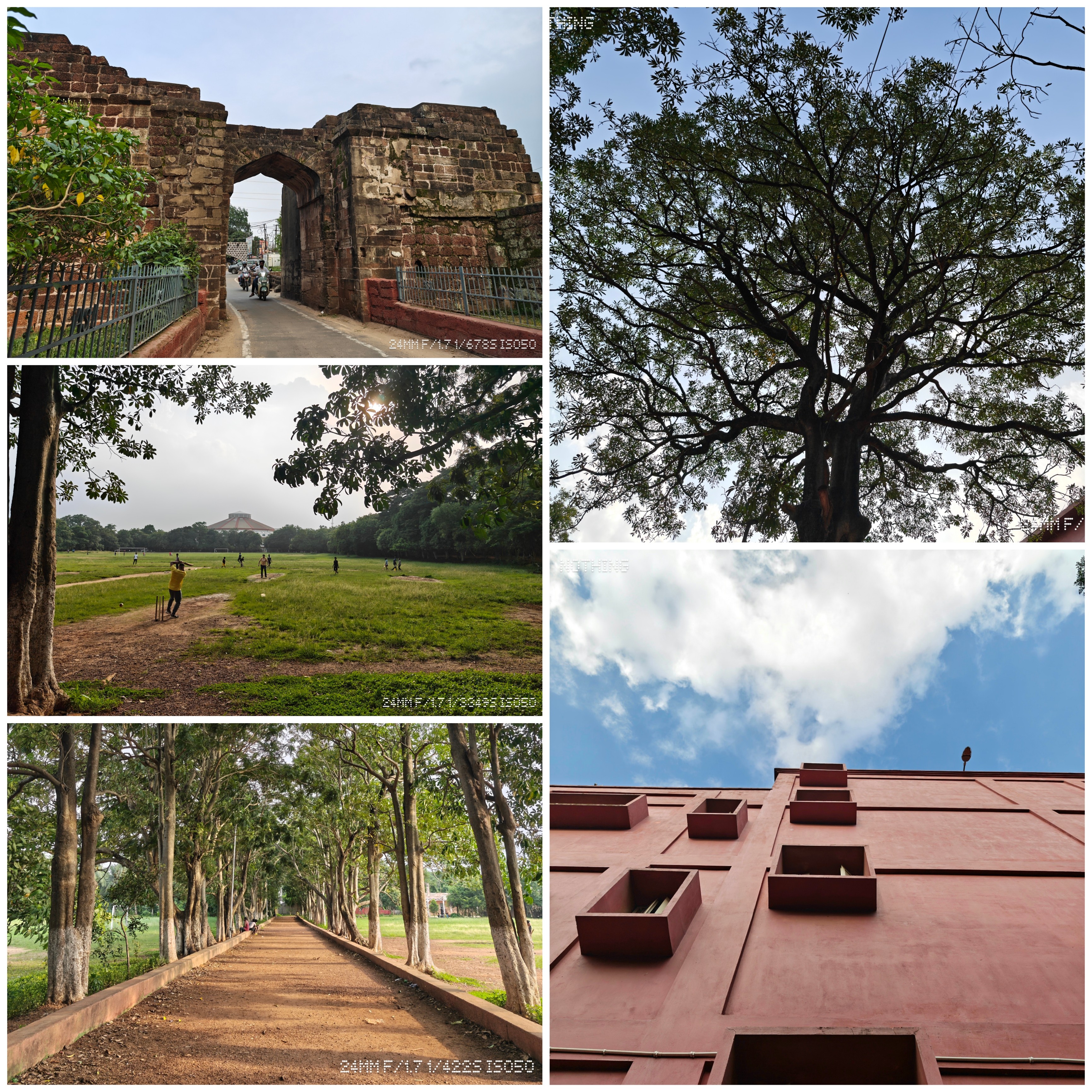


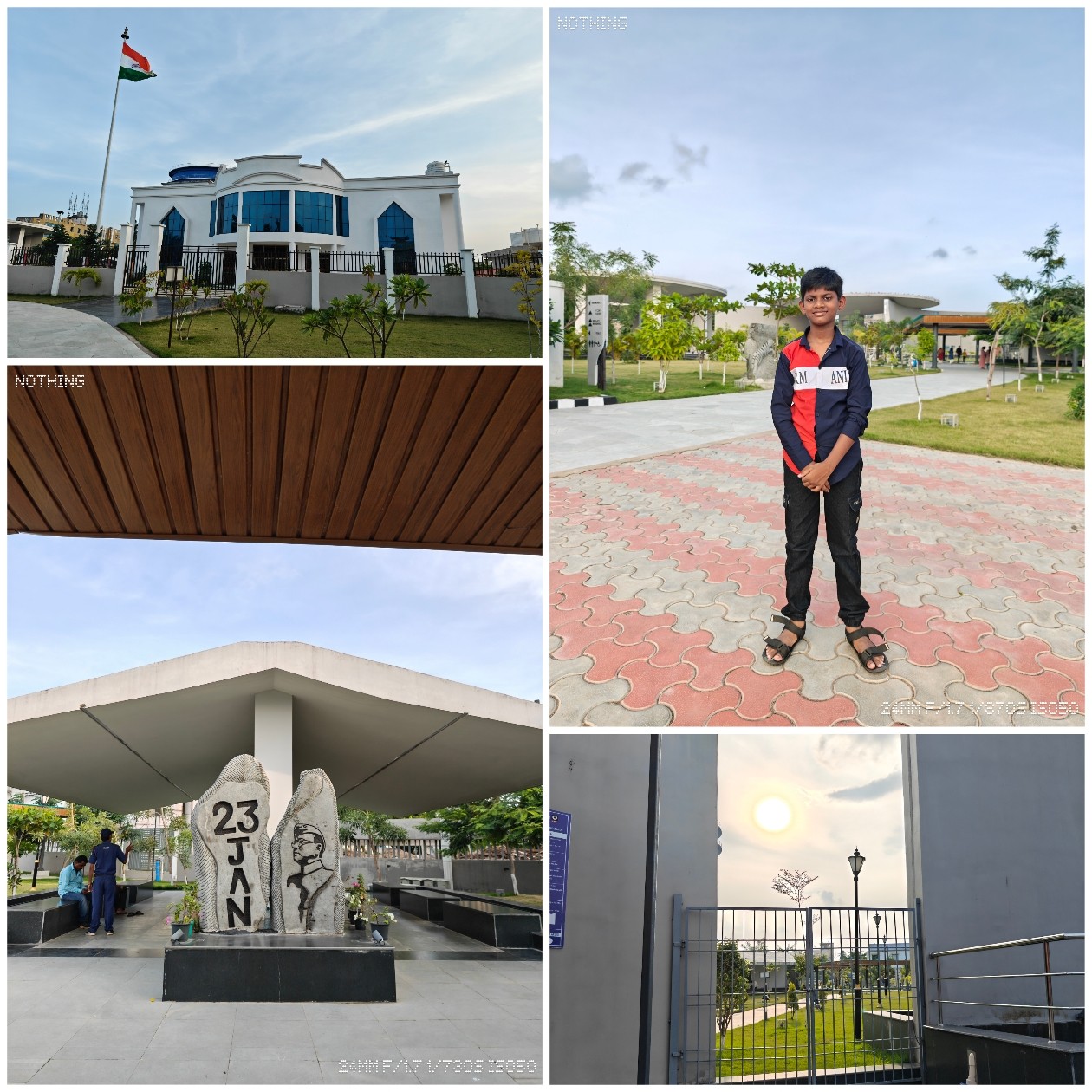
In low light, it captures good detail with minimal noise and handles artificial lighting very well. For human shots, most of the time it manages skin tones nicely keeping them close to natural, though there are occasional mishandlings.Overall, the main camera’s image quality is quite impressive.

📸 Periscope Telephoto Camera (3x)
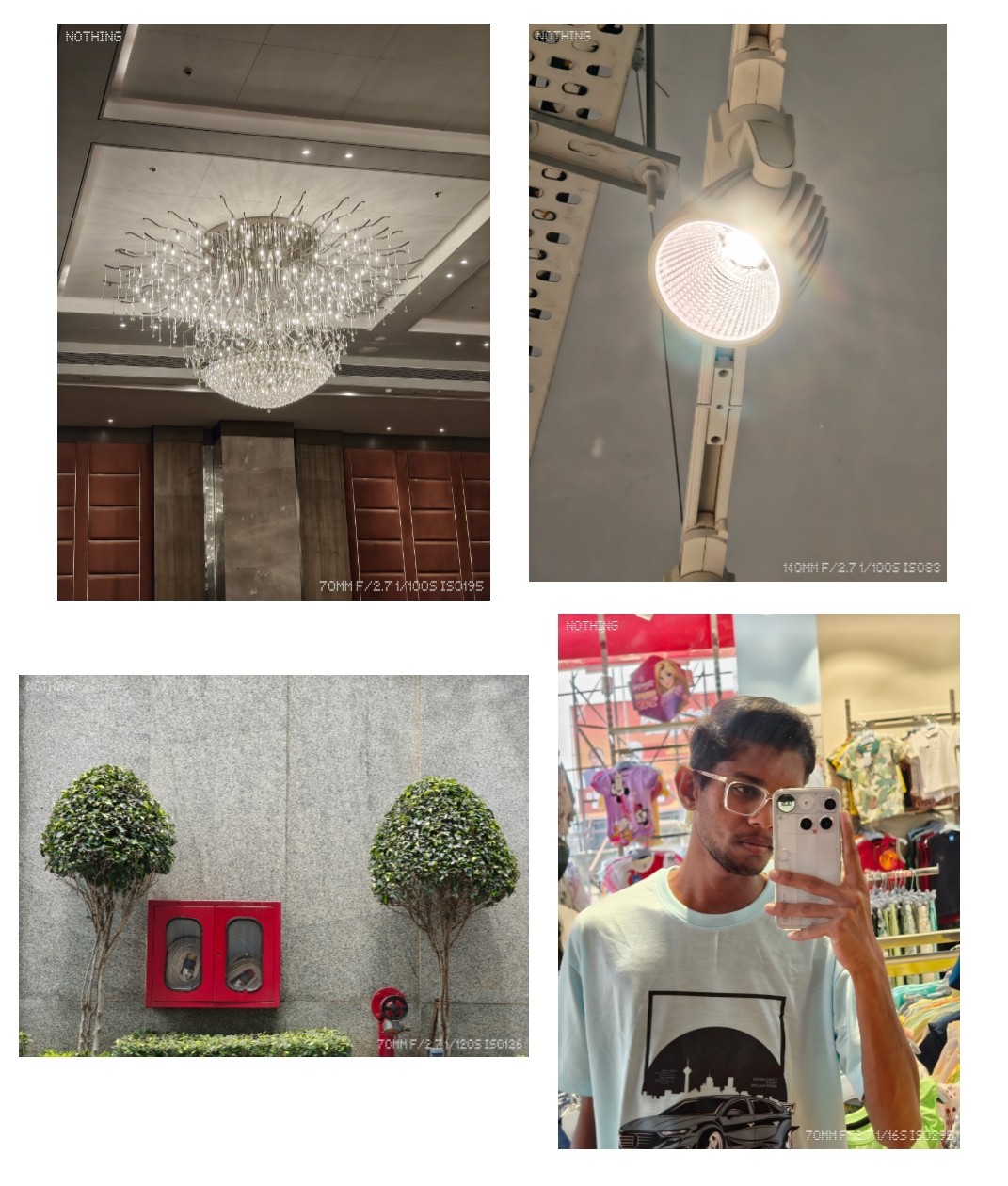
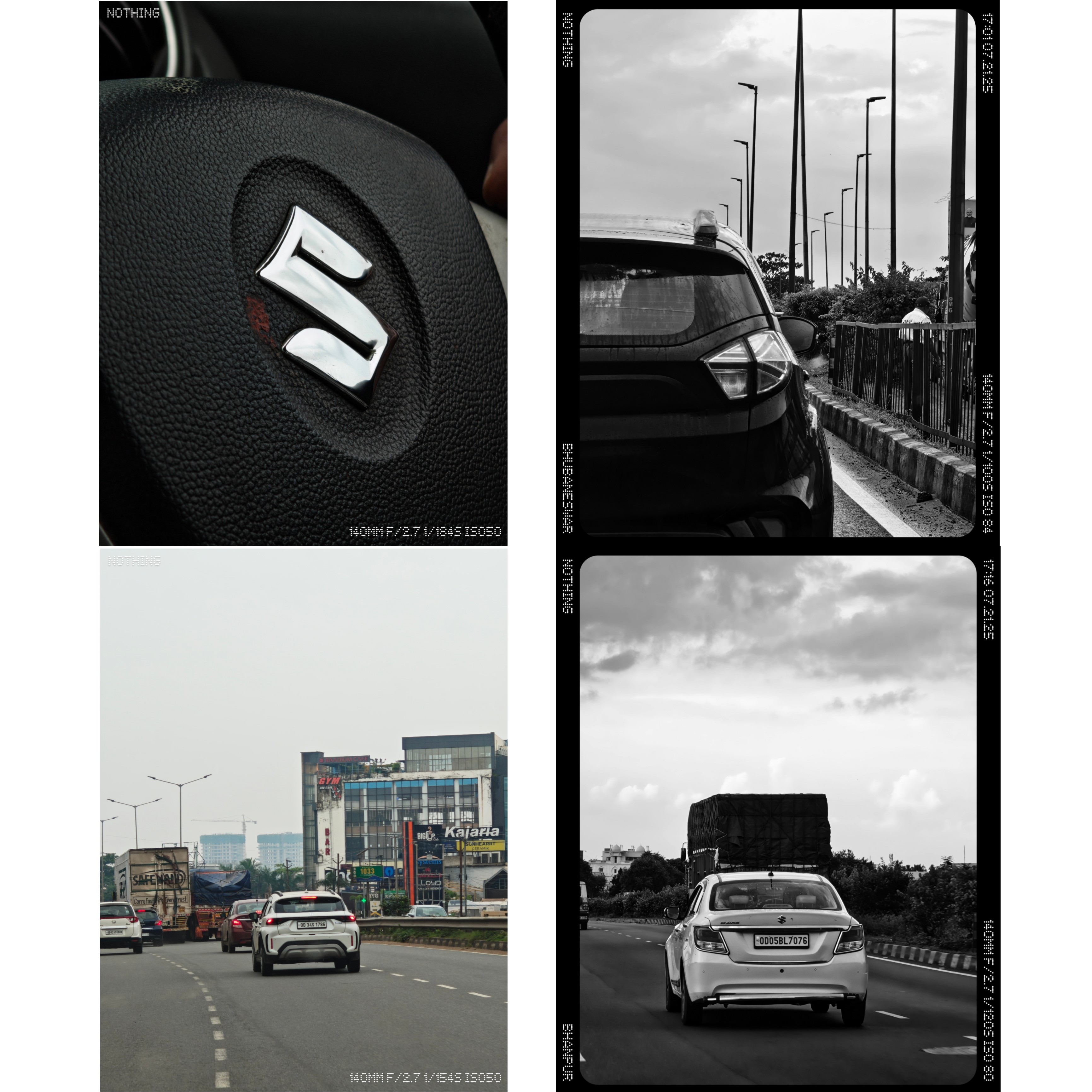
The periscope telephoto sensor is a Samsung JN5 with a sensor size of ½.75″, but it’s a smaller sensor compared to the Phone(3a)Pro’s telephoto sensor, which was 1/1.95″. This sensor is also capable of taking macros will talk about it in the next part. Most of the time during my camera test, I was mostly using the periscope sensor.Coming to the real-life performance; In Daylight the dynamic range, saturation levels, details, and sharpness from this sensor are quite impressive, but occasionally it captures a warmer tone compared to the main sensor. Human subjects also look good with faces and skin tones appearing natural most of the time. On non human subjects, the textures and details are also well maintained. Even at 6x, we can capture great looking photos with a good amount of detail. In daytime, I’m totally satisfied with this sensor.
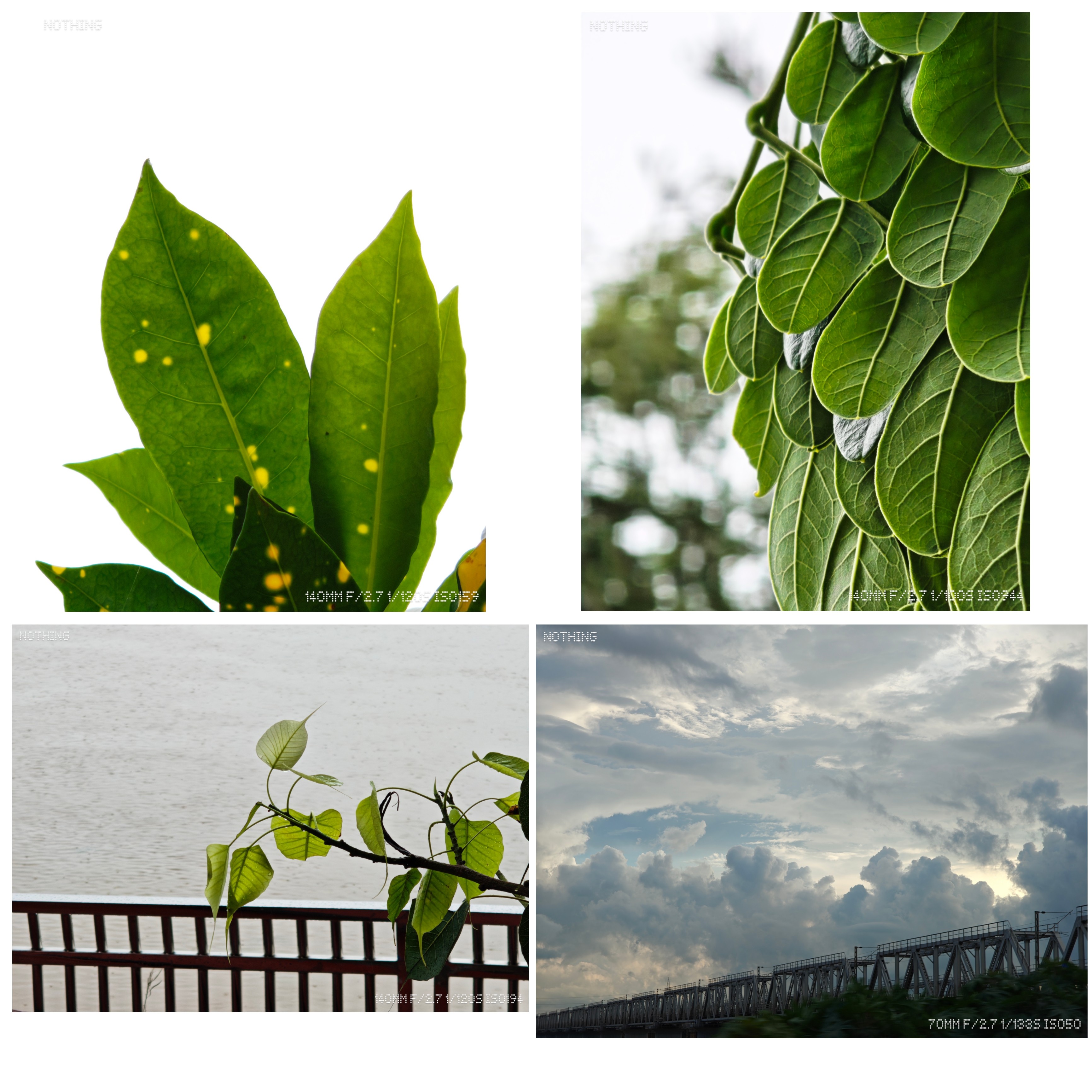



But when it comes to low light, the image quality drops noticeably as it’s a smaller sensor. Photos often appear soft, with limited details on the subject, crushed blacks in shadow areas, and it tends to produce a lot of noise. And what I feel is the Phone (3a) Pro was capturing better low light photos with the periscope sensor.Overall, the image quality from this sensor is good in daylight and average in low light conditions.

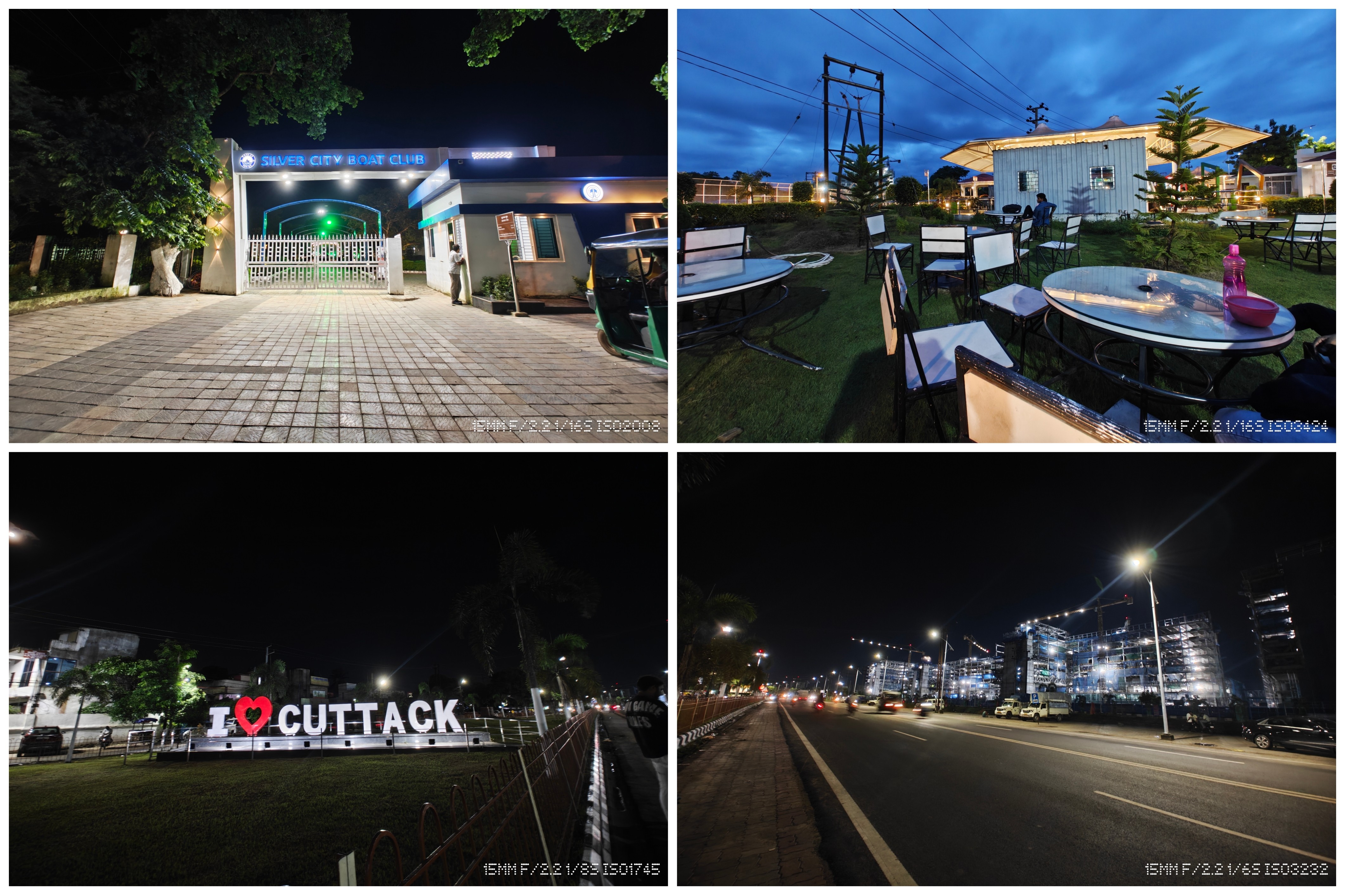
📸 Ultrawide Camera (0.6x)
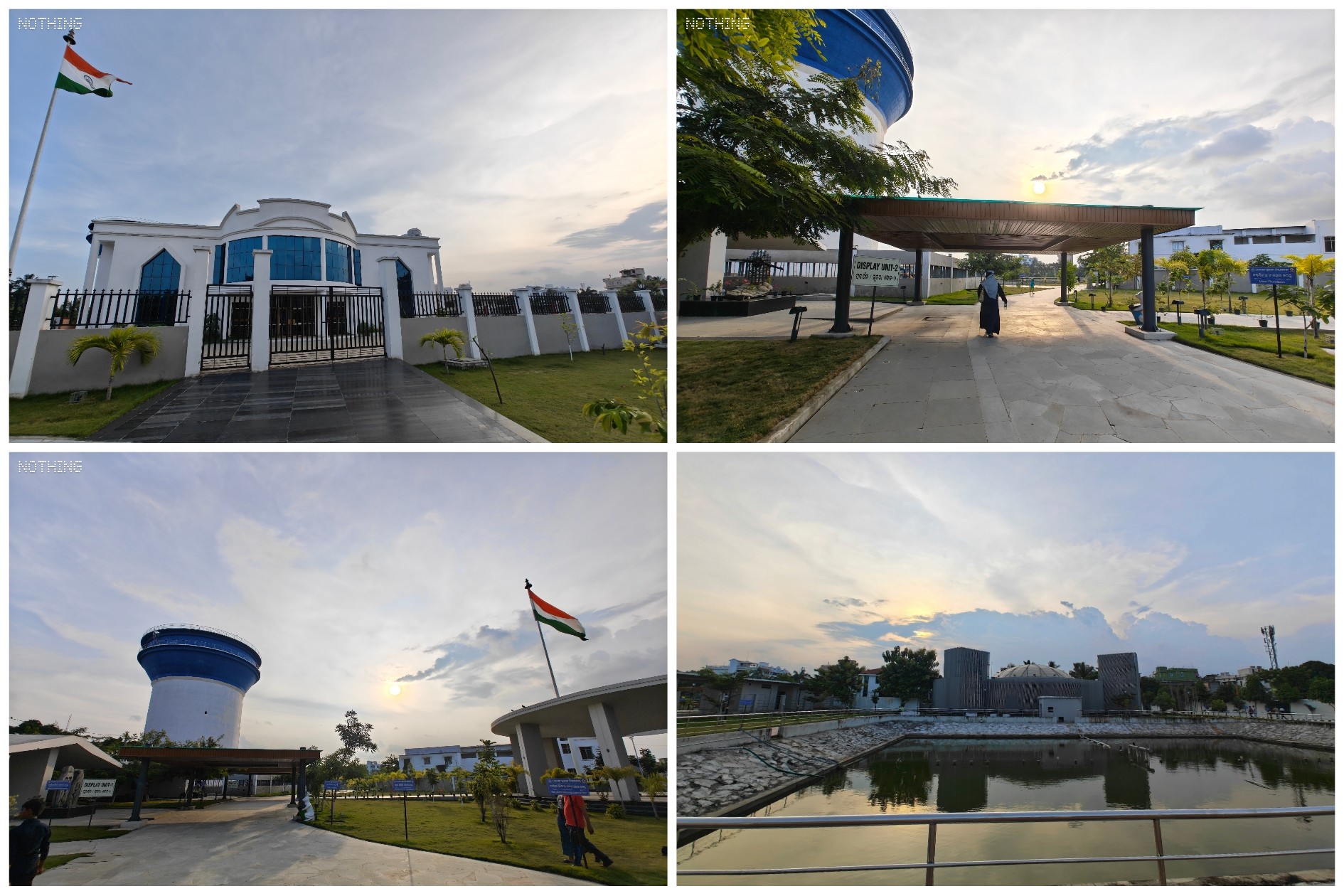
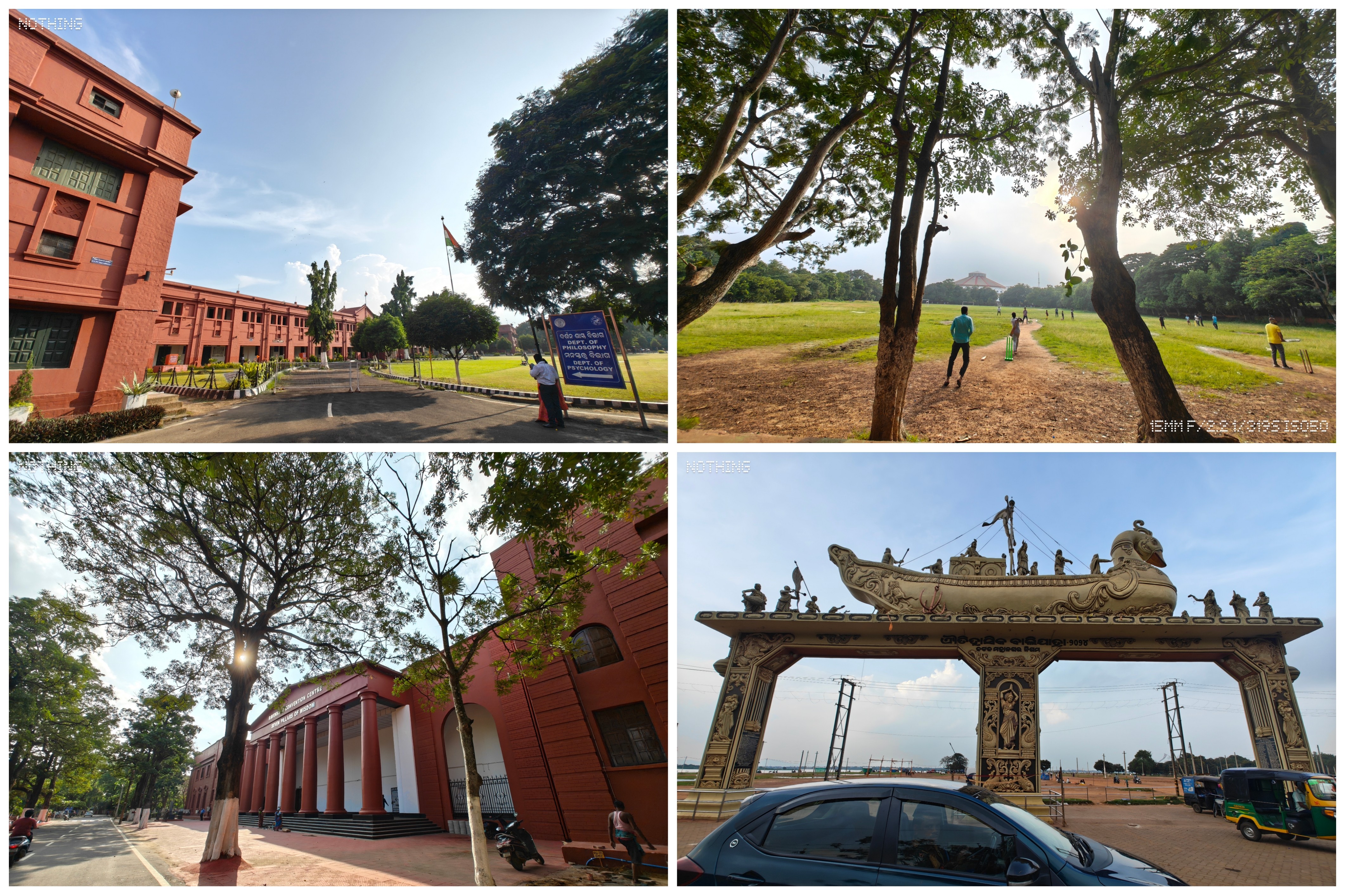
The ultrawide camera uses a Samsung JN1 sensor with a 114° field of view, but the problem is that this sensor doesn’t support autofocus, which is not justified when you’re spending 80k.That said, In real life performance, Daylight shots have great dynamic range, with good shadow and highlight control, along with solid detail, texture, and sharpness. However, the edges of the photos can be inconsistent sometimes sharp, sometimes soft. In terms of colour, it captures slightly more vibrant and saturated tones compared to the main camera, though it’s not too noticeable. Sometimes, it can also make the pictures look a bit contrasty as well.


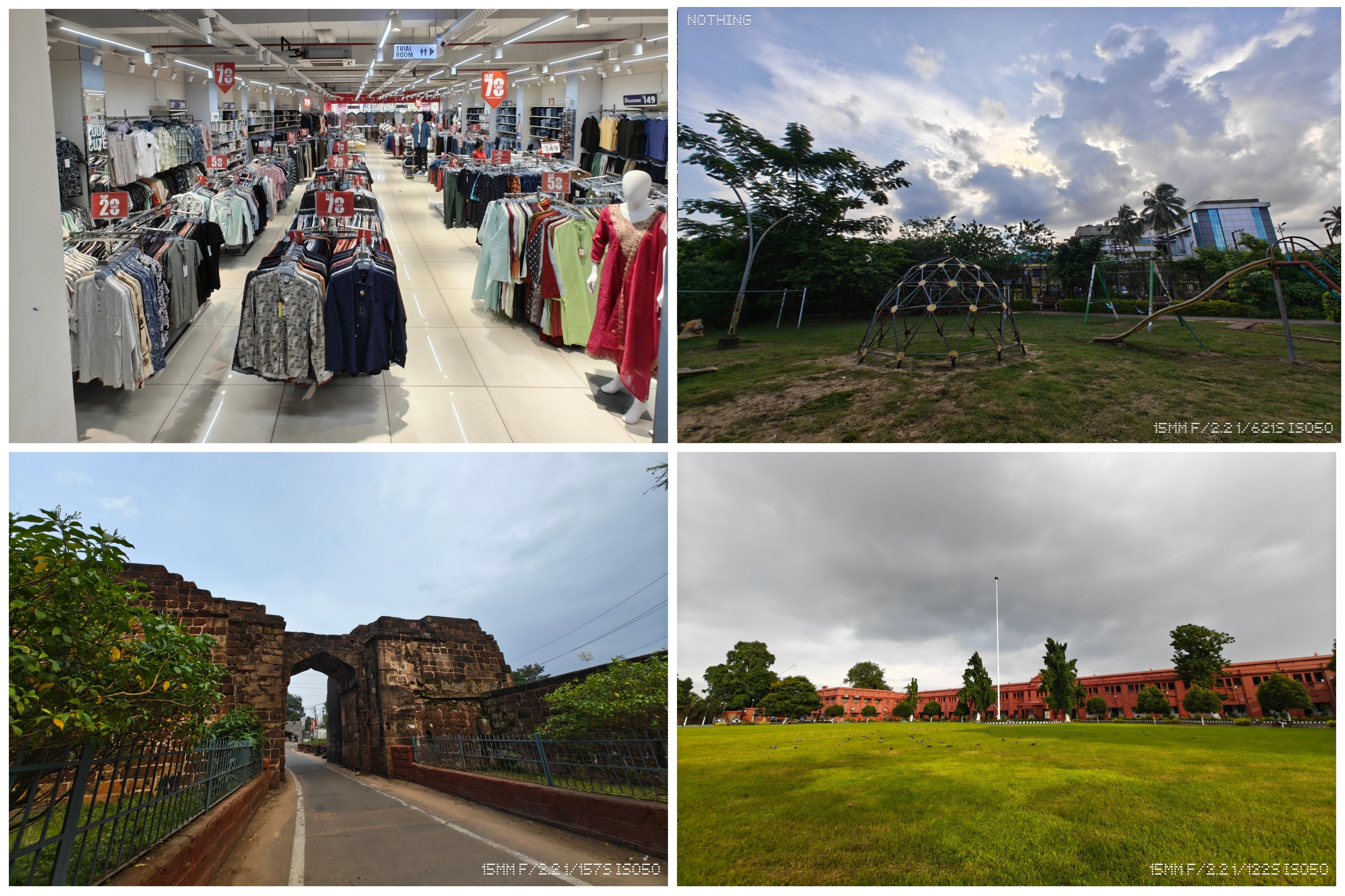
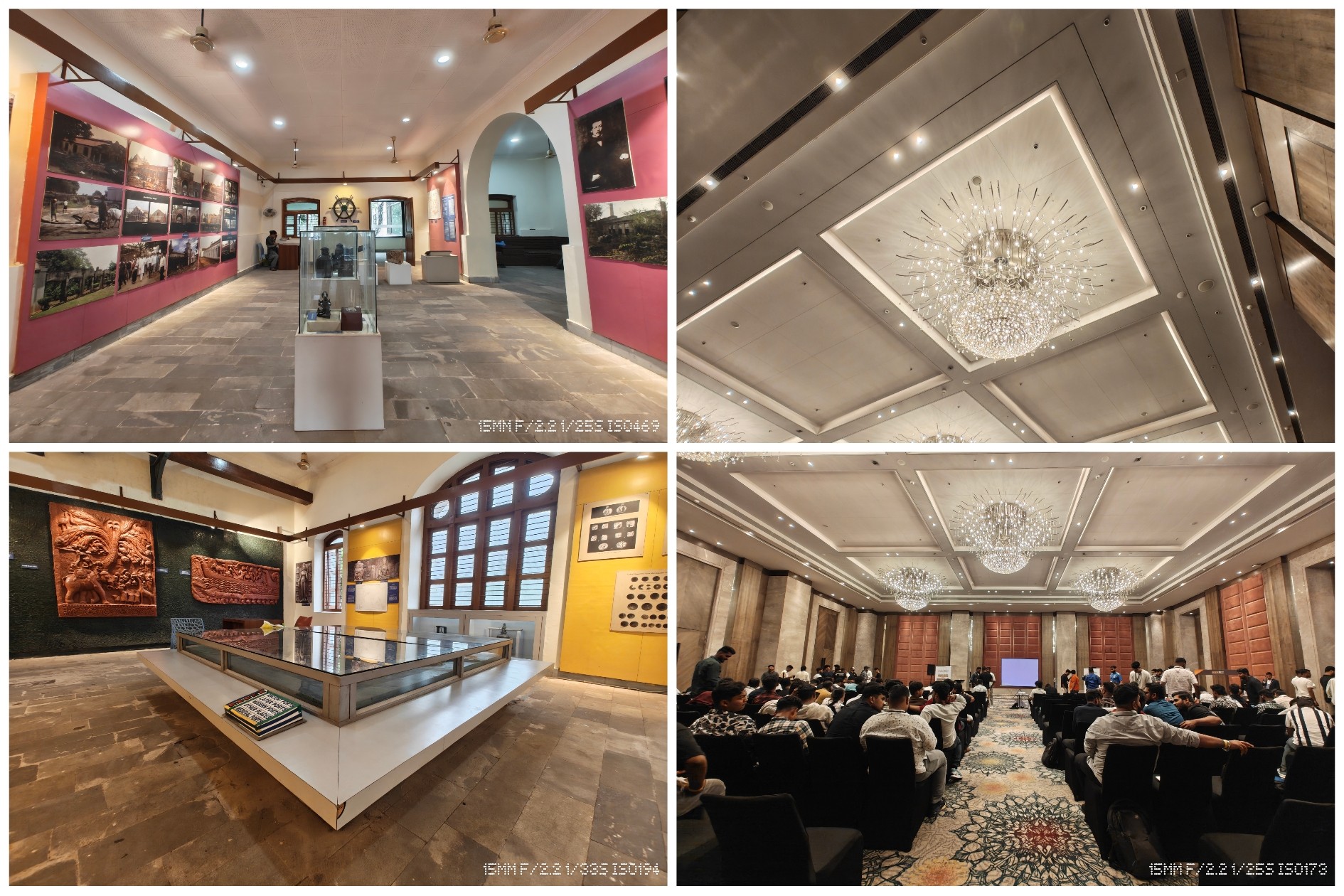
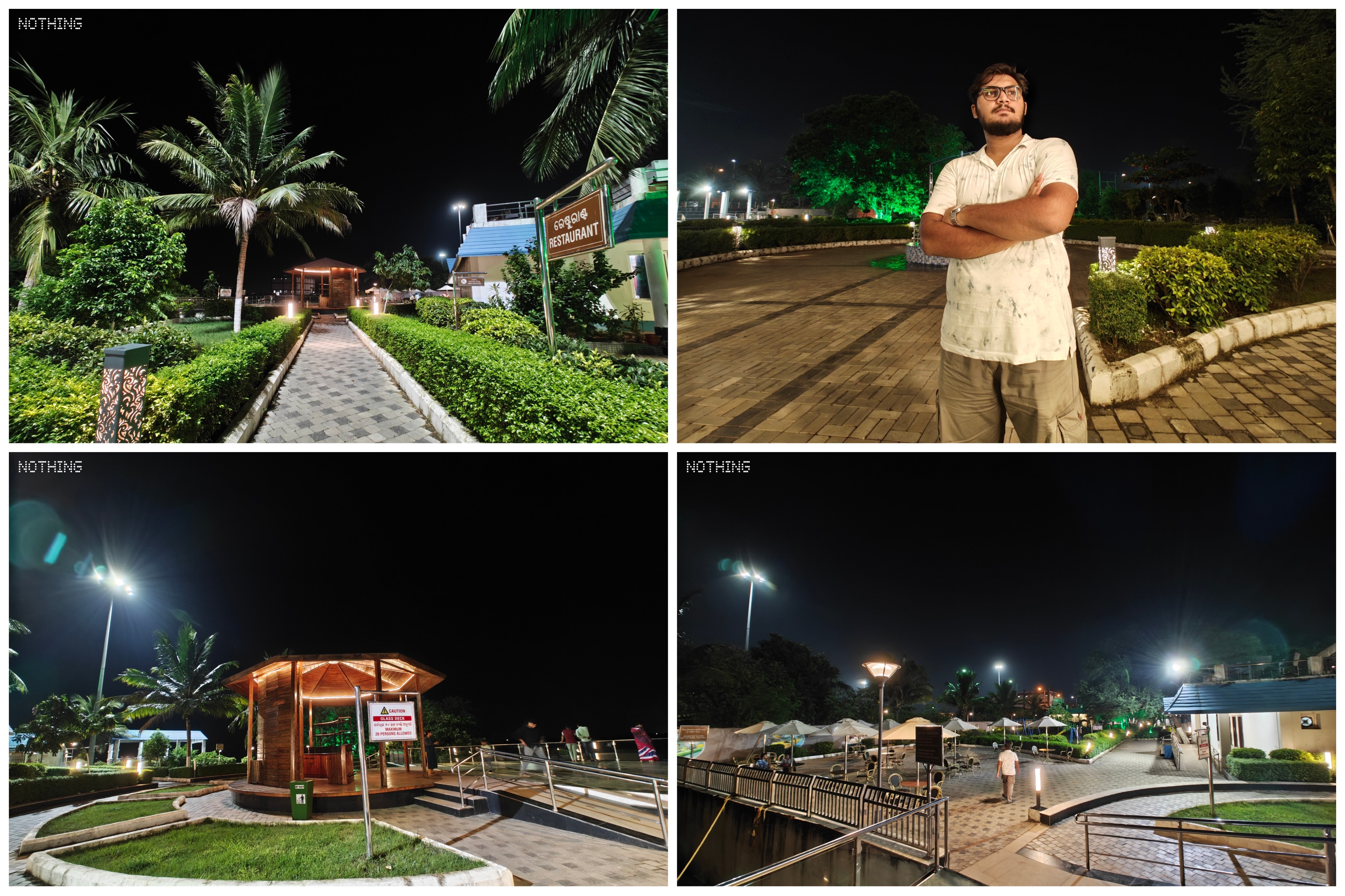
In Low light and artificial lighting, the camera mostly handles artificial light well, though it produces flares around street lights. Shadows are generally well lit, and noise levels stay low which is good. However, it sometimes struggles with white balance adjustment, similar to the main camera. As for detail and sharpness in extreme low light conditions, it’s just okay. When zooming into the middle of the image, fine details are lacking, and the photos can look soft.
📸 Portrait Mode
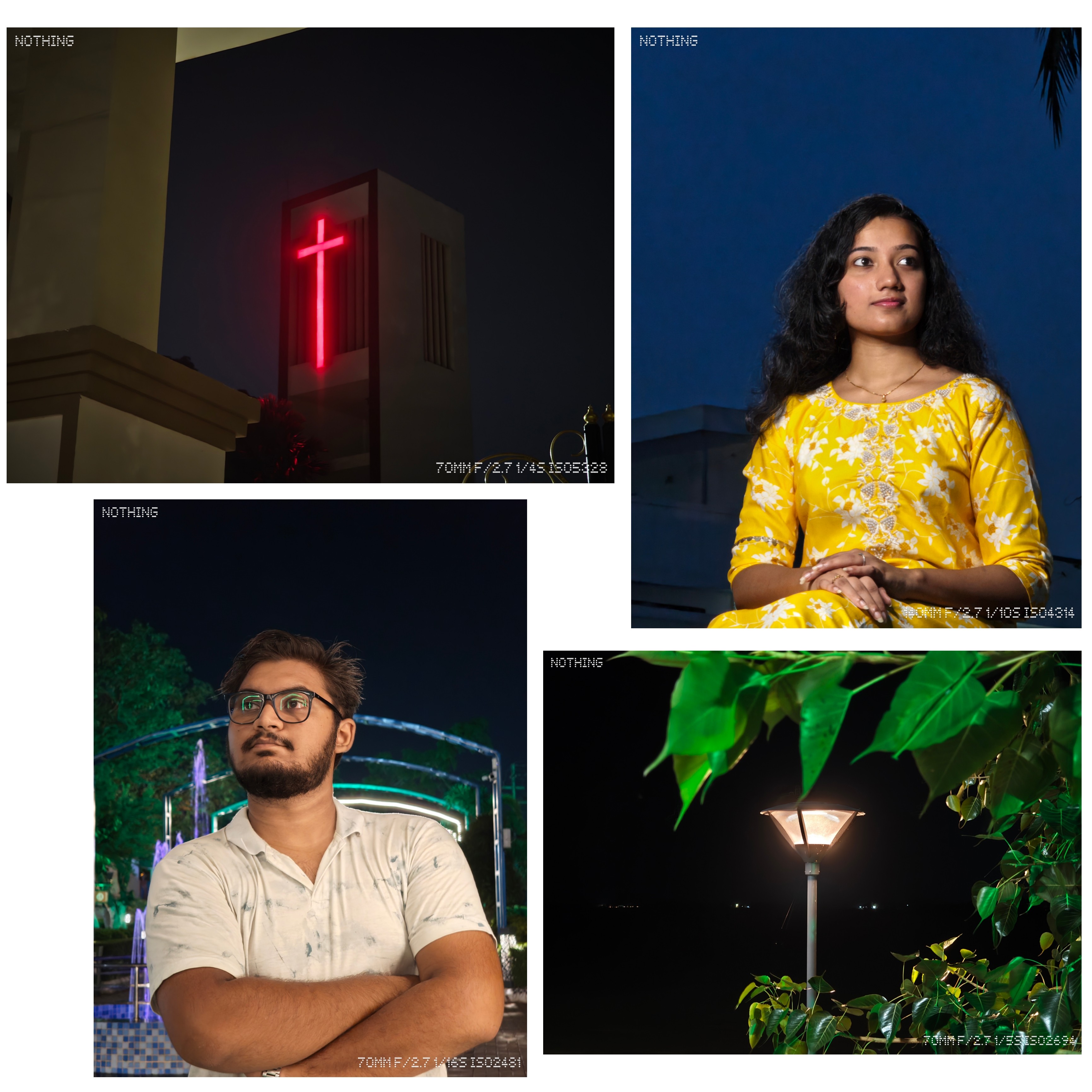
The Phone 3 uses both the main and periscope cameras for portrait shots. You can shoot portraits at 24mm, 50mm, 70mm (3x), and 100mm (4x), with the 70mm and 100mm focal lengths powered by the periscope lens.In general, it delivers great subject separation and natural background blur making the subject pop from the background. However, edge detection can be hit or miss and it sometimes struggles around complex areas like hair. In daylight, facial details and textures in human subjects are impressive.In indoor lighting and low light conditions, portraits can appear soft if there isn’t enough light. You also need to keep the phone steady or the photos might turn out shaky. Skin tones usually look natural, but they can be inconsistent, especially in backlit scenarios. The camera also sometimes artificially smooths and brightens faces.




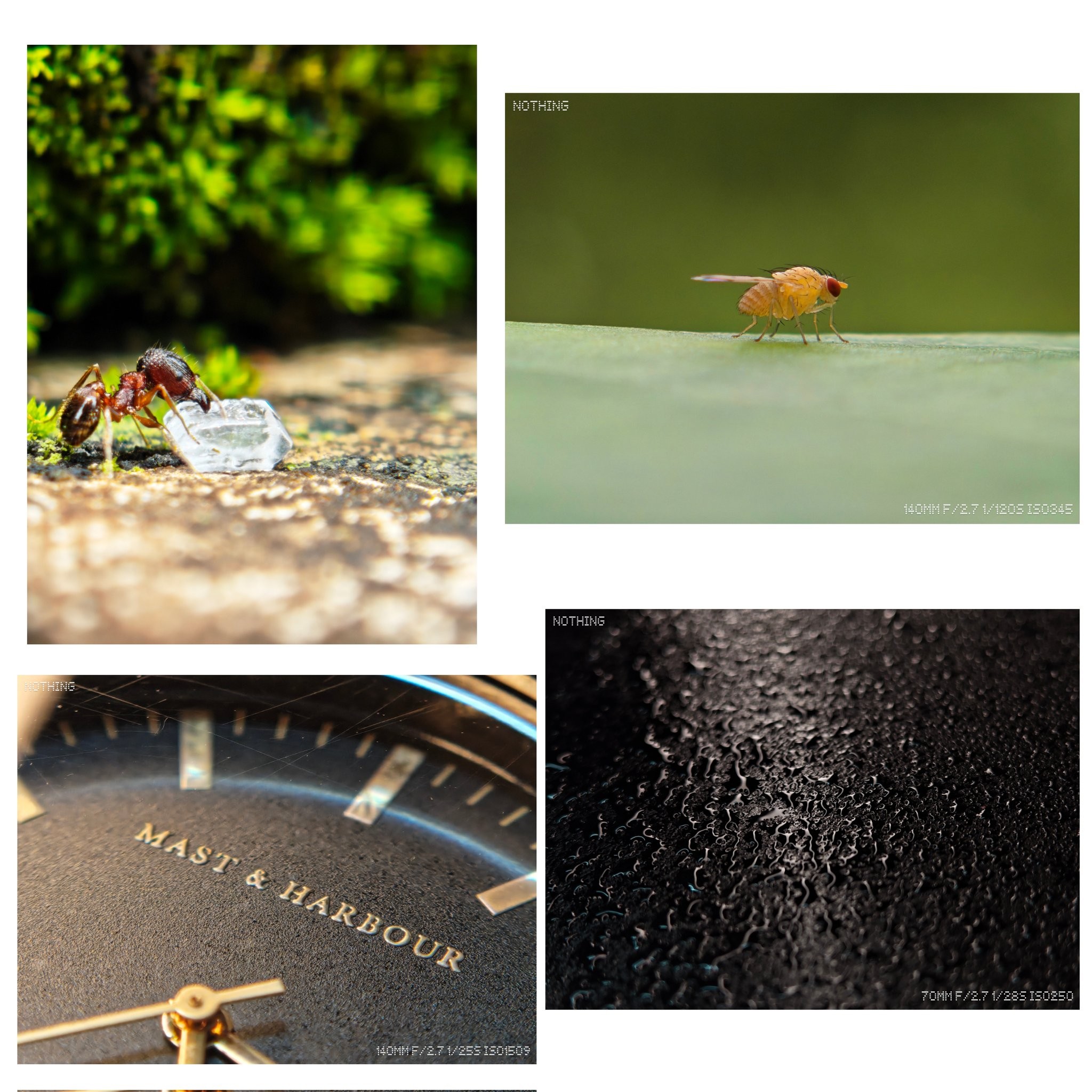
📸 Macro Capabilities
The Phone (3) uses its 3x periscope sensor for macro photography and supports a minimum focusing distance of just 10 cm. Thanks to that, I can get really close to subjects even close enough to focus on the eyes of insects, which is pretty amazing. And yes, it actually delivers some great, professional looking macro shots. I was genuinely impressed with the output, the colours, sharpness, and details all look really good, and the background blur feels natural.Focusing speed is quite fast most of the time, but in rare situations like when trying to shoot a moving insect it can struggle to lock focus, which may result in slightly blurry images. Overall, I really enjoyed using it for macro shots and I recommend using the ‘Expert (Manual) Mode’ and adjusting the focus manually for the best results.



📸 Selfie Camera
In daylight, selfies have natural skin tones and textures, with well maintained details and good dynamic range. Highlights and shadow areas are handled well. In indoor lighting conditions, facial textures and skin tones also look good, with good amount of details across the frame. However, in low light, the images appear dark, contain noticeable noise, look soft, and lack facial textures and details. Using the screen flash improves the image quality quite a bit.




Now Stepping Into The Video Department. 🎥📷
All three rear cameras on the Phone (3) support 4K 60fps, including the front camera as well. But while shooting at 4K 60fps, there’s a catch !! You can only switch between two lenses at a time.For example, if you start recording with the main (1x) camera, you can only switch to the 3x periscope during the recording. Similarly, if you begin with the ultra-wide (0.6x), you can only switch to the main (1x).I really wish Nothing had enabled lens switching across all three cameras at 4K 60fps especially at this price point.But when shooting at 4K 30fps, we do get full lens switching between all three cameras.
However, the Phone (3) does miss out on a few video features like:
-No 4K 120fps
-No Pro Video Mode
-No Portrait Video Mode
These are features that should have been included, especially on a phone priced around ₹80,000.
Nothing has also retained the signature Red Recording light from the Phone (1) and (2).The moment you start recording, it begins blinking, giving a visual confirmation that the video capture is in progress.
That said, now it’s time to see how the Phone (3) actually performs in Real World video shooting 👀👇🏽.
🎥 Main Camera (1x)
I tested the main camera’s video quality in 4K60fps, and overall it performs really well. In daylight, exposure is handled smoothly with consistent brightness and no sudden shifts or blown out highlights. Shadows and highlights are well balanced, giving the footage a natural look. The colour tone leans slightly towards the warmer side but still keeps things realistic without oversaturating. Low light performance is equally impressive with well managed lighting, minimal noise, and good shadow details.Stabilization is also strong with no noticeable shakes but jitters are visible while panning the phone around which needs to be fixed with updates.
🎥 Ultrawide Camera (0.6x)
Again tested in 4K 60fps, the ultrawide camera performs well in daylight. Footage looks sharp and detailed, both in the centre and at the edges, with colours leaning slightly towards the warmer side. Exposure control is good with no sudden shifts, and shadows and highlights are well balanced. Stabilization is strong, with no noticeable shakes or jitters while moving or panning the phone.In low light however, the footage looks dark, noisy, and lacks sufficient detail. It’s better to avoid using the ultrawide camera in low light conditions.
🎥 Periscope Camera (3x)
Again tested at the highest supported resolution 4K60fps, the telephoto camera performs well in daylight but has noticeable exposure shifting. Stabilization is average with visible jitters while walking which need to be fixed with future updates. In low light and indoor lighting, the videos are usable, but noise is present.
🎥 Selfie camera
Tested at the highest supported resolution of 4K60fps the daylight performance is quite good. Exposure control is stable with no noticeable shifts and colors look natural. However highlight and shadow control could have been better especially in backlit situations. Stabilization also appears solid with enough facial details and textures preserved. In low light and indoor lighting conditions, its just dark, noise is easily noticeable throughout the frame.
Final Verdict -
Disclaimer - This review is based on my personal experience after the latest OTA update. All the inconsistencies and issues I have mentioned have already been reported to the software team and will most likely be addressed in future updates.
That said, the cameras on the Phone (3) are quite good but inconsistent. For ₹80K, I honestly expected more especially in the video department. It’s missing some basic features that really should be standard at this price, and the overall video performance feels like it needs quite a bit of fine tuning.Honestly, the competition does offer better camera performance. Phones like the Vivo X200 Pro and the OnePlus 13 (which is even cheaper) are strong alternatives. The Phone (3) manages to match the OnePlus 13 in camera performance, but the X200 Pro is simply in a different league.Still, this phone won’t disappoint you unless you start comparing it directly with those competitors. And, if the Phone (3) had been priced around ₹55 - 60k, its camera performance would have been much easier to justify.
I have put a lot of time and effort into this detailed review, so if you found it helpful, show some love 🤧🤍.
Follow me On Insta - kuldeep_kaptures & kuldeepxvisuals. Twitter (X) - KuldeepXDas
