I had the opportunity to test the Nothing Phone (3) for 30 days as my primary photography device. As someone who relies heavily on smartphone cameras for daily shots, professional work, and creative projects, I was eager to see how this phone—with its unique design and triple 50MP camera setup—would perform in real-world scenarios.
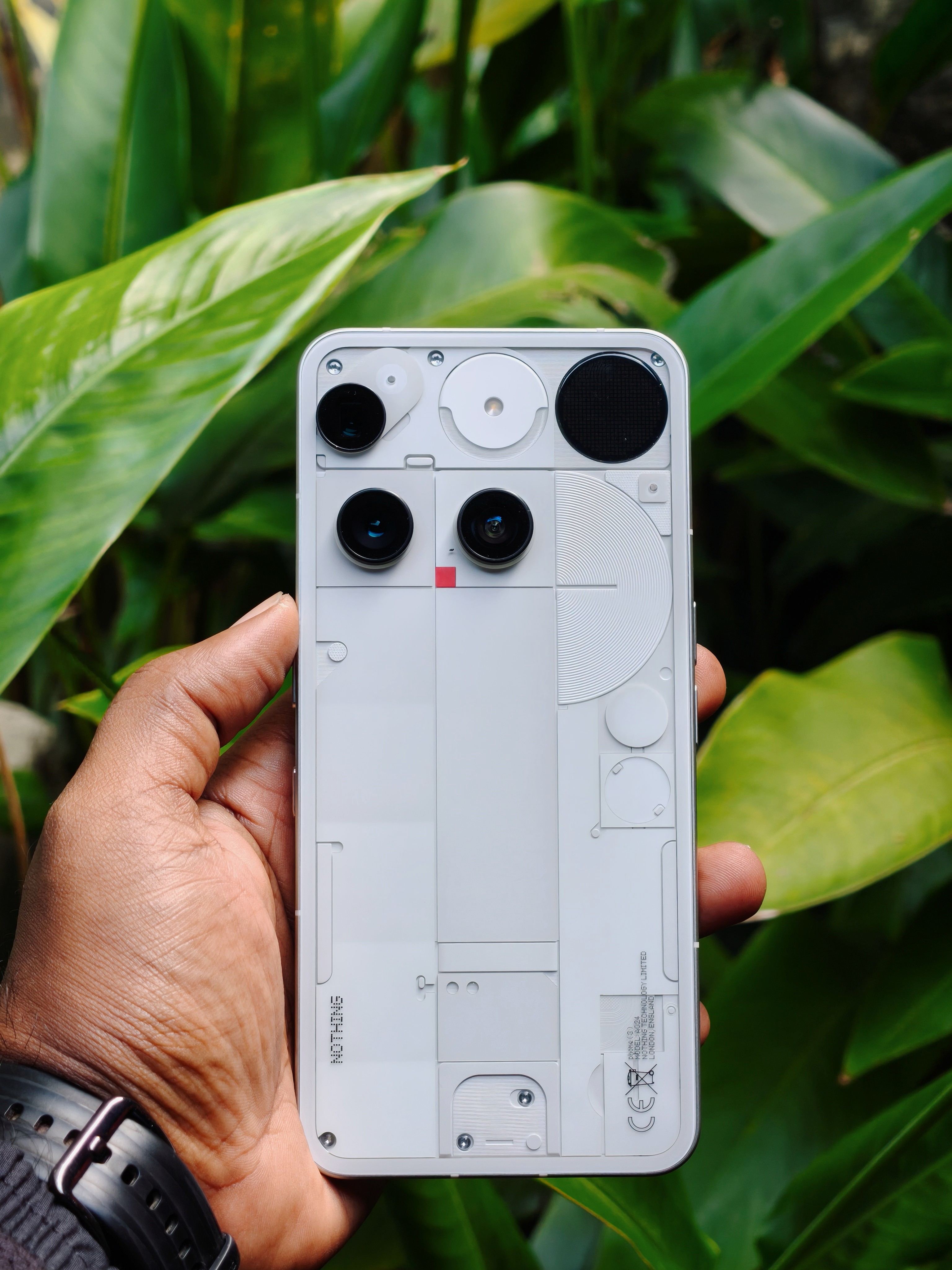
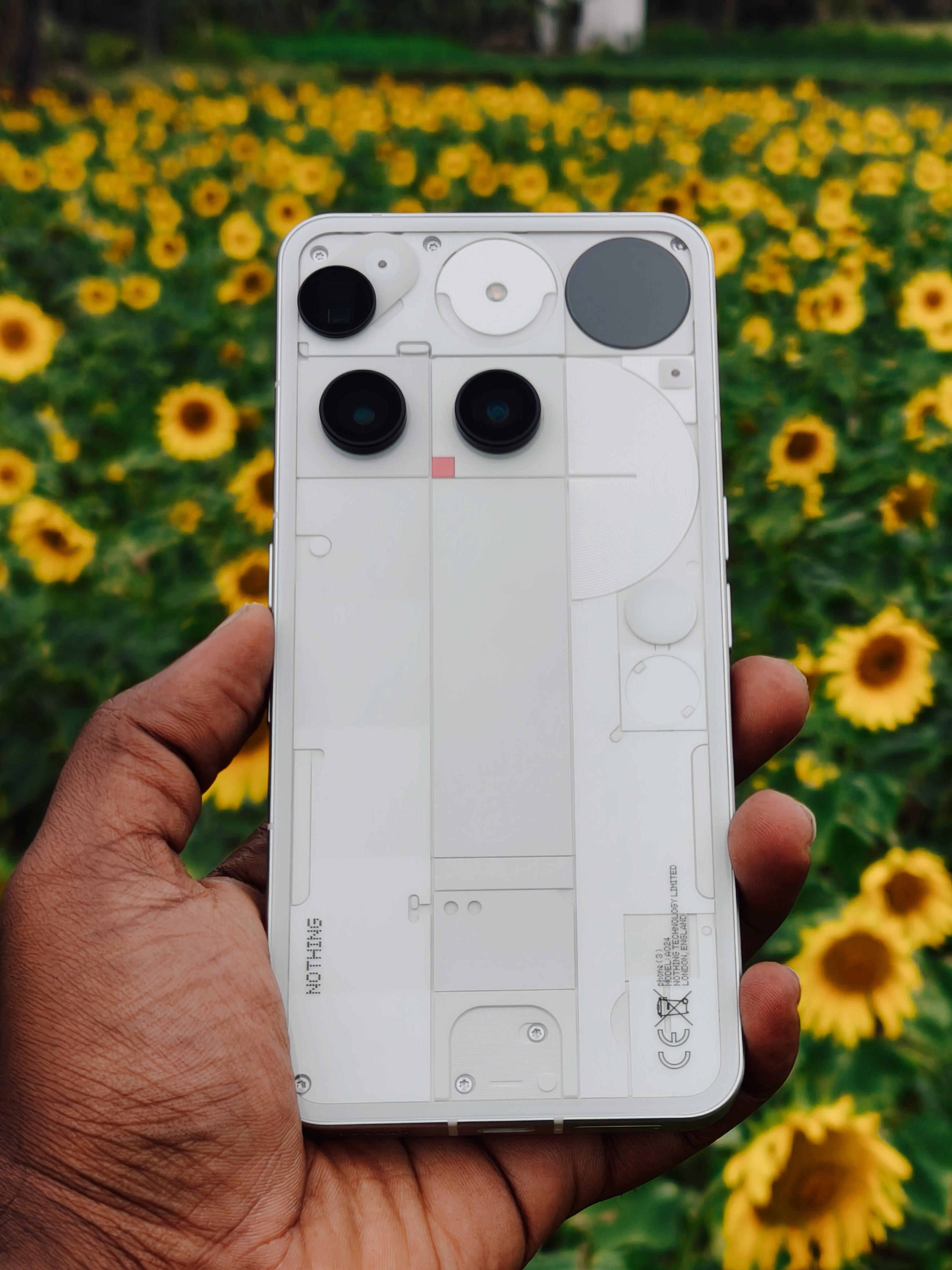
At first glance, the Nothing Phone (3) didn’t impress me. The design, with its asymmetrical camera module and transparent back, seemed gimmicky when I saw it online. But the moment I held it in my hands, my perception changed. The premium Gorilla Glass Victus back, aluminum frame, and flat edges gave it a sleek, futuristic, and surprisingly sturdy feel. The Glyph Matrix (replacing the old LED strips) was more than just a flashy gimmick—it added a layer of interactivity that I didn’t expect to appreciate as much as I did.
Over the month, I pushed this phone’s camera system to its limits—testing its main 50MP sensor, 3x periscope telephoto, ultrawide, and selfie camera in various lighting conditions. Here’s my in-depth breakdown.
Unboxing: First Impressions of a Polarizing Flagship
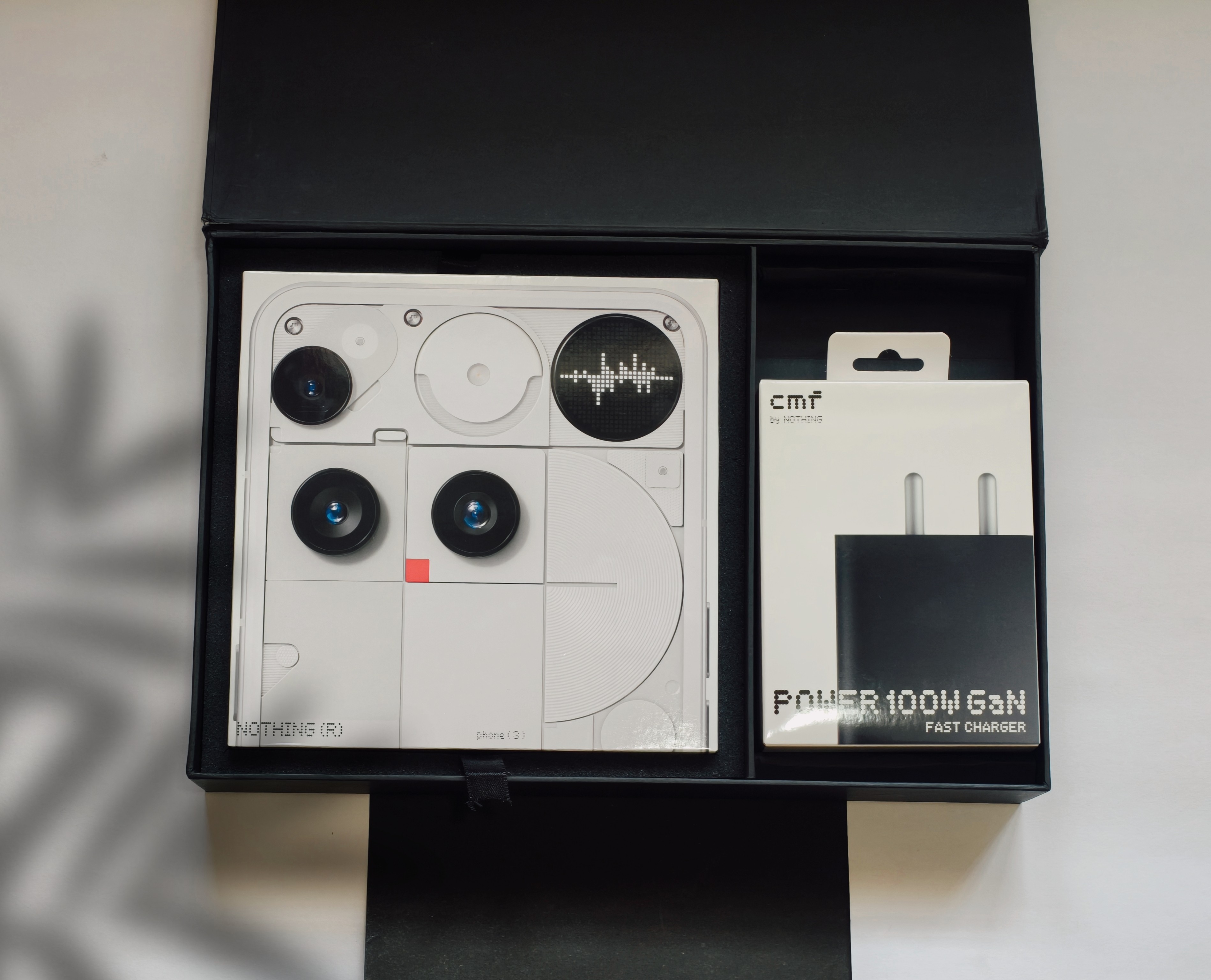
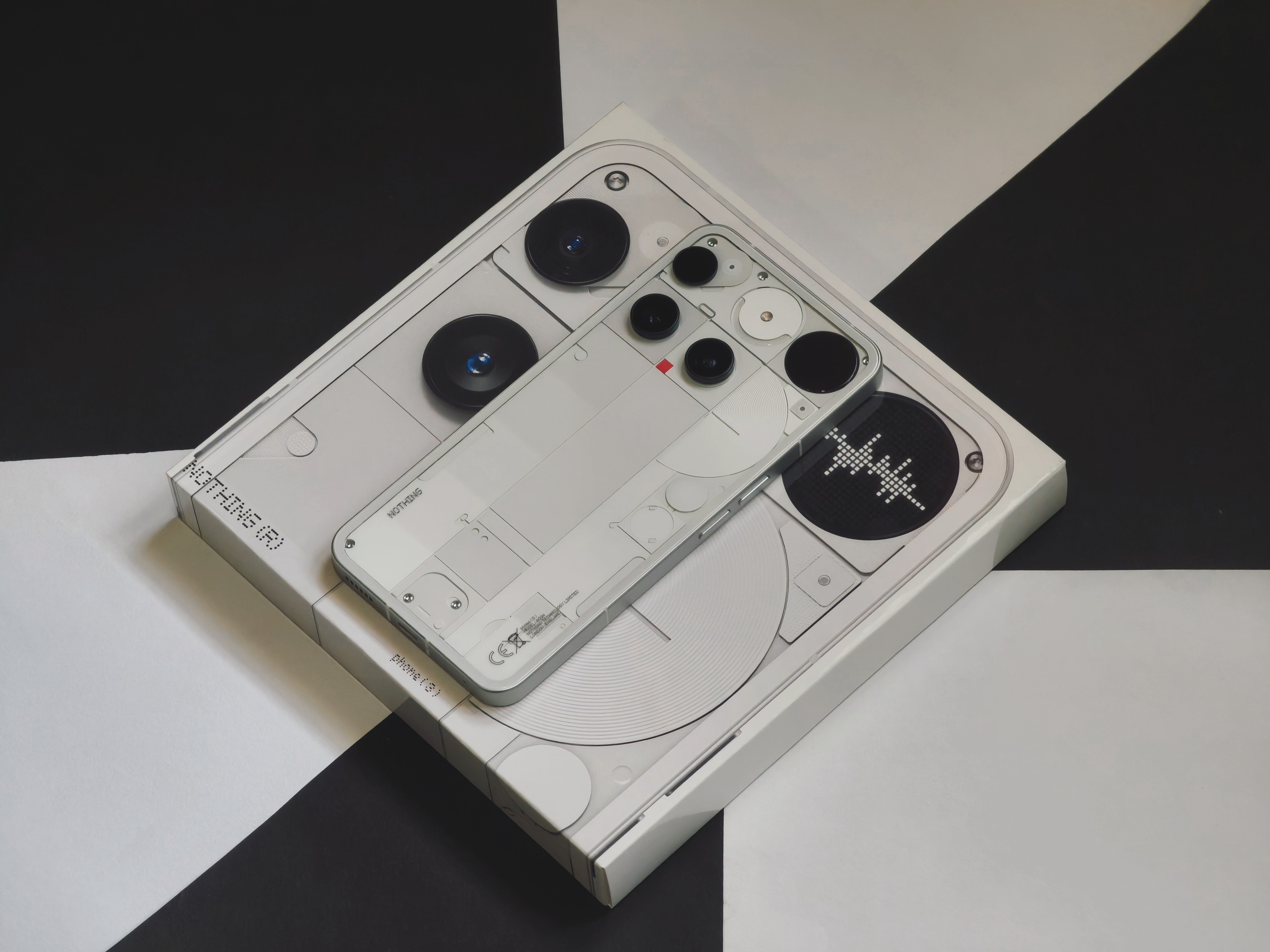
The Nothing Phone (3) arrives in a minimalist white box, echoing the brand’s signature aesthetic. Sliding off the outer sleeve reveals a rigid inner box with the phone nestled securely inside. The unboxing experience is clean but sparse—no charger, no earbuds, just the essentials:
The Phone (3) (with pre-applied screen protector)
A transparent TPU case (thick and grippy, a rare useful bundled accessory)
USB-C to USB-C cable (stylish dotted design)
SIM ejector tool & paperwork
As a part of review I got both phone and charger
url=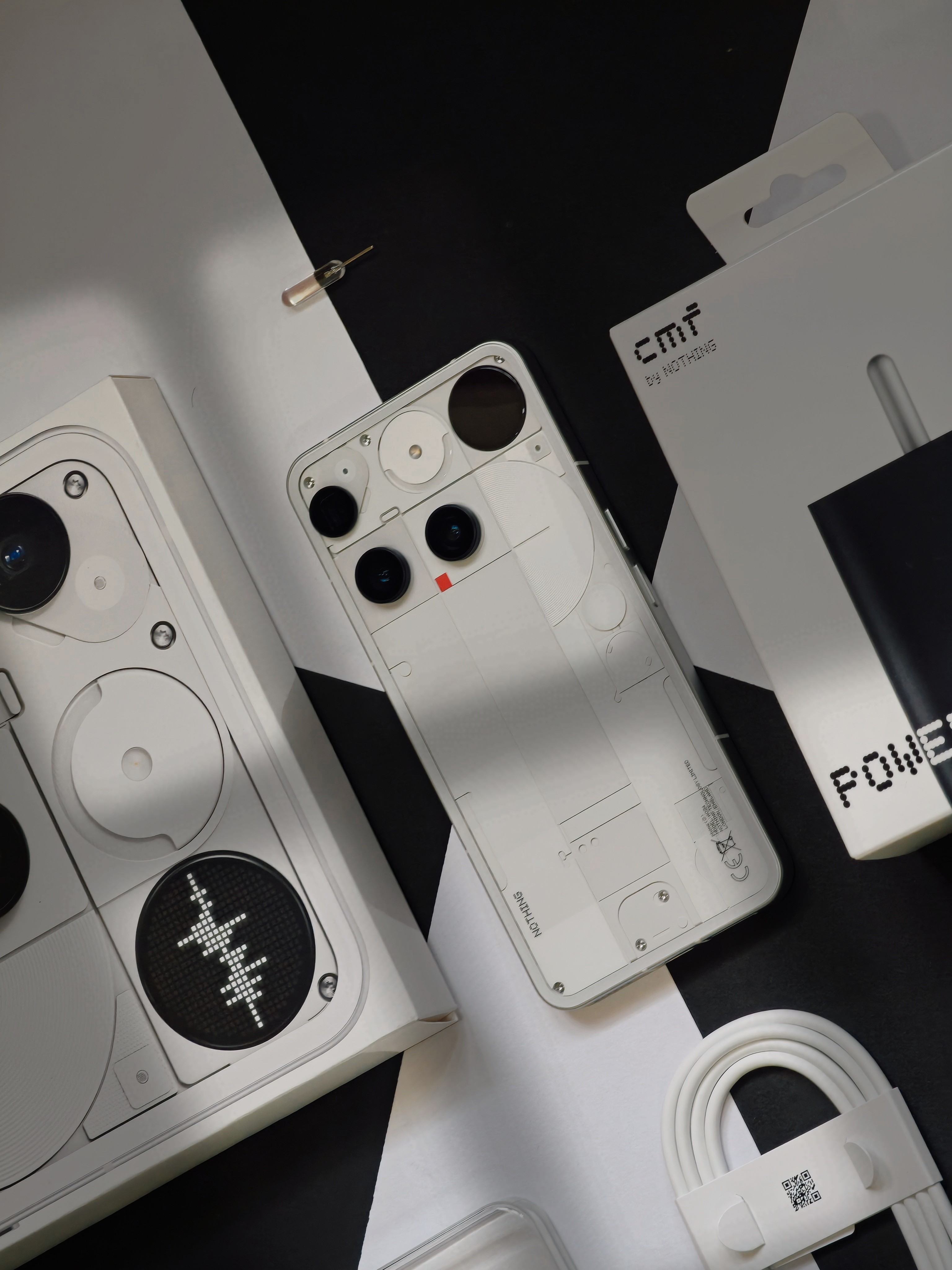
Design & Build: A Love-HateRelationship (That Leans Towards Love)
When I first saw the Nothing Phone (3) in renders, I wasn’t sold. The asymmetrical camera layout and transparent back looked chaotic. But in person, the design grew on me. The matte aluminum frame, Gorilla Glass 7i front, and Victus back give it a premium, industrial feel. The IP68 rating was a relief for outdoor shoots in unpredictable weather.

The Glyph Matrix (the new dot-matrix LED display) is more than just aesthetic. It acts as a notification light, fill light for close-ups, and even a creative tool (like a mini-game or battery indicator). While I initially thought it was just a gimmick, I found myself using it more than expected—especially as a soft light source for macro shots.
[upl-image-preview uuid=ba500766-2c47-4a6c-9f6f-1320ece08579url= alt={TEXT?}]
Premium Feel: The Gorilla Glass 7i front, Victus back, and flat aluminum frame make it feel solid and well-built. The IP68 rating was a relief for outdoor shoots in unpredictable weather.
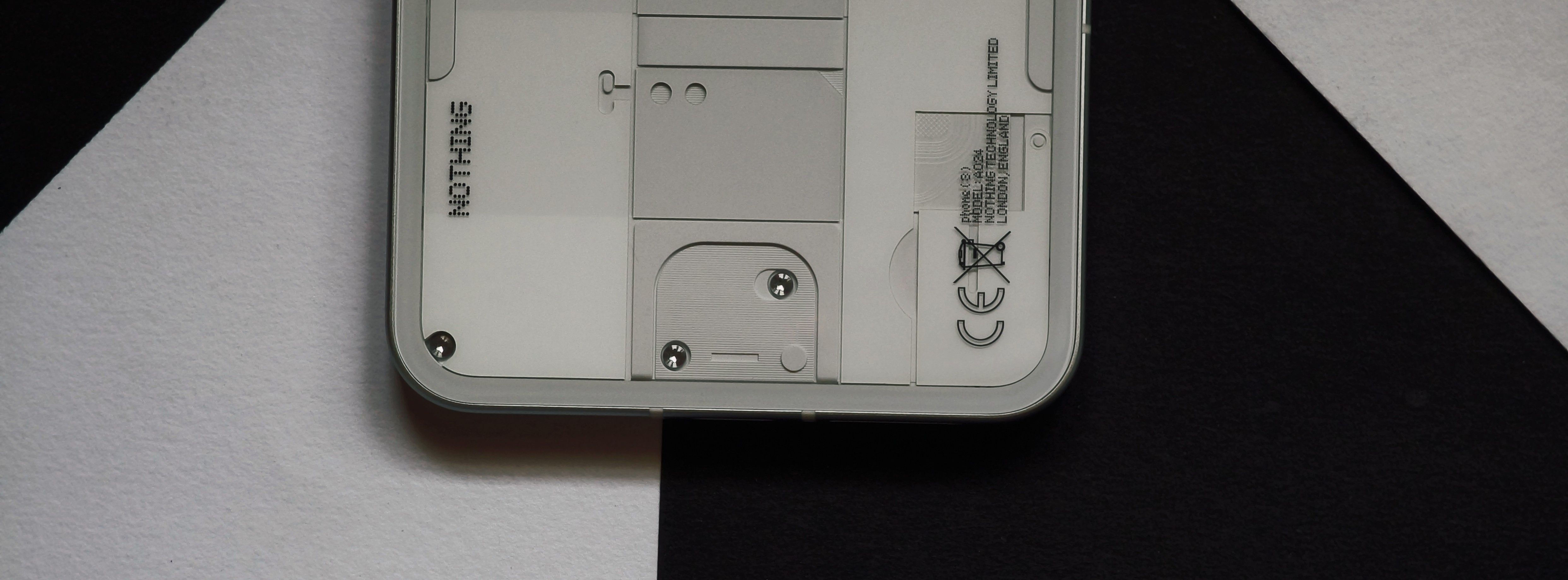
Ergonomics: At 218g, it’s not the lightest, but the weight distribution is balanced. The flat edges make it easier to grip, especially when shooting one-handed.
Glyph Matrix: More Than Just Aesthetic
Functional LED Display: The 489-LED matrix isn’t just for show. It acts as a notification light, timer, and even a creative tool (like a mini-game or battery indicator).
Photography Utility: Surprisingly useful as a soft fill light for close-up shots in low light. Not a replacement for a proper ring light, but handy in a pinch.
Display: Excellent for Photo Review, But Could Be Better

The 6.67″ OLED display is stunning for reviewing photos. The 1260×2800px resolution (460 PPI) ensures pin-sharp details, while HDR10+ support makes it great for checking highlights and shadows. The 4500-nit peak brightness is overkill in most scenarios, but it’s useful under direct sunlight.
My biggest gripe? The lack of LTPO technology. The display doesn’t drop below 60Hz, which feels like a missed opportunity for battery efficiency. The 960Hz PWM dimming helps reduce eye strain, but some users might notice flickering at low brightness.
Performance: Fast, But Throttles Under Heavy Use
The Snapdragon 8s Gen 4 is powerful—almost on par with the Snapdragon 8 Gen 3 in benchmarks. Apps open instantly, and editing RAW photos in Lightroom was smooth. The 12GB/16GB RAM options ensure multitasking is a breeze. However, the phone throttles under sustained loads. After 10+ minutes of 4K recording, it gets noticeably warm, and performance dips slightly. It’s not a dealbreaker, but videographers and heavy users might find it limiting.
Camera Performance: A Big Step Up, But Not Perfect
[upl-image-preview uuid=1476c87b-10b9-40ff-b670-32f927a4a80curl= alt={TEXT?}]
Main Camera (50MP, f/1.7, OIS) – Great, But OmniVision Holds It Back

[upl-image-preview uuid=d9b11c60-e6fa-4dff-b08c-866b150bf1bfurl= alt={TEXT?}]
Ultrawide (50MP, f/2.2) – Decent, But Unremarkable
It’s usable for landscapes, but soft edges and noise in low light keep it from being great. A wider aperture or autofocus would’ve helped.




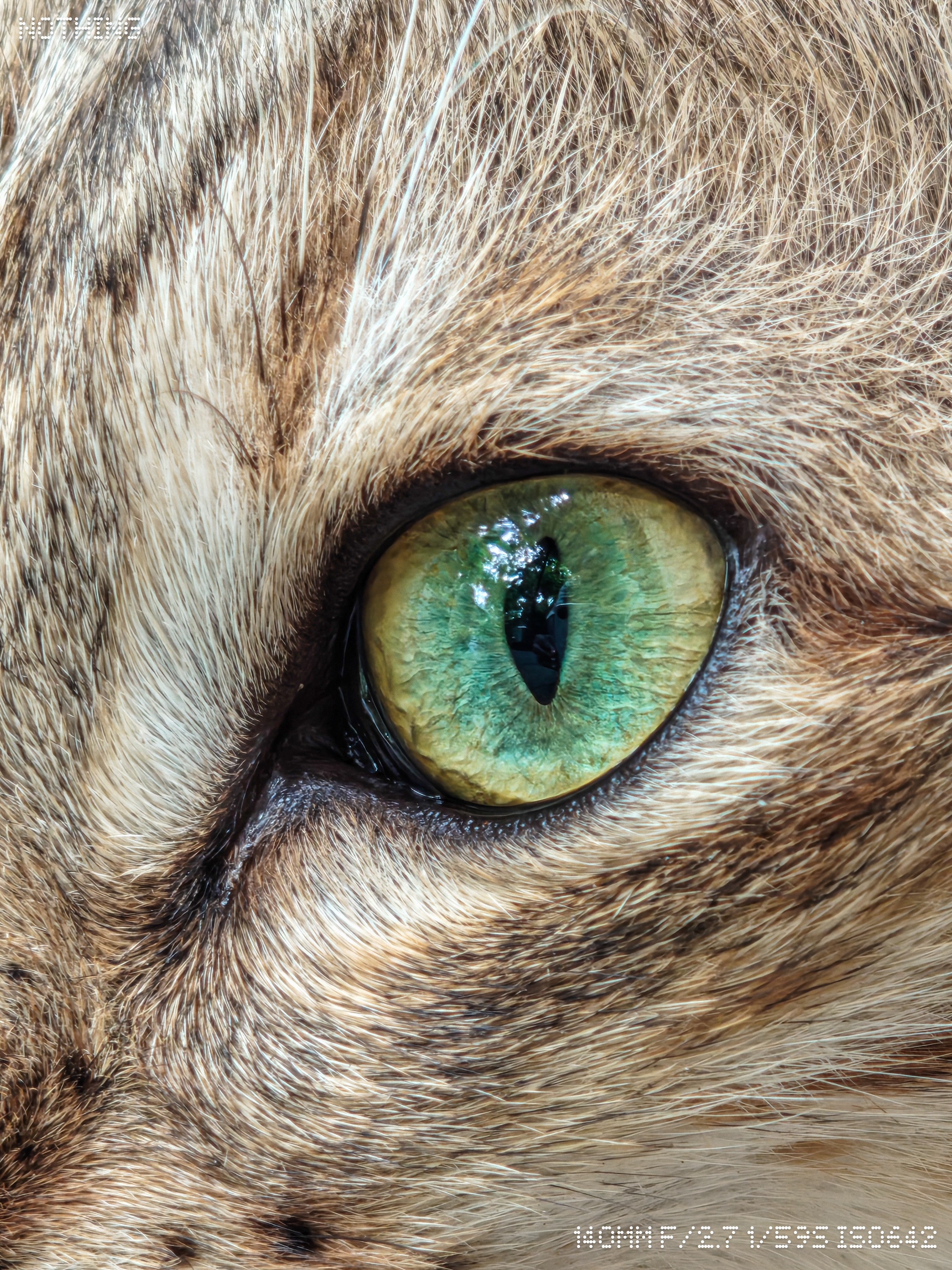
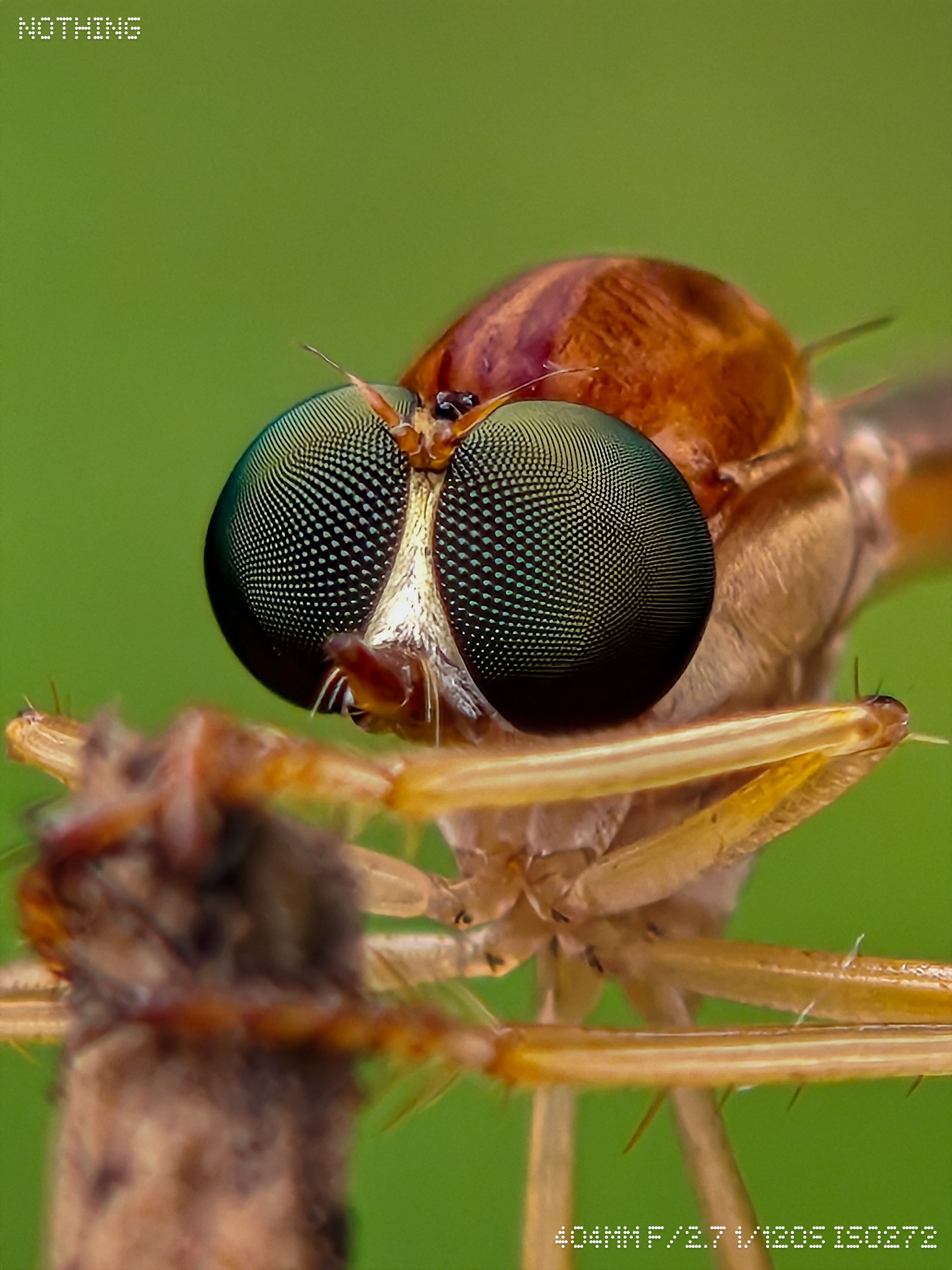
3x Periscope Telephoto (50MP, f/2.7, OIS) – The Surprise Star
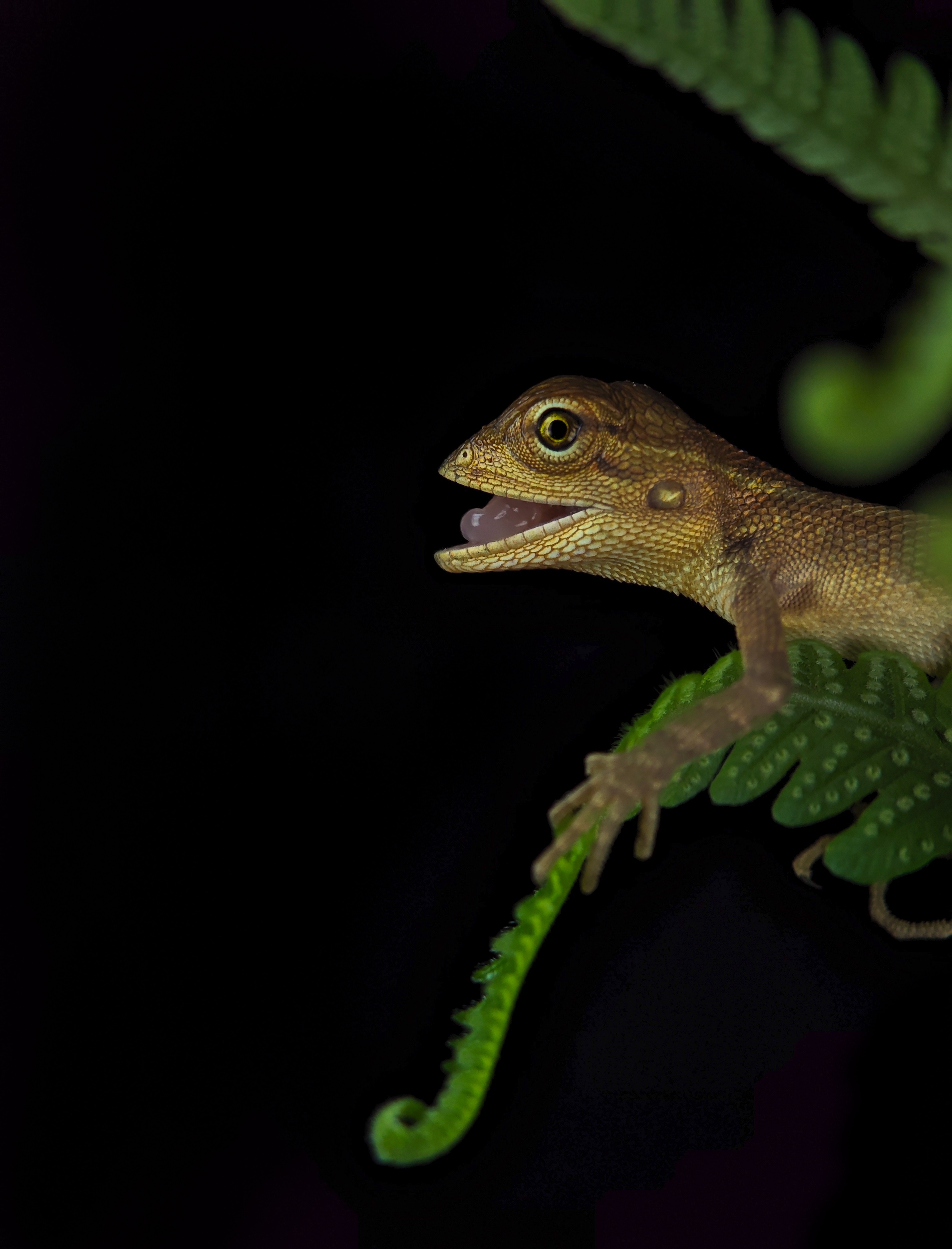
This is where the Phone (3) shines. The 3x optical zoom is crisp, and the 10cm minimum focus distance allows for incredible macro shots. It’s one of the best non-flagship telephoto cameras I’ve used.
My Favourite Part










Selfie Camera (50MP, f/2.2) – Sharp, But Fixed Focus
High resolution, but fixed focus means slight blur if you move too close. Portrait mode is decent, but not Pixel-level.
Video Performance – Solid, But Not Elite
4K@60fps is smooth, thanks to OIS + EIS, but low-light video is noisy on the ultrawide. The audio quality is good, but wind noise is an issue outdoors.
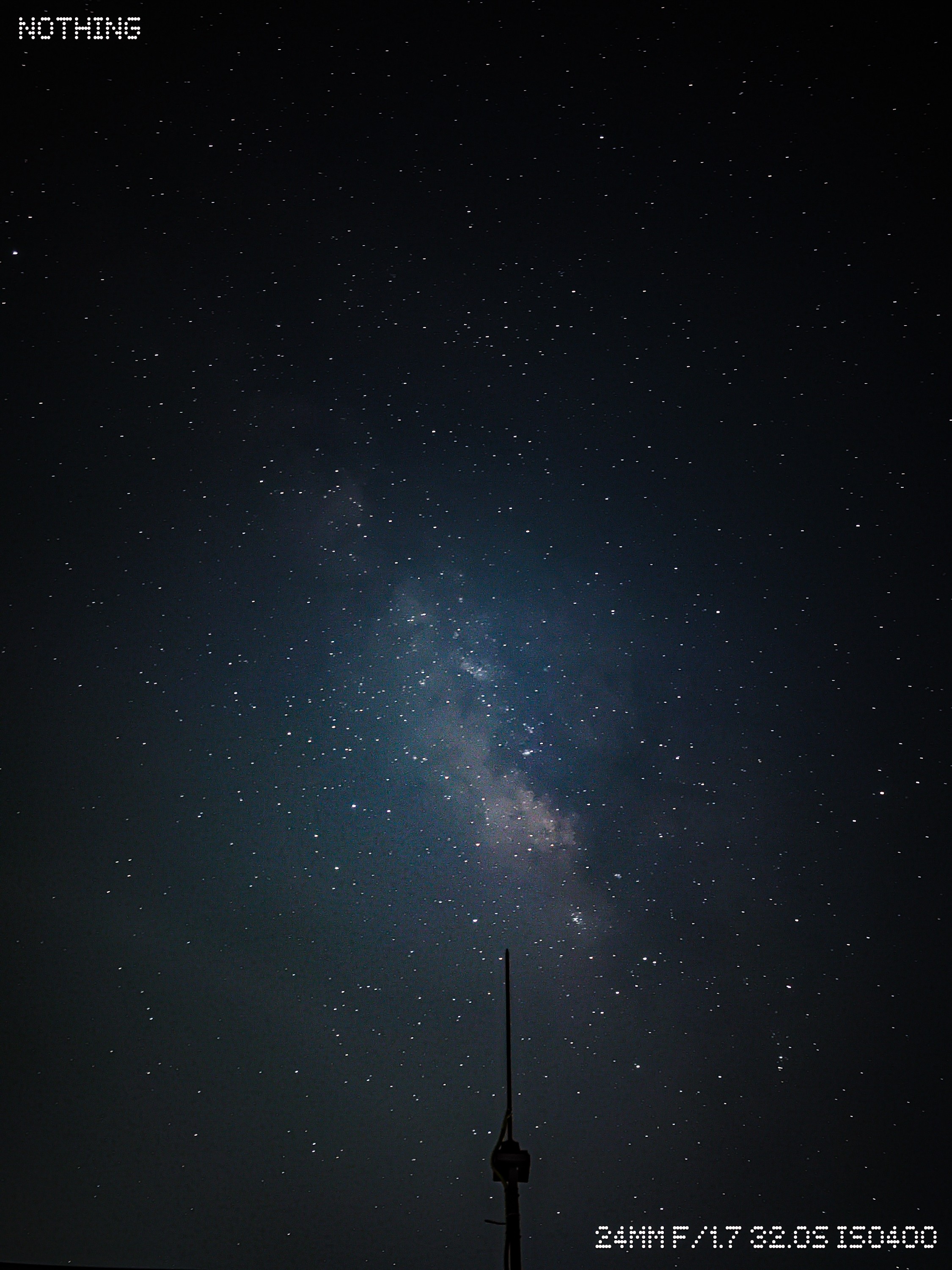
Some Favourite shots





















Battery & Charging: Just Okay
The 5,500mAh battery lasts a full day with moderate use, but heavy photography drains it faster. The 65W charging is fast (0-50% in ~25 mins), but it never hits the full 65W speed (peaks at ~40W). Wireless charging (15W) is convenient but slow.
The Nothing Phone (3) officially supports 65W Power Delivery charging with PPS, as well as Quick Charge 4. Since there is no charger in the box, we paired the Phone (3) with a known good PD charger capable of more than 65W just to be sure. The Nothing Phone (3) has a 5,150 mAh battery in the international model that we have. The India mode has a bit higher capacity at 5,500 mAh.
Pricing is the Biggest Issue
At ₹79,999 (12GB/256GB) and ₹89,999 (16GB/512GB), the Nothing Phone (3) is overpriced.
If this phone launched at ₹50K, it would’ve been an instant recommendation. At its current price, it’s hard to justify unless you really love the design and Glyph Matrix.
Final Verdict: Good, But Not a Must-Buy
Pros:
✅ Unique, premium design that stands out.
✅ Excellent Periscope & macro performance.
✅ Bright, color-accurate OLED display.
✅ Clean software with 5 years of updates.
✅ Glyph Matrix is surprisingly useful
Cons:
❌ Overpriced—should be ₹48k-55K for better value.
❌ OmniVision main sensor lacks depth.
❌ No LTPO display (stuck at 60Hz minimum).
❌ Battery life is just average.
❌ Throttles under heavy use.
Who Should Buy It?
Those who love unique designs and don’t mind paying a premium.
Mobile photographers who want good zoom & macro capabilities.
Users who prioritize software longevity.
Final Score: 7.5/10
The Nothing Phone (3) is a good phone with a standout design, but its high price and minor compromises keep it from being a true flagship killer. If it drops to ₹50K, it’d be a fantastic deal. Until then, it’s a tough sell.