For the past few years, Nothing has built its identity around bold and unconventional smartphone design. Transparent backs, flashy Glyph lights, and a strong Gen-Z aesthetic made the brand stand out in a crowded smartphone market.
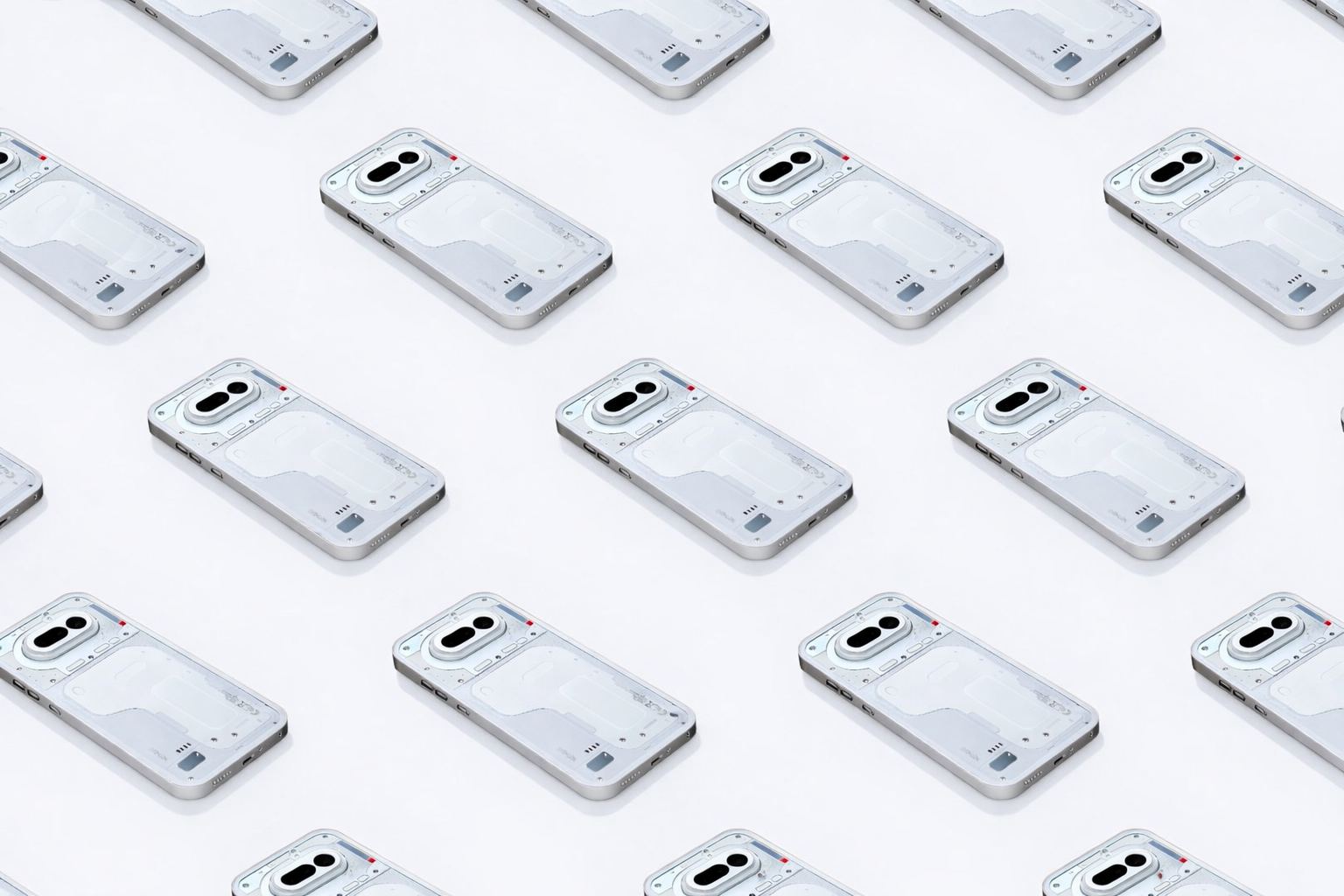
However, with the Nothing Phone (4a), the company seems to be shifting its philosophy slightly. Instead of relying purely on visual gimmicks, Nothing is now focusing more on balanced hardware upgrades, camera improvements, and refined software.
I received the White variant of the Nothing Phone (4a) as a review unit. While I personally like the Pink colour more for its vibrant personality, the white version still carries the brand’s clean and futuristic aesthetic.
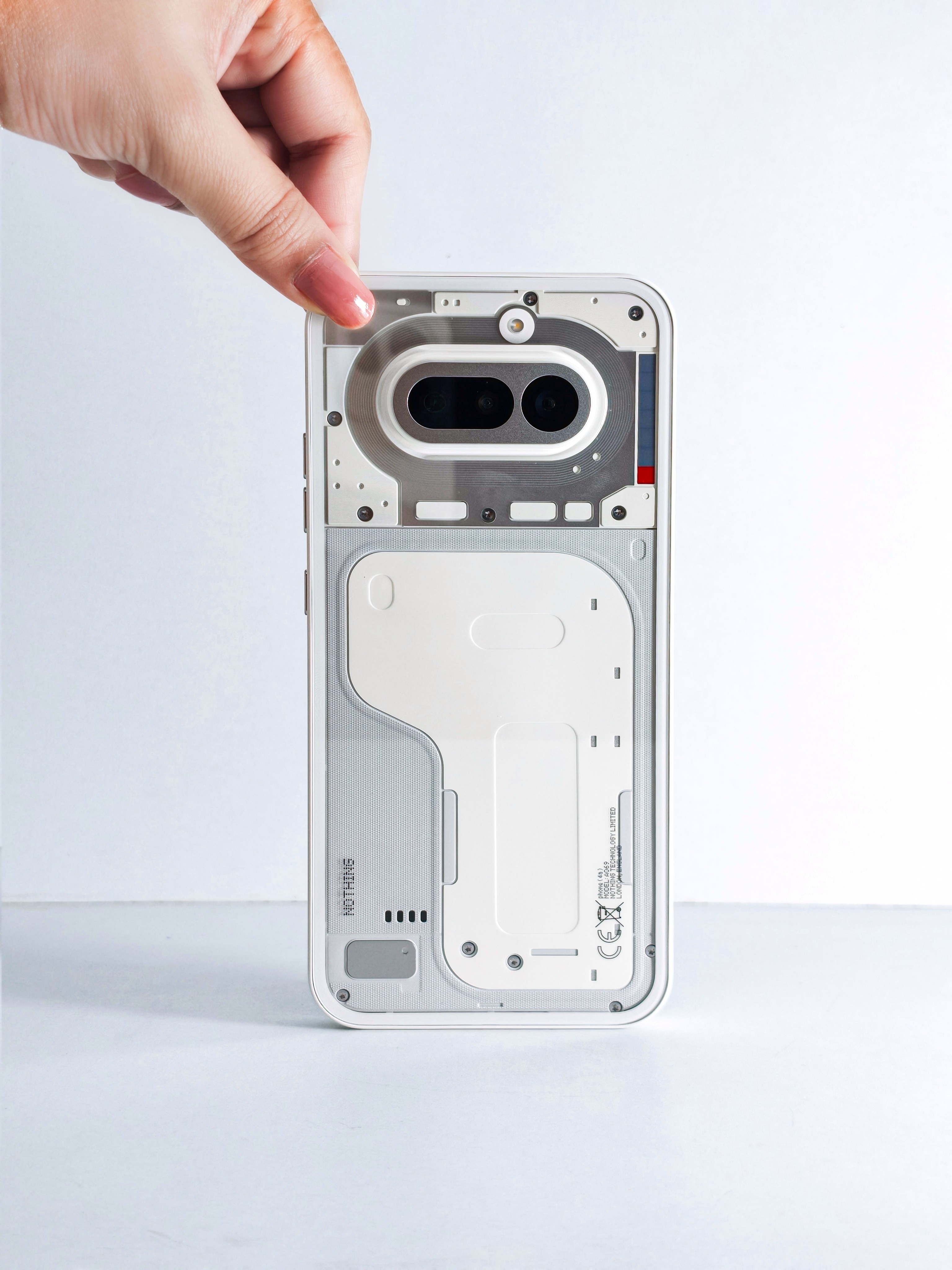
After spending some time with the device, here are my detailed first impressions of the Nothing Phone (4a).
Before we dive into the details, let’s take a look at the Unboxing.
Design & Build Quality
Design has always been a defining element of Nothing smartphones, and the Phone (4a) continues that legacy — but with a more mature and refined approach.
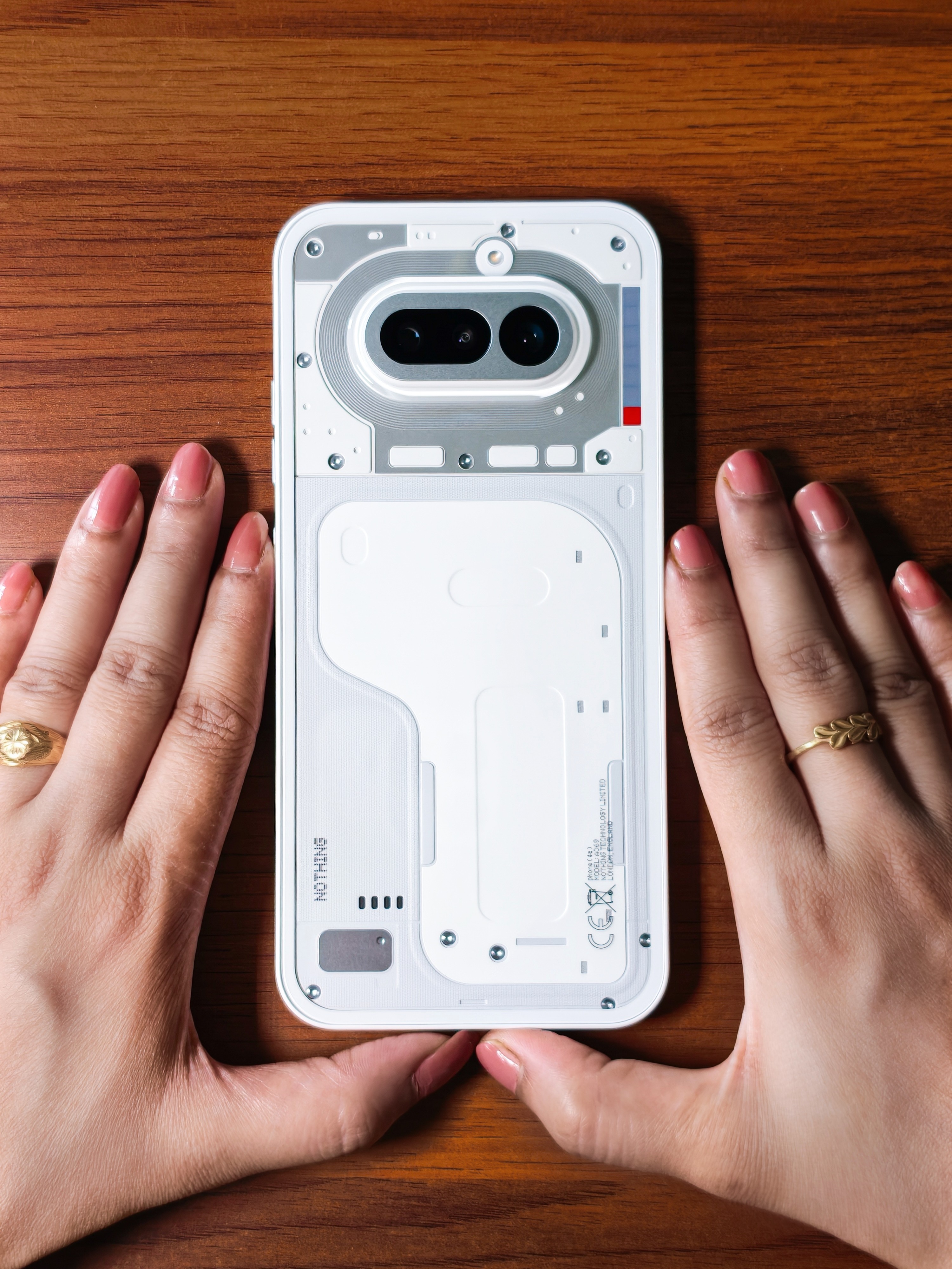
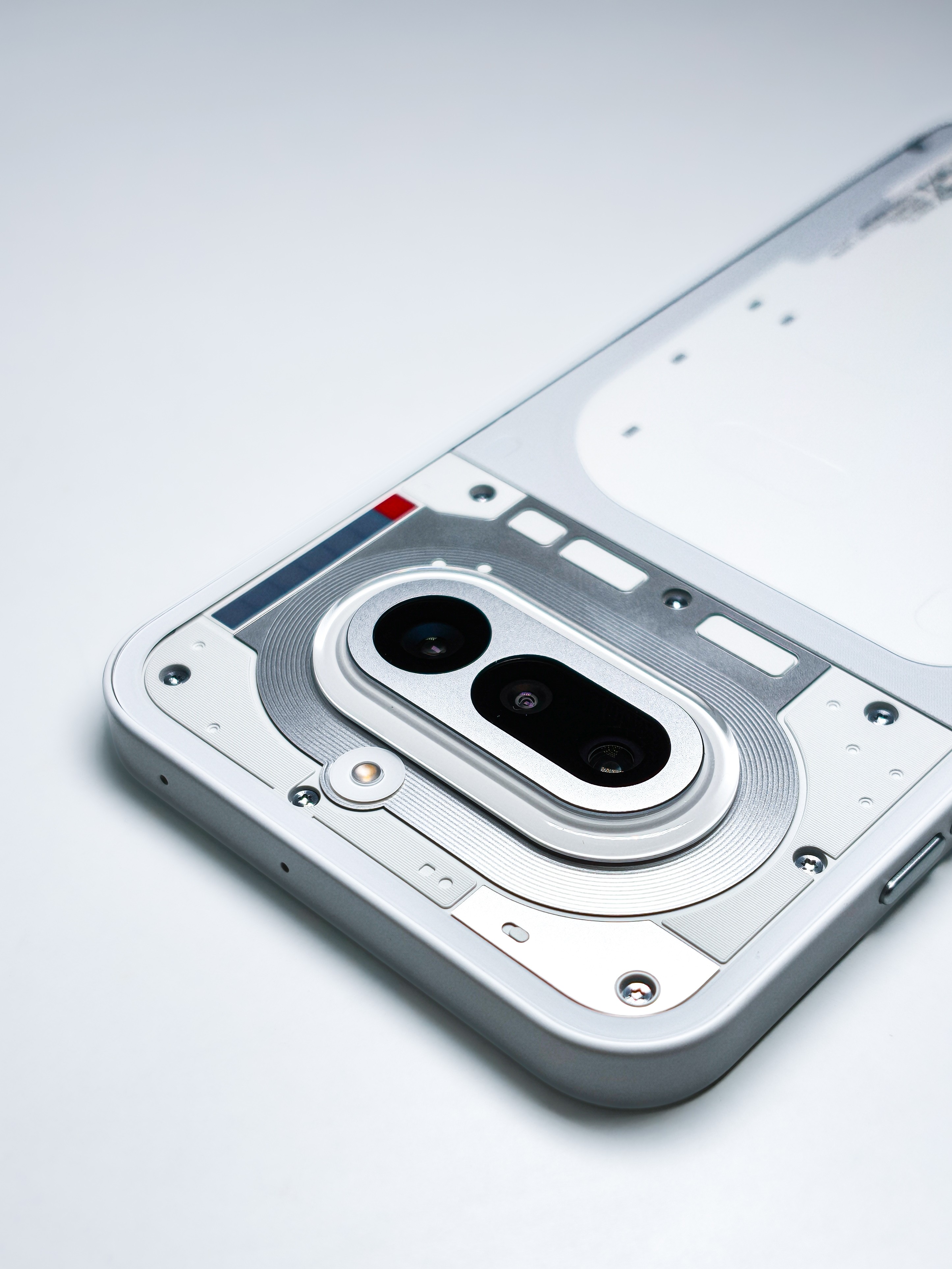
One of the biggest changes this year is the removal of the traditional Glyph lighting system around the camera module. Instead, Nothing introduces a new Glyph Bar.
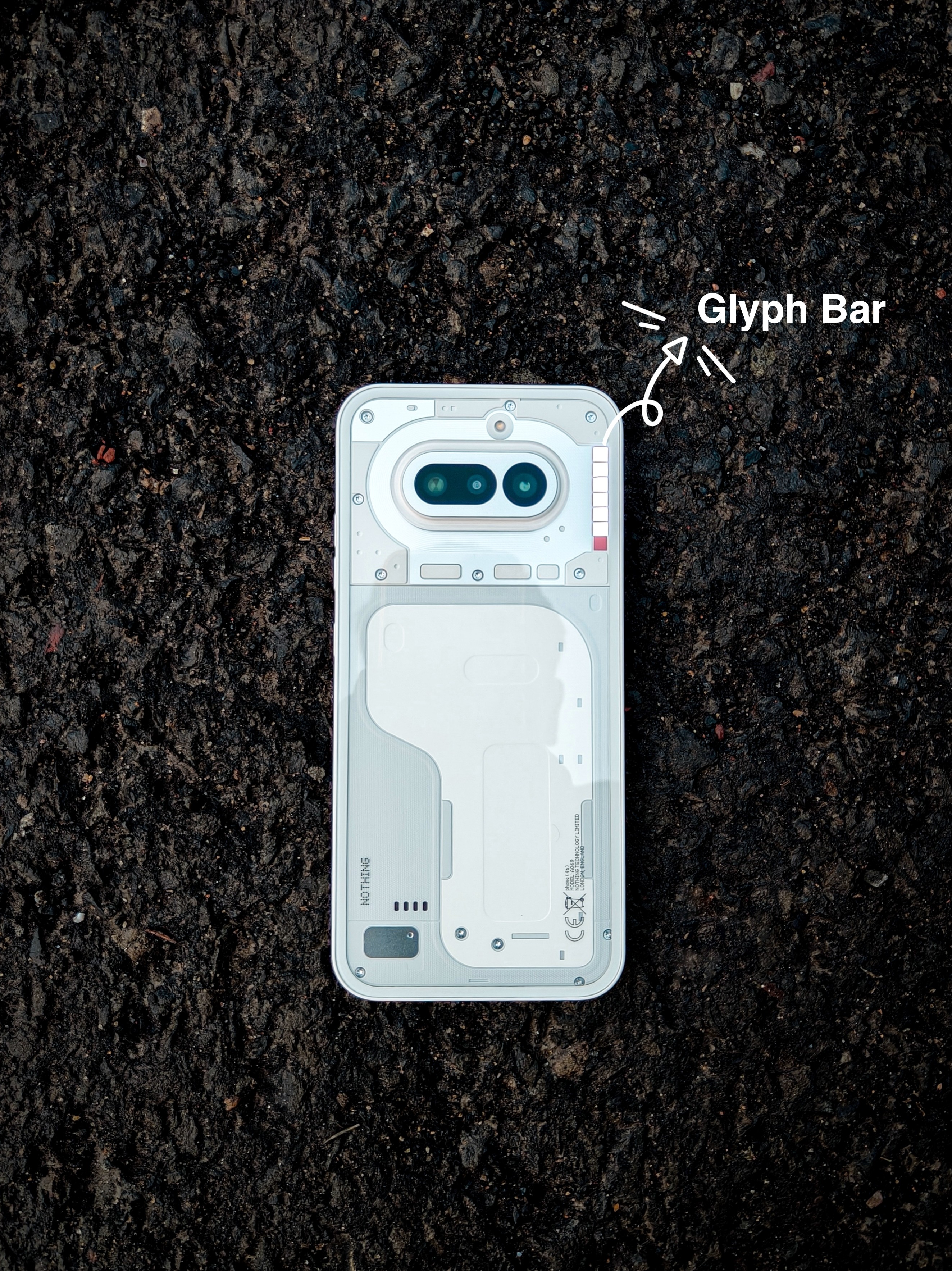
Glyph Bar — A New Design Language
- The new Glyph Bar consists of:
- 63 mini LEDs
- Arranged across 7 mini squares
- Used for calls, notifications, and alerts
When the phone receives an important notification, the Glyph Bar lights up to alert the user.
Essential Notifications
Nothing also introduces an intelligent notification system.
- Important apps like WhatsApp, Instagram, or work apps keep the Glyph Bar glowing until the notification is checked.
- Less important notifications simply blink once and disappear.
A small red square indicator also lights up when recording video, which adds a nice visual cue.
Glyph Bar also supports generative ringtones functionality, along with Glyph Timer, Volume Indicator, Live Notifications, Glyph Torch, Camera Countdown, Flip to Record, Flip to Glyph, and Glyph Progress.
Overall, the design feels more subtle and mature compared to previous generations. Earlier Nothing phones were extremely eye-catching and loud in terms of design. The Phone (4a), however, maintains its uniqueness without being overly flashy.
Build Quality
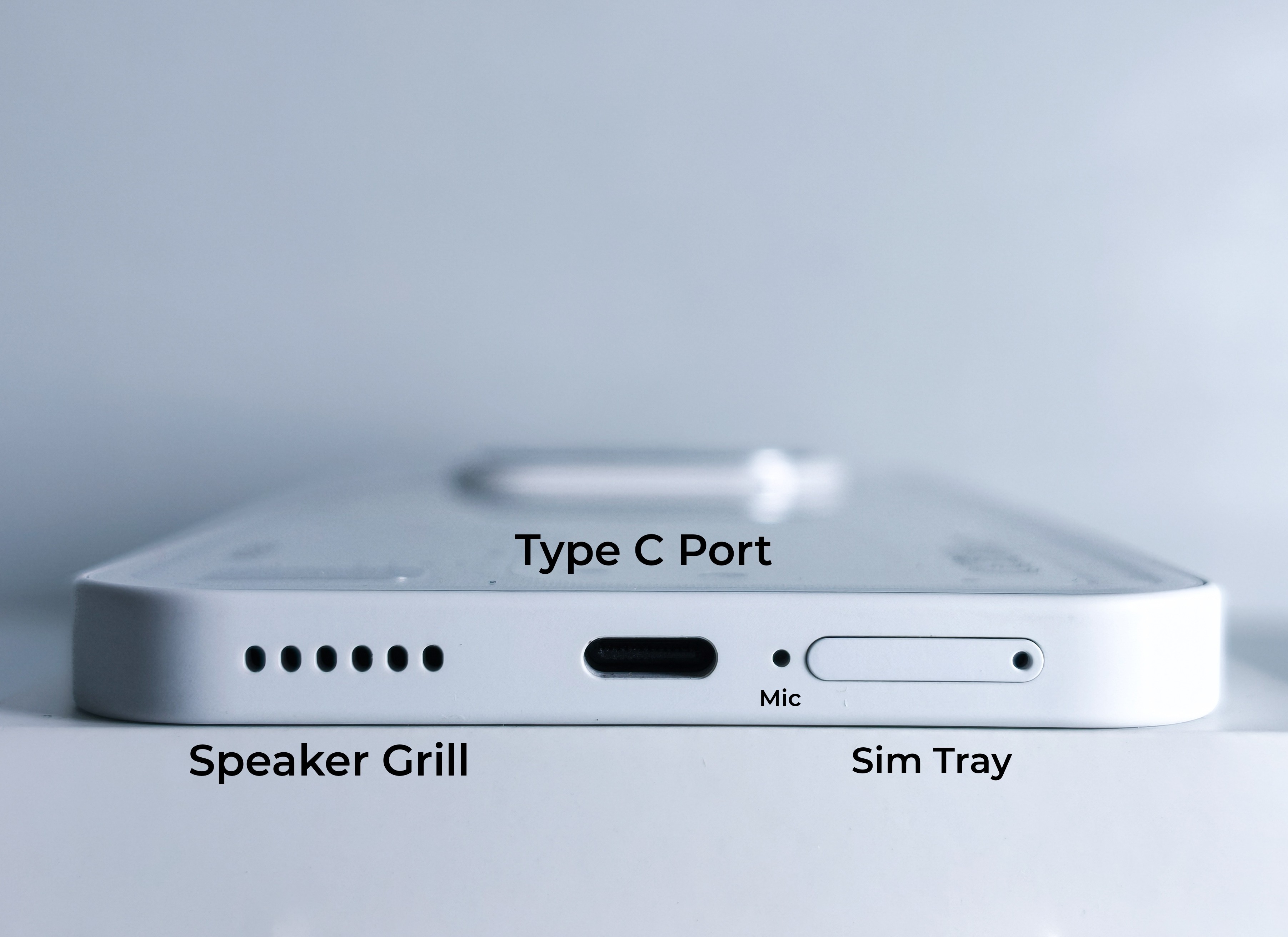
- Glass back panel
- Polycarbonate side frame
- Weight: 203g
- IP64 rating for dust and splash resistance
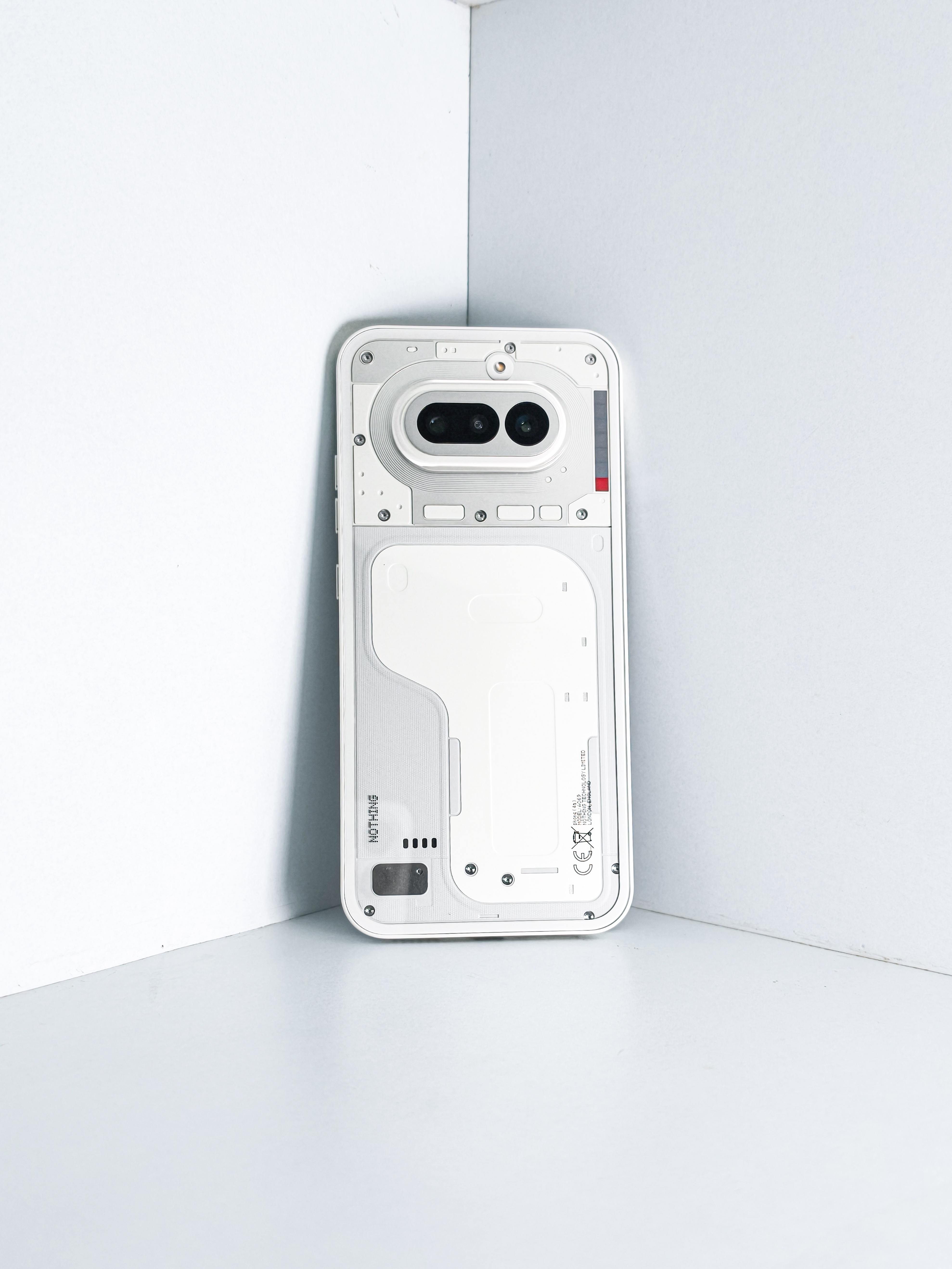
The phone feels well balanced in hand despite its large display. The glass back does attract fingerprints, but Nothing includes a TPU protective case in the box, which is a useful addition.
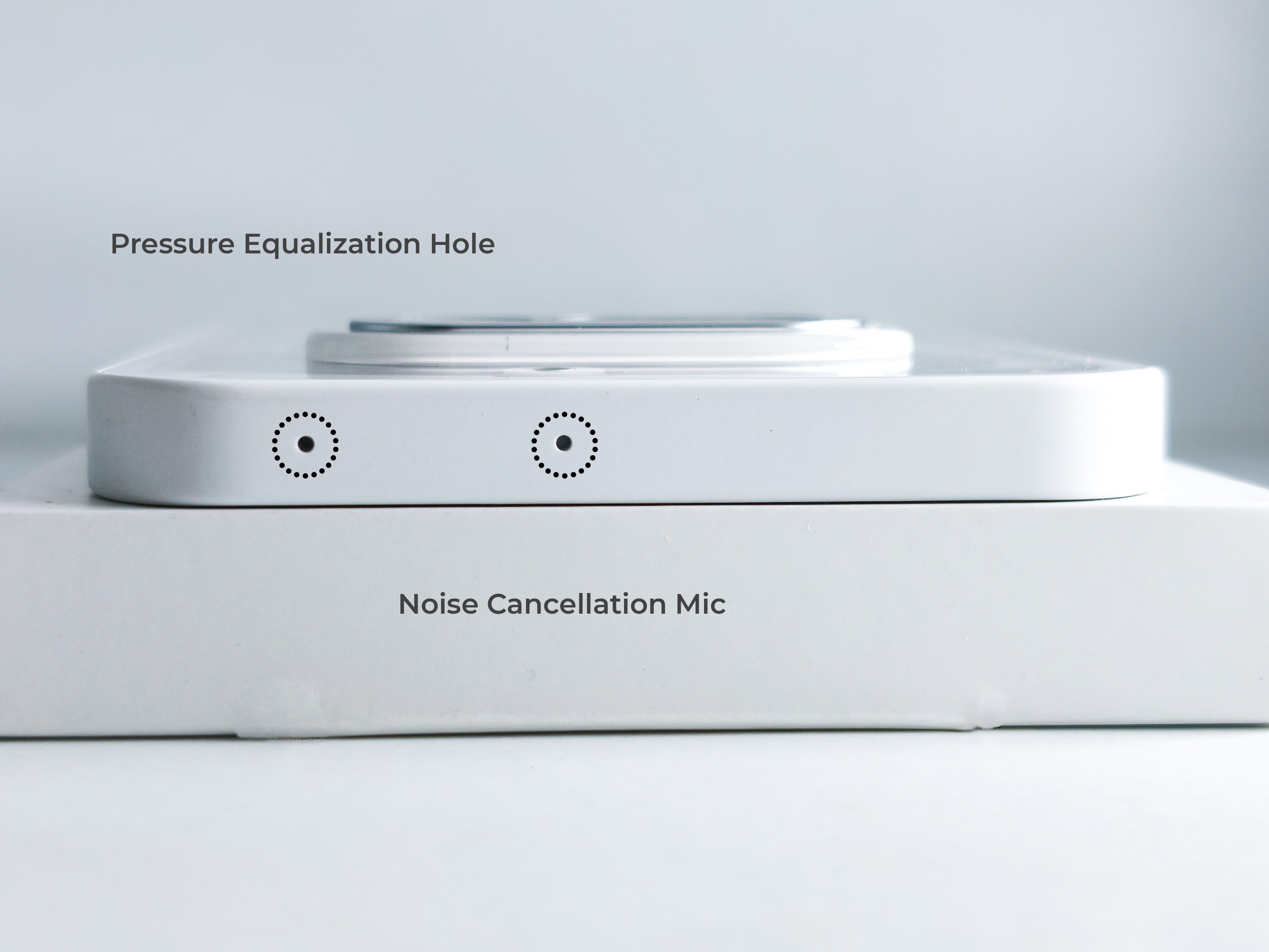
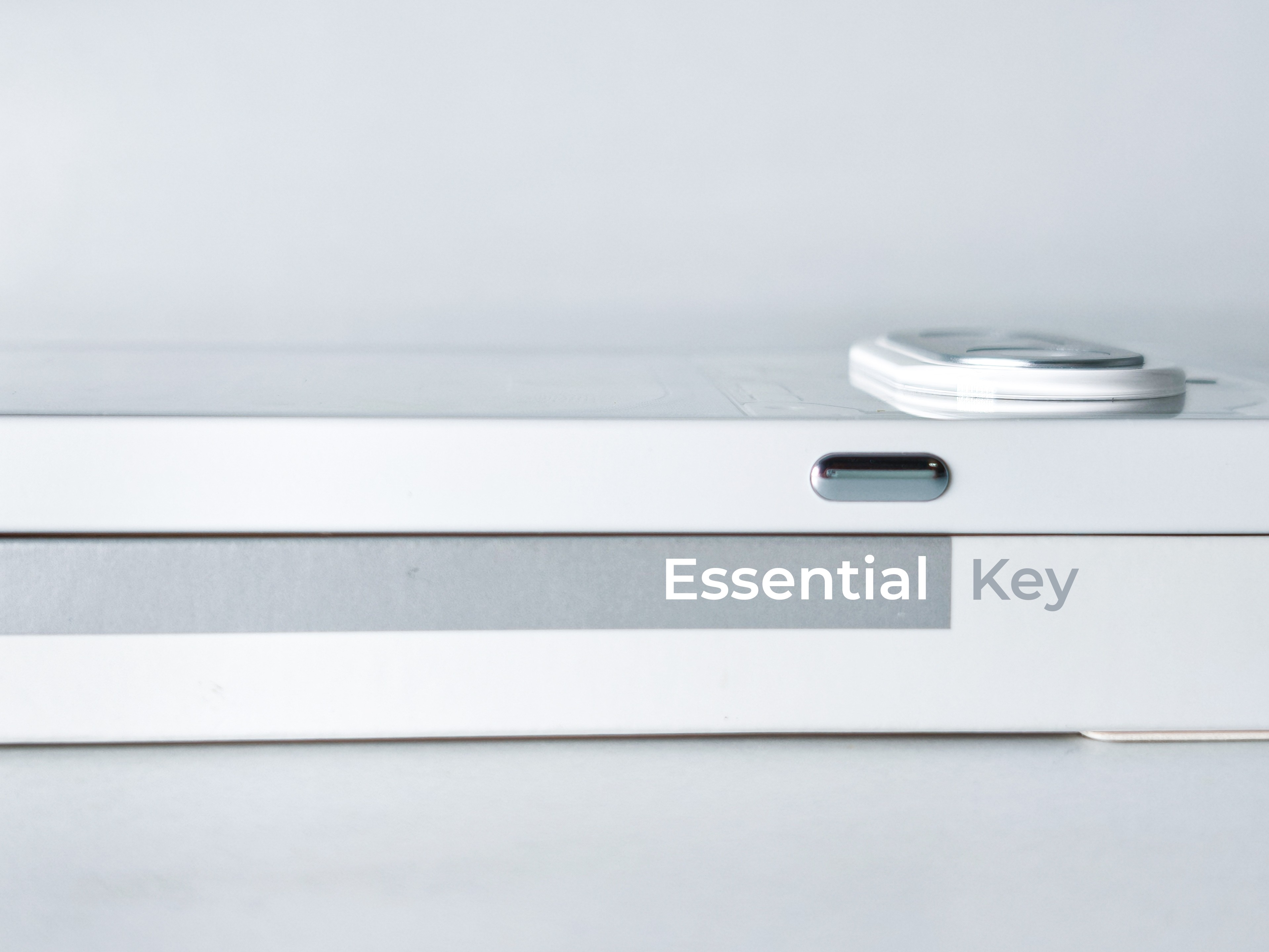
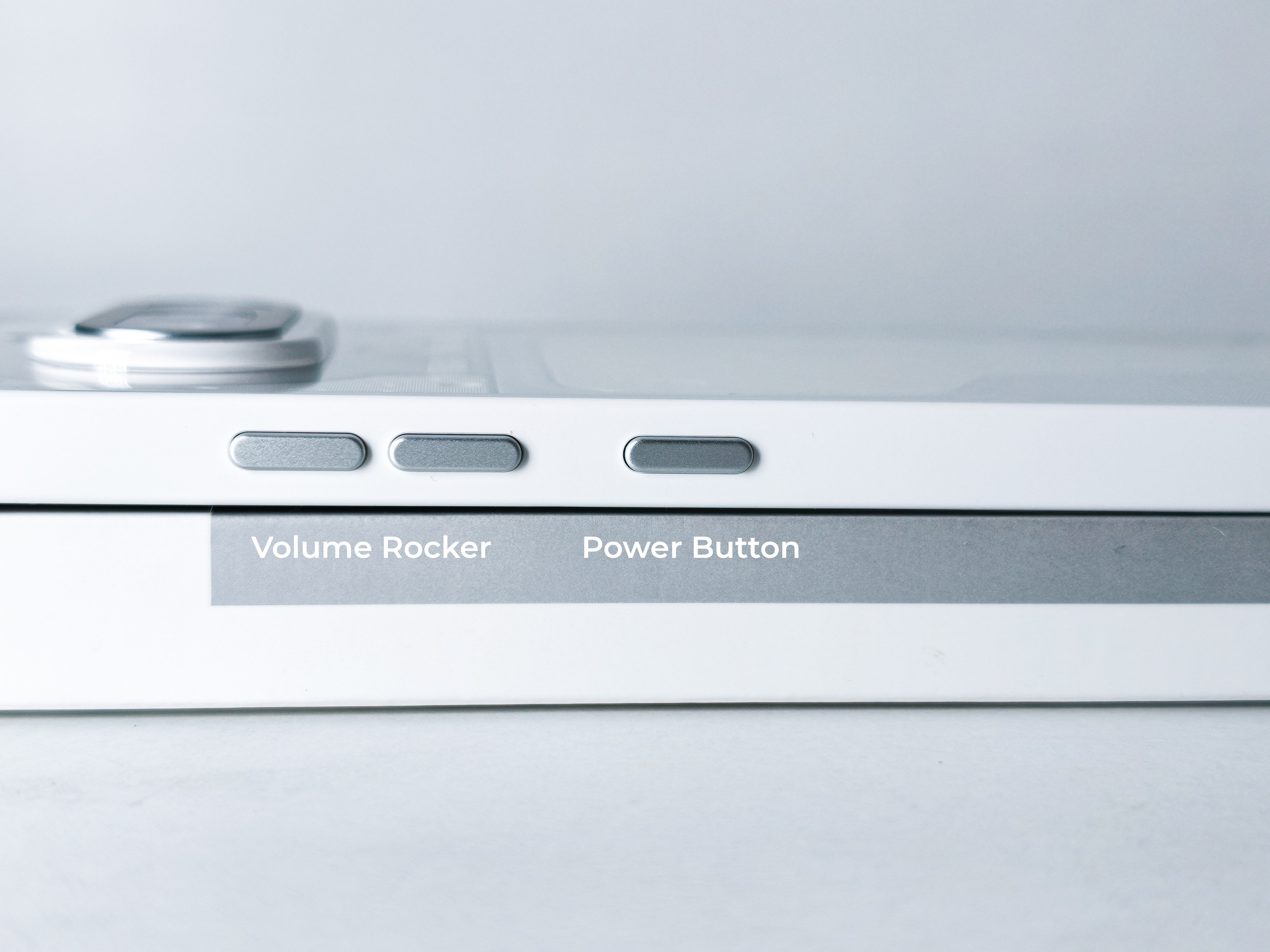
Display
The display on the Nothing Phone (4a) receives a notable upgrade compared to the previous generation.
Display Specifications
- 6.78-inch LTPS AMOLED display
- 1.5K resolution
- 120Hz refresh rate
- 4,500 nits of peak brightness
- 2,500Hz touch sampling rate in gaming mode
- Corning Gorilla Glass 7i protection
The jump from Full HD+ to 1.5K resolution results in slightly sharper visuals. Watching content, browsing photos, or scrolling through social media feels extremely smooth thanks to the 120Hz refresh rate.
In real usage, the display performs well both indoors and outdoors. Colors appear vibrant, blacks are deep, and overall sharpness is impressive.
Performance & Hardware
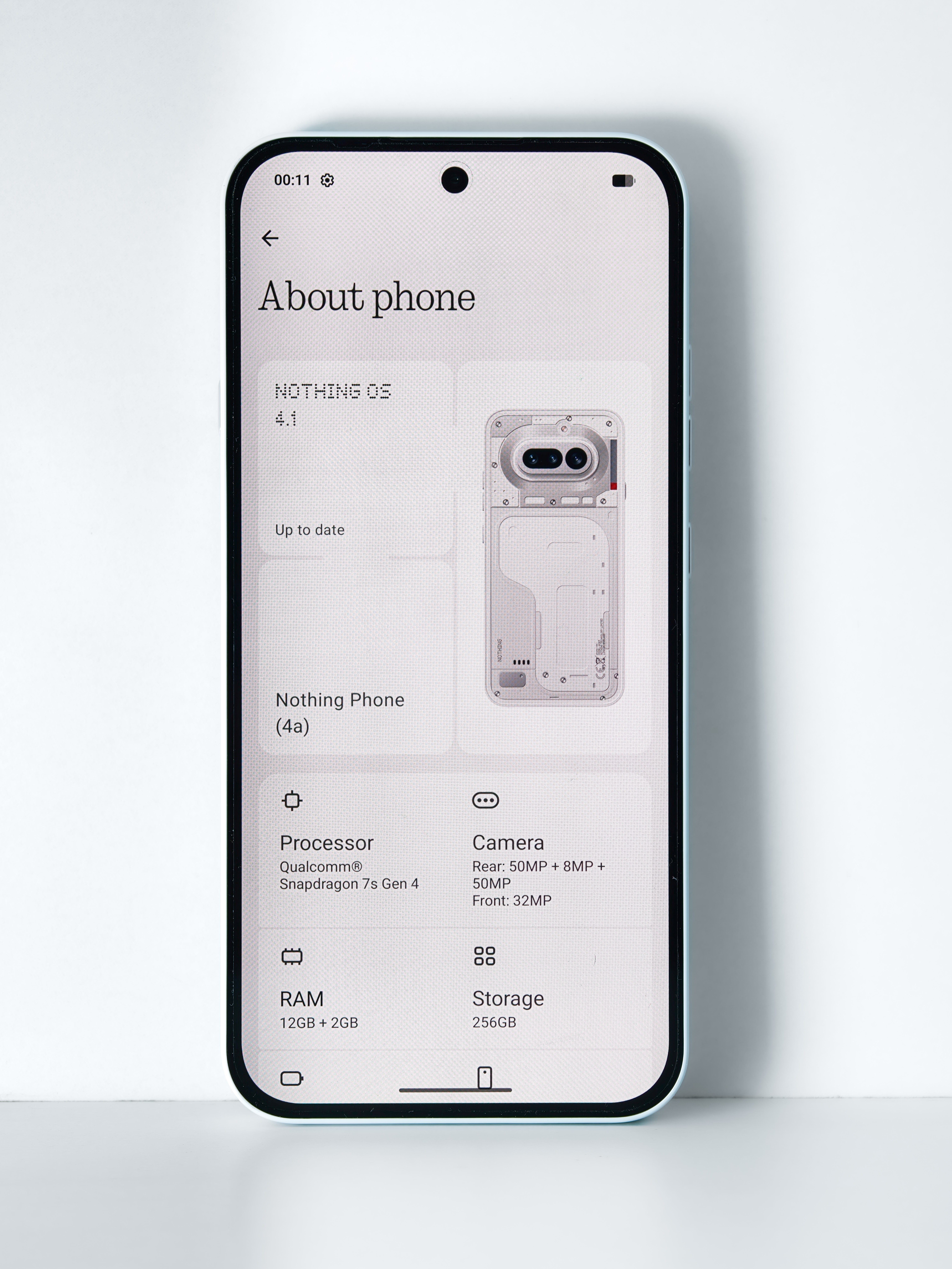
The Nothing Phone (4a) is powered by the Qualcomm Snapdragon 7s Gen 4 processor, paired with up to 12GB RAM and UFS 3.1 storage.
Performance Specifications
Snapdragon 7s Gen 4 processor
- 8GB / 12GB RAM
- 128GB / 256GB storage
- UFS 3.1 storage technology
The upgrade to UFS 3.1 storage improves data transfer speed and overall responsiveness.
Real-World Performance
During daily usage:
- App switching feels smooth
- Multitasking works efficiently
- No major lag or stutters
Even heavy multitasking — such as video calls, split-screen YouTube, and note-taking apps running simultaneously — is handled smoothly.
Software Experience — Nothing OS 4.1
One of the strongest aspects of Nothing smartphones is the software experience.
The Phone (4a) runs Nothing OS 4.1 based on Android 16.
Key Software Highlights
- Clean and minimal interface
- Dot-matrix style design
- Monochrome icon pack
- Smooth animations
- No unnecessary bloatware
I’ll discuss more features on full review.
Software Support
- 3 years of Android updates
- 6 years of security updates
Camera System
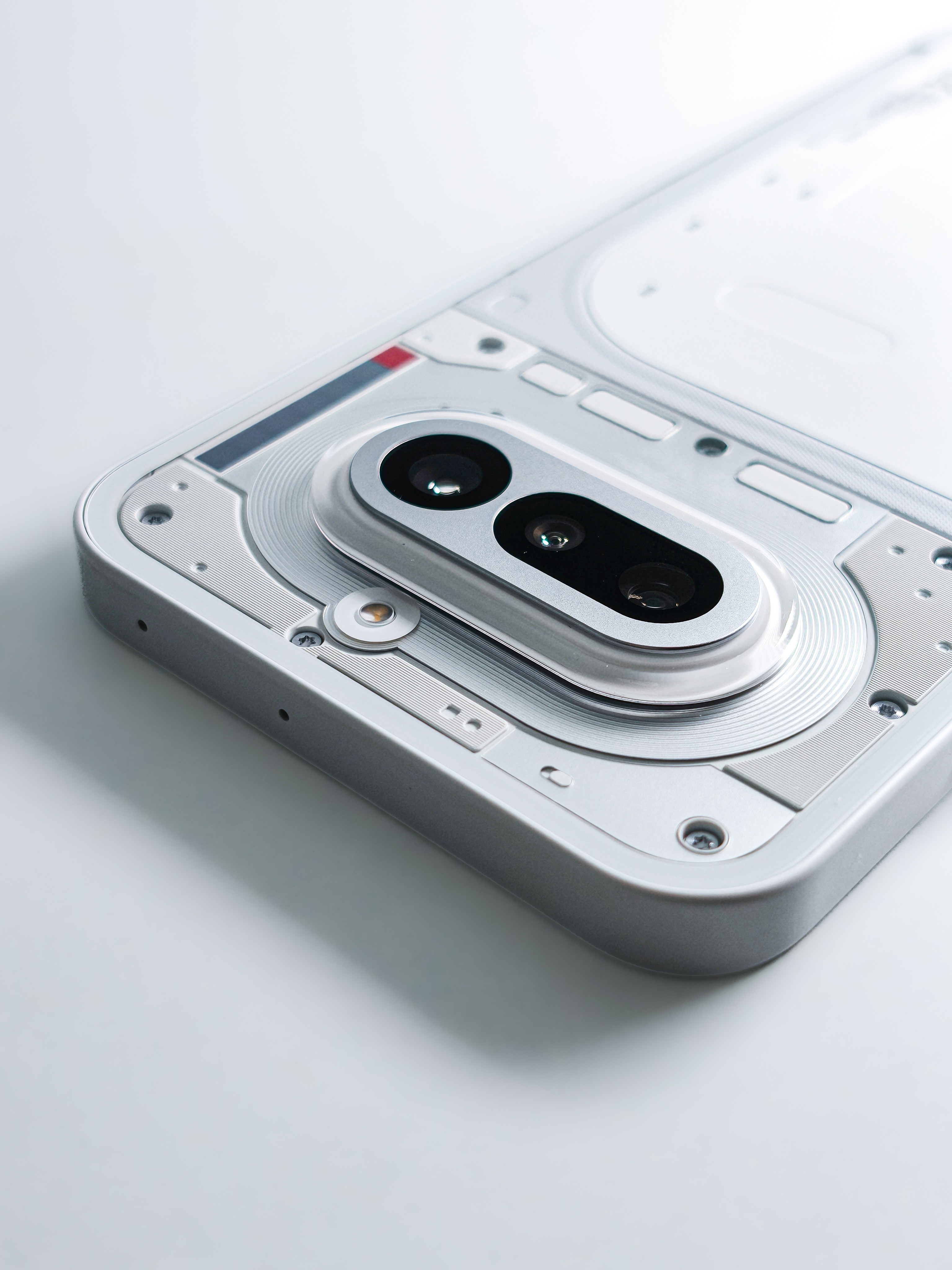
The camera system is arguably the biggest upgrade in the Nothing Phone (4a).
Rear Camera Setup
- 50MP f/1.88 Samsung GN9 1/1.57″ Primary Camera (OIS)
- 50MP f/2.88 Samsung JN5 ½.75″ Periscope Telephoto Camera (OIS)
- 8MP f/2.2 Sony IMX355 120⁰ fov Ultra-Wide Camera
Front Camera
32MP f/2.2 Samsung KD1 ⅓.42 89⁰ fov Selfie Camera
Periscope Telephoto Camera
The introduction of a periscope lens with 3.5x optical zoom is a major improvement.
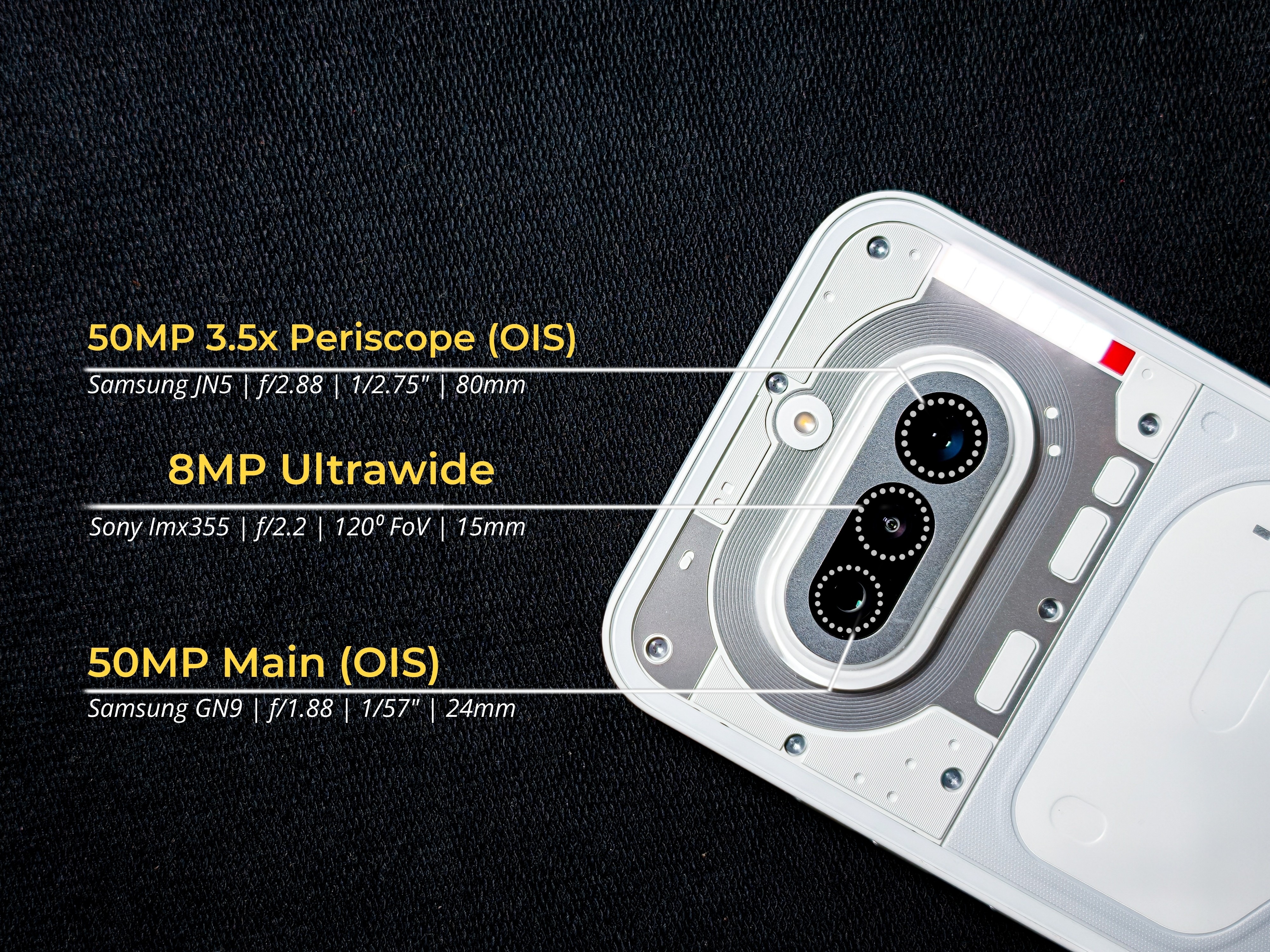
Because of the folded lens design, the camera can achieve a longer focal length without making the phone bulky.
Camera Performance — First Impression
From initial testing:
Main Camera
- Good detail levels
- Natural skin tones
- Balanced HDR
- Accurate color reproduction
Periscope Camera
The zoom camera is extremely impressive.
- 3.5x photos are very sharp
- 7x zoom still retains good detail
- Even 30x zoom remains usable
This makes the phone excellent for street photography, architecture shots, and distant subjects.
Video Recording
- 4K 30fps from main and periscope cameras
- 1080p 60fps from the front camera
The overall camera experience feels much more consistent than previous Nothing phones.
Battery & Charging
Battery capacity also gets an upgrade this year.
Battery Specifications
- 5400mAh battery
- 50W fast charging
company claims Charging the phone from 0–100% takes within 64min.
I’ll talk more about battery in my full review.
First Impression Verdict
The Nothing Phone (4a) represents a noticeable shift in Nothing’s strategy.
Earlier models focused heavily on visual identity and experimental features, but the Phone (4a) seems to focus more on practical improvements and balanced performance.
The Nothing Phone (4a) is easily one of the most interesting mid-range smartphones of 2026. From my early experience, the Phone (4a) feels like a much more complete and mature smartphone, and it will be interesting to see how it performs after extended use.
