After a full month of using the Nothing Phone (4a) as my primary device, the Community Review Program has settled into a practical understanding of what this phone truly offers. As a photographer, my standards are high, and while the 4a has mostly kept pace, 30 days of real-world use have revealed both its enduring charms and its minor frustrations. The Good: Consistency and Craft The things I loved on day one have actually aged quite well. Design & Durability: Even after 30 days of being slid in and out of pockets and camera bags, the transparent aesthetic hasn’t lost its “cool” factor. The build quality feels denser than the price suggests, and the tactile feedback from the buttons remains as satisfying as the first click. Nothing OS 4.1: The software is the unsung hero here. It’s snappy, bloat-free, and the monochrome UI actually helps me stay less distracted a big plus when I’m out on a shoot and need to focus on the environment rather than my screen. Battery Reliability: The 5,400mAh battery (Indian variant) is a tank. I’m consistently getting through a full day of heavy mapping, music streaming, and occasional photo sessions with about 20% left by bedtime. The Flaws: Where the “Mid-Range” Shows A month in, the cracks in the experience are more visible, particularly for a power user. The Telephoto Struggle: My initial concern was right. While the 50MP main sensor is brilliant, the 3.5x telephoto lens feels inconsistent. In anything less than perfect daylight, the processing becomes aggressive, leading to a “painterly” look that lacks the fine detail a photographer craves. Charging Speed: In a world of 80W and 120W competitors, the 50W limit feels a bit sluggish. It takes over an hour for a full top-up, which can be frustrating when you’re in a hurry to catch a sunset. Haptics: While the SIM pin is “beautifully crafted,” the vibration motor inside the phone is just okay. It’s fine for notifications, but it lacks the surgical precision found in higher end flagships. Final Verdict The Nothing Phone (4a) is a triumph of intentional design. It doesn’t try to be a “spec monster”; instead, it focuses on being a joy to look at and a breeze to use. If you can live with a “good-not-great” zoom lens and average charging speeds, the overall experience is incredibly polished. This is nothing 4a review of someone after 30 day use rewrite it in different way so that I can use it us my review write as I can copy it from here and past where I want to use
Here’s a clean, rewritten version you can copy and use as your own review:
—
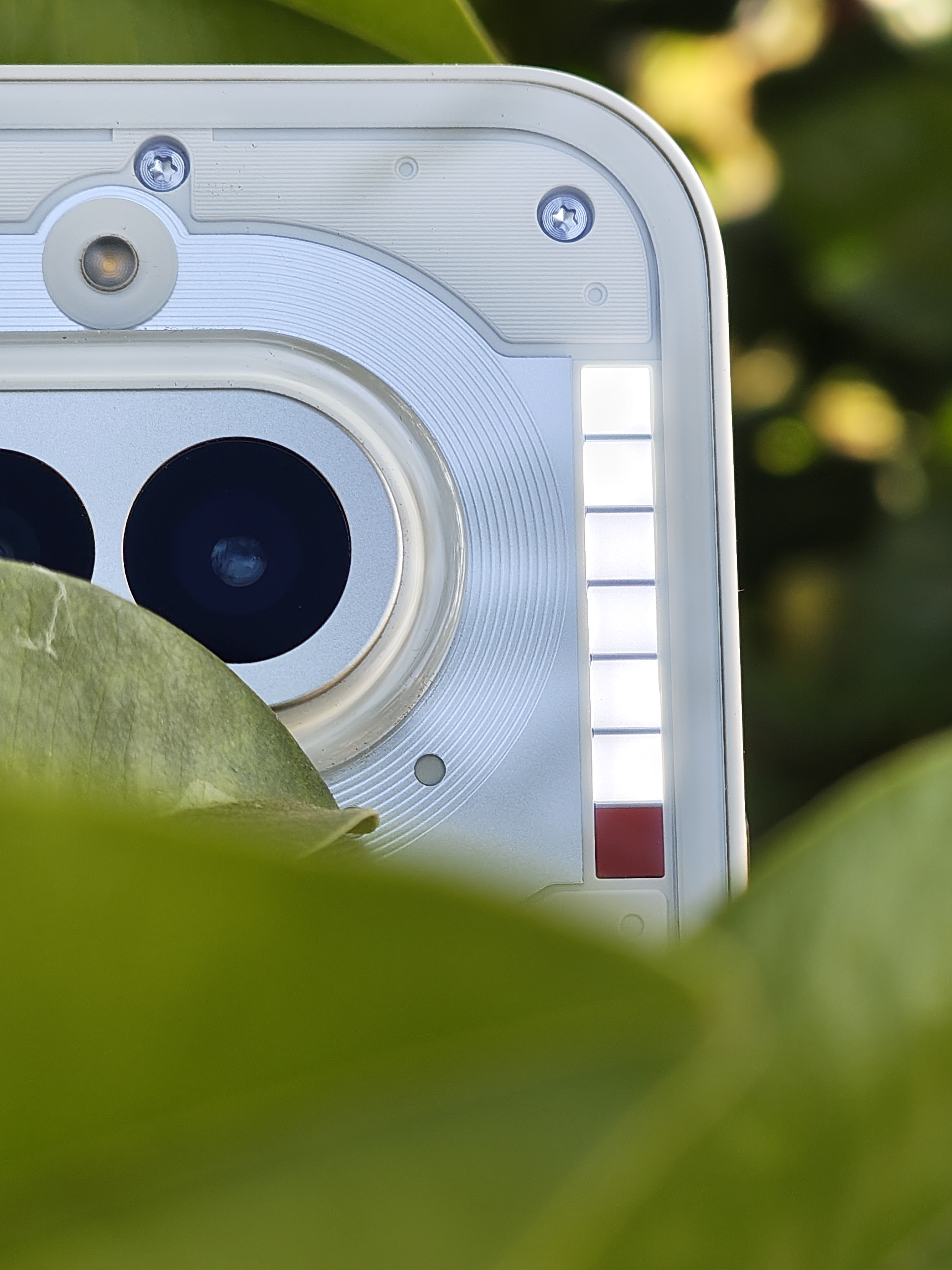
After using the Nothing Phone (4a) as my primary device for a full month, I now have a much clearer and practical understanding of what it actually delivers. As someone who cares a lot about photography, my expectations were quite high. Over these 30 days, the phone has impressed me in many areas, but it has also revealed a few limitations in real-world use.
The Good: What Still Impresses
Some things that felt great on day one have held up really well over time.
Design & Build Quality:
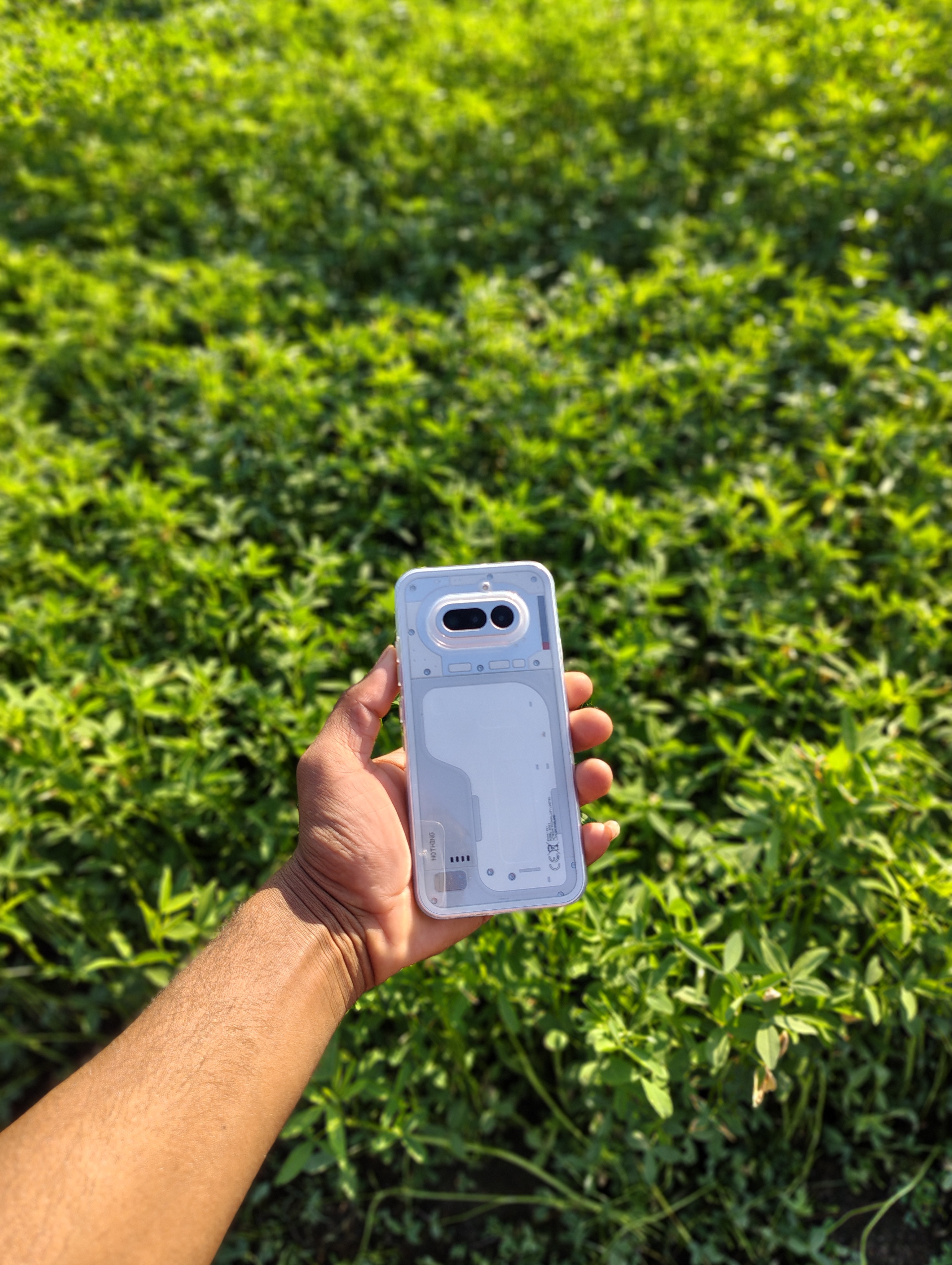
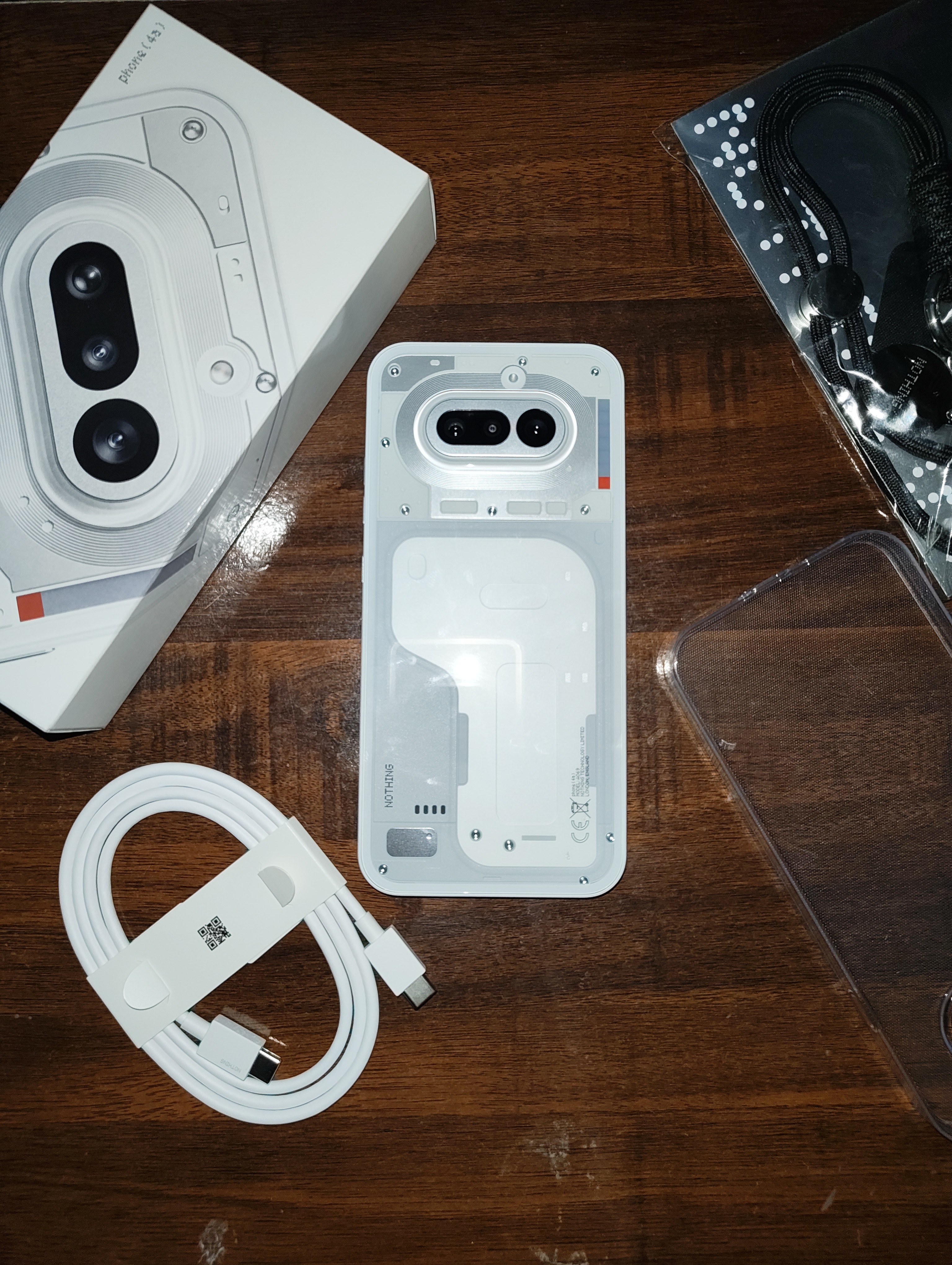
Even after a month of regular use—going in and out of pockets and camera bags—the transparent design still feels unique and eye-catching. The build feels solid for its price, and the buttons still have that satisfying, premium click.
Nothing OS 4.1:
The software experience is one of the biggest highlights. It’s smooth, clean, and free from unnecessary clutter. The minimal, monochrome UI actually helps reduce distractions, which is especially useful when I’m focusing on shooting or editing.
Battery Life:
The 5,400mAh battery (Indian variant) is extremely reliable. Even with heavy usage like navigation, music, and occasional photography, I can comfortably get through a full day with around 20% battery still left at night.
The Downsides: Where It Feels Mid-Range
After extended use, a few compromises have become more noticeable, especially as a power user.
Telephoto Camera Performance:
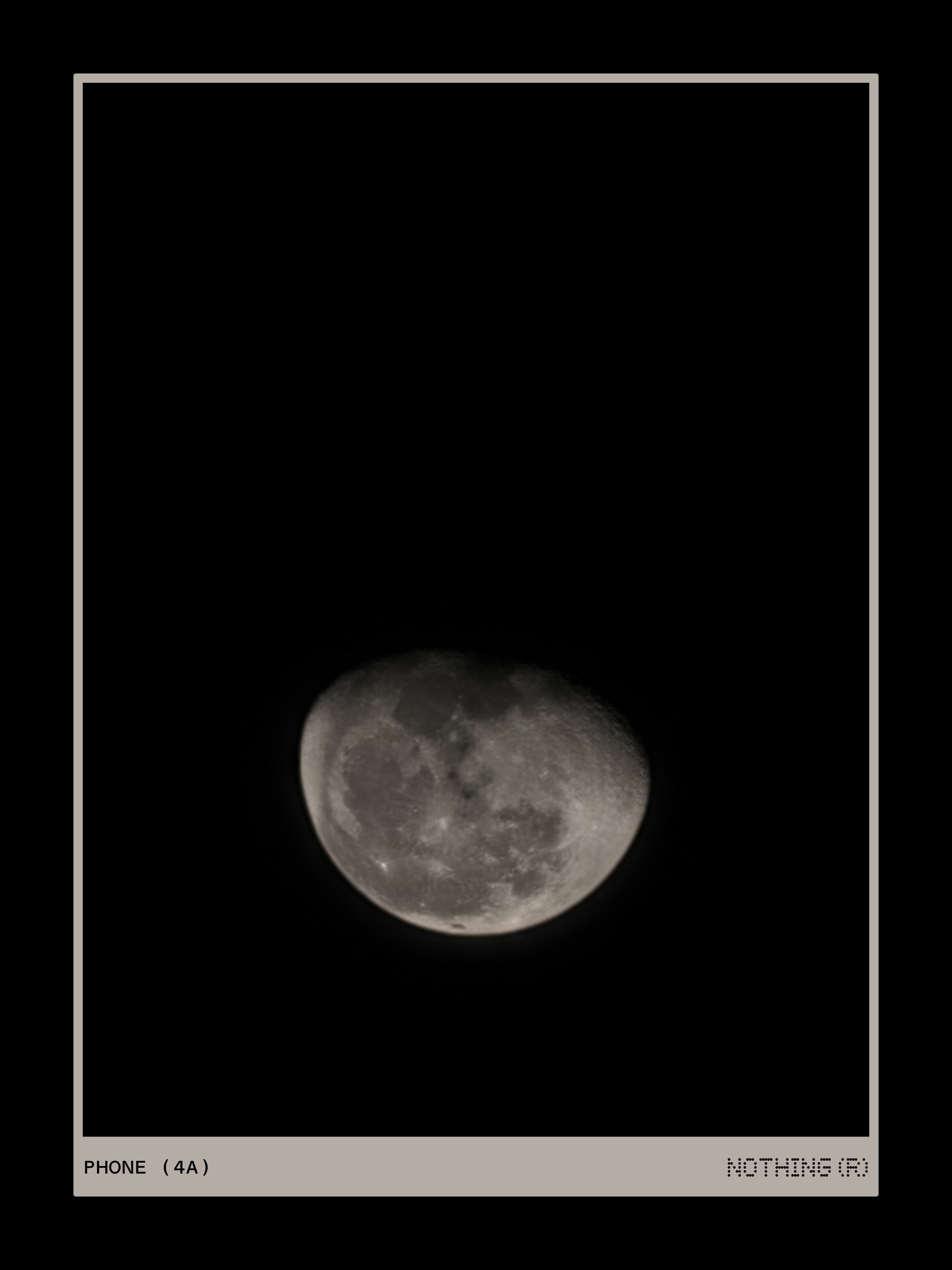
The main 50MP camera is excellent, but the 3.5x telephoto lens is inconsistent. In less-than-ideal lighting, image processing becomes too aggressive, often resulting in a slightly “painted” look with loss of fine detail.
Charging Speed:
With competitors offering 80W or even 120W charging, the 50W charging here feels a bit slow. A full charge takes over an hour, which can be inconvenient when you’re in a rush.
Haptics:
The vibration motor is decent but not exceptional. It gets the job done for notifications, but it lacks the sharp, precise feedback you’d expect from more premium devices.
Final Verdict
The Nothing Phone (4a) stands out because of its thoughtful design and clean user experience rather than raw specs. It’s a phone that feels good to use every day and looks different from everything else in its segment.
If you can accept an average telephoto camera and slower charging speeds, the overall experience is smooth, reliable, and well-balanced