Intro -
Since the middle of March I have had the pleasure of testing Nothing’s latest Pro device, the Nothing Phone (4a) Pro. What are my thoughts? What have I found? How does it compare to the cheaper standard (4a)? Let’s dive in!
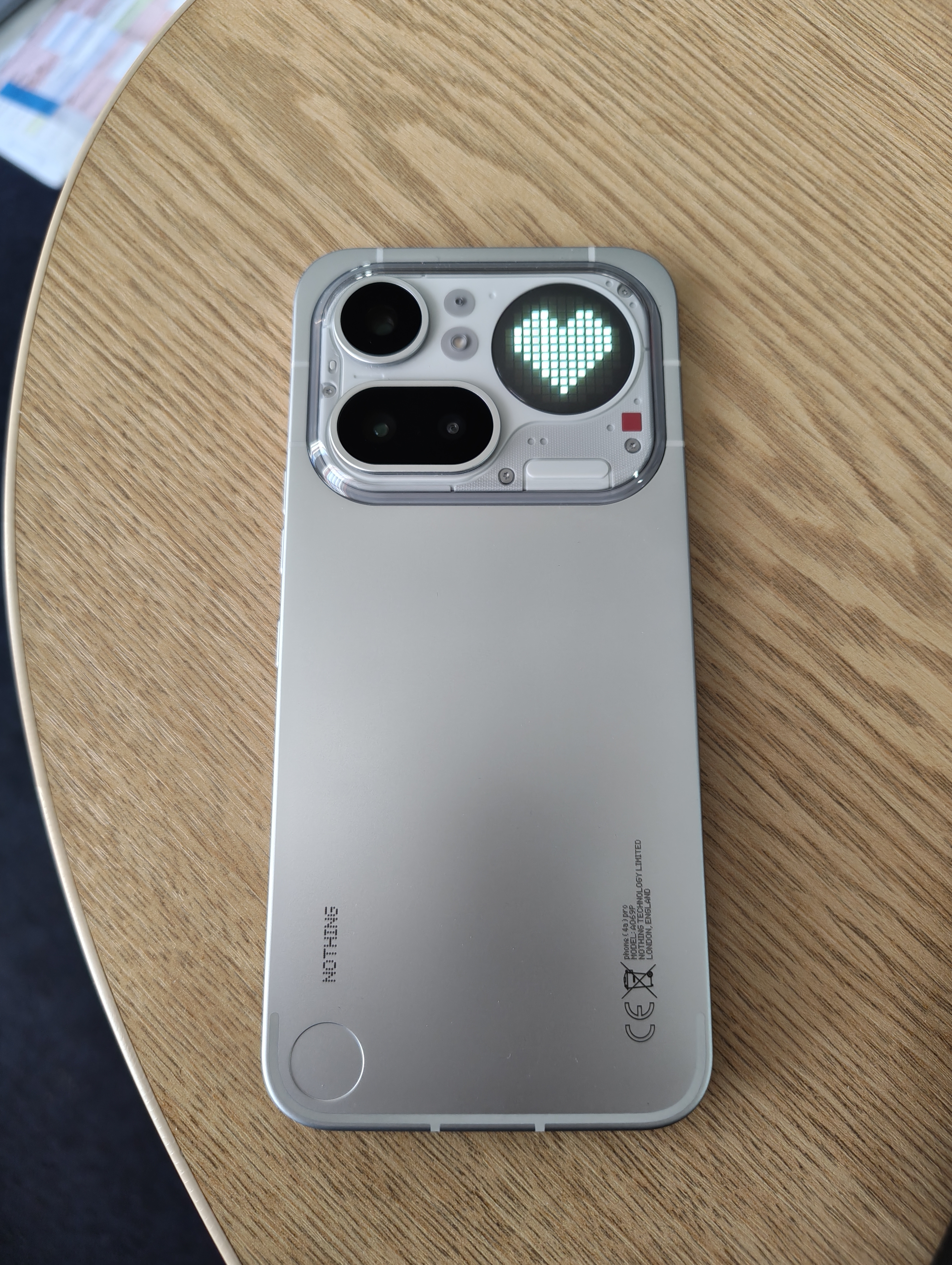
Disclaimer, this Phone (4a) Pro was sent to me as part of the Nothing Community Review Programme. I had been using my Phone (2a) Plus - Community Edition as my daily driver before this device and my comparisons are mainly geared toward the improvements from Phone (2a) Plus to Phone (4a) Pro. Also, I was fortunate enough to receive the Phone (4a) as part of the same programme, as such I can closely compare the two devices here. Check out my dedicated Phone (4a) Review first!
Design - Metallic Goods
As I have discussed on socials already, I was fortunate to see a prototype of this device at the Phone (3) launch back in July 2025. At the time my one word review was “lost”, and that was because this phone didn’t look like any of the other phones that Nothing has released. That being said…it certainly does look like it is from the same family as Headphone (1) and Ear (3).
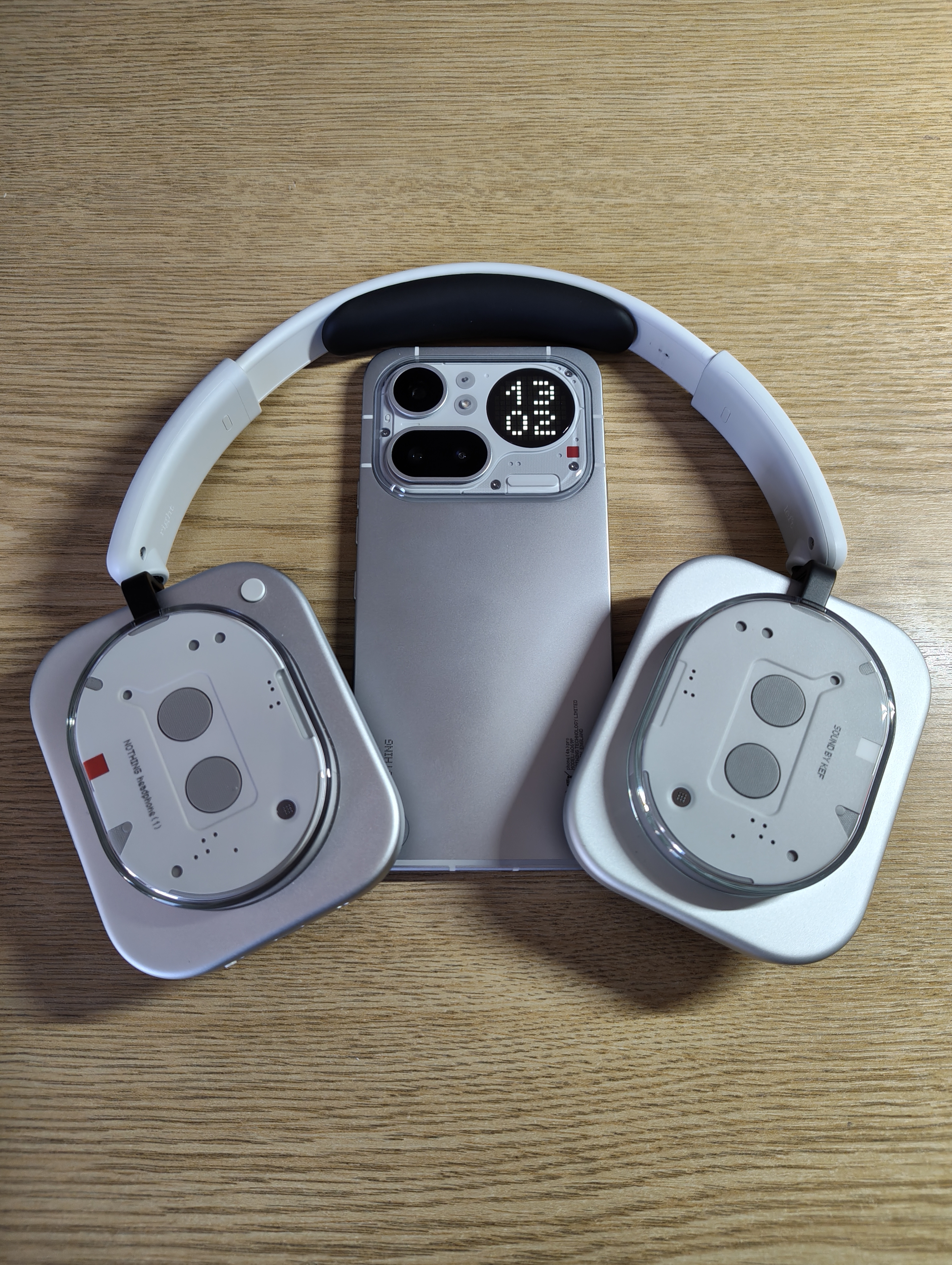
However, like most of the opinions I have seen on ‘X’, this design has grown on me. Especially after holding it in the hand, the aircraft-grade aluminium body is a delight and makes the device feel super premium. It feels light, thin and yet it is 42% more bend resistant than Phone (3a) Pro, that is seriously sturdy! One part I adore is the antenna design, as with any metal device that needs a signal, the 7 plastic antennas stand-out. But the Nothing Design Team deserves a round of applause for their implementation in the antennas on Phone (4a) Pro.
Whilst being cool to the touch, the Nothing Phone (4a) Pro stays cool with Nothing’s largest vapour chamber, measuring at 5300 mm². Which is a 14% larger chamber compared to Phone (4a).
The button lay-out is the same as the Phone (4a), with the Essential Key taking its place on the left side of the phone, all alone. However, coming from the Phone (4a), I noticed that the buttons are slightly lower down…possibly due to the antenna placement? - It was a small learning curve having used the non-Pro model first, but for anyone else, this small complaint is mute, I am sure. The change of button positioning is learning curve if you upgrade from older Nothing devices, but you get used to it after a while and it feels intuitive.
This Phone (4a) Pro comes in three colourways, Silver, Black and Pink. The latter design has the same Camera Bump as the Silver colourway, I would have preferred to have the pink variant having its own matching Camera Bump, utilising the white one it feels like the Pink colourway was an afterthought, which is a shame as it looks beautiful.
Whilst the design has certainly grown on me, this feels like a departure of design philosophy that we have seen previously from Nothing smartphones. What could this mean for future phones? Only time will tell! As I mentioned in my Phone (4a) review, that base model’s design is definitely my favourite of the two and I would put this design behind other phones that have been launched by the brand. It is different, which may appeal to the masses, but it isn’t as appealing to look at, compared to previous.
Hardware Specs - More Pro, but how much Pro?
I am going to keep this section short, as all of the specs are readily available on nothing.tech, viewable here!
The Phone (4a) Pro is powered by the Snapdragon 7 Gen 4, which is a step up from last year’s (3a) Series which ran the 7s Gen 3 SoC.
Another big leap from last year’s (a) series is in the storage specs, now running UFS3.1, the (4a) Series has 147% faster storage read and 380% faster storage write speeds than last year’s (3a) Series. The Phone (4a) runs the Snapdragon 7s Gen 4, which is a lower powered chip, so the Pro certainly delivers a more Pro performance.
RAM comes in 8GB or 12GB with Nothing’s RAM Booster (extra 8GB) being present again, this is LPDDR5X RAM. Which is a step up on the LPDDR4X RAM found on Phone (4a).
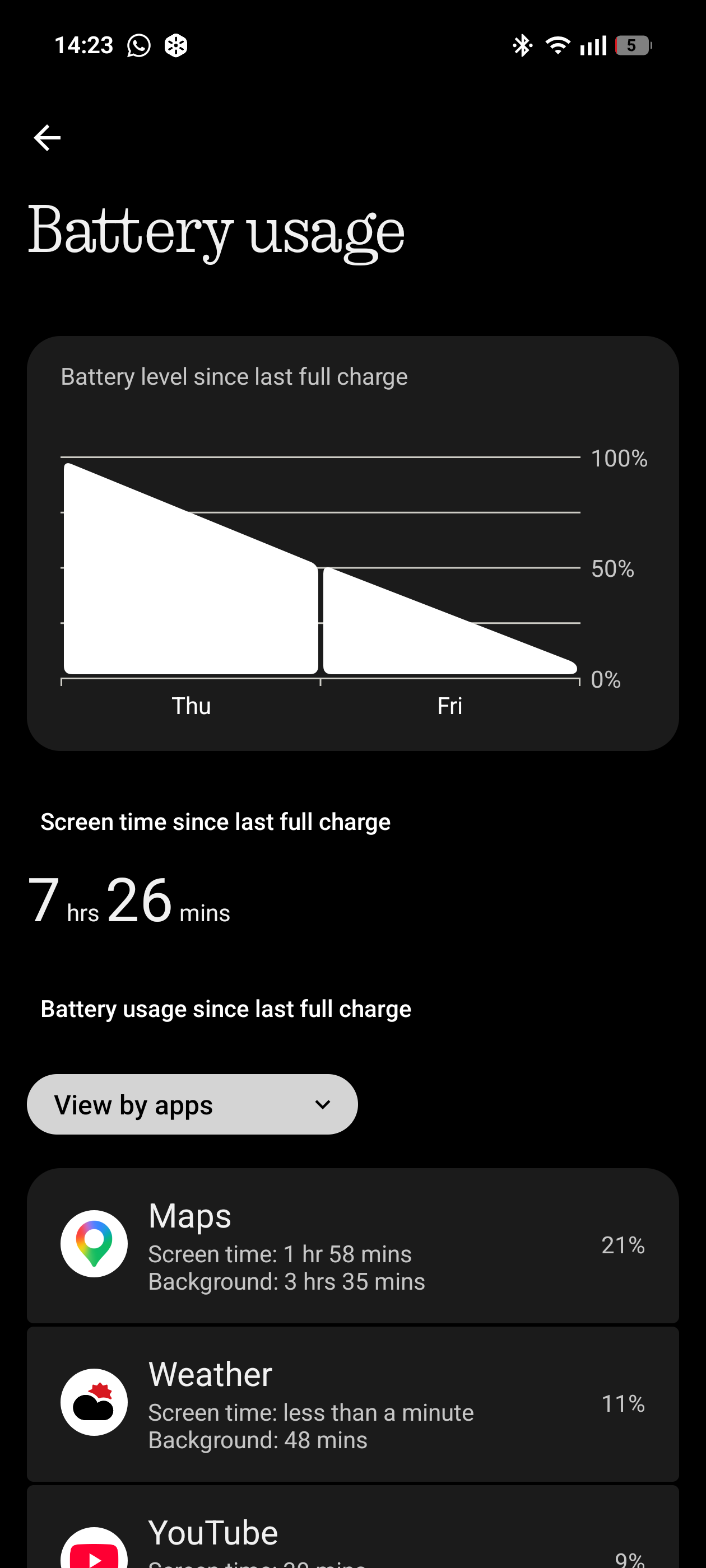
The battery is a whopping 5080mAh cell for the global market and even larger at 5400mAh for India! This can be charged up at 50W for wired charging, going from 1% to 100% in just over an hour! In my usage, which I would describe as medium to heavy usage, I was easily getting a day and a half out of the battery and almost 8 hours of Screen on Time. The Phone (4a) Pro also offers 7.5W Reverse Wired Charging, for some of your other devices to get juiced up.
NFC - Unlike Phone (4a), Phone (4a) Pro gives NFC, with Google Pay support to all devices. Hurrah! Plus in Japan there is Felica support.
eSIM - Again, some differences here. eSIM is supported everywhere on top of the dual nano-SIM, except for the Indian market, where dual nano-SIM is the only available choice.
The Phone (4a) Pro is IP65 rated, so it can withstand the maximum dust protection IP ratings can offer, and a few splashes. But Nothing themselves have done additional testing that means it can withstand full submersion in up to 25cm of water for up to 20 minutes, however this isn’t an “official” part of the IP rating.
Cameras - 1 Bump, Many Possibilities
One big difference between Phone (4a) and its Pro variant is the main camera sensor, moving to a 50 Megapixel Sony LYT-700C sensor, this allows for a 20% faster autofocus compared to Phone (4a). This sensor is supported with Optical Image Stabilisation (OIS) also, and is a large 1/1.56” sensor, which allows for 64% more light compared to the usual 1/1.95” sensors usually seen in this mid-range price bracket.
I have found that whilst the numbers on paper are impressive, there isn’t a massive difference between both the Phone (4a) and Phone (4a) Pro’s main lenses. With the only noticeable difference being the ability to record 4K 30fps in HDR, whereas the HDR option isn’t available on the base (4a).
Speaking of HDR, Phone (4a) Pro allows for Ultra XDR Action Mode. Which utilises the improved shutter speed capabilities of the device to shoot up to 30 Ultra XDR shots in a row, which look fantastic on the phone’s display and means that those pesky kids and pets are always captured in the best possible light.
In full, the camera specs are as follows:
Wide Lens (1x / 24mm) - Sony LYT-700C 50MP shooter with OIS.
Telephoto Lens (3.5x / 80mm) - Samsung JN5 50MP shooter (same as Phone (3)!) again with OIS.
Ultrawide Lens (0.6x / 15mm) - Sony IMX355 8MP shooter with a 120 degree Field of View.
Selfie Lens (1/1.2x / 22/26mm) - Samsung KD1 32MP shooter.
The Nothing Phone (4a) Pro Camera System is powered by the TrueLens Engine 4.0, which includes Ultra XDR shots, as mentioned earlier, which you can toggle on or off, this is on by default and really brings images alive and they look great on the (4a) Pro Display, more on that display later.
The entire Camera Bump is housed in a polycarbonate nano-injected mould on the top of the phone. As it is polycarbonate, it may scratch over time, but it won’t shatter, the lenses themselves are protected by glass. Also, some other reviewers have noted the creaking noise if you apply a lot of pressure on the back, such as deep cleaning, it may sound unpleasant, but it should cause any damage.
I don’t tend to use Ultrawide Lenses all that often, and with this Phone (4a) Pro, as it was with the base Phone (4a) that was very much the case. It is the weak point with the camera set-up, but as a lens and focal length I don’t tend to use, I did not feel too affected by it. I captured a few images, mainly to really showcase the impressive zoom capabilities of the telephoto lens and did some short 1080p Video recording. It is fine, but details are lacking and the background noise is apparent if you zoom into images taken with this ultrawide lens.
The main Wide Lens is snappy and easy to use, and can record video in up to 1080p 60fps, and 4K 30fps, both are able to be captured in HDR, which is great to have this flexibility. I have seen some discourse online about there being an omission of 4K 60fps, to which I question, why? - I record and consume content at 30fps, unless I want Slow Motion, which this phone can do at 1080p 120fps (4x Slower than realtime at 30fps).
The Telephoto Lens also has video recording at the above settings, whilst the Ultrawide Lens is capped at 1080p 30fps, but does offer HDR toggle.



The selfie camera is fine…coming from the Phone (2a) Plus and its 50MP selfie camera I can see the drop off in perceived quality and not having the option to record in 4K is also a shame here too. Going from a phone that is two generations older, and missing some features in the latest device is a disappointing realisation, but I suppose it is another easy cost to save. This is also the case with the base Phone (4a), but as a “Pro” version, it would have been nice to have seen a bump in this area, along with a bump in the 8MP ultrawide to a higher Megapixel sensor.
One thing to note, and it is something that caught me out during my testing, is that whilst you can switch between all three rear lenses in 1080p 30fps perfectly fine, beware when recording at 4K 30fps, switching between the Main and Telephoto Lenses is not supported. Yet the UI gives you the option when starting your record on the Wide Lens to crop into 3.5x, which I assumed would be switching from the Wide to the Telephoto, but it isn’t, it is just a digital crop in. I have fed this back to the team as a suggestion to change the UI from 3.5x to maybe 3x, so that it is obvious you aren’t trying to use the natural optical zoom of the Telephoto when recording in 4K. Especially as lens switching is supported at 1080p.
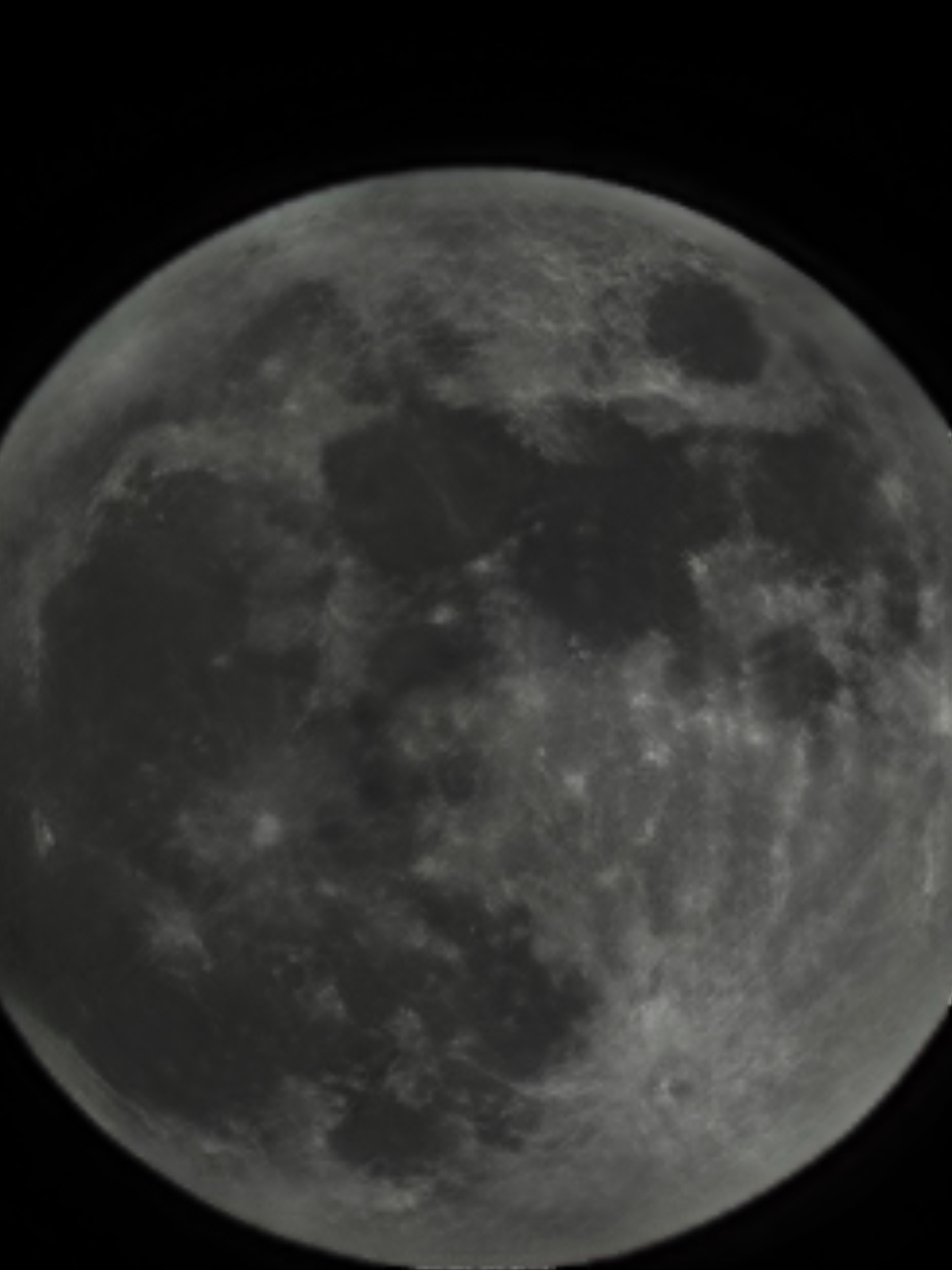
That being said the camera has been fun to use and the 140x Ultra Zoom has been, let’s say “interesting”. Anything over 20x Zoom becomes somewhat unusable and the AI upscaling makes some interesting choices when capturing certain objects with the zoom. Anyway, enough rambling from me, how about some shots? - Let’s take a look!








Finally, I used Phone (4a) and Phone (4a) Pro to record my recent church wedding ceremony in full, a memory that me and my wife shall cherish for a long time! Wonderful 1080p captures in HDR, thank you to Nothing for the perfect timing of this review programme. Plus some wonderful group images shot on Phone (4a) Pro!

Screen Experience - Sharp, Bright and Colourful
On the front of the Phone (4a) Pro, we have the gorgeous 1.5K 6.83” flexible AMOLED display (440 Pixels Per Inch!). Once I had booted up the device and transferred over my data, my first thought was “wow! This screen is sharp, bright and these colours look great!” The reds of the Nothing Quick Settings Widgets really popped and I knew that content consumption on this device would look amazing! Not only does content look wonderful when indoors, it excels outdoors too, the increased 1600 nits of brightness helps with the visibility in direct sunlight (which is always hit and miss in the UK, but that is besides the point…).
The peak brightness for HDR content maxes out at 5000 nits, which is great for viewing your Ultra XDR pictures snapped on this device (told you I would mention it again). But the phone excels in darker spaces too, with Pulse Width Modulation dimming of 2160Hz, keeping the content easier on your eyes in dark spaces, I have been very impressed with the range this display offers.
It is an LTPS panel, meaning it has a variable refresh rate from 30Hz to 144Hz, which is great for power efficiency, but also feels buttery smooth in day to day use. But the panel is also 2500Hz in its touch response rate, which keeps input latency to a low for those fast paced, intensive gaming sessions. Not as Pro as an LTPO panel, ranging from 1Hz to 144Hz, but that super high refresh rate for supported games makes the device feel buttery smooth when it reaches 144Hz.
One thing to note with the Phone (4a) Pro is that the razor thin bezels are even all the way round, boasting a 93.4% screen to body ratio, it feels super immersive. Switching between the Phone (4a) and the Pro you can tell how brilliant these thinner bezels are and that almost justifies the price difference alone!
Glyph Matrix - More Tools, Less Toys
For the Glyphs on the Phone (4a) Pro, it utilises the Glyph Matrix, it is much larger than the one found on the Phone (3), but with larger pixels and less of them, the resolution is a downgrade over the flagship, that is for sure. That being said, the larger Matrix has its uses and in some ways is better than the Phone (3). The Always on Display options are functional, I enjoy being able to glance at my phone and see the time, or the custom icons I have set for Essential Notifications.

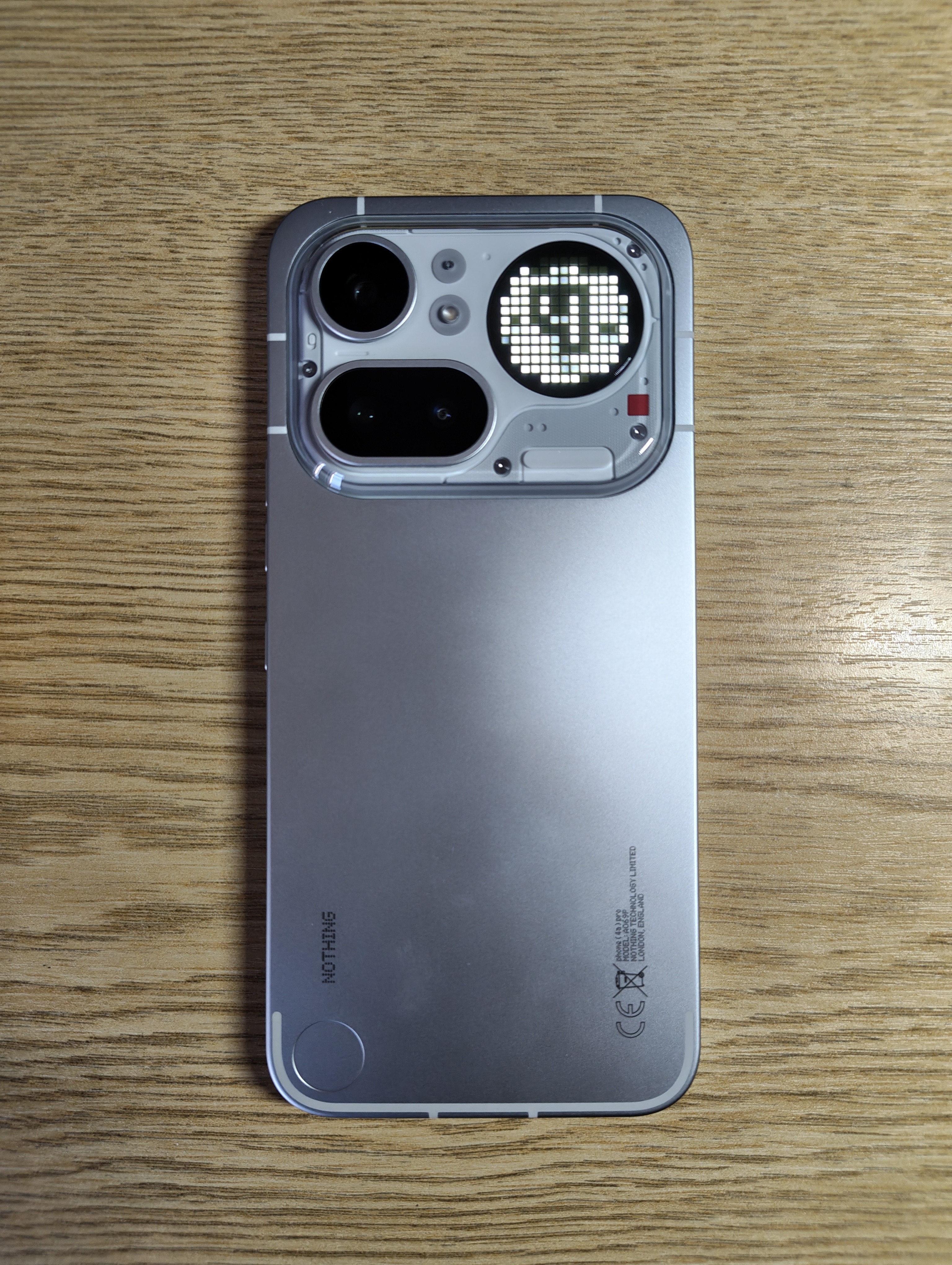
With the Matrix you have more visual possibilities of what notifications you can see, the patterns are diverse and that goes for the generative ringtones too. The Matrix is mature and expands what is achievable with the Glyph Interface, it feels far more functional than a random sequence of flashing lights that we have seen in the Glyph Interface previously.
One area where this iteration of the Glyph Matrix is another big downgrade of that on the Phone (3) is that Glyph Mirror is pretty much pointless. The lower resolution on Phone (4a) Pro means that it is impossible to distinguish what you are looking at, it’s a fun talking point, but nothing more.
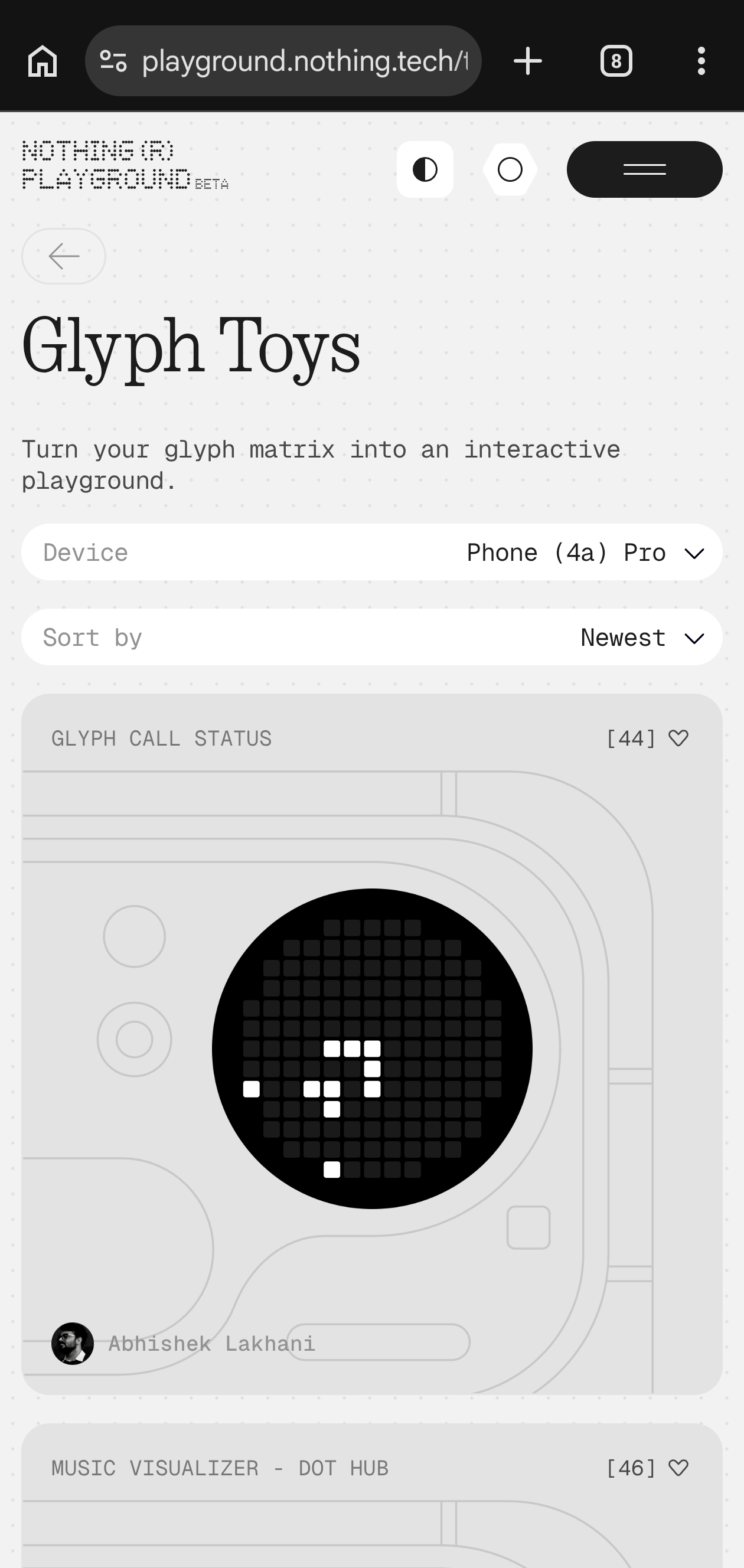
Another change from the Phone (3) to Phone (4a) Pro is that there is no interactable button, despite the circle on the bottom of the device suggesting such. This means the Glyph Toys now become Glyph Tools, a difference in name to indicate the difference in the interactivity. These tools are required to be purpose built for the Phone (4a) Pro, but there is a helpful filter on Nothing’s Playground for this device, so you can be sure the Glyph Tool you download is compatible for use.


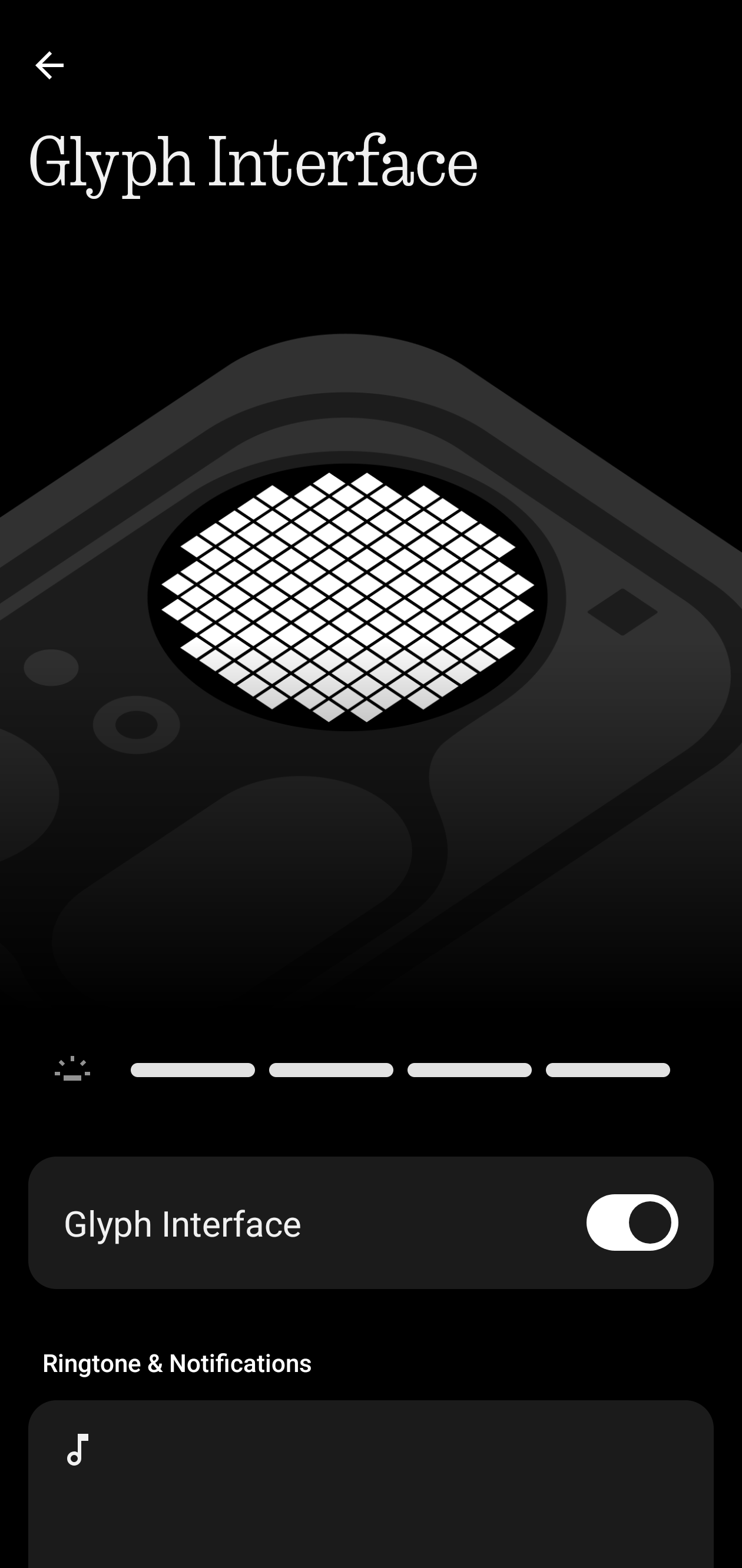
I still found myself coming back to the clock, as it was always useful to see the time at a glance. Another downside is that there is no light sensor for this Glyph Matrix, therefore the brightness is only manually adjustable, unlike the Matrix on the Phone (3), on the plus side the bedtime schedule is present and essential for no bright distractions at nighttime.
Software - NothingOS 4.1
Everything you love about NothingOS is available here, as expected it is snappy, smooth and continuously feels better with each update. In total I received two OS updates whilst reviewing this device and I had no issues with any of the builds in terms of bugs.
Phone (4a) Pro is supported for 3 Years of Major Software Updates and a whopping 6 Years of Security Updates, meaning it is feature supported until March 2029 and Security supported until March 2032! This Phone, if you purchase, shall certainly last you a long time, and for such a competitive price, it really feels like value for your money!
One more thing to note is that the transfer process and onboarding from one Android device to another is super smooth and seamless, the only thing is that it takes up to a few hours to copy across, especially if you have lots of apps, like I do!
In terms of bloatware, I did not experience any. I suspect that this is due to me copying over Facebook and Instagram when setting up the device. It doesn’t mean that the (4a) Series doesn’t have bloatware, it is merely to say I didn’t encounter it, due to my set-up process.
Essential Space - Second Memory!
I hadn’t used the Essential Space before using Phone (4a) and Phone (4a) Pro for these Community Reviews, but I can safely say, I am convinced by Nothing’s use of AI. As mentioned previously, life has been busy, so I used “Flip to Record” in order to record two important wedding calls. Using Essential to summarise and pull actions and lists for my to-do’s, it was super useful and saved me a lot of time, in attempting to note-take in any other way.
The movement of the Essential Key didn’t affect me, as I haven’t used it before. But I enjoy the different texture of the key, being rounded and more chromed looking, it certainly stands out as a special key, compared to the other three keys on the opposite rail.
With Essential Space 2.0, the UI has improved and this was something I experienced during my review, going from 1.0 to 2.0. The break-down in pages allows for quick navigation between tasks and your library of captures, plus using collections was great for organising my various screenshots.
I look forward to the implementation of the future Cloud-Based webpage, so that I can still access my notes once this review period ends. Having a cross-platform accessibility shall be great for anyone who uses the Essential Space going forwards.
Final Verdict -
Well done if you have read this entire review. It was certainly much bigger than I anticipated, but this Phone (4a) Pro has so much going for it!
TLDR;
The Phone (4a) Pro is a very competitive mid-range device that feels like so much more! The hardware along with amazing software integration makes this device feel snappy and breezes through most tasks. It may struggle with graphic intensive games, but that has not been my use case. The price cannot be beaten either, starting at £499 for the base model, but only peaking at £549 is great value for money for a phone that can last for 6 years, making it at most £91.50 per year, which to be fair is Nothing! 😉
I highly recommend this device if you are coming from Phone (1), Phone (2), Phone (2a) Series and Phone (3a) Lite, or any of the two CMF Phones, the upgrades shall feel significant. This Phone (4a) Pro is up there for the best of the best for a mid-range device. The Nothing Team has cooked again and I am super appreciative for the opportunity given to review this device.
Whilst the device is now out to purchase, if anyone has any questions, I am around here and on Socials as SpeedySeale for any/all questions.
