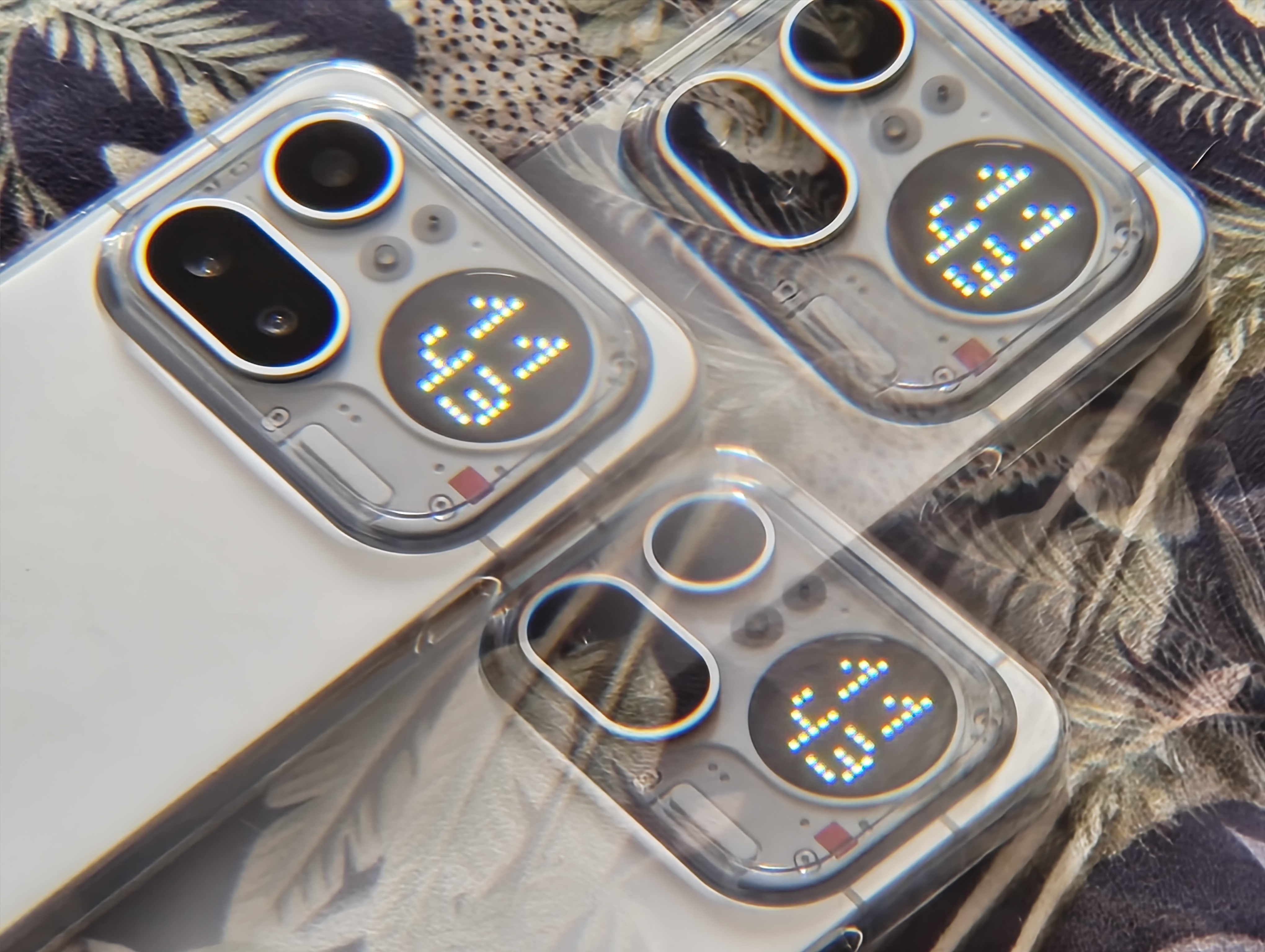
I’ve been testing the Nothing Phone (4a) Pro over the last 30 days as part of the Nothing community review program. This device has been tested alongside the Nothing (4a) and from the perspective of a daily Nothing 3A user who has owned and used the Nothing Phone 1, 2, and 3 over a number of years.
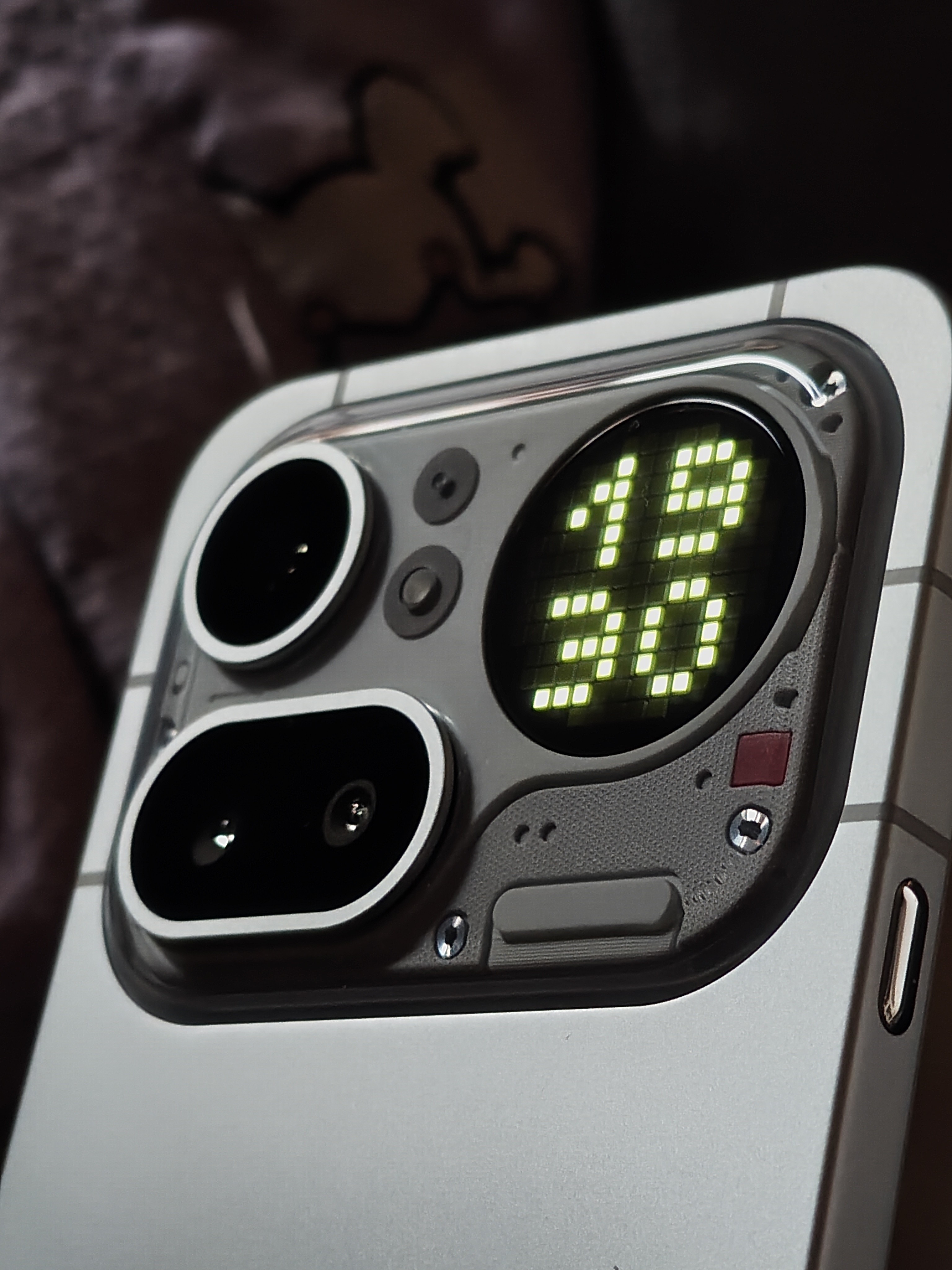
The Nothing (4a) Pro brings a new look and feel to the Nothing A series, which is the company’s mid-range offering in the smartphone arena. In my view and from my usage, the (4a) Pro is a refreshing evolution that feels genuinely premium while staying true to the budget-friendly spirit that defines the A series.
🖐 Look & Feel
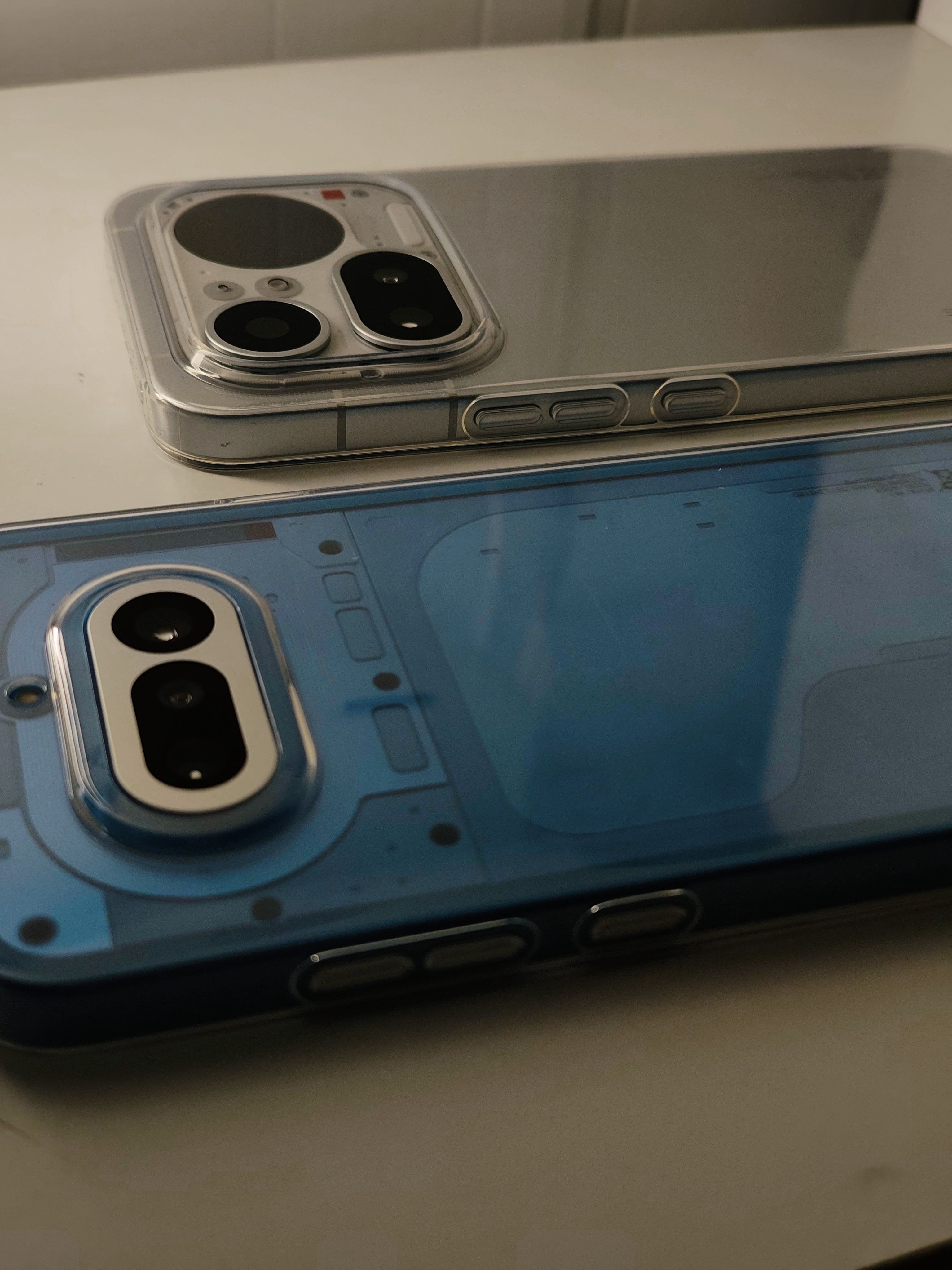
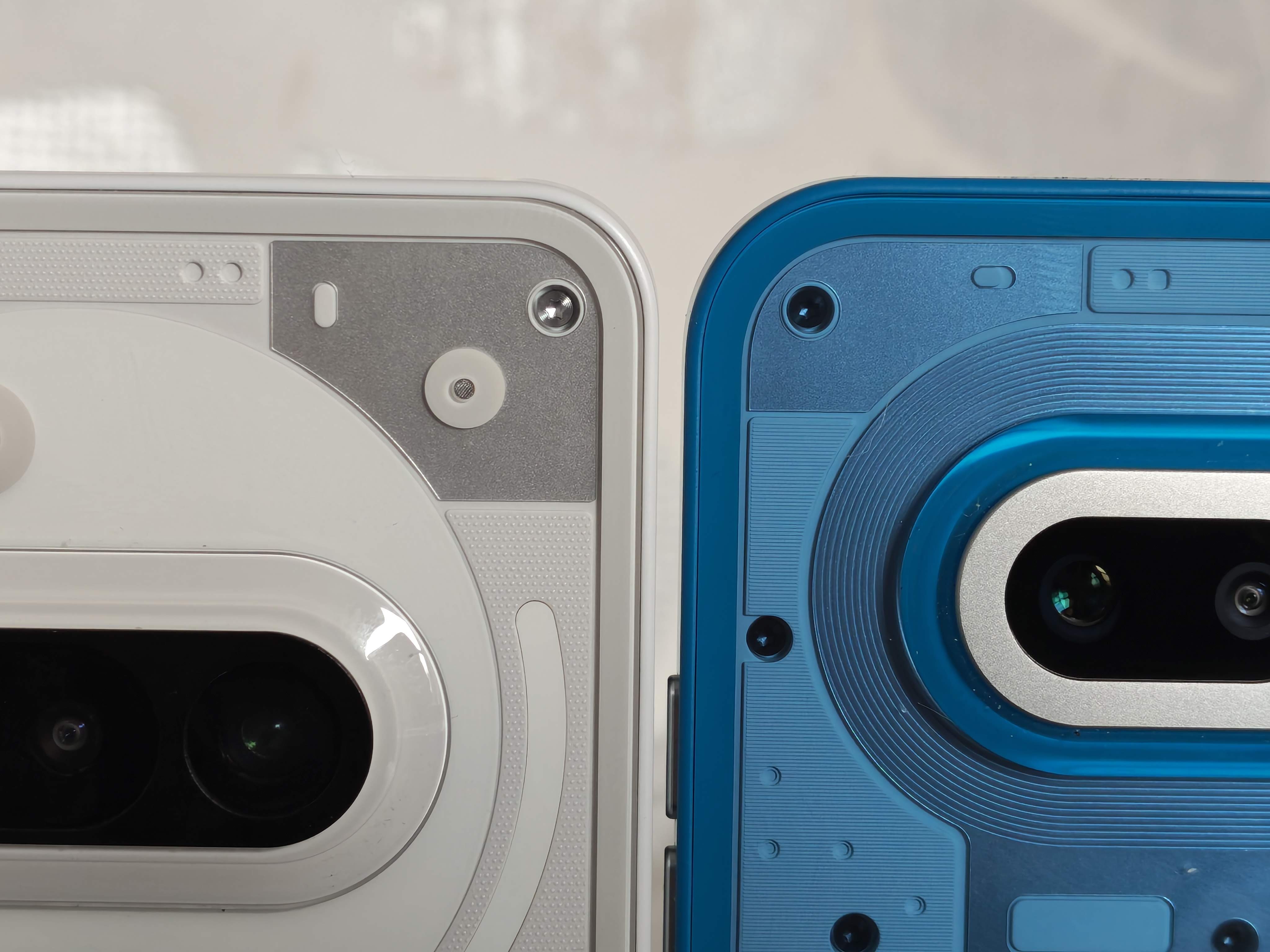
The first thing you notice when you pick up the (4a) Pro is how it feels in the hand. This is Nothing’s first aluminum unibody phone. Gone is the translucent plastic/glass rear that has defined previous Nothing devices; in its place is a sleek, all-metal build that champions premium materials in a way that echoes the design language of the Nothing Ear 3. At just 7.95mm thin, it’s immediately striking, and that all-metal body signals straight away that we’re dealing with something premium.
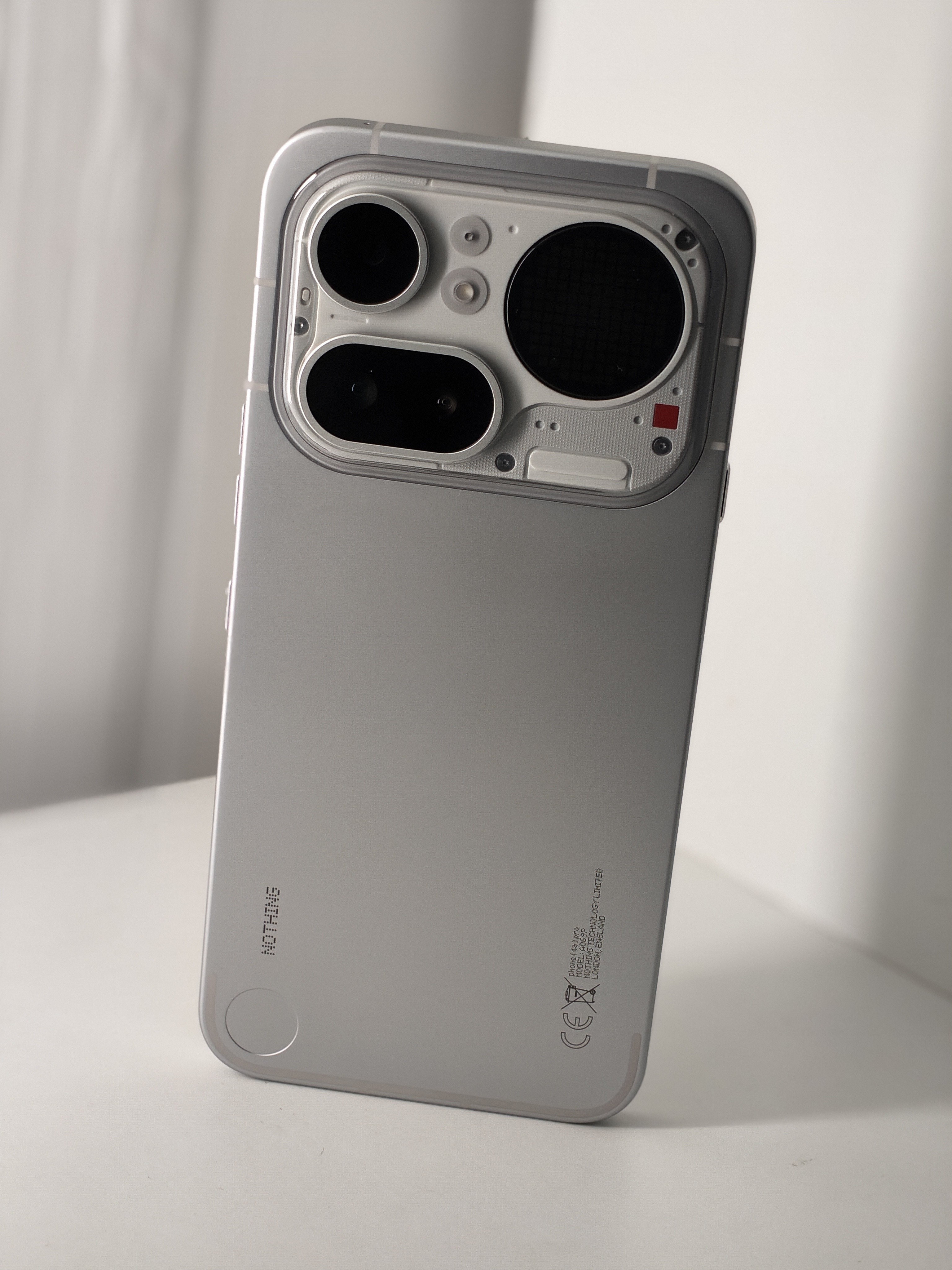
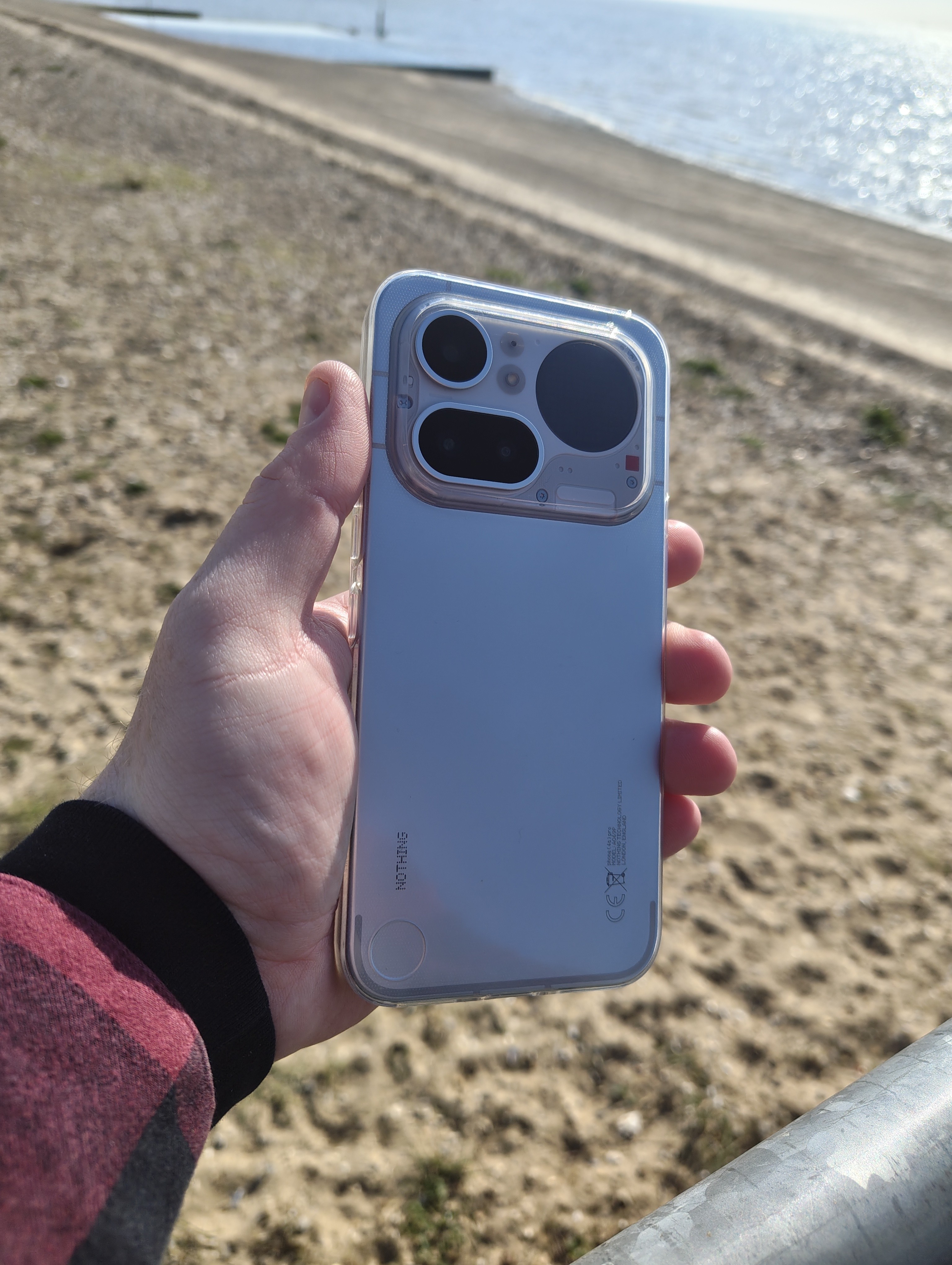
The (4a) feels like a nice balanced phone in hand, no heaviness to any 1 part or end of the phone, which is always welcome on a phone for day-to-day use. It’s also more durable that previous phones with Nothing claiming it’s 42 percent more bend-resistant than the Phone (3a) Pro, and it has IP65 water and dust resistance.
The device comes ready to go out of the box too: cables, a transparent TPU case, and a pre-installed screen protector are all included, keeping that bright and crisp AMOLED display safe from day one.
🖱 Design: Physical Layout & Buttons
Nothing has maintained its signature clear aesthetic through the camera module, which is unquestionably the hero feature of this phone. That transparent section houses the triple camera system and the Glyph Matrix, and it’s what keeps this unmistakably a Nothing device, even with the shift to metal.
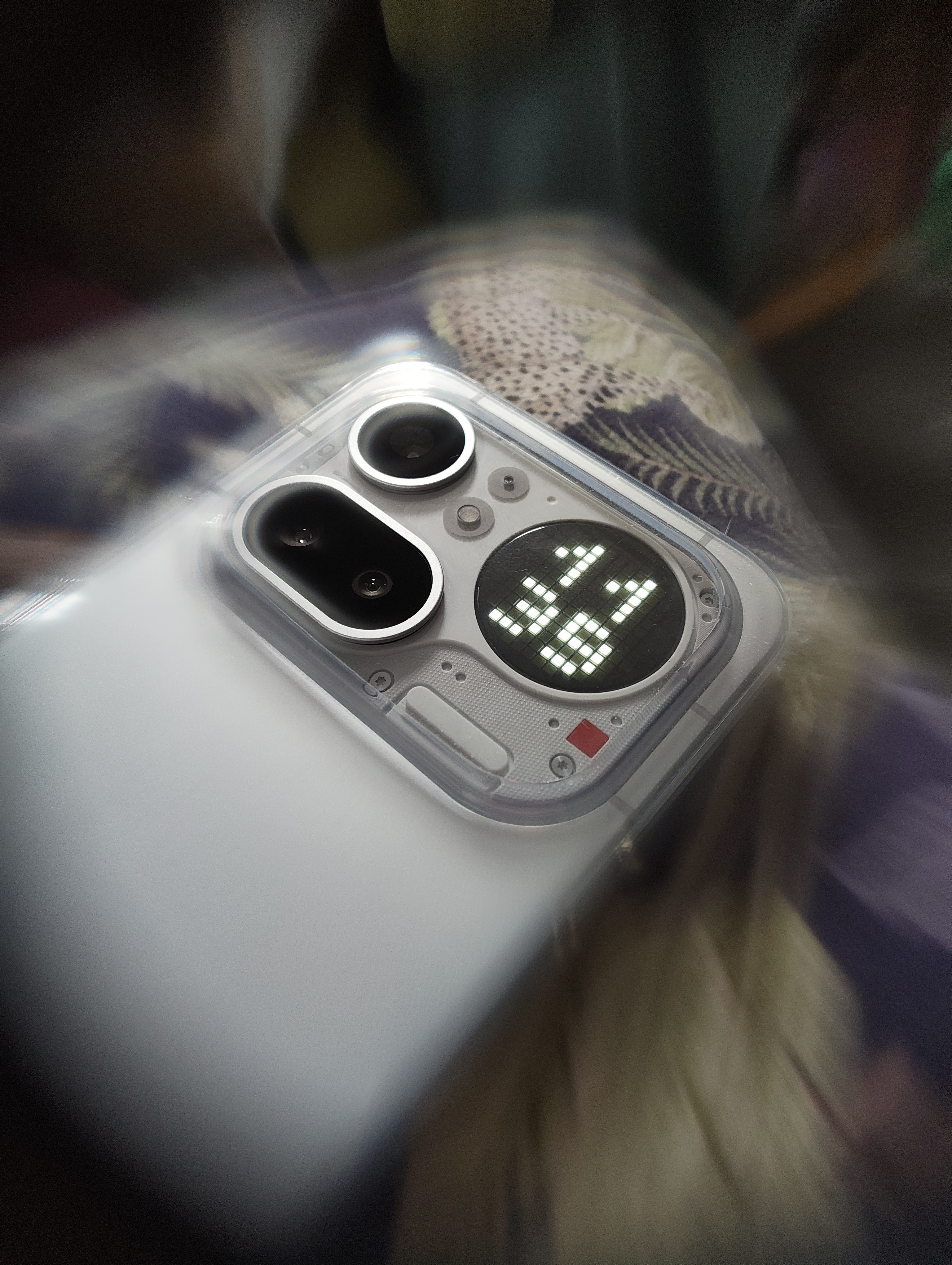
The Glyph Matrix contains 137 mini-LEDs making it a versatile iterations of the glyph system to date if you use it and want to develop glyph tools. You can assign unique glyphs to individual contacts, set notification rules per app, and even configure glyphs to trigger on specific keywords in messages. It can double as a clock when the phone is face-down which is all I mostly use it for if I’m honest. Fun and functional, exactly what it should be based on Nothings goal, MAKE TECH FUN AGAIN.
On the button layout, Nothing has clearly listened to community feedback from the (3a) series. The Essential Key on the left side adds a layer of quick-access functionality: tap it to capture a screenshot, record your screen, or take a voice note, all feeding directly into the Essential Space app. It’s a thoughtful addition that adds to the overall experience rather than feeling tacked on.
The 6.83-inch 1.5K AMOLED display features an adaptive refresh rate from 30Hz to 144Hz and a peak brightness of 5,000 nits, which is Nothing’s brightest screen yet. It’s a beauty. Objects pop, colors come alive, and it holds up impressively in direct sunlight.
📱 Software Experience
Nothing OS continues to be one of the cleanest, most considered Android skins available. The (4a) Pro ships with Android 16 and Nothing OS 4.1, keeping the important parts of Android intact: notifications, the launcher, and settings all behave as they should.
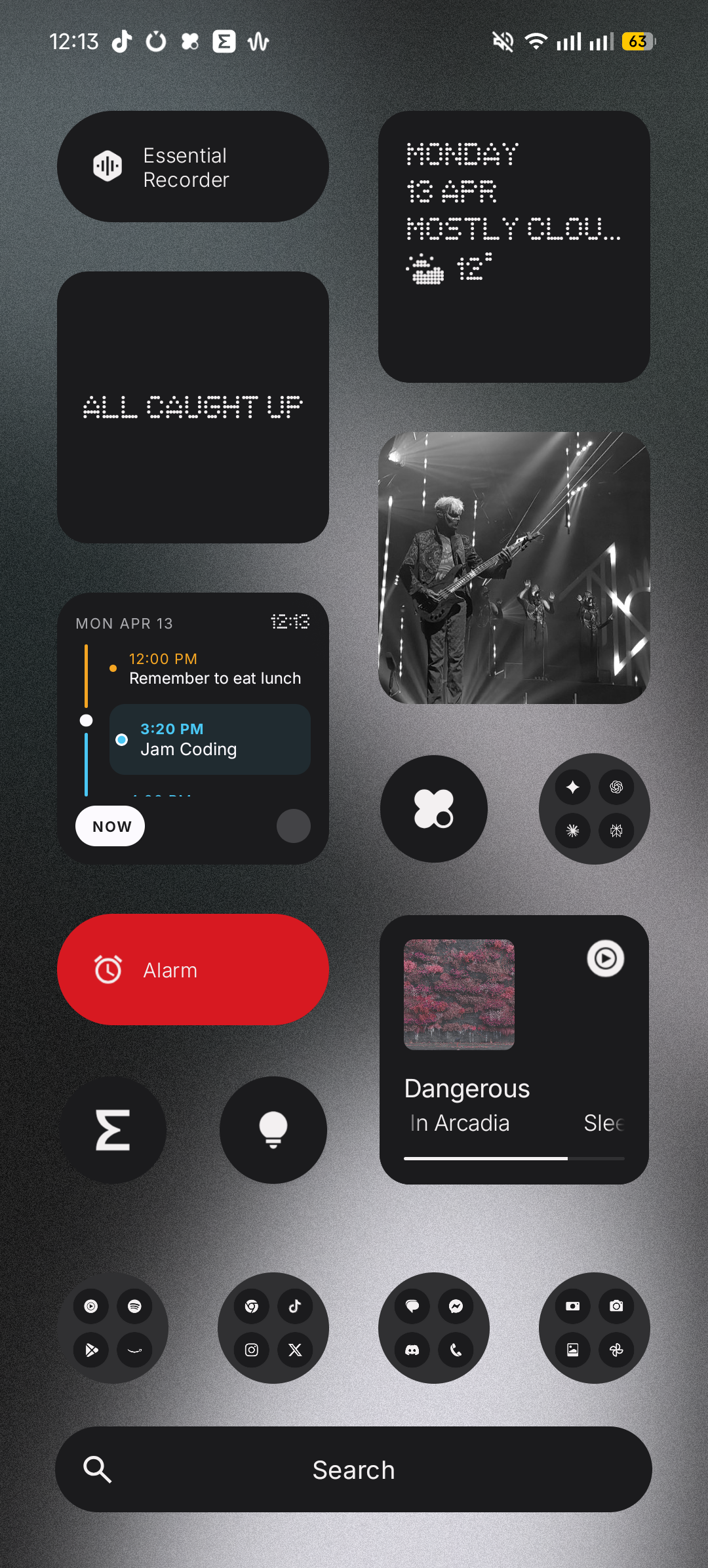
Where some manufacturers have a habit of making Android worse adding too much with too little substance, Nothing makes it better. The lock screen and home screen widgets are genuinely useful, design language that runs through the UI gives the whole experience a cohesion that feels intentional rather than cosmetic. Wallpaper generators, AI tools within Gallery app etc.
AI features are present but refreshingly restrained. Nothing largely confines them to the Essential Space section, giving users a genuine choice about how much they want to engage with these tools, a mature approach that more manufacturers should follow.
The (4a) Pro is scheduled to receive 3 years of Android updates and 6 years of security patches, which is solid for the price point although there are longer offers from other companies.
📸 Cameras
The camera system is where the (4a) Pro makes its biggest statement. Three lenses, consisting of a 50MP main, a 50MP periscope telephoto, and an 8MP ultrawide, are powered by Nothing’s TrueLens Engine 4.
PHOTOGRAPHY EXAMPLES

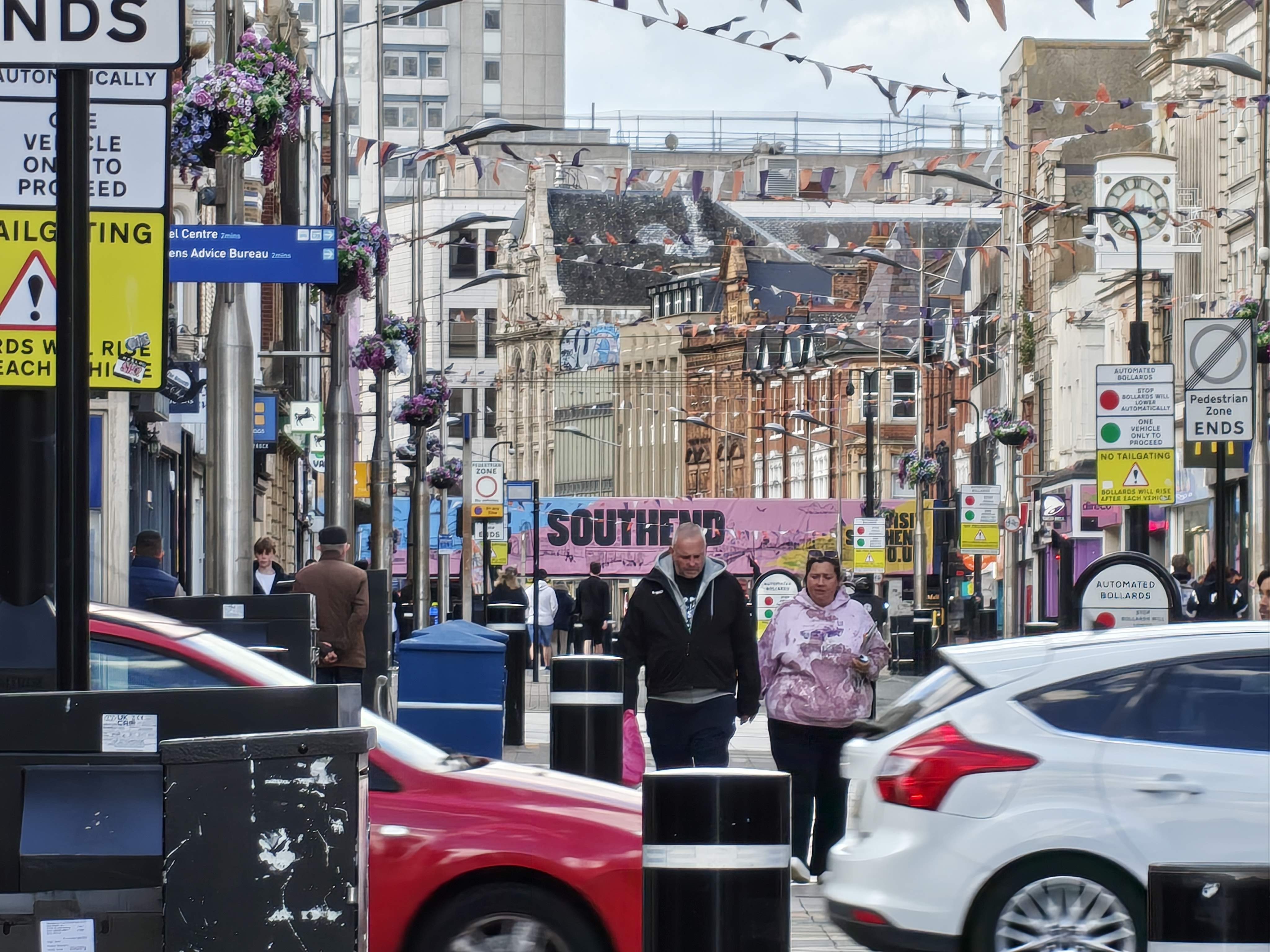

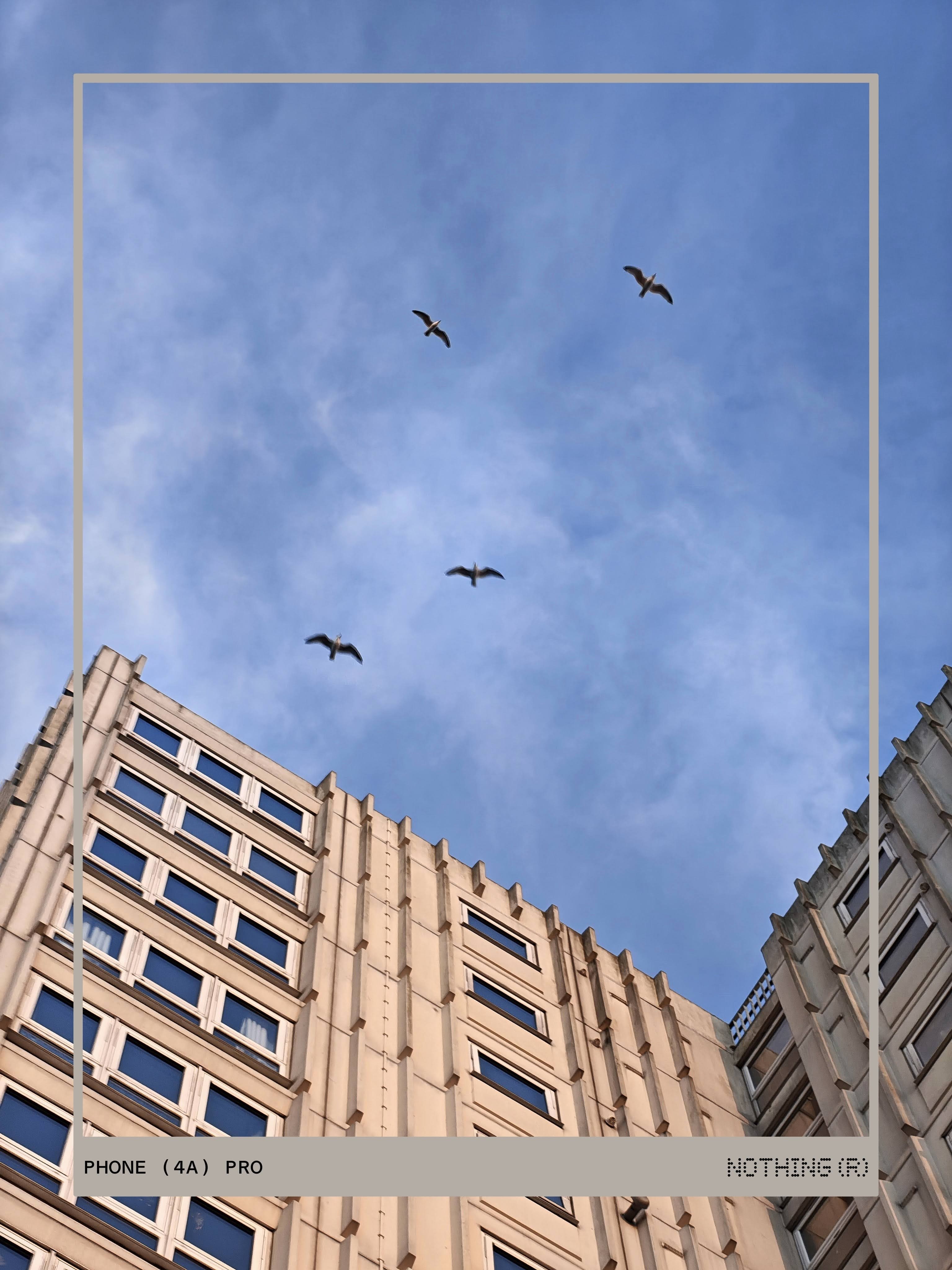

Nothing headlines’ the camera’s 140x zoom, achieved through a tetraprism periscope lens and AI algorithms. Under the right conditions, it’s genuinely impressive, capturing detail at distance that you simply wouldn’t expect from a phone at this price point. More practically, the 3.5x optical zoom is the sweet spot, delivering crisp and versatile shots in everyday use. I’ve personally found night performance a little inconsistent, with some struggles focusing and sharpening night shots, which to a degree is to be expected HOWEVER, this I am certain will improve with feedback and software updates as Nothing has ALWAYS done across any of their devices and cameras.
PHOTOGRAPHY EXAMPLES:

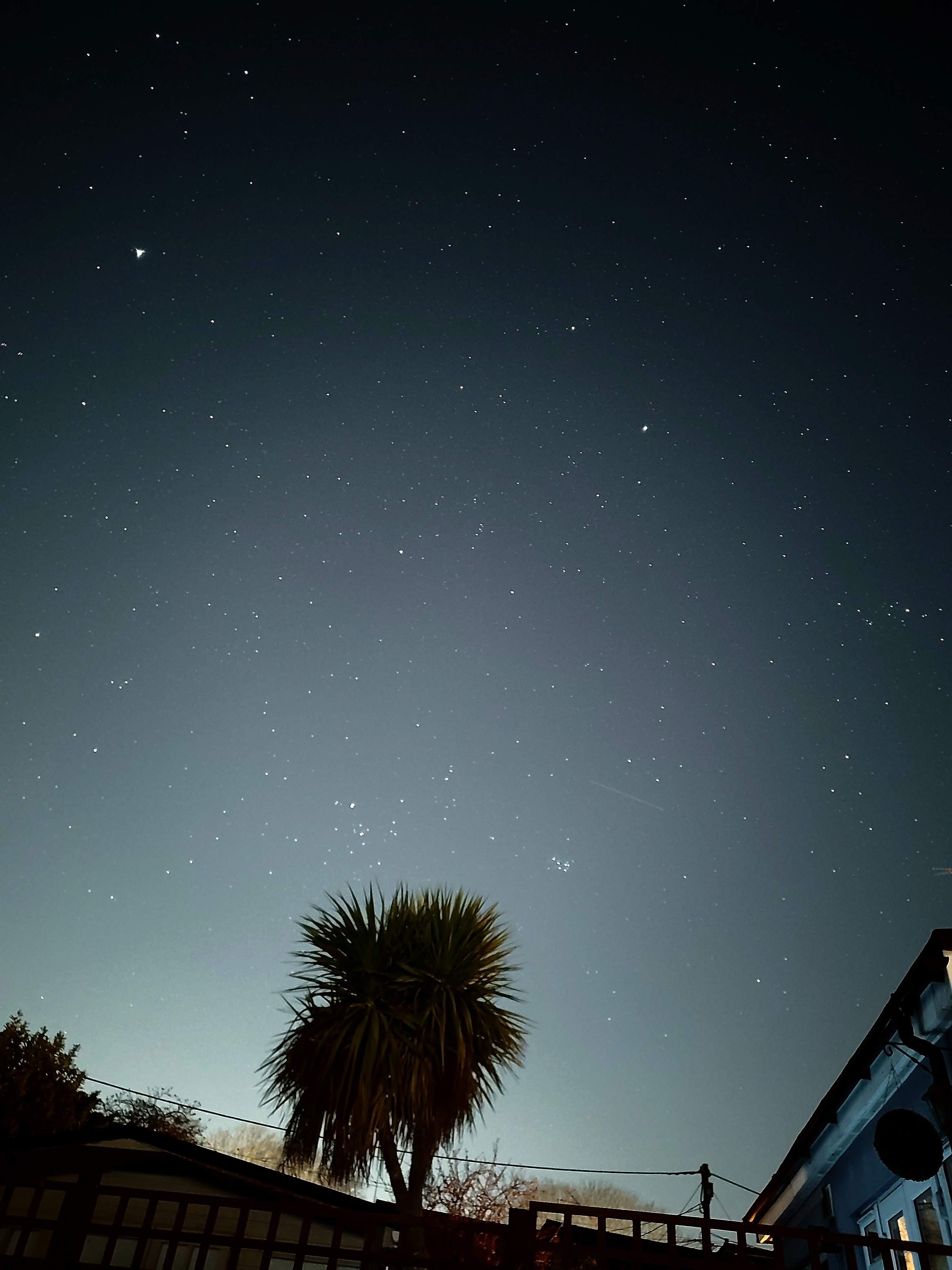
Main camera edges are largely as well defined, and the detail holds up well when moving to the optical zoom range. Low-light performance has also improved thanks to a larger sensor on the main camera, though it’s worth noting the aperture (f/1.88) is slightly narrower than the Phone 3’s main lens.
Photos are clean, crisp, and honest. Nothing isn’t over-processing or artificially boosting shots to chase Instagram perfection. The cameras in this phone are genuinely capable and versatile across a wide range of shooting conditions. There are also opportunities to use your own or community developed presets within the camera so that you can shoot in your style, your way, how you want. I love the presets and it’s a great community feature to share with and between other nothing phone users. Uniquely Nothing.
🎩 Summary
Having used the Phone 1, 2, 3, and 3A, the (4a) Pro feels like a genuine step change, not just an incremental upgrade. This is Nothing building on community feedback with real intent. Improvements to photography capability, a refined button layout, a more premium build, and the energy of the Glyph Matrix all combine into a package that punches well above its £499/$499 price tag.
Nothing OS continues to grow into something genuinely special, offering a real and distinct choice in a market full of phones that increasingly look and feel the same. The (4a) Pro is a disruptive addition to the Nothing ecosystem, and at this price, it will force other manufacturers to rethink their mid-range playbooks or risk falling behind.
This is what mid-range should look like.