Hello Nothing Community!
Sunny here. I’ve been using the Nothing Phone (4a) as my primary device for about four weeks now. I have been a long time user of the Phone (3a). So now the big question is: Is this new device worth the upgrade or should you stick to your good old 3-series?
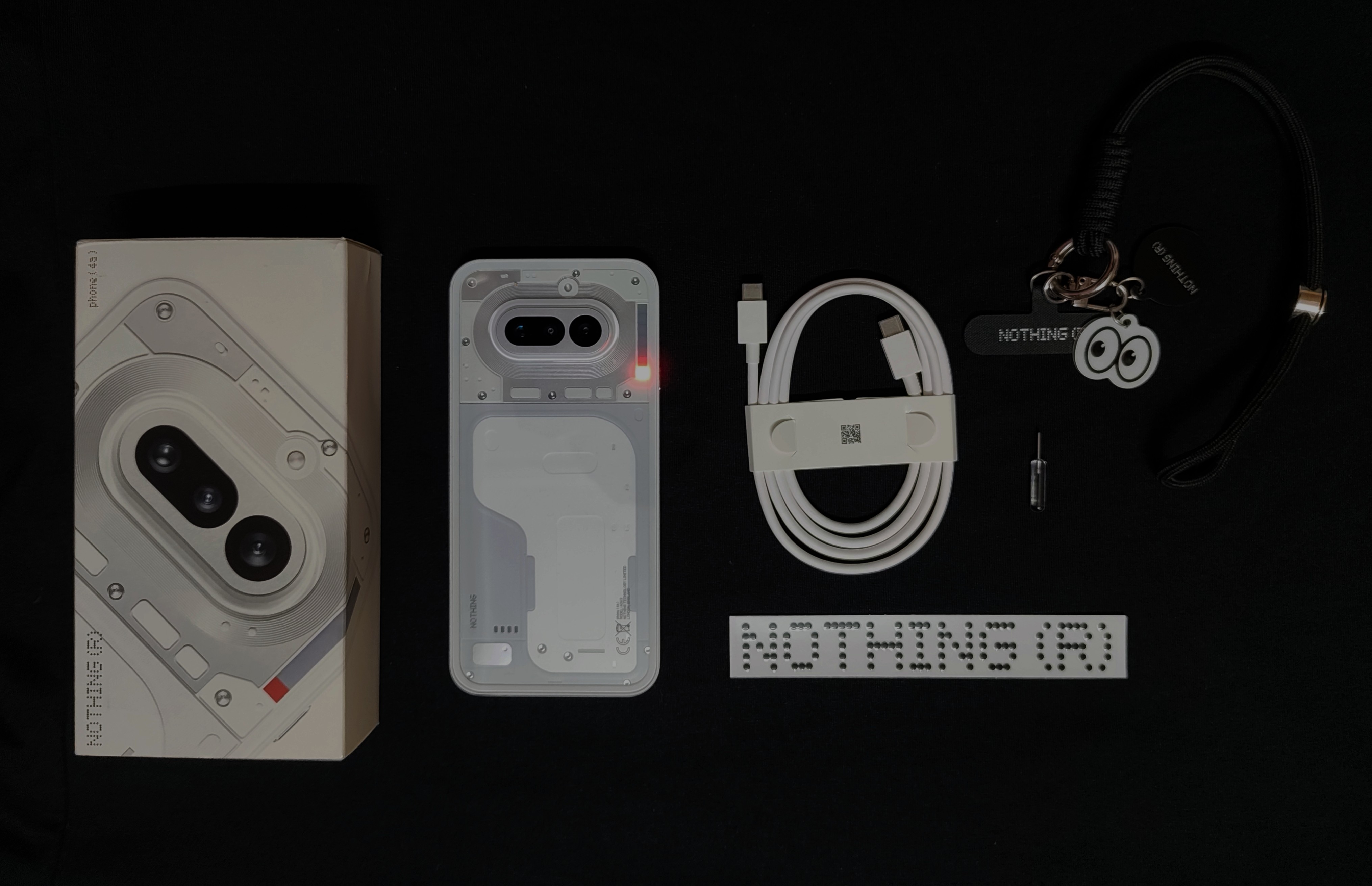
Box Contents
First impressions: the box design follows the classic Nothing aesthetic. But when you lift the flap and catch your first glimpse of the phone, the back design genuinely surprises you. Excellent news—a clear case is included right out of the box, so you can show off the design immediately without worrying about scratches.
What’s inside:
- Nothing Phone (4a) (obviously!)
- Nothing-branded USB cable (non-transparent this time—please bring back the transparent ones!)
- SIM ejector tool (the classic clear design)
- Clear transparent case (very much needed)
- Paperwork (the standard safety and quick start guides)
Design & Build Quality
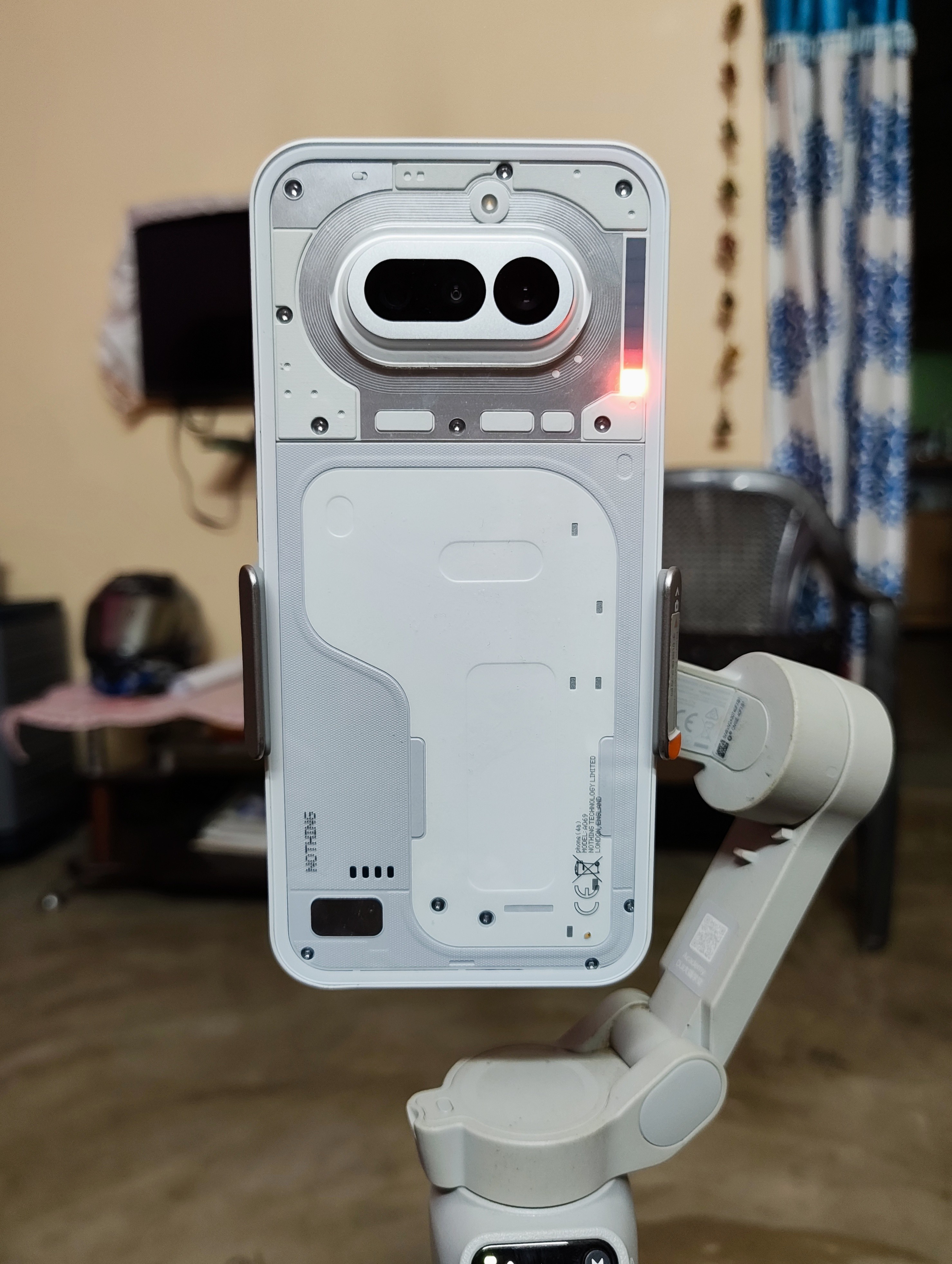
Let’s address the elephant in the room: the design. Yes, it’s beautiful. Yes, it’s unique. Is it going to be to everyone’s liking? Maybe not, but it is easily one of the most detailed and intricately crafted devices out there.
Every single element of the back panel has a distinct texture—ranging from dotted patterns to horizontal lines. It looks like a collection of separate components put together, yet they create a great harmony, giving the back panel a striking sense of depth. It almost gives off the nostalgic vibe of a removable battery design.
The aesthetic feels much more matured compared to the raw, industrial look of the 3a series. While the older models gave Nothing its initial identity, this new approach shows the brand is truly growing up. The glyph bar complements this perfectly. It’s significantly smaller than previous iterations, but it serves the exact same purpose while looking much more subtle.
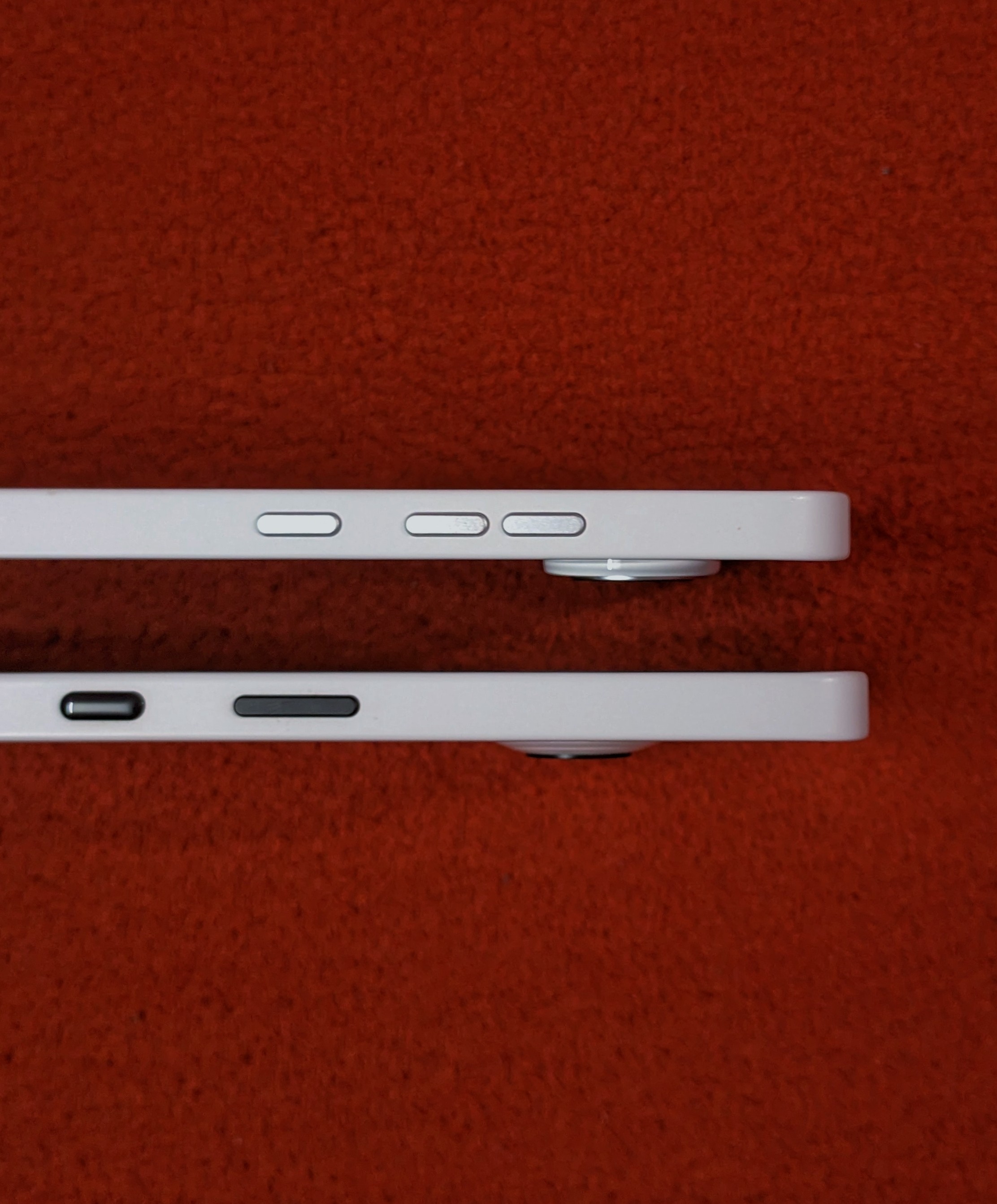
Material-wise, the back is definitely glass, though the side frame and buttons are plastic with a metallic finish. The volume rocker and power buttons feature a nice matte texture, while the essential button is smooth. Speaking of which, gone are the days of accidentally hitting the essential key; it has been shifted to the left side of the device where it stays out of the way.
✅ Pros
- A more mature, sophisticated design layout with great color options.
- A subtle glyph bar that fixes the slight yellowing tint seen on older glyph lights.
- Relocated essential key protects against accidental presses.
❌ Cons
- The glass back makes the phone incredibly slippery; using the included case is highly recommended.
- The boxy frame ergonomics might feel slightly uncomfortable during extended, single-handed use.
Display
The moment you fire up the screen, the upgrade is instantly noticeable. Moving from the 1080p display of the 3a to a 1.5K resolution panel makes everything look incredibly sharp. It is also remarkably bright, peaking up to 1600 nits, making outdoor visibility on a bright, sunny day effortless. The inclusion of high-frequency PWM dimming also eliminates screen flickering at low brightness levels, which is a massive win for eye comfort.
✅ Pros
- LTPS display featuring a dynamic refresh rate up to 120Hz.
- Excellent outdoor legibility with thin, uniform bezels (91.3% screen-to-body ratio).
- Great low-light viewing thanks to effective anti-flicker dimming.
❌ Cons
- The auto-brightness calibration can feel a bit jerky, occasionally forcing you to make manual adjustments.
Cameras
While the main camera sensor is carried over from the 3a, the processing has received a massive bump, turning out much cleaner, sharper images. However, the absolute highlight here is the new periscope telephoto lens. While the 3a relied on a standard telephoto sensor, the 4a brings pro-tier zoom capabilities down the line.
You get a massive jump from 2x to 3.5x optical zoom, and up to 70x digital zoom. The natural depth-of-field and bokeh it creates are excellent. On the flip side, the ultra-wide lens remains identical to the 3a, which feels like a missed opportunity—it still struggles and delivers hit-or-miss results in low-light environments.
For video and stability, the OIS and EIS combination works flawlessly. The inclusion of camera presets (alongside downloadable CommunityMade presets) is a fantastic touch. Plus, the RCB-themed frame option is an awesome visual addition.
✅ Pros
- Main camera processing yields much cleaner, punchier shots than its predecessor.
- The periscope lens is a phenomenal addition, offering excellent optical range and beautiful natural bokeh.
- Great software additions like community-driven presets.
❌ Cons
- The ultra-wide camera underperforms in low light, showing its age compared to the rest of the camera system.
Performance
Under the hood, the 4a is powered by the Snapdragon 7s Gen 4. While it might look like a modest generational iteration on paper, the real-world performance jump is distinct. Everyday navigation feels incredibly snappy, and apps launch significantly faster.
A lot of this speed can be attributed to the storage upgrade from UFS 2.2 to UFS 3.1. You really feel this during gaming sessions. Where the 3a struggled to maintain a locked frame rate in heavy titles, the 4a holds a constant 30fps in high-end games and easily pushes 120fps in BGMI and 90fps in CoD Mobile.
✅ Pros
- Snappy daily performance and fluid UI navigation via the updated Snapdragon chip.
- Significantly faster read/write speeds thanks to UFS 3.1 storage.
- Solid optimization for high-framerate competitive mobile gaming.
❌ Cons
- It won’t match the raw processing power of top-tier premium flagships.
- Mild thermal throttling and warmth can be felt during prolonged gaming marathons or continuous 4K video recording (though it remains manageable).
Battery & Charging
The physical battery size gets a slight bump up to 5080mAh (an 80mAh increase over the 3a). While it sounds minor, the combination of a more efficient processor and refined software optimization means the battery stretches much further than the numbers suggest. I easily hit 7 to 8 hours of Screen-on-Time (SoT), comfortably getting through a full day of heavy use.
When it comes to topping up, the phone now supports 50W PD fast charging, which gets you from zero to a full charge in roughly an hour.
✅ Pros
- Reliable all-day battery life with excellent SoT.
- Fast 55W Power Delivery compatibility.
- High longevity, rated to retain 90% charge capacity even after 1,200 charge cycles.
❌ Cons
- Wireless charging is still missing from this tier.
- Idle battery drain overnight is slightly higher than it should be and could use further software optimization.
Nothing OS 4.1
The software experience is anchored by the new Nothing OS 4.1. While the software has always been celebrated for being smooth and bloat-free, this version introduces highly requested quality-of-life updates alongside several tailored AI tools.
Here are a few features currently exclusive to the 4a experience:
- Wallpaper Depth Effect: This allows your lock screen clock to sit beautifully behind elements of your wallpaper. Even though it’s technically in beta, it works incredibly well and makes the UI pop.
- Essential Voice: This completely changes standard voice dictation. Powered by localized AI, it automatically cleans up your speech by removing filler words (“um,” “uh”), correcting small grammar slips, and matching your intended tone. It can even translate your spoken words directly into a different text language on the fly.
- Breathing Widgets: A beautifully designed set of health and relaxation widgets that pair minimalist UI animations with excellent, subtle haptic feedback.
Note: While app services are still technically present, they can now be completely uninstalled if you prefer a perfectly clean device.
The Verdict
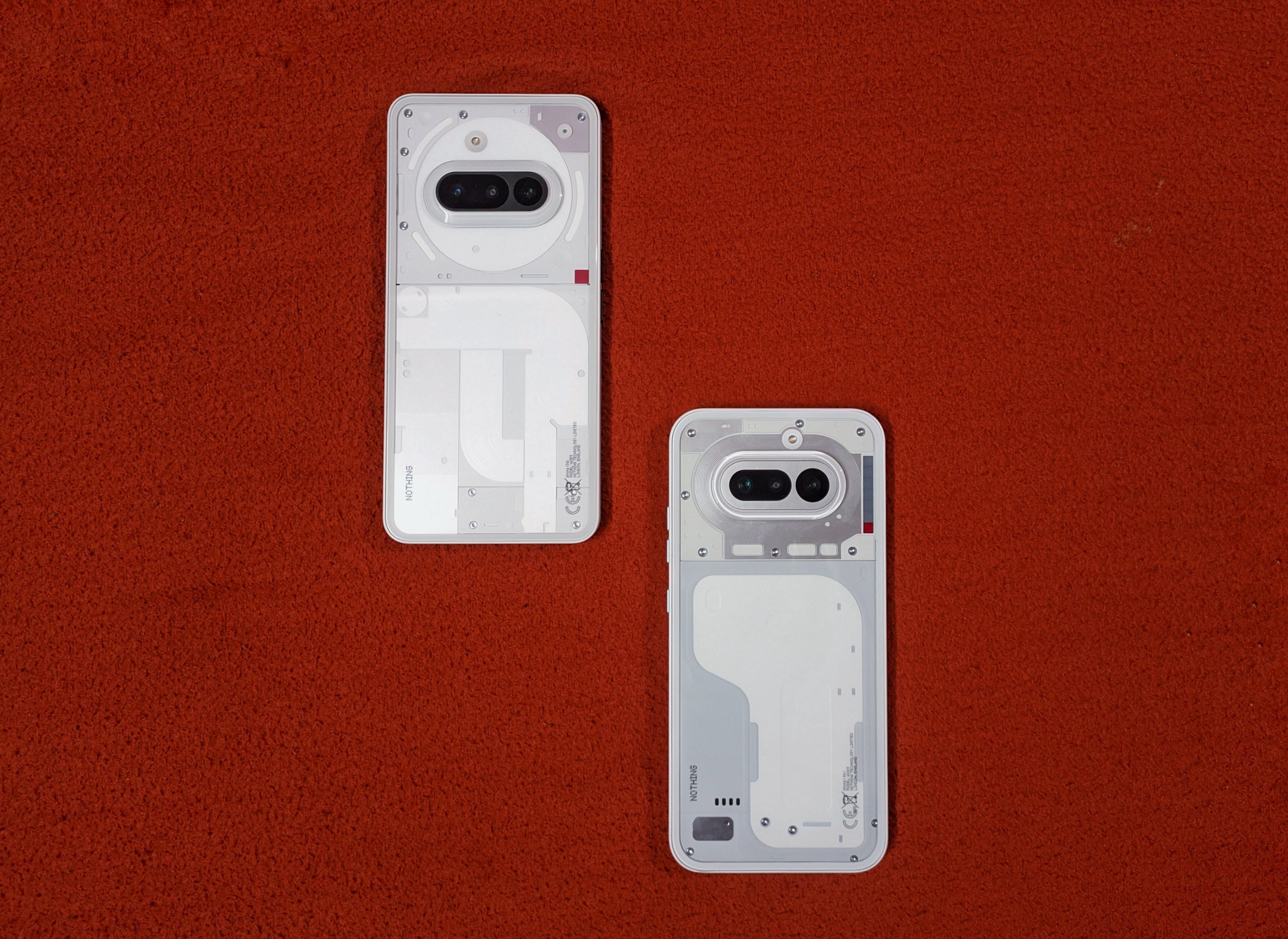
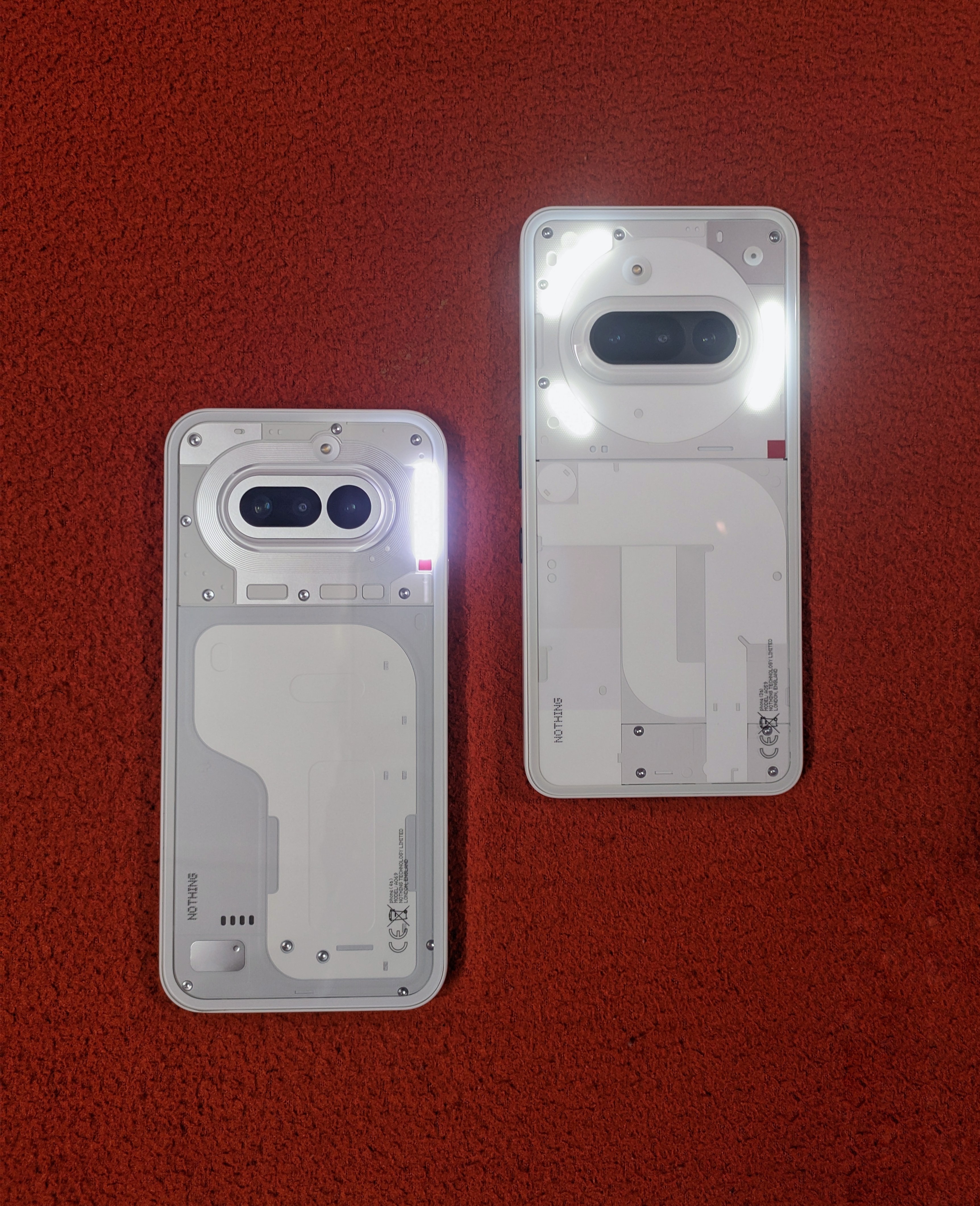
The Nothing Phone (4a) is an undeniable step up from the 3a. You are getting a substantially better periscope camera, a sharper 1.5K display, faster UFS 3.1 performance, and great software exclusives.
However, that tech comes at a premium it lands at about 8,000 to 9,000 INR more expensive than the 3a’s launch price. If you are currently holding a Phone (3a) that still works perfectly, the price jump makes an immediate upgrade tough to justify. You might want to wait it out for a good sale. But if you are upgrading from a Phone (2a) or shifting over from another brand entirely, this is an absolute, definitive buy.
Huge thanks to the community for reading! Let me know your though or if you have any questions about the device in the comments below.
Also special mention to @Deepanshu_Saini_ and @HaroonRafi for the opportunity.
