Being a computer and mobile tech of over 30 years, there is a lot that is missing here.
First things first, I appreciate you are a university student, but in the grand scheme of things, that means nothing at all (no offense). Anyone who reviews cell phones can do exactly what you have done.
Second, you have multiple different architectures and configurations here that you have “tested”. Each device has their own software and hardware customizations, parts from different manufacturers, different chipsets, and different battery manufacturers. Stating that Nothing has a battery optimization problem based on a strict testing regiment such as yours simply ignores real world use case scenarios. The software OOBE is not them same for ANY of the devices you have listed - and that even varies by which carrier you got the phone from!
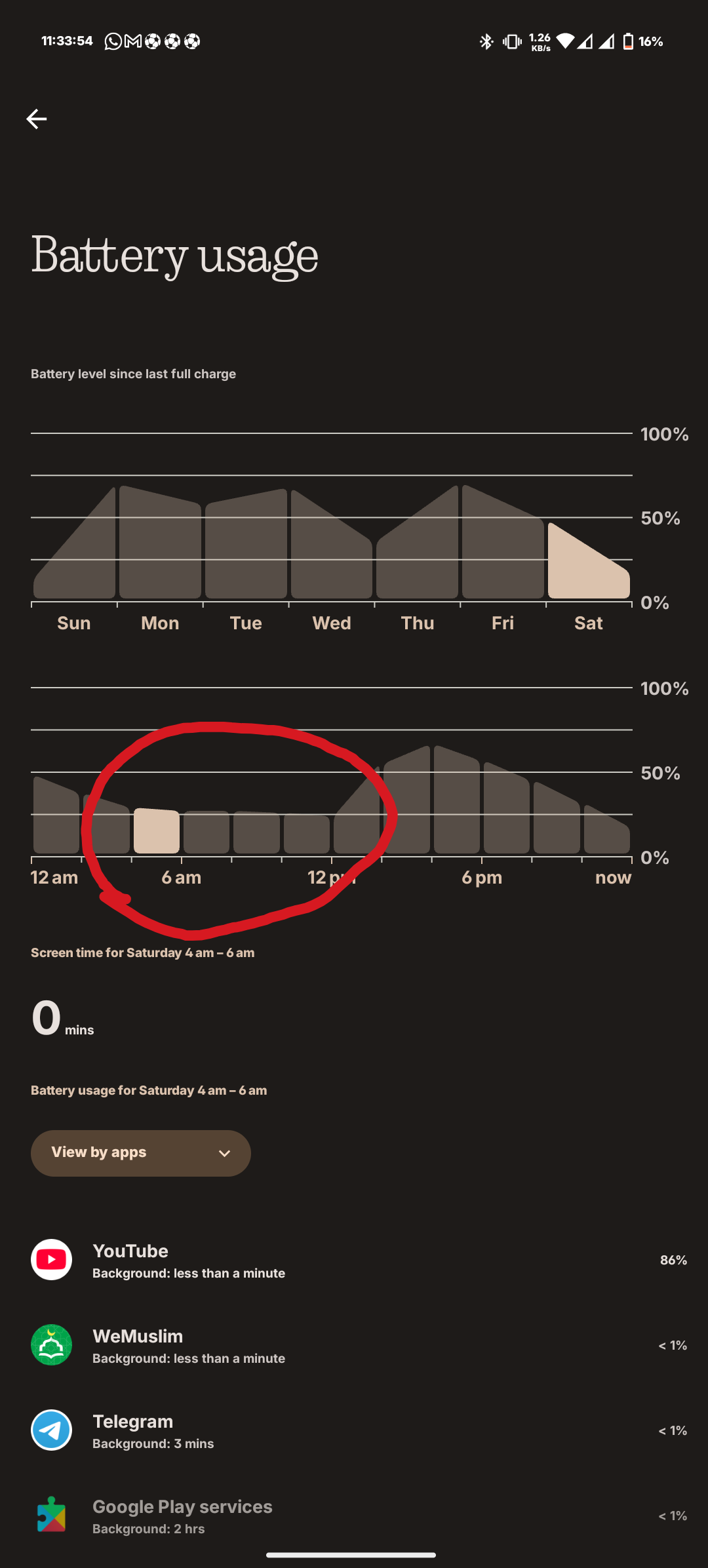
Thirdly, everyone has their own setup on these devices, and trillions of configurations of installed software. It is up to the software developer to optimize their apps for performance / battery drain. A great example of this is Meta. Meta’s products (Facebook, Facebook Messenger, Threads, Instagram, and WhatsApp) are the worst offenders in this category (whether they are preinstalled or self installed) and are constantly running in the background no matter what settings you are changing, and they are also collecting and sending ridiculous amounts of data about you back to Meta (this is just one company’s products as an example, as there are plenty more that publicly do that same thing). Heck, I even remember last year the iPhone 16 series had a massive battery drain problem at first because Meta never optimized their apps for iOS!
The other points that are missing are what connectivity are you using? Radios behave, once again, differently based on manufacturer software configurations on top of Android’s - 4G? 5G? 5G+/UC/UW? WiFi Only? Are you set to 4G only or 5G swtiching / fast switching / use more data over 5G? How many bluetooth devices are connected if any? Are bluetooth or WiFi shut off if you are not using them when you are testing?
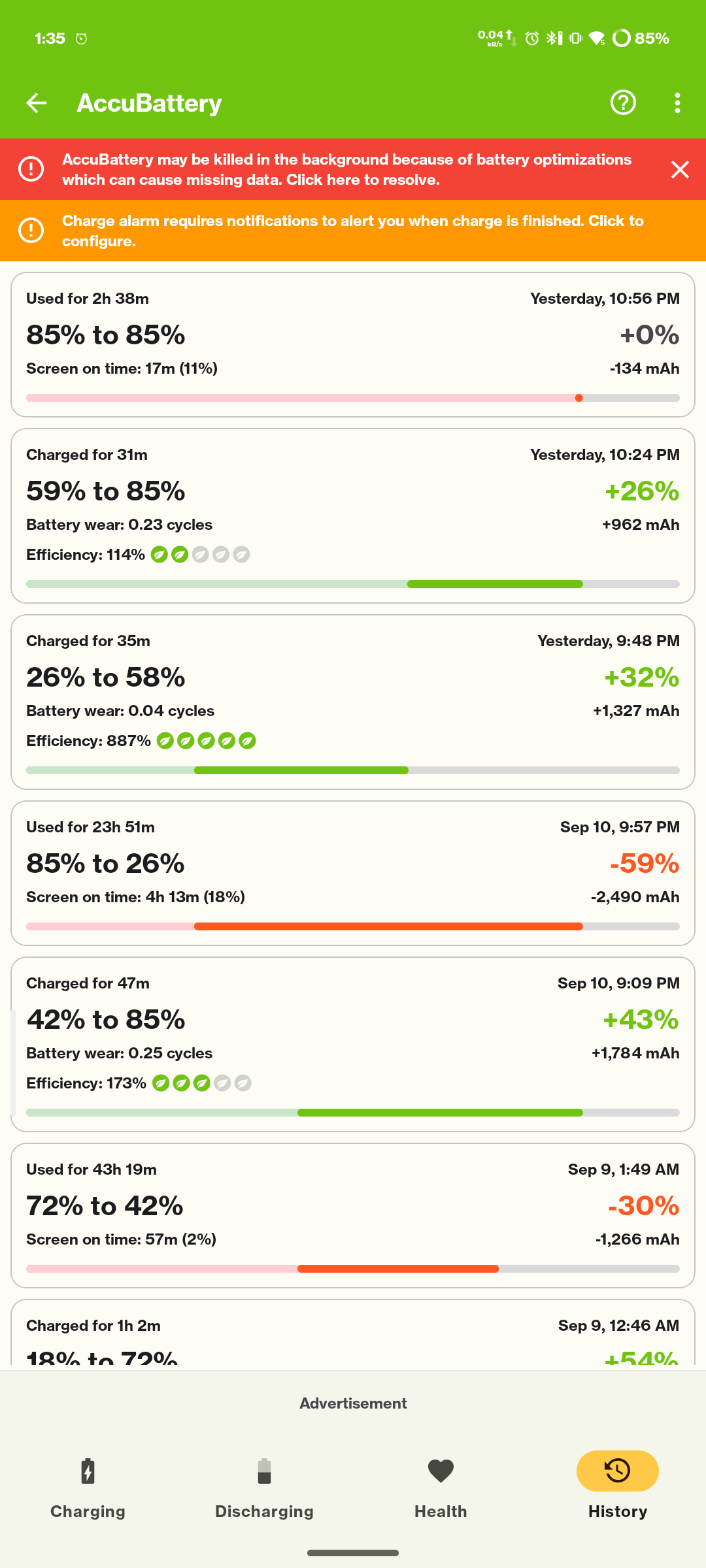
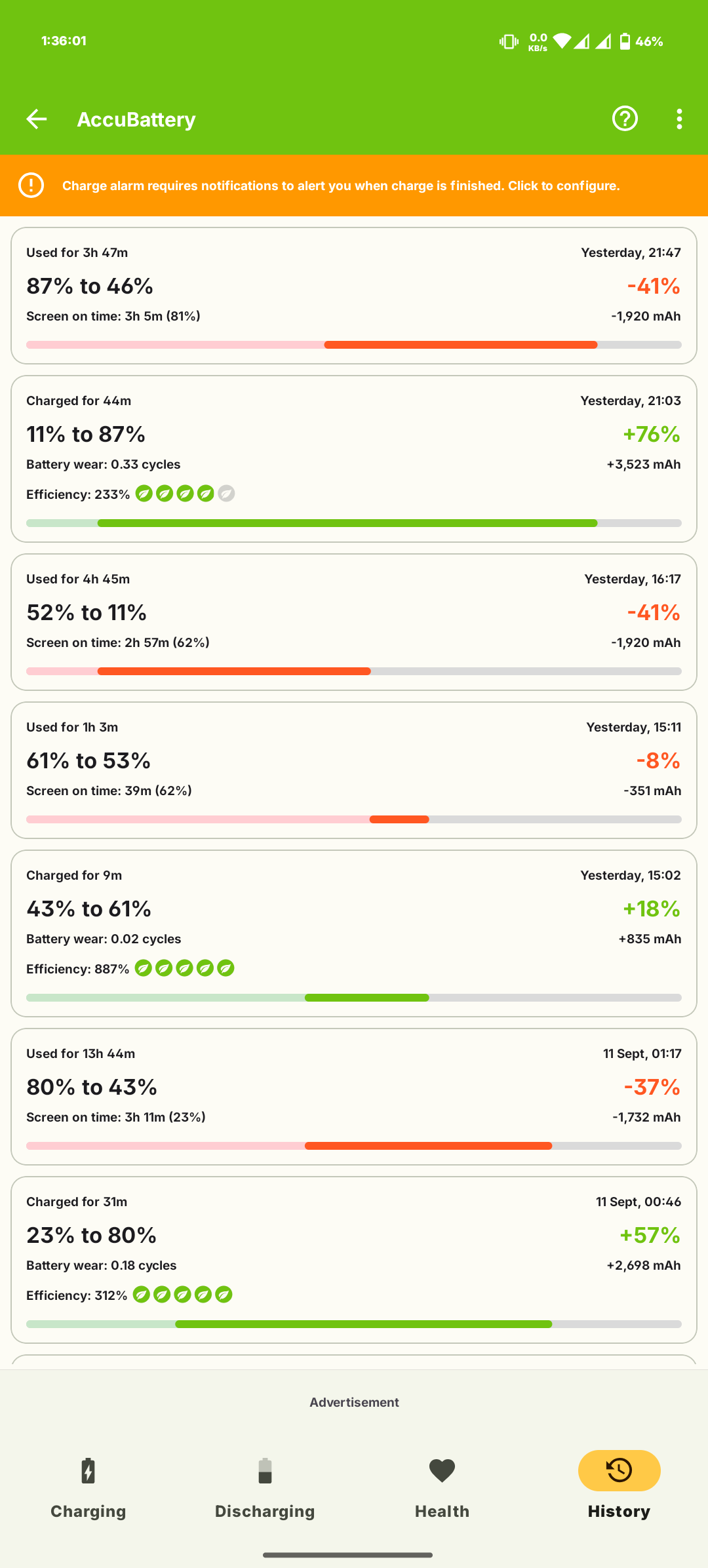
Case in point: I do not use Google’s products other than to get the apps I need to use on the daily from the Play Store. Everything else from Google has been uninstalled or disabled. I do not use social media platforms, as I believe they are (in my personal opinion), an unchecked cancer on society as a whole - so, none of those installed. I use Proton products as I firmly believe in mitigating what I share with big tech companies. So, on the daily: texting, calls, music streaming, shopping, banking, checking my blood sugar (as I wear a CGM), catching the occasional YouTube video, taking pictures, light gaming (not AAA titles), checking news and weather, reading emails, etc., I am getting well over 14 hours on a single charge on my Nothing Phone 3a. Not to mention having my Nothing ear(a) buds connected via bluetooth, as well as my CMF Watch 3 Pro connected via bluetooth as well.
Having said all of that, I feel that your testing method is far too astringent, and does not take into account actual real-world use for most consumers, hence you have wasted all this time and effort on bad variables, to come to a baseless conclusion that Nothing needs to optimize their batteries / battery usage / drain.
I appreciate what you are trying to accomplish, and I am not being rude or discourteous to you. I am simply stating the facts as they are presented and the massive amount of variables you left out of your testing process.
If you feel the need to come here and beat up Nothing over the quality and usability of their products, please come in with a VALID argument, real-world data taking into consideration real-world variables, and then make your case. I wish you luck on your quest, but if I were one of your professors, and this was a class project, I would honestly had given you a failing grade on these points I have made alone…