After spending 30 days with the Nothing Phone (4a), including extensive real-world usage and photography, I can confidently say this device is one of the most unique contenders in its segment. Starting at Rs 31,999, it aims to deliver a balanced experience with a strong focus on design and cameras. But does it truly deserve to be called the king of its segment? Here’s my detailed experience.
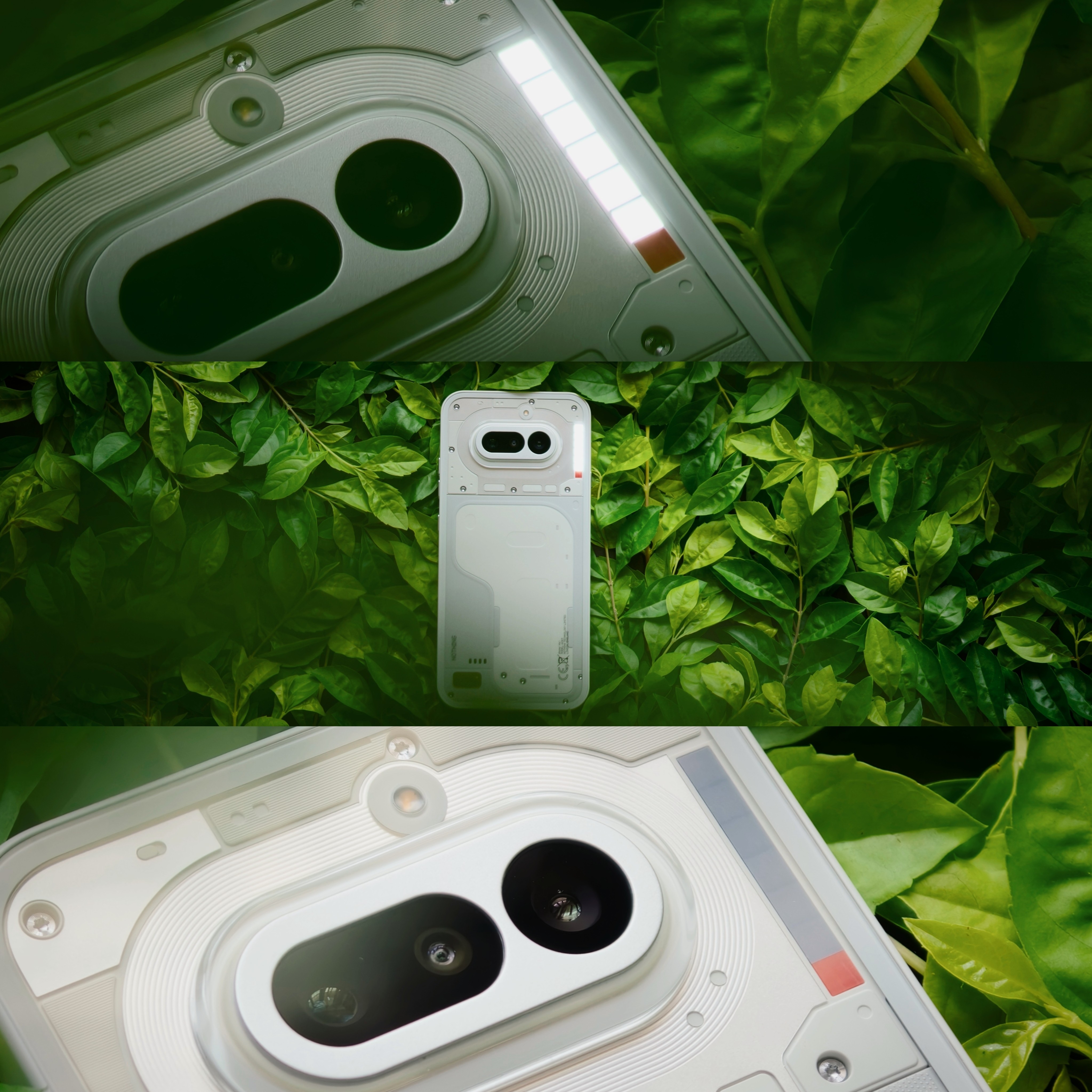
Design: A Refined Identity
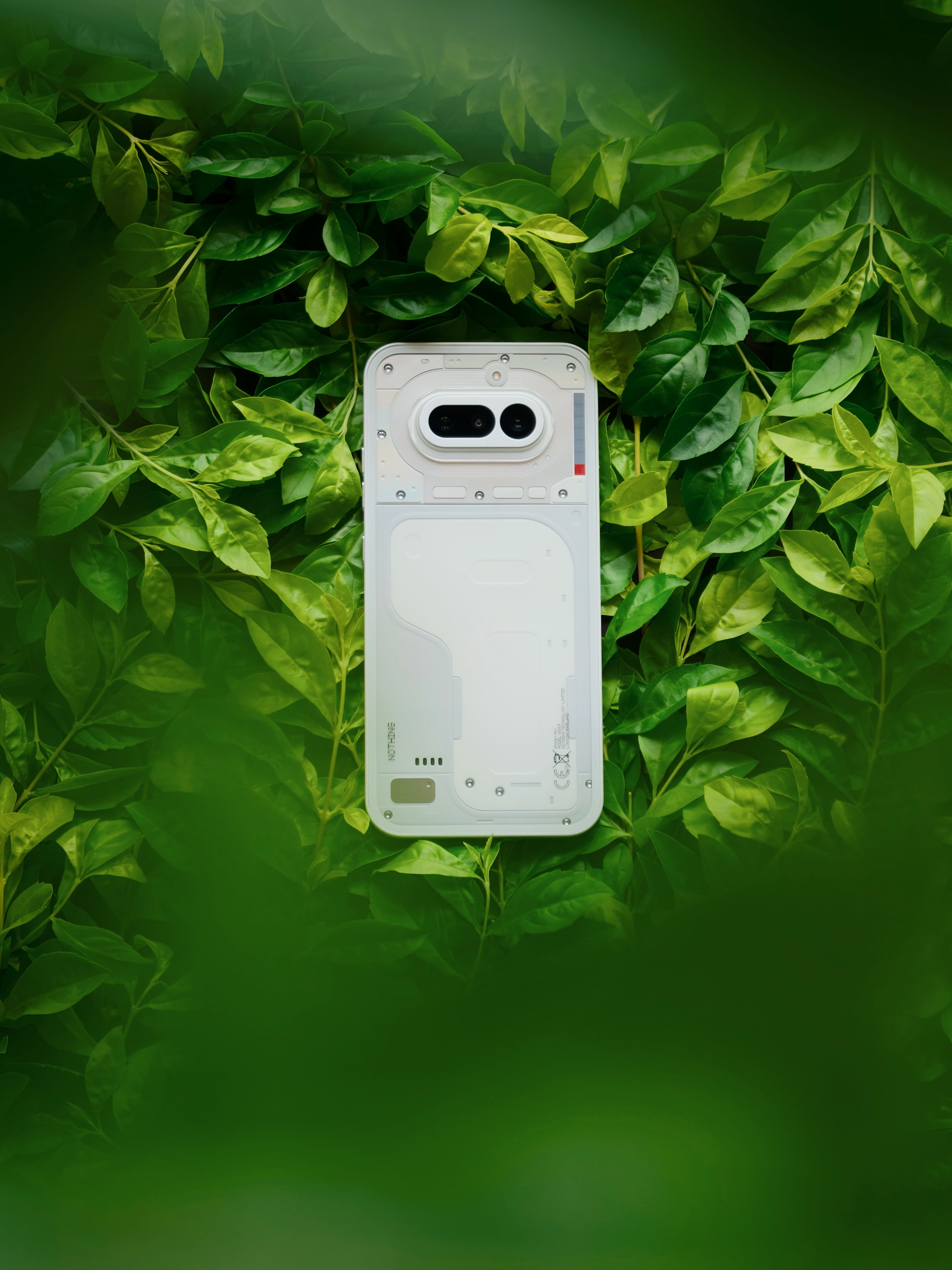
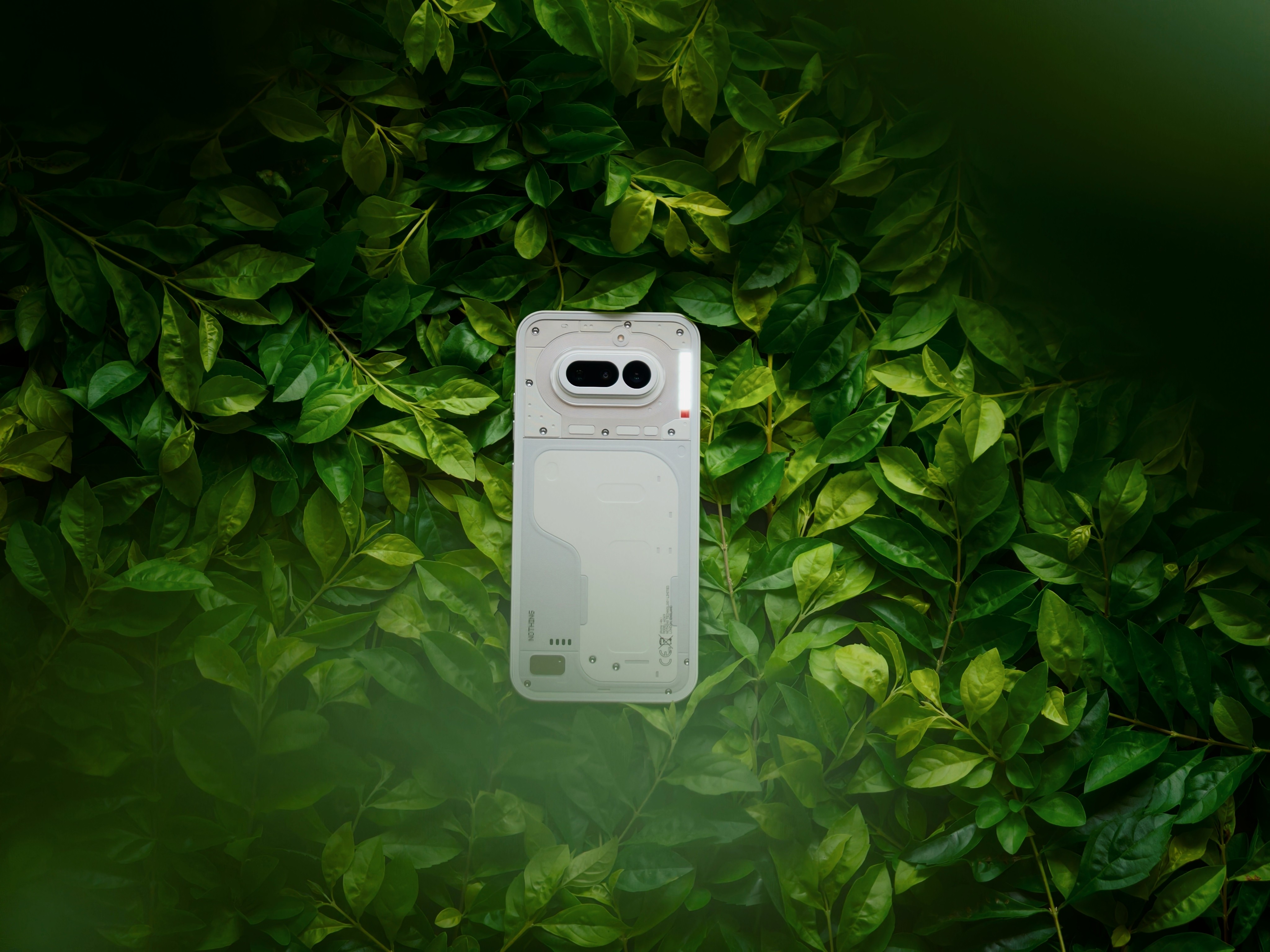
The Nothing Phone (4a) continues the brand’s iconic transparent design but introduces a more refined approach with the new Glyph Bar. Unlike the previous LED strips, the Glyph Bar feels more minimal, functional, and less gimmicky. It enhances usability by delivering notifications in a subtle and meaningful way without constantly pulling your attention to the screen.
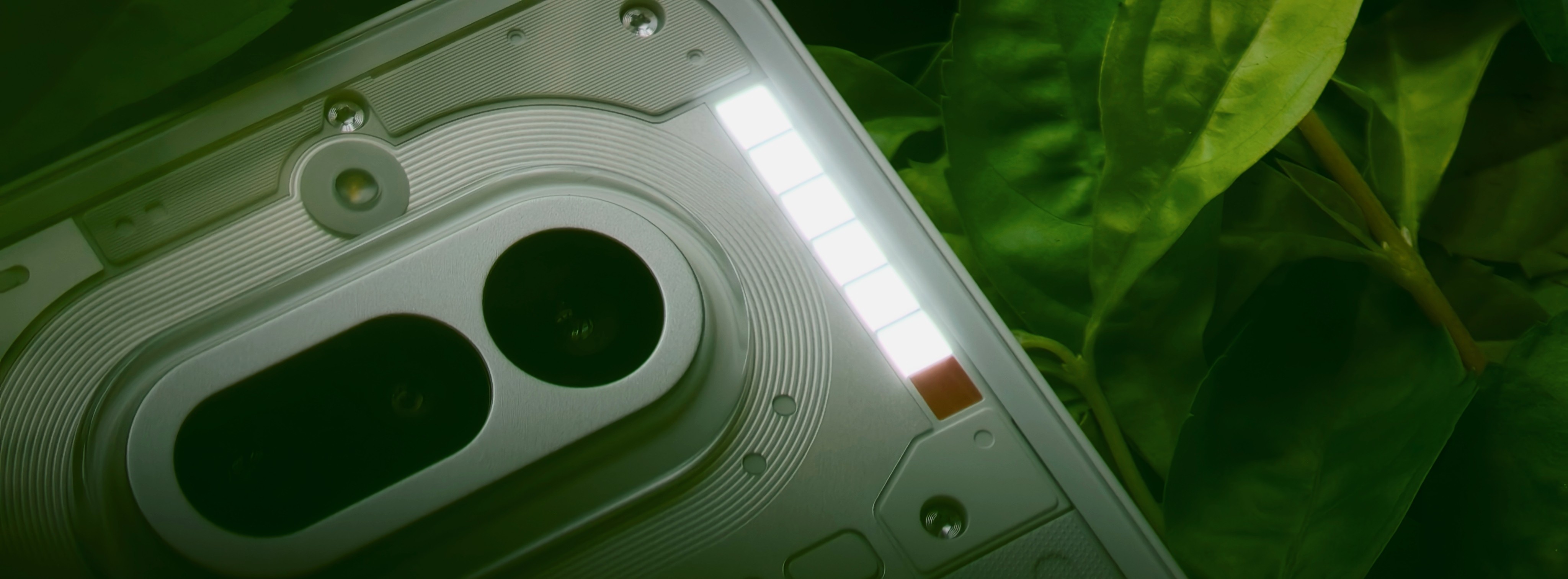
Features like Essential Notifications and app progress tracking make it genuinely useful in day-to-day life. The white variant stands out the most, offering a premium and eye-catching look that naturally draws attention.

However, the glossy plastic frame slightly reduces the premium feel, especially when compared to the glass back. On the positive side, the improved button placement and slightly curved edges make the device more ergonomic and comfortable to hold than its predecessor.
Overall, the design remains one of the strongest aspects of the phone, offering a unique identity in a crowded market.
Display: Bright, Sharp, and Reliable
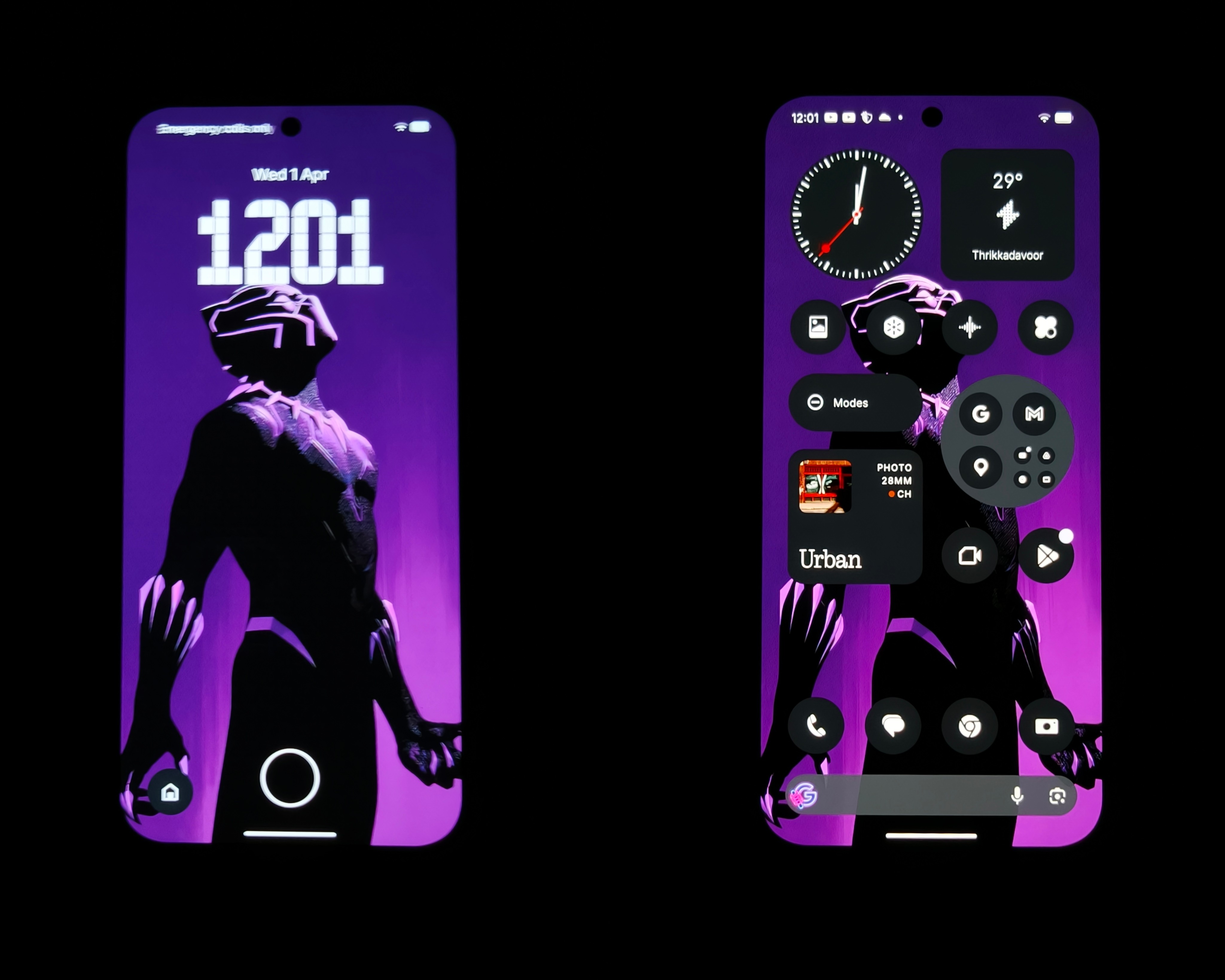
The 6.78-inch AMOLED display is a noticeable upgrade, featuring a 1.5K resolution, 120Hz refresh rate, and impressive brightness levels. In real-world usage, the display performs exceptionally well, especially outdoors where the increased brightness makes a significant difference.
As a photographer, I found the display reliable for reviewing images. It delivers sharp details, vibrant yet balanced colors, and solid viewing angles. The consistent 120Hz refresh rate ensures smooth scrolling and an overall fluid experience.
This is easily one of the best displays available in this price segment.
Software & Performance: Clean and Consistent
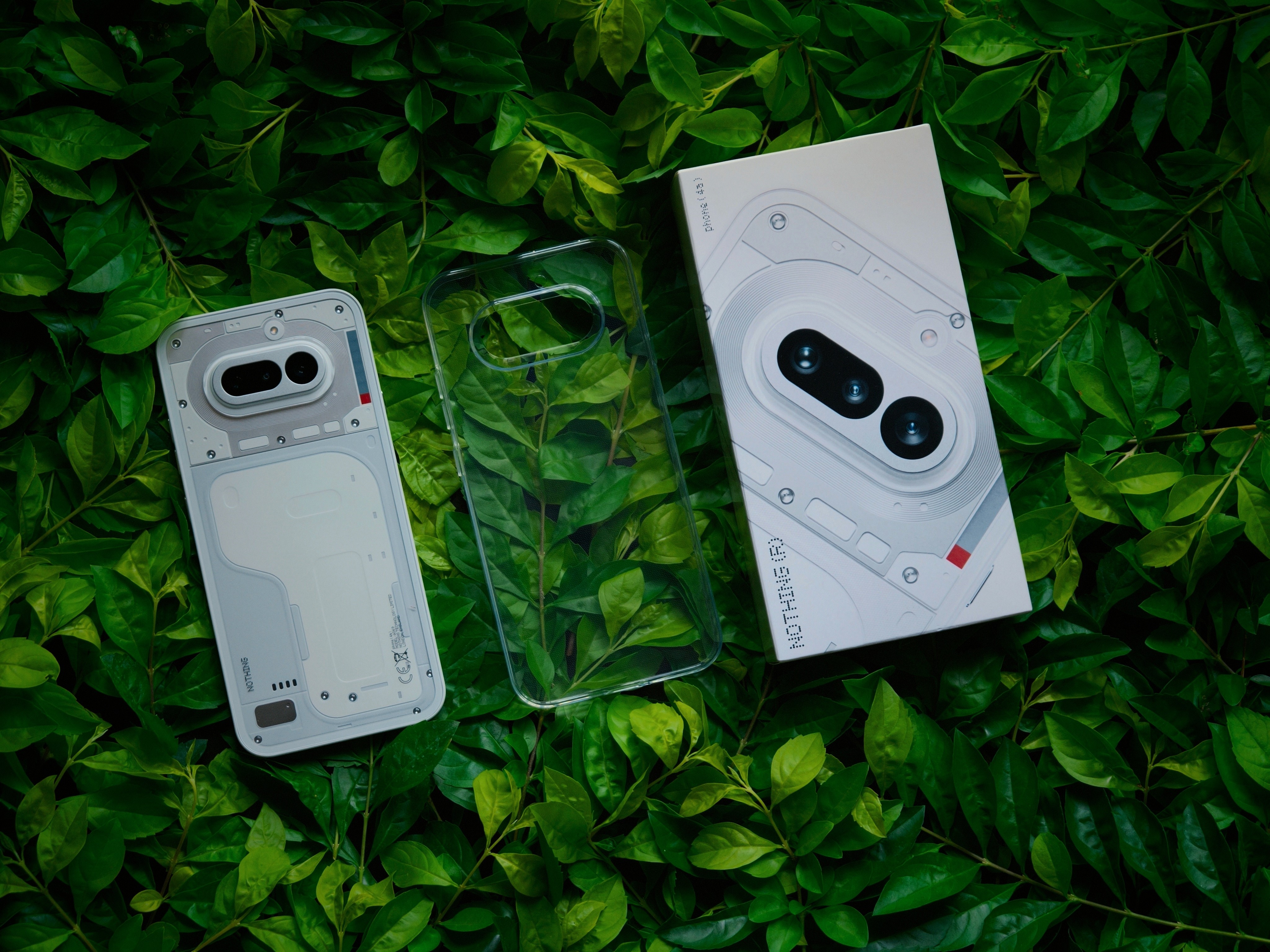
Nothing OS 4.1 continues to provide a clean, minimal, and smooth Android experience. While the visual changes are subtle, improvements in animations and customization options enhance the overall usability.
Powered by the Snapdragon 7s Gen 4 processor, the phone delivers stable and consistent performance. Throughout the 30-day period, I experienced no major lag or stuttering, even during heavy usage involving camera operations and multitasking.
The software experience feels polished and distraction-free, which is ideal for users who prefer simplicity. Connectivity performance was also reliable, although the absence of NFC in the Indian variant may be a drawback for some users.
Battery Life: Dependable All-Day Performance
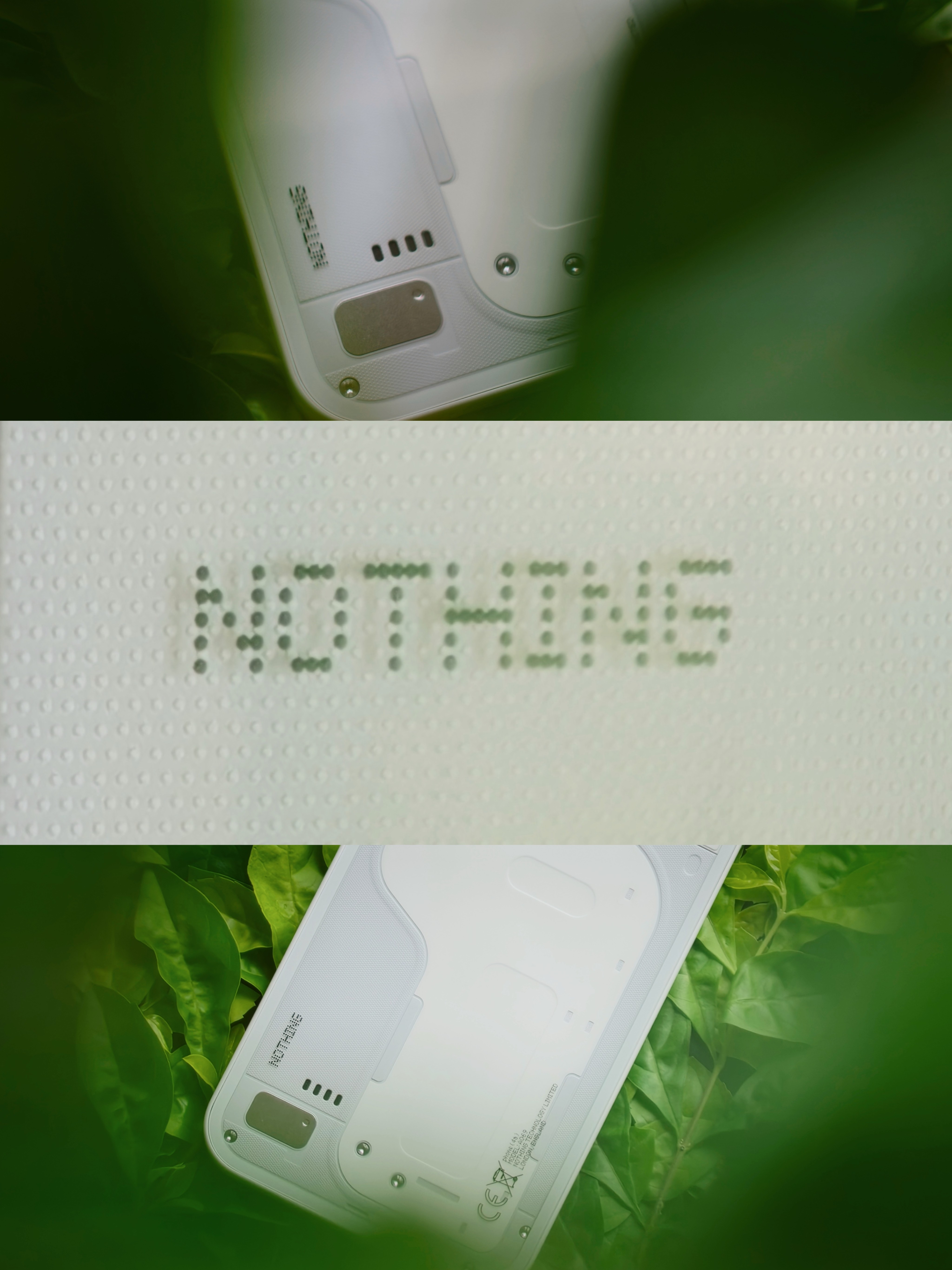
The 5400mAh battery in the Indian variant performs impressively in real-world usage. I consistently achieved around 7.5 to 8 hours of screen-on time, even with moderate to heavy usage that included photography sessions.
The device comfortably lasts a full day without any battery anxiety, which is crucial for users who rely heavily on their phones throughout the day.
Charging speeds are average, taking about 1 hour and 38 minutes for a full charge. While not the fastest in the segment, it is still manageable for most users.
Cameras: A Photographer’s Perspective
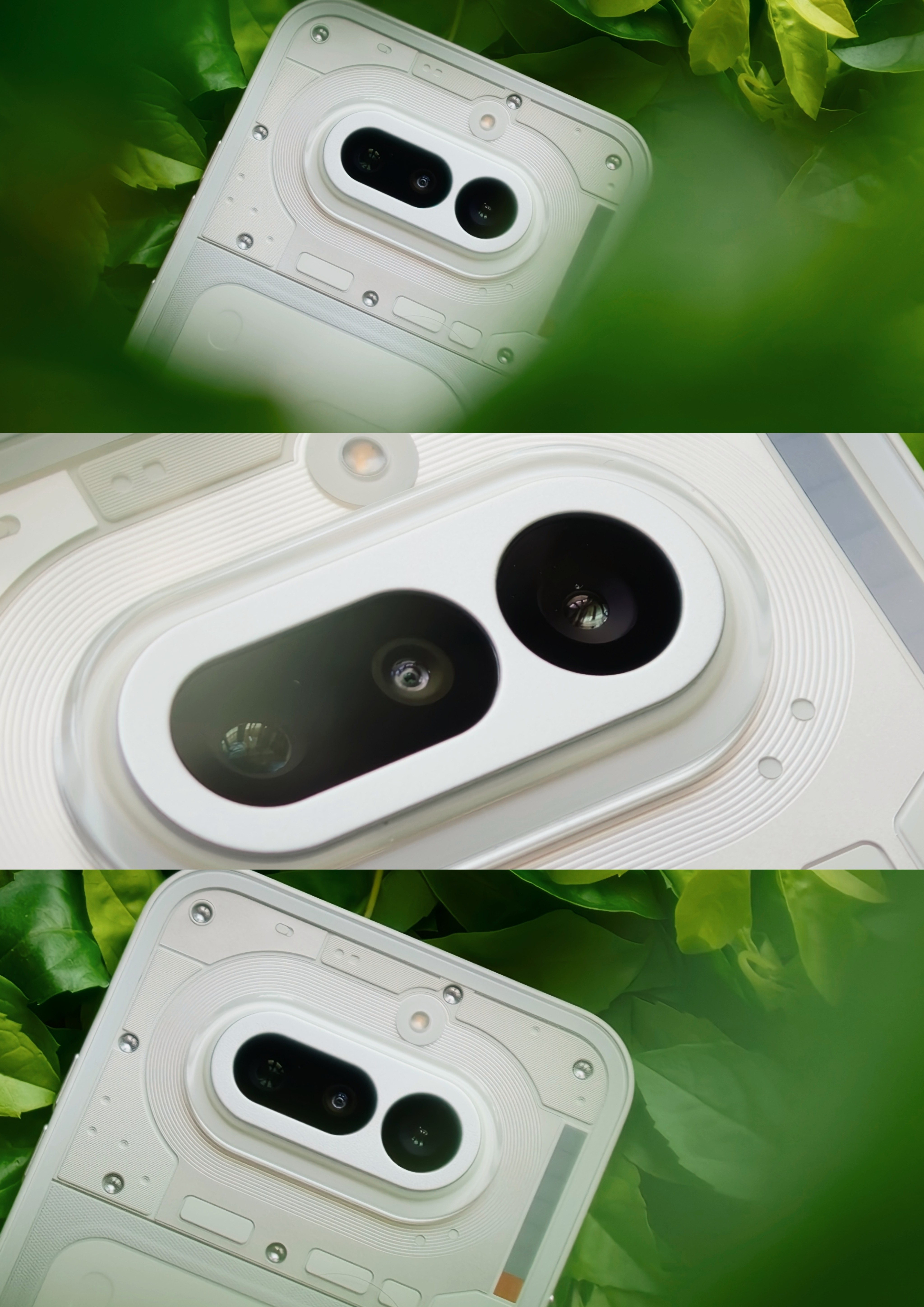
The Nothing Phone (4a) features a triple camera setup with distinct sensors, making it one of the most versatile camera systems in this price range:
- Primary Camera: 50MP Samsung GN9 (f/1.88, 1/1.57″) with OIS
- Telephoto Camera: 50MP Samsung JN5 Periscope (f/2.88, ½.75″) with OIS, 3.5x optical zoom
Ultra-wide Camera: 8MP Sony IMX355 (f/2.2, 120° field of view)
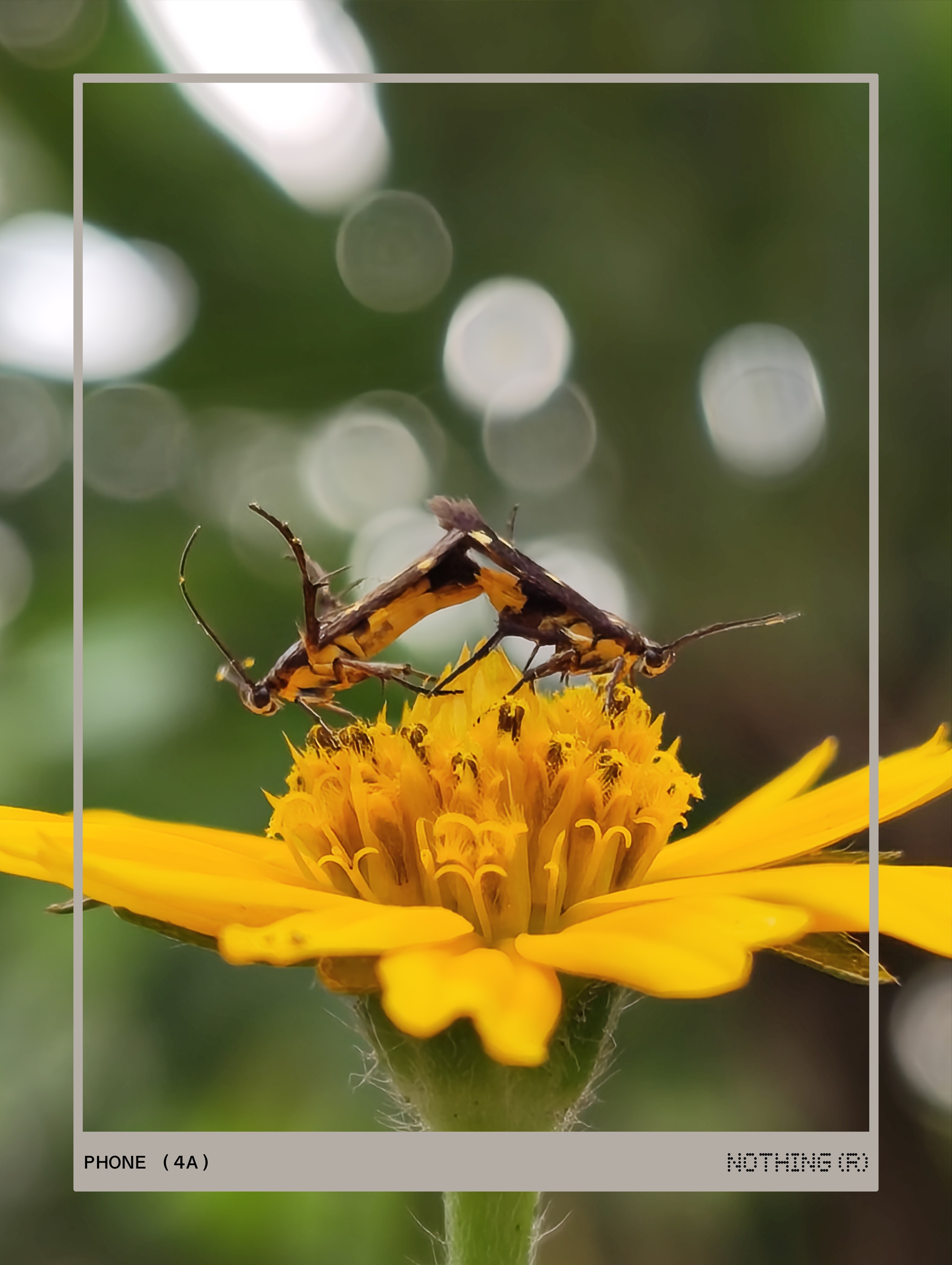
As a photographer, I found the primary camera to be excellent. It captures outstanding detail with vibrant yet natural colors and strong dynamic range. Even when zooming into images, the level of detail remains impressive, which reflects the quality of the sensor and processing. Also we can capture some incredible macro shot but don’t expect telemacro details.


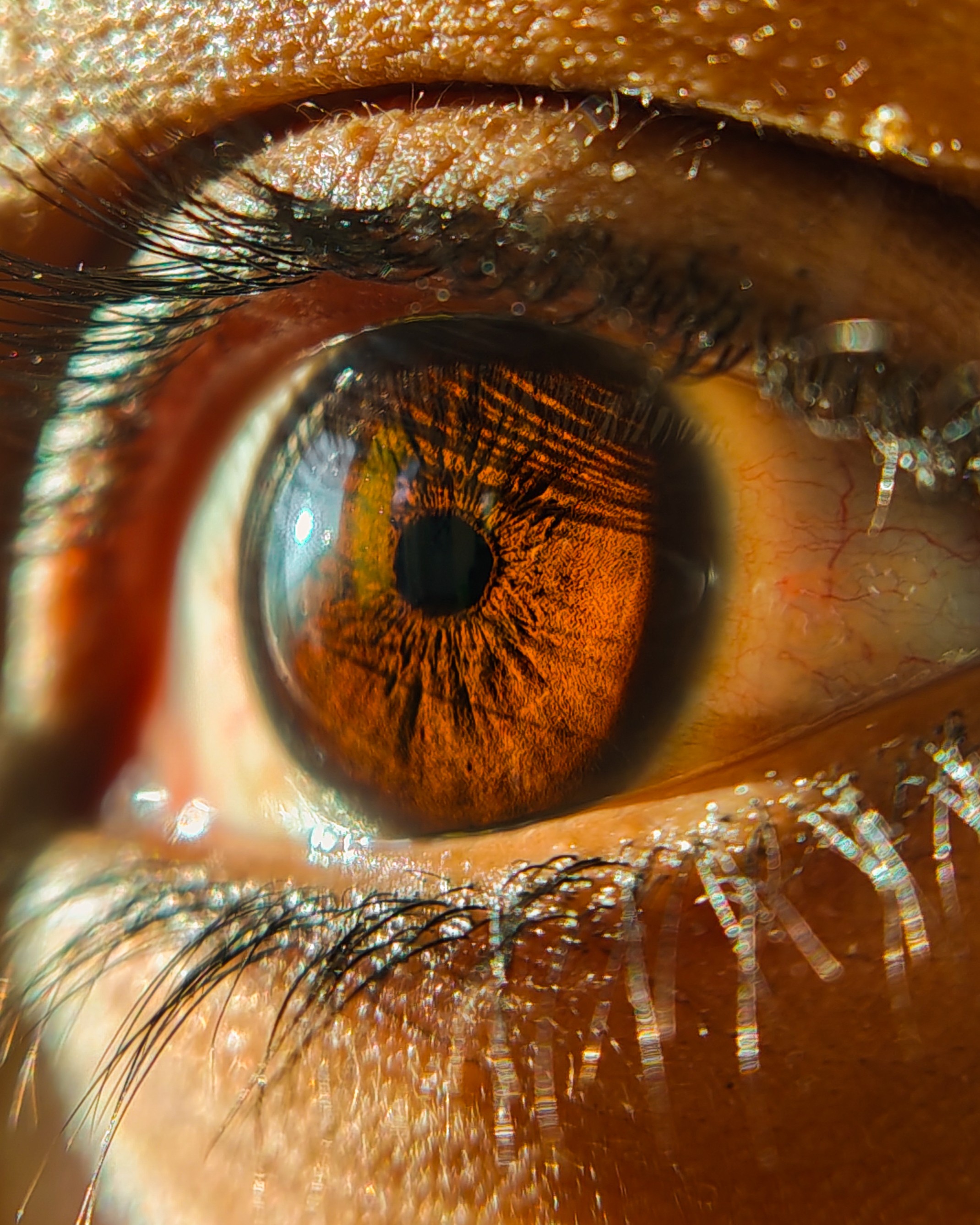



The telephoto lens is easily my favourite feature. At 3.5x optical zoom, the images are sharp, detailed, and maintain consistent colors with the main sensor. Even up to 7x zoom, the shots remain usable, which is rare at this price point and adds real value for photography enthusiasts





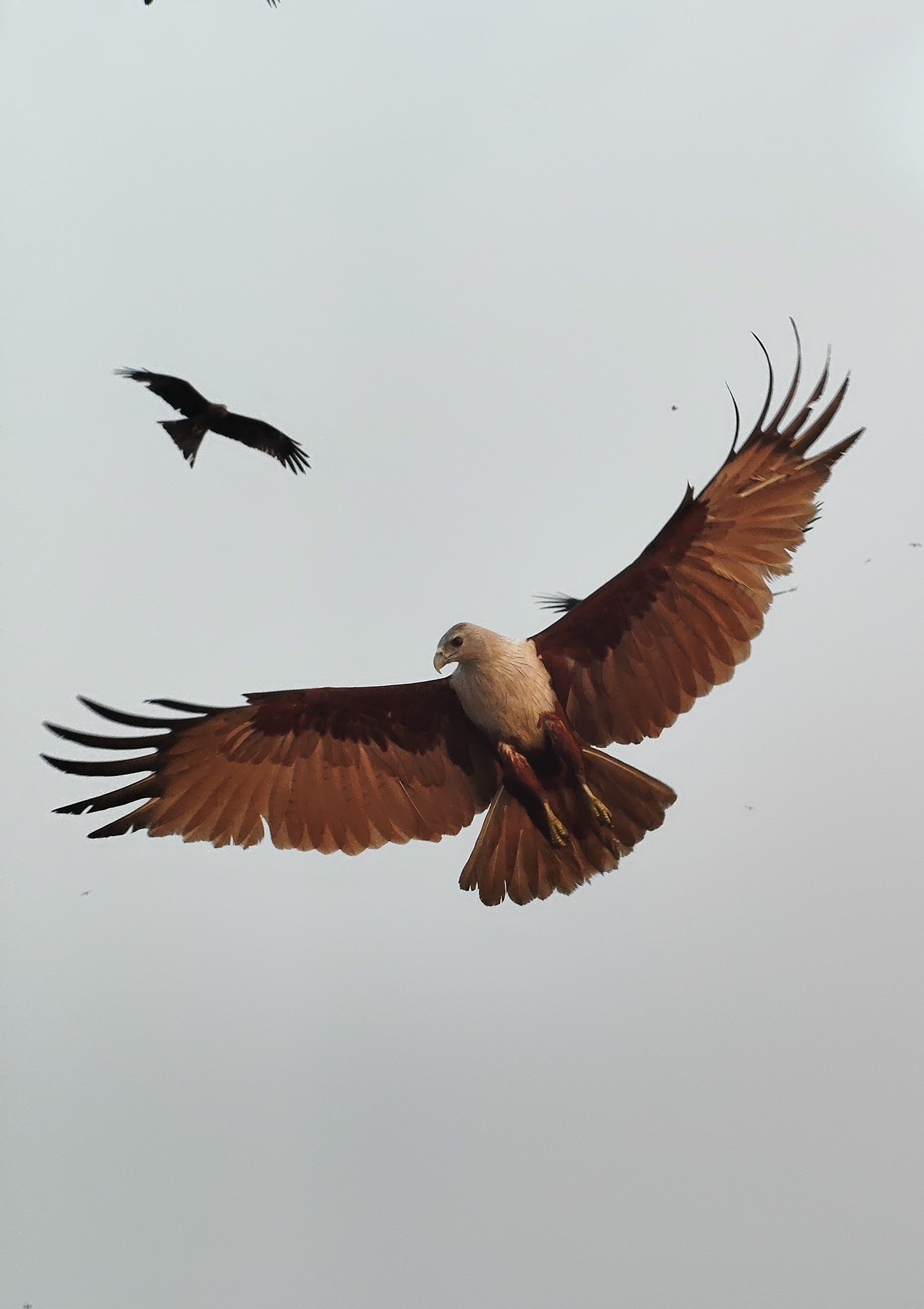




However, the ultra-wide camera is the weakest part of the setup. Images tend to lose detail and contrast, and there is noticeable over-processing. While the colors try to match the main sensor, the overall output lacks consistency.



Portrait shots are generally pleasing, with natural background blur and decent edge detection, although it struggles in more complex scenarios. In low-light conditions, the camera performs fairly well with good color retention, but some noise is visible, and focusing becomes inconsistent in very dark environments.

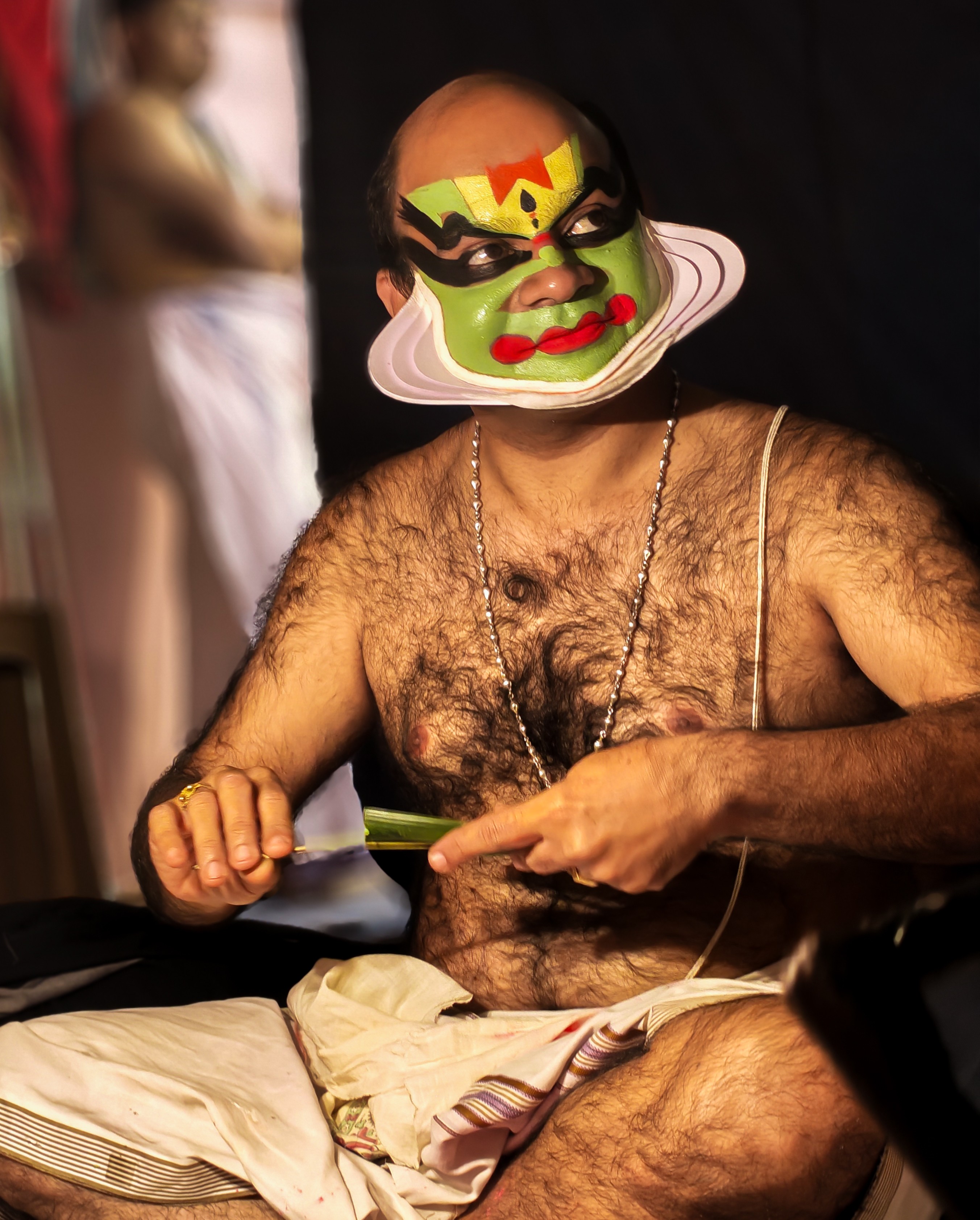
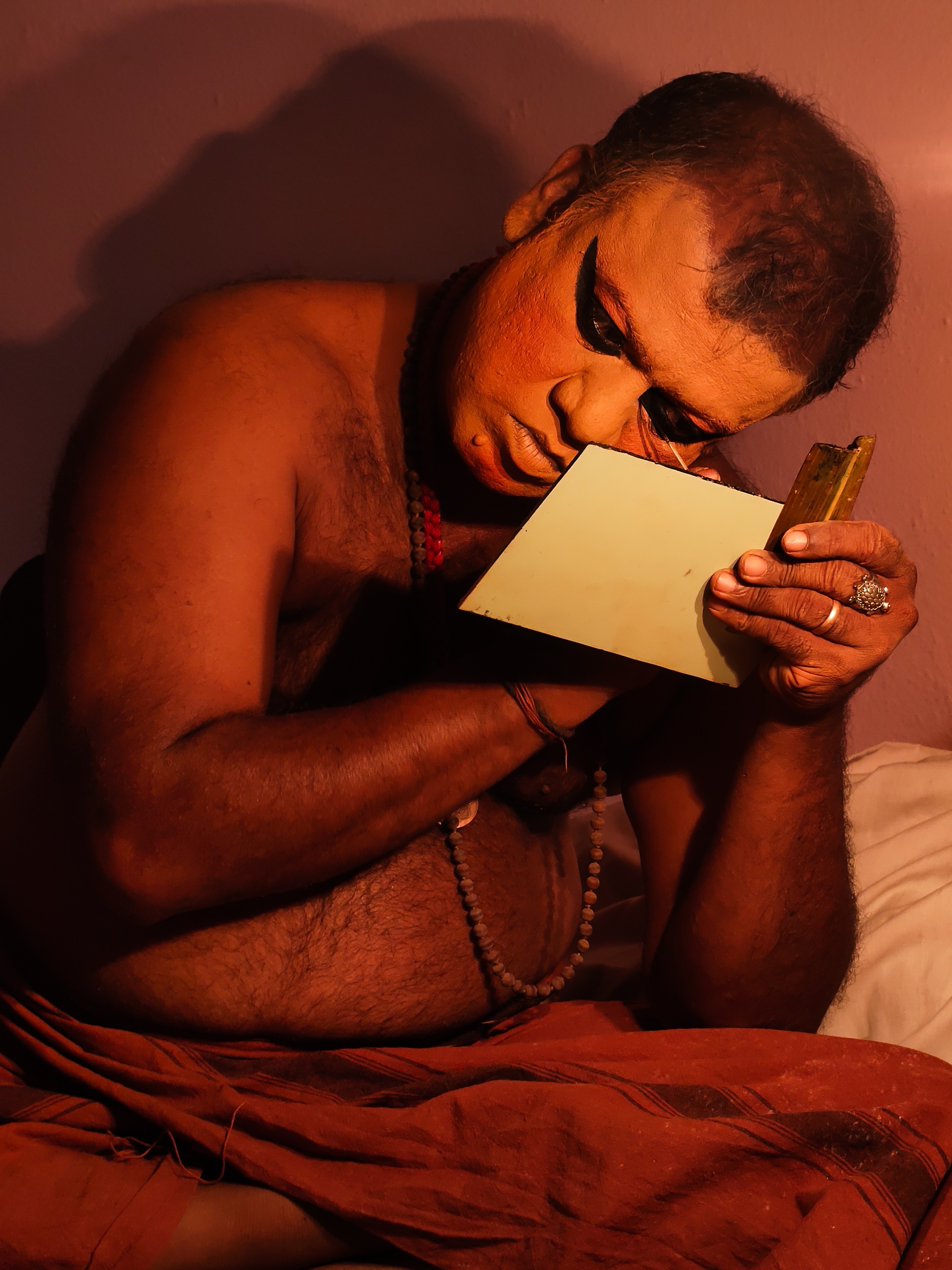

When it comes to video recording, the experience is average. While the primary camera supports 4K at 30fps, the ultra-wide camera is limited to 1080p, and the front camera also lacks 4K support. Stabilization is decent but shows noticeable jitters in certain situations. As a photographer, this is one area where I feel the device needs improvement, especially considering how strong its still photography performance is.
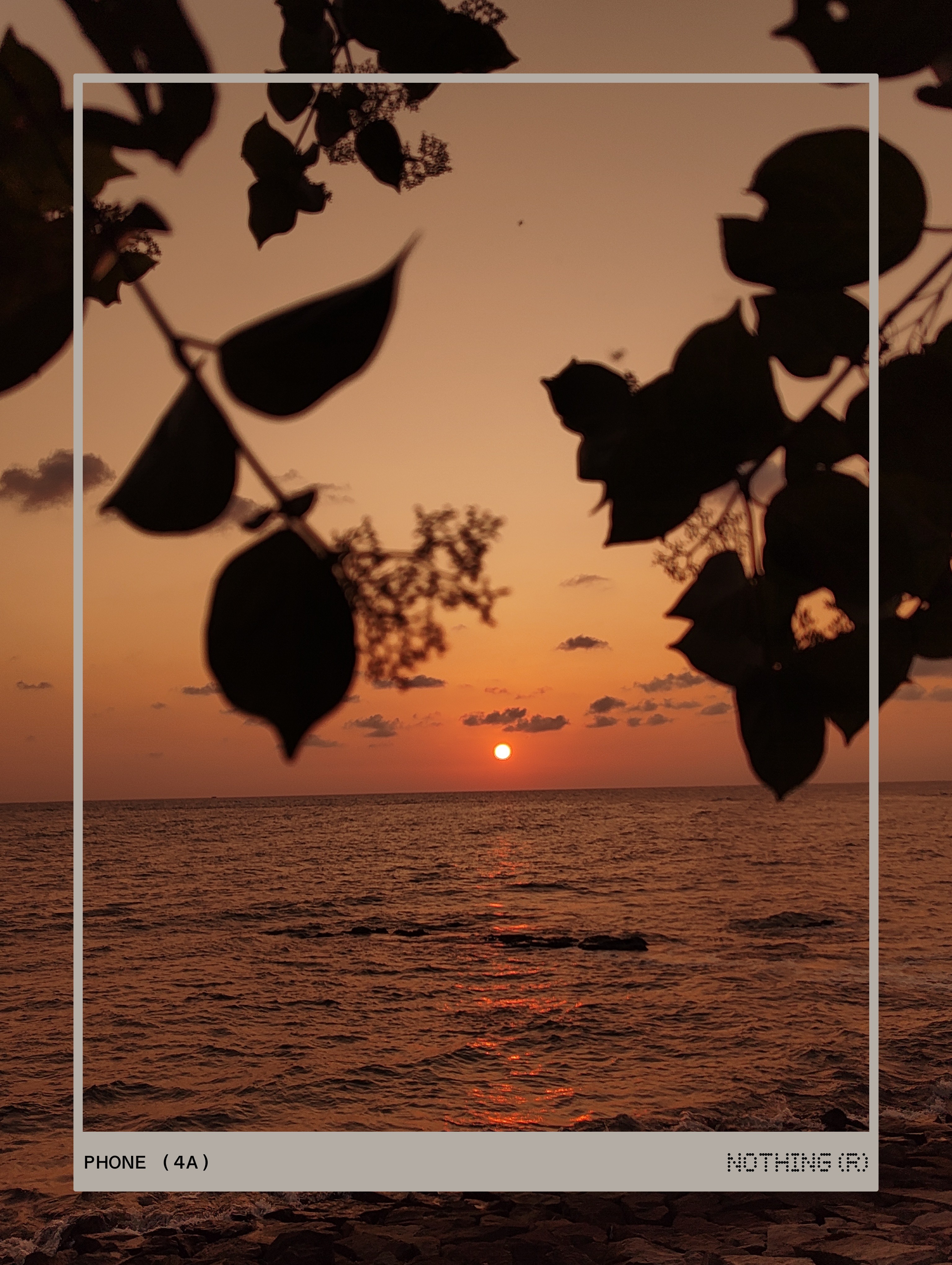
Some More Favorite Shots









Final Verdict: Almost the King
After 30 days of usage, the Nothing Phone (4a) stands out as a device that prioritizes experience, design, and usability over just raw specifications.
It excels in areas like design, display, battery life, and photography — especially with its telephoto capabilities — while falling slightly short in video recording and ultra-wide camera consistency. The device has a distinct personality, something that many smartphones in this segment lack.
With further software refinements, particularly in camera consistency and video stabilization, it has the potential to truly dominate its category. For now, it comes very close — but just misses the crown.
Pros
- Unique and premium transparent design
- Functional and refined Glyph Bar
- Bright and sharp AMOLED display
- Clean and smooth software experience
- Strong primary and telephoto cameras
Cons
- Ultra-wide camera lacks consistency
- Video recording needs improvement
- No NFC support in Indian variant
