Big thanks again to the Nothing team for letting me get early access to the Phone (4a) Pro through the Community Review Program 🙌
Following on from the (4a), the Pro version steps things up slightly, but the real question is: how much does that actually matter in day-to-day use?
📱 Design & Feel
I’ll be honest, the design didn’t win me over straight away.
Initially, it felt less “iconic Nothing” compared to the (4a), leaning more into a cleaner, mainstream look. But over time, it definitely grew on me. It’s a big change in the CMF used across the device, and I can see why Nothing might’ve made this shift, it’s clearly aimed at appealing to a broader audience, especially with the more varied colour options like with the (4a).
That said, I still prefer the more industrial, standout look of the (4a) and other devices within the (3a) series – the (3a) Pro is still one of my favourite designs to date.

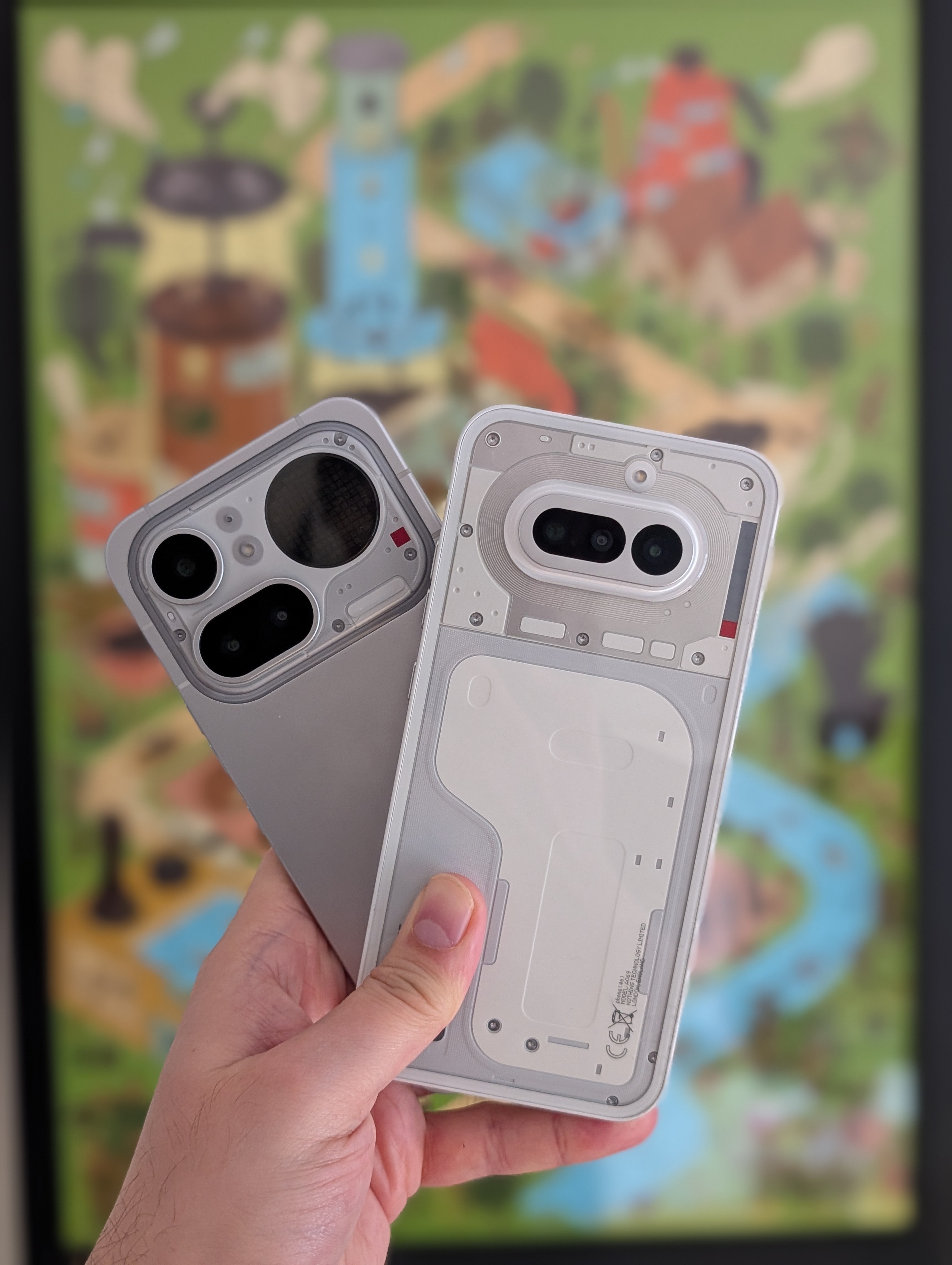
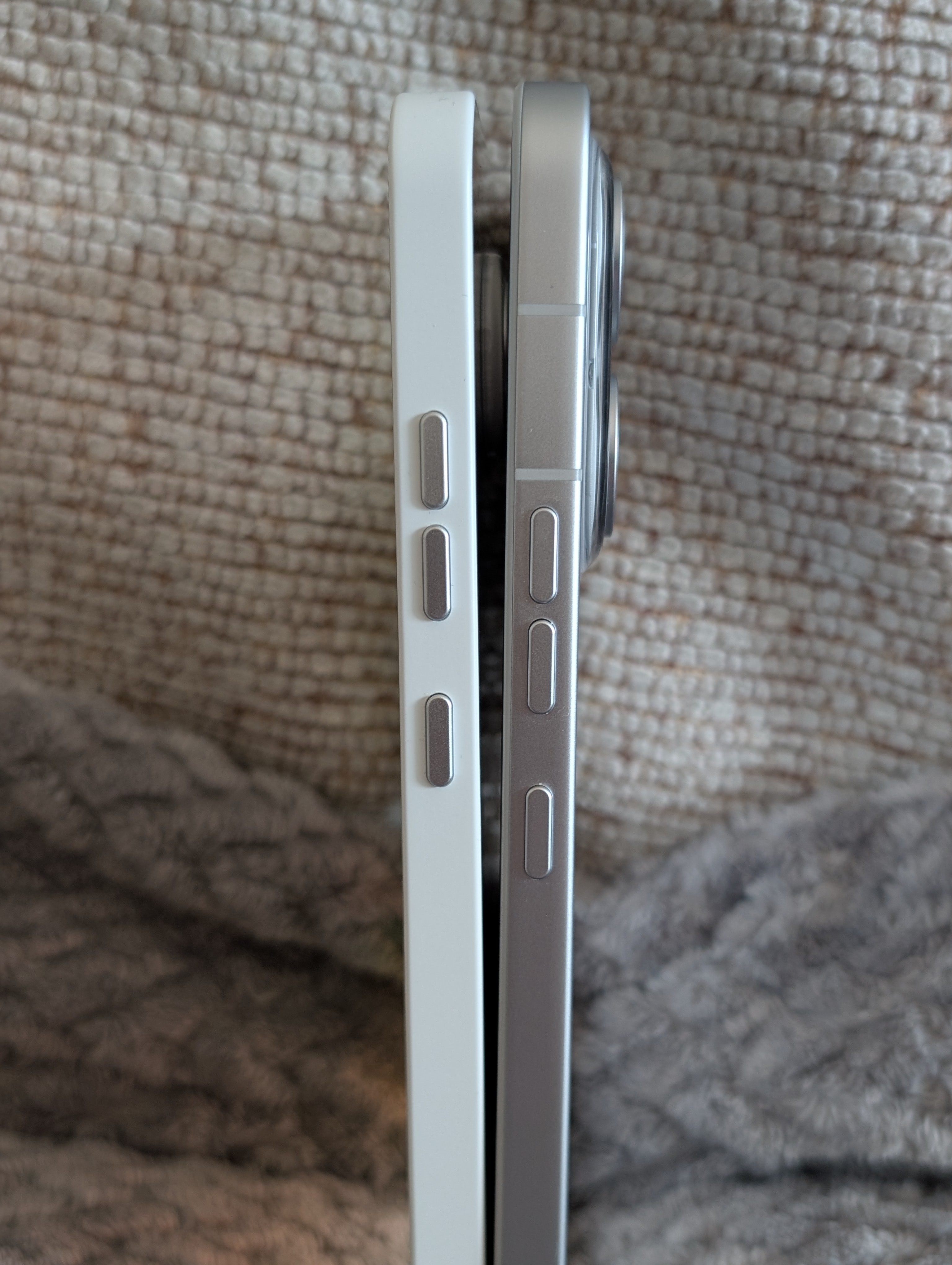
Where the Pro really shines is the build. It’s noticeably slimmer, at 7.95mm it’s Nothing’s slimmest device to date, and the aluminium body feels very premium and ‘Pro’ in hand. It does lean slightly on the slippery side, there were a few moments where I nearly dropped it one-handed because I refuse to put a case on my phone, but I’d take a slimmer device over the thicker feel of the (4a) or Phone (3) any day.
The screen feels very big, and compared to the base model it is at 6.83 inches. You also get 144Hz refresh rates, and 1 billion colour support with 2160Hz PWM dimming. Most of these numbers won’t mean much to you on a daily basis, but the screen is definitely bright enough in sunny conditions that you won’t be squinting, as well as it feeling very smooth during scrolling.
If I was to nit-pick at some of the other design elements, the display corners aren’t completely flush with the body, which is a bit distracting when feeling the screen with your thumbs. Also, the circular design element on the lower corner of the back looks nice… but feels purely cosmetic and doesn’t contribute to the aesthetic in any way. The button positioning is also different between the (4a) and (4a) Pro for some reason, not massively different but shifted enough that you will notice when shifting from one to the other.

📸 Cameras
Compared to the (4a), the Pro steps things up but in a more subtle, refined way. Whilst the camera set up is very similar to the base model, the slightly better main camera sensor on the Pro delivers, in my opinion, more true to life and realistic images. Photos also have less of the darker, high-contrast look that I found quite prominent in the (4a) images. Portrait mode in particular does a better job of pulling out detail and depth in subjects.
I’ve taken a few comparison shots below for example, Phone (4a) L and Phone (4a) Pro R:

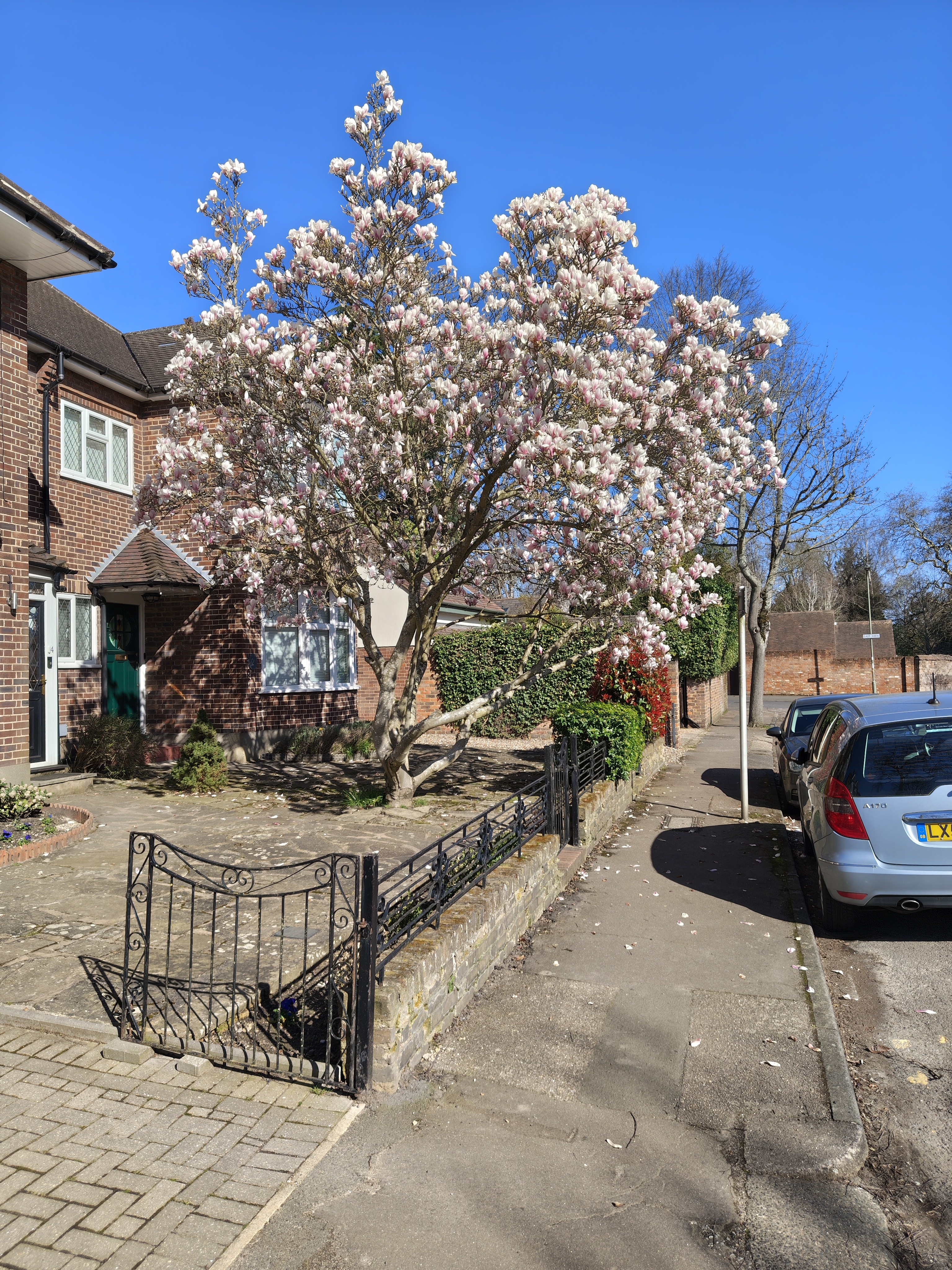






For everyday use, it’s a noticeable improvement, just not a dramatic one. However in saying that, the results are still very impressive and for a phone within this price range, a pretty respectable one of that. Below are some examples of the Pro images without any edits.

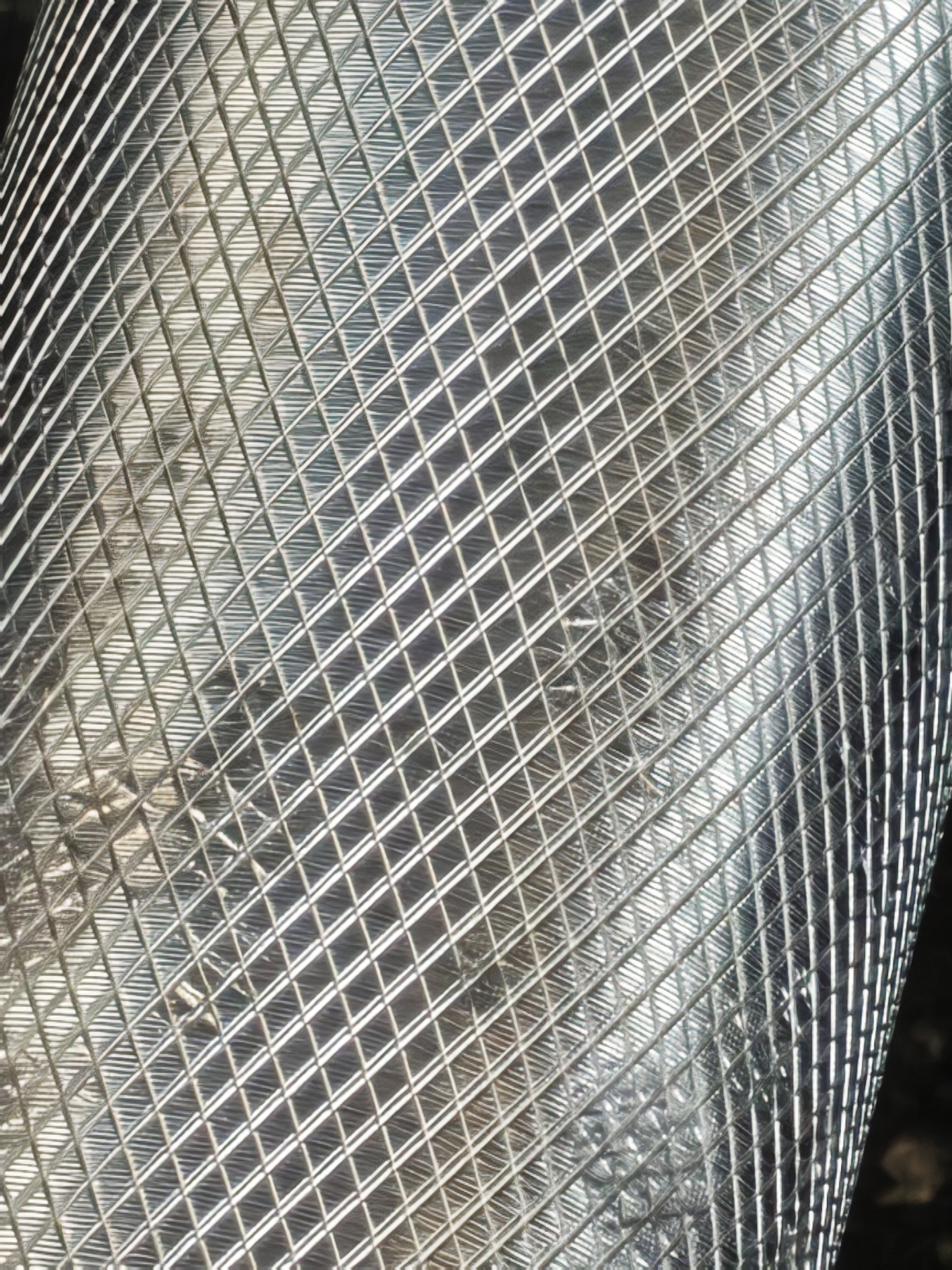



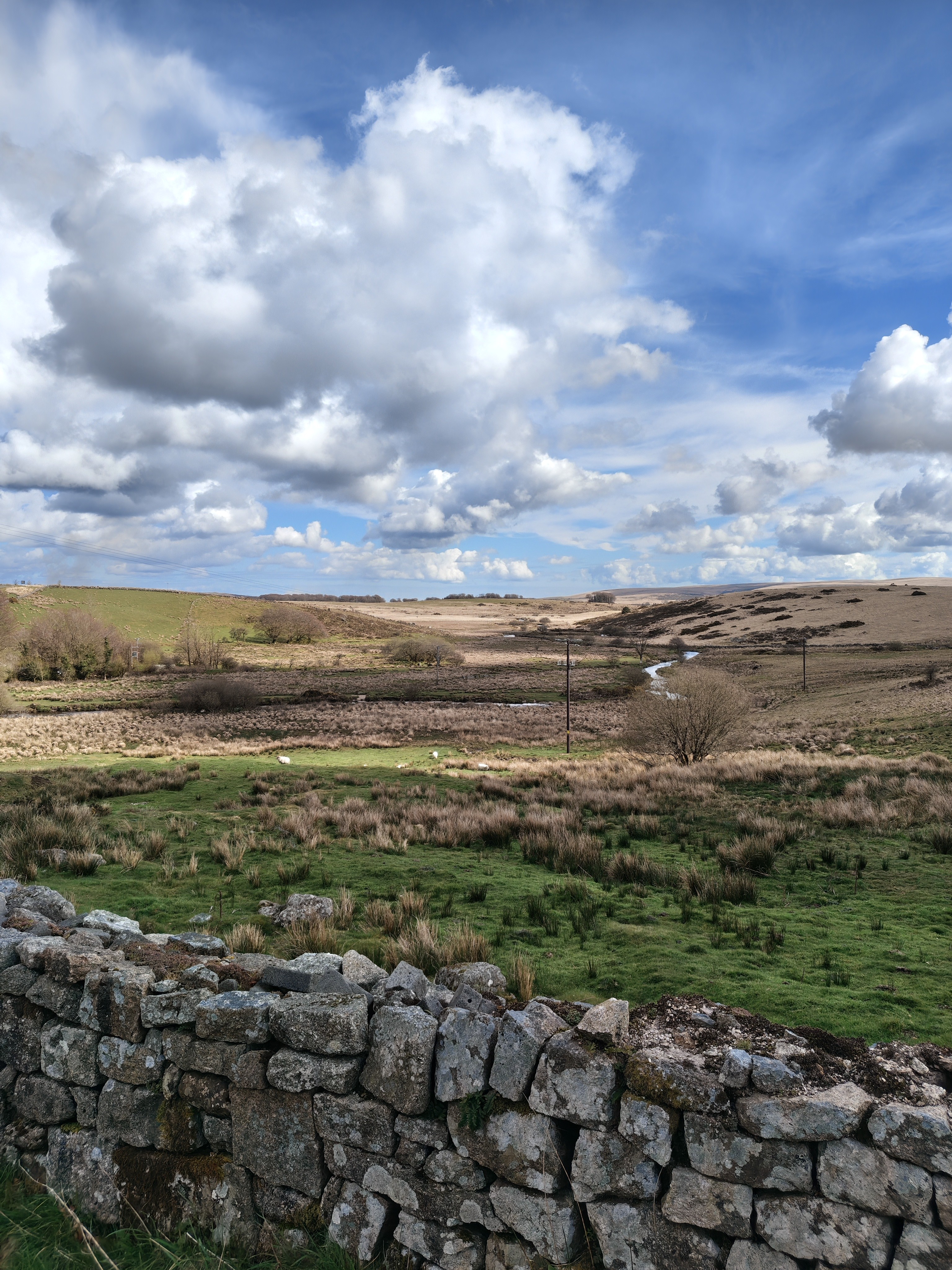


Then there’s the headline feature: 140x zoom.
It’s impressive on paper (and cool to try), but realistically… it’s not something you’ll use often. The AI enhancement can struggle, and results can look distorted or inaccurate. It’s also incredibly hard to keep the shot steady without a tripod at that level of zoom. And similar to the (4a), anything beyond ~20x starts to lose detail, texture, and focus pretty quickly. However, it’s still quite cool to be able to get that close to subjects whilst still being so far away, without a big lens attached to a DSLR. Below are some examples of the results of extended zoom.








💠Glyph Matrix
So for those that have read my Phone (3) review, you’ll notice that I wasn’t a big fan of the Glyph Matrix when it was first introduced. At the time, it felt like a gimmicky toy and in some ways, that’s exactly what it was. So when I saw that it was even bigger and more prominent on the Phone (4a) Pro, I had my reservations about it.
Am I completely sold on it? The jury is still out there. However, I do much prefer it’s implementation on this device as it feels much more useful and purposeful. There’s no longer the touch button to flick through Glyph Toys (but you can activate AOD options for this in settings), but now the various icons are attached to notifications and Essential Notifications. I like this, as you can customise which icons show for which rules, or contacts, and you can even upload you on ones.

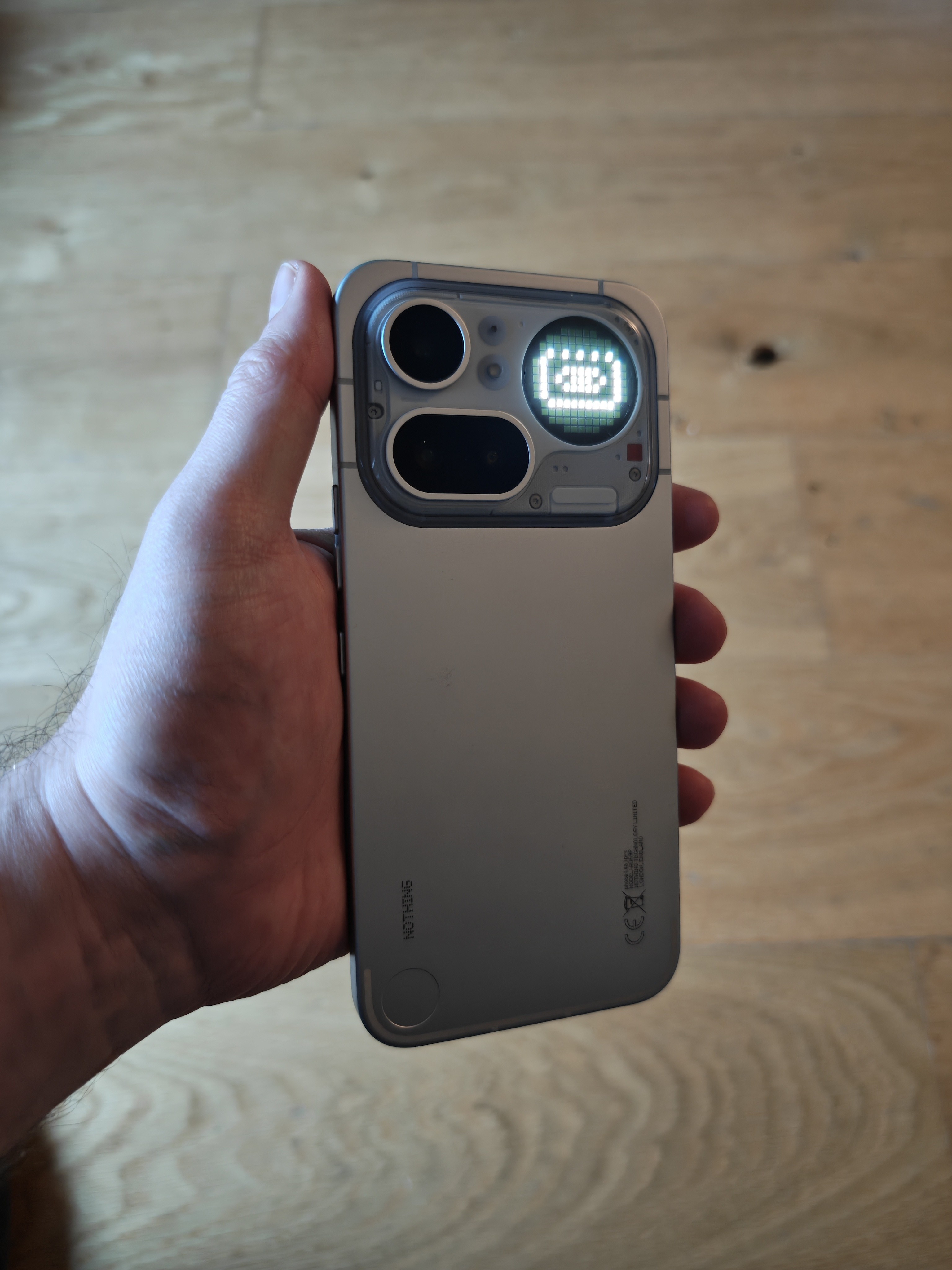
Compared to the Glyph Bar on the (4a), it feels like this is more informative and stand out from a design point of view. However, with the reduction of overall pixels and increase of size, features like the Glyph Mirror now become almost redundant because it’s almost impossible to make out what is being shown. Not a biggie at the end of the day, but it was a a very neat feature on the Phone (3).
🔋 Everyday Use & Performance
For an average user, this phone delivers more than enough.
Coming from the Phone (3), I genuinely don’t find myself missing much. Yes, the (3) has stronger processing power and a more advanced camera system, but in everyday use for my use cases, the difference is minimal. If you’re a hardcore gamer, someone who multitasks a lot, or does a lot of photography then the Phone (3) might be a better choice for you.
Performance is smooth, battery life is has been getting me through at least 1 full day, and in some cases 1.5 days, plus Nothing OS 4.1 continues to be one of the cleanest experiences out there.
If anything, I actually prefer using this over the Phone (3) especially given the design.
💭 Final Thoughts
The Phone (4a) Pro sits in a really interesting spot.
It’s a higher-end mid-range device that edges towards entry-level flagship territory, without quite stepping on those toes.
If you want:
A more refined, minimalist design
Slightly better cameras than the (4a)
A slimmer, more premium feel
…this is a great option.
But if you already have a Phone (3), (3a) Pro, (4a) or another mobile device of a similar spec, it’s worth thinking twice. You’ll get improvements in performance, camera, and design (if you prefer the minimalism), but nothing dramatically different day-to-day. And with Nothing OS updates likely coming to older devices, the gap narrows even more. You’ll also be sacrificing wireless charging if you already have that on your current model, but with the large battery I have never found this to be a big issue or something I actually used on my Phone (3).
For me, the Phone (4a) Pro is considered the “sweet spot” device of all the (a) series lineups – it’s powerful, polished, and well-rounded without jumping into full flagship pricing, with a minimalist design that still have a Nothing vibe to it.
