It’s been over a month with the Nothing Phone (3). After an average first impression, it’s finally the time to talk about how the phone has held up. This is the in-depth review.
I’m grateful to the Community Review Program for providing me with an opportunity to try out their new phone and review it. Also a big thanks to @Deepanshu_Saini_ for giving me an opportunity.
Unboxing
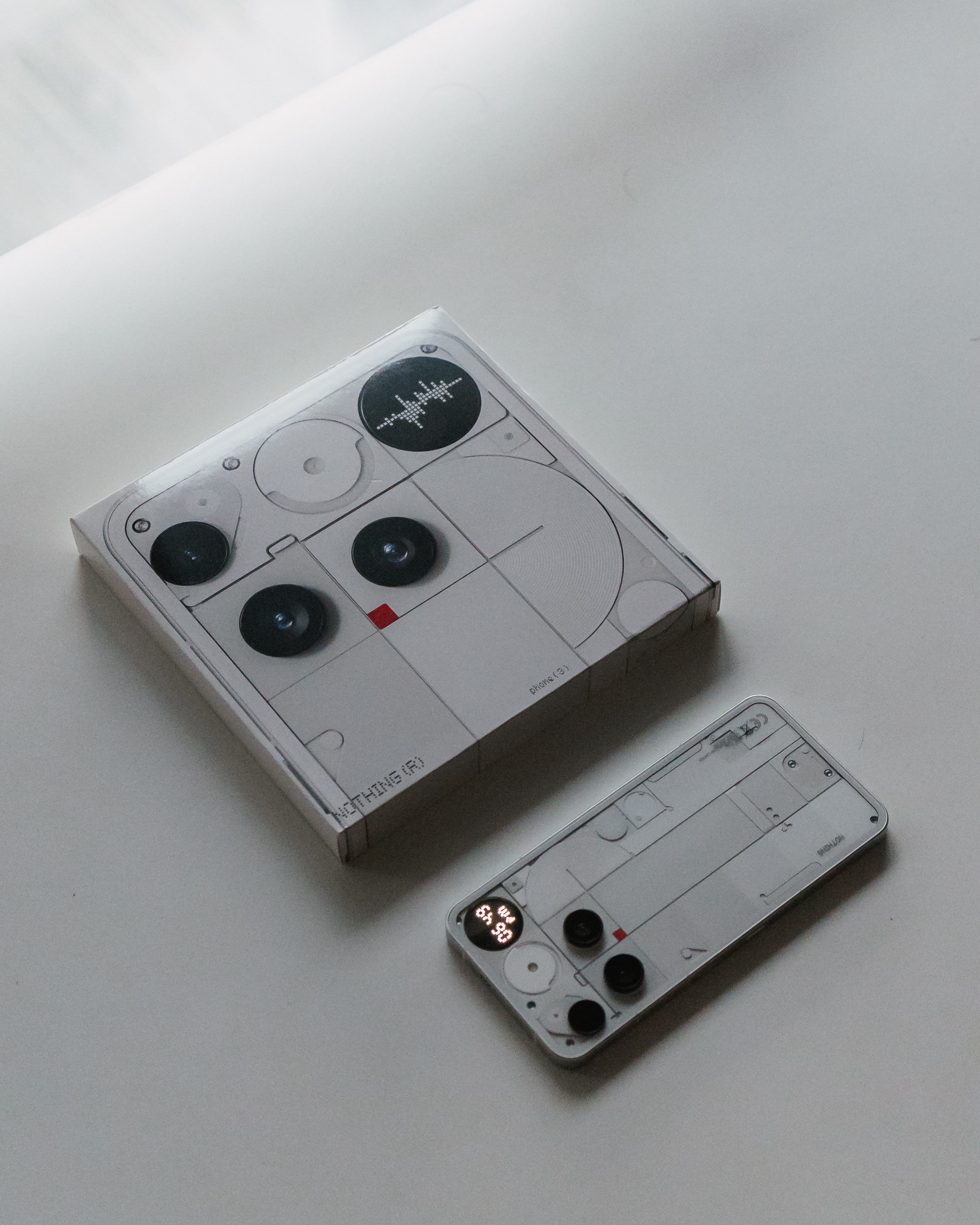
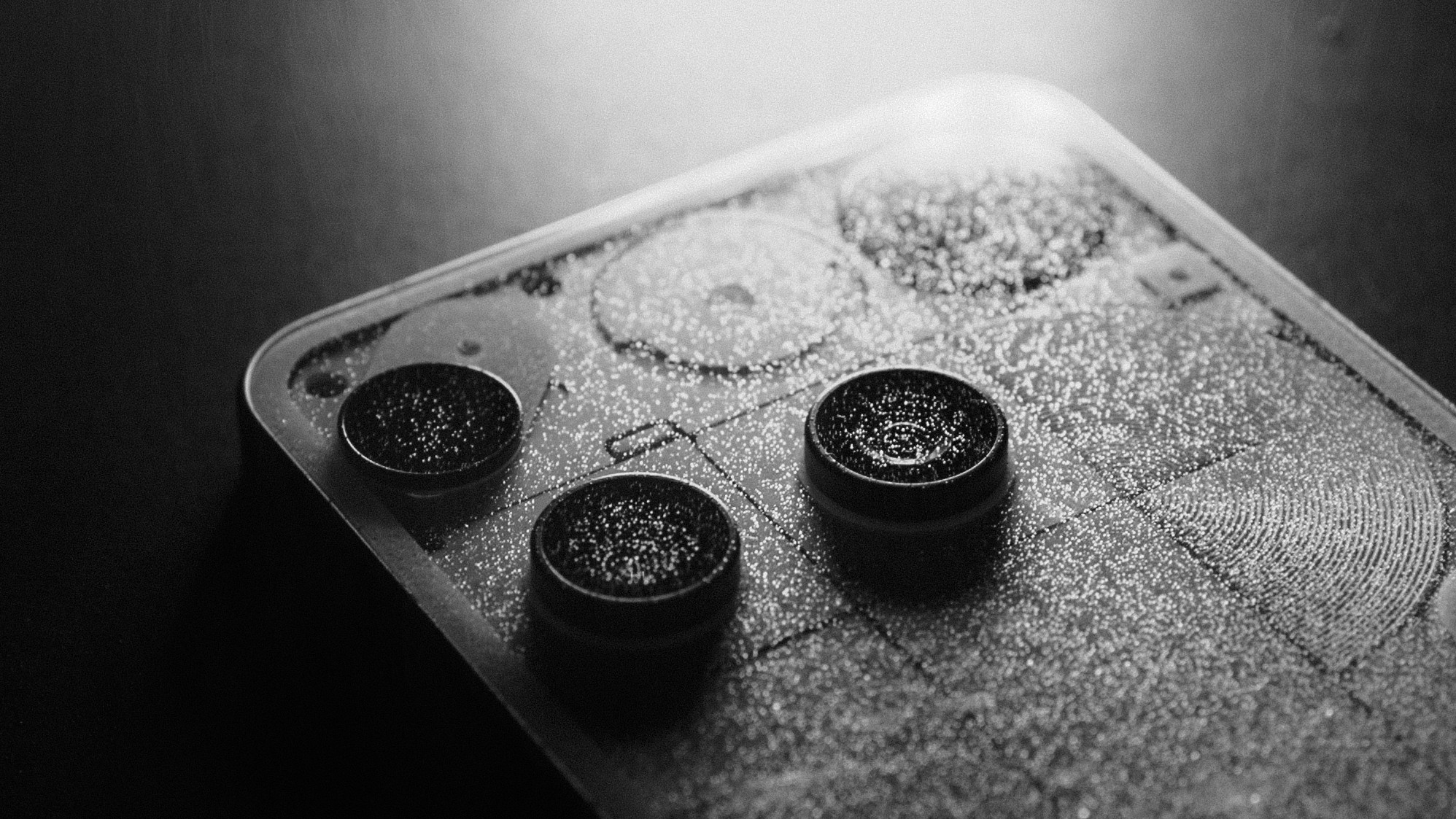
As I mentioned earlier in my first impressions, The box is quite “Nothing” inspired, similar to the previous devices. It’s a square, design heavy box that contains the phone, the iconic transparent cable, the “Nothing” special SIM ejector tool, and a transparent phone case, which could have been much better as it gets dirty and yellow quite quickly.


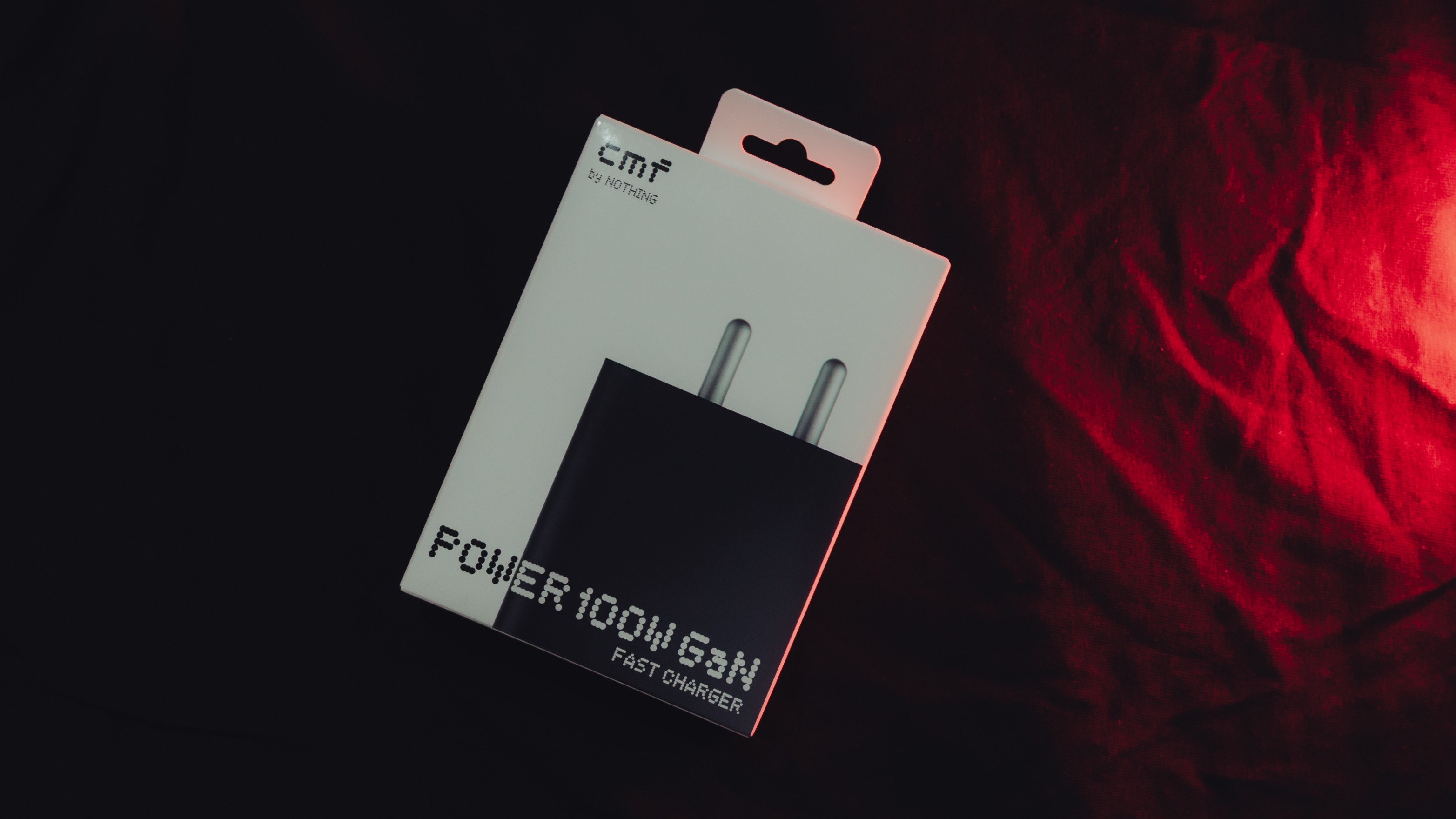
Please Note: Since my unit was a review unit, I received the CMF 100W GaN charger, but this won’t be included in the retail unit, just to clarify.
Design & Build
The Phone (3)’s design has been a hot topic, and it has split the tech community. I wasn’t even a fan when it was first announced. But as I’ve been using it, I’ve started to grow on it, though it’s still not my cup of tea. Maybe there’s a reason behind the design from a technical standpoint, but I just don’t like it. but the phone looks quite bold in this white color and the black color is fine. But, that’s just my opinion. If you like the design, that’s great! Every person has their own taste.
Also when you are using this phone in the public it is gonna catch many eye-balls. I had so many people asking about this phone and some even liked it’s design.
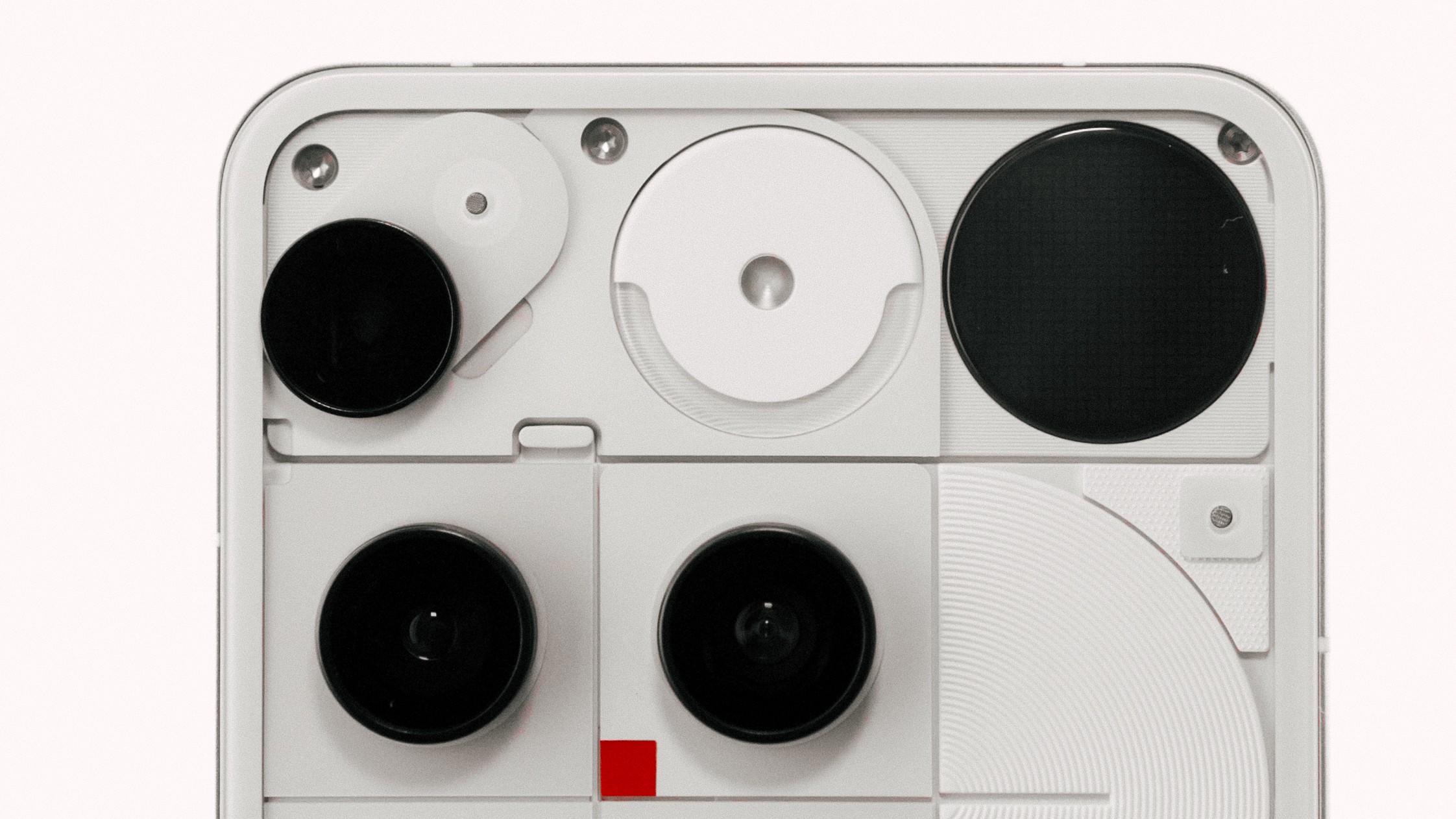

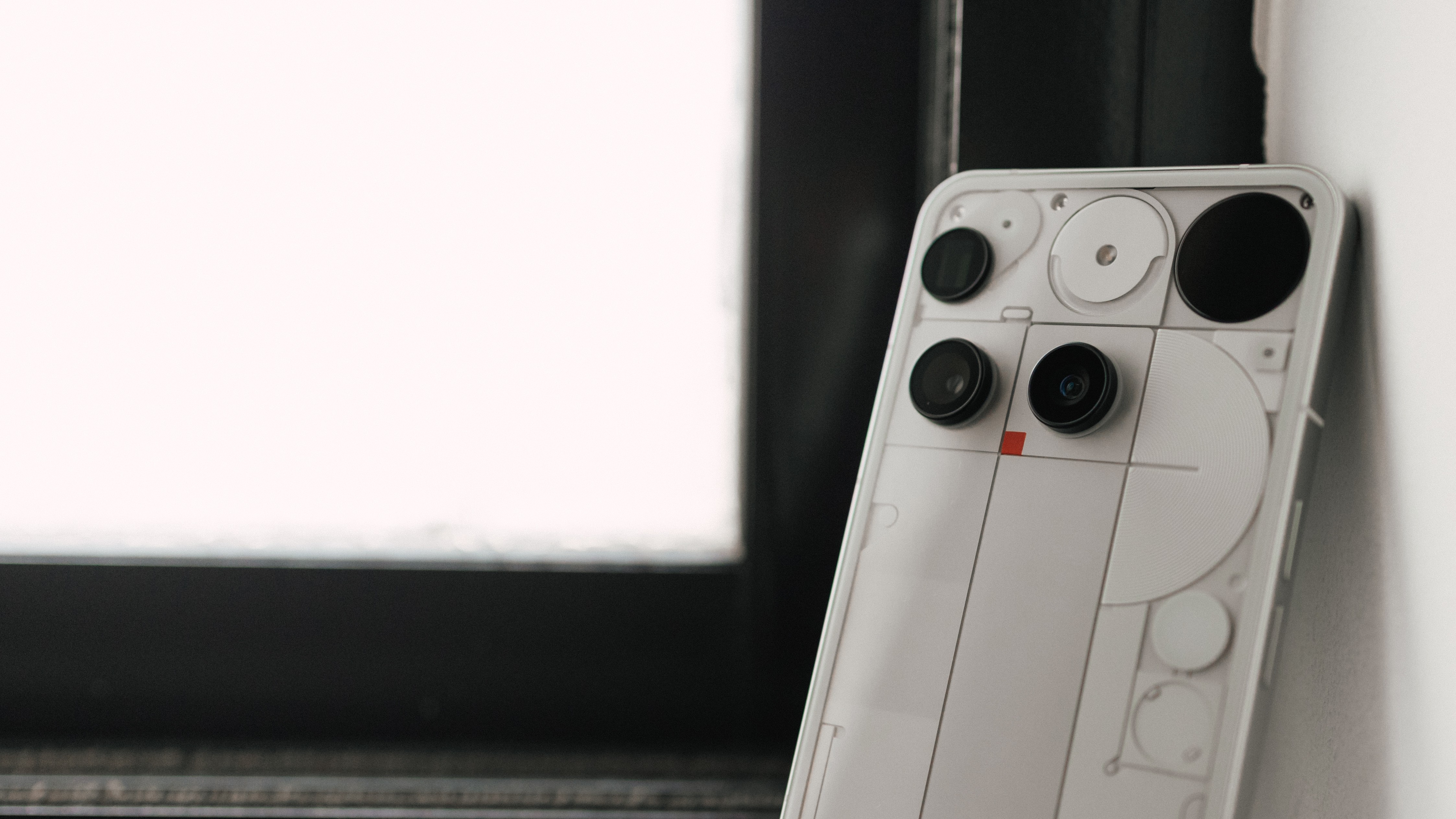
And, I really appreciate the brand’s efforts to experiment with new designs and features, like the “Glyph Matrix”, which is the new highlight of this phone, and the video recording indicator. They’ve managed to keep the “Nothing” aesthetic while adding some cool new touches. I miss the old Glyph lights tho…
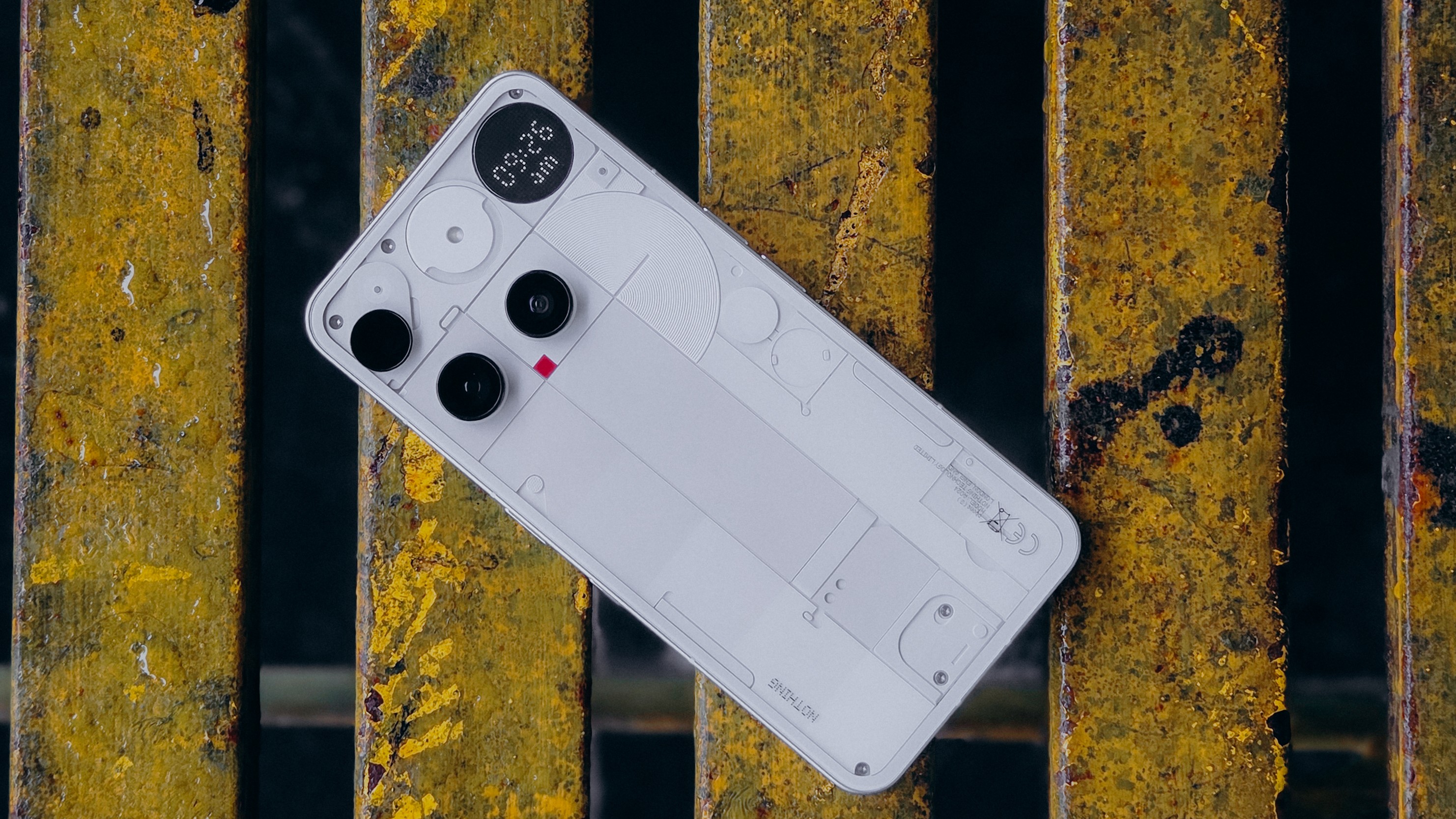
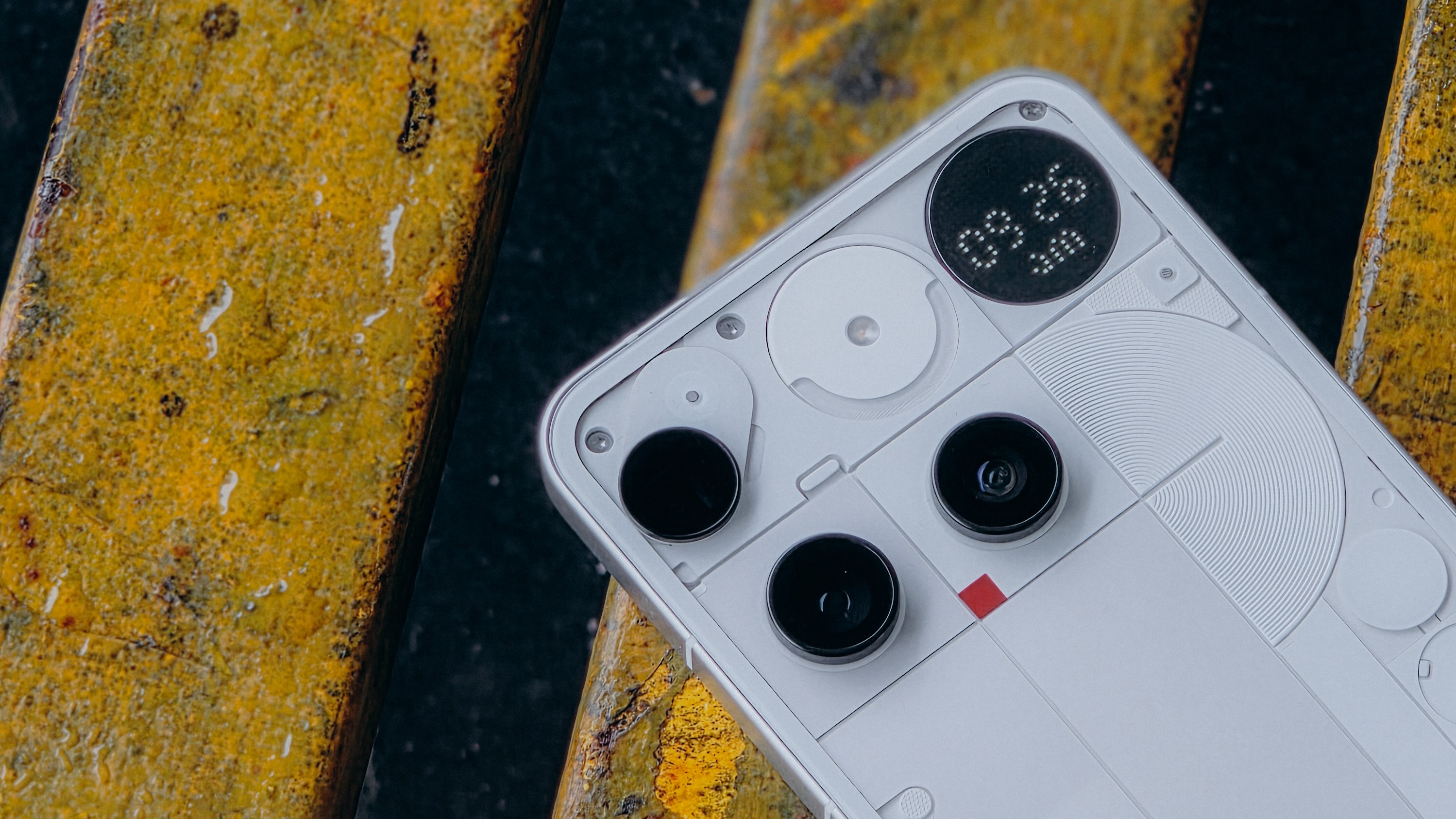
Going to the build, it is solid, like most phones in its price range. The back glass is protected by Gorilla Glass Victus, but the display, protected by Gorilla Glass 7i, which was a bummer for me because it’s a flagship phone that comes with a very high price tag. It’s definitely a must-have, especially considering the price. The buttons are tactile and feel premium, but they’re not as fancy as those on the Pro model iPhones and Pixels. it has rounded aluminum edges, which are quite important for me when it comes to comfort for long-term use, but it is more slippery than I’d like. I’ve had it slide off my hands and pockets at many instances, I am glad that it didn’t fall anywhere. It feels premium and is a little hefty in my opinion, also its quite big for my tiny hands.

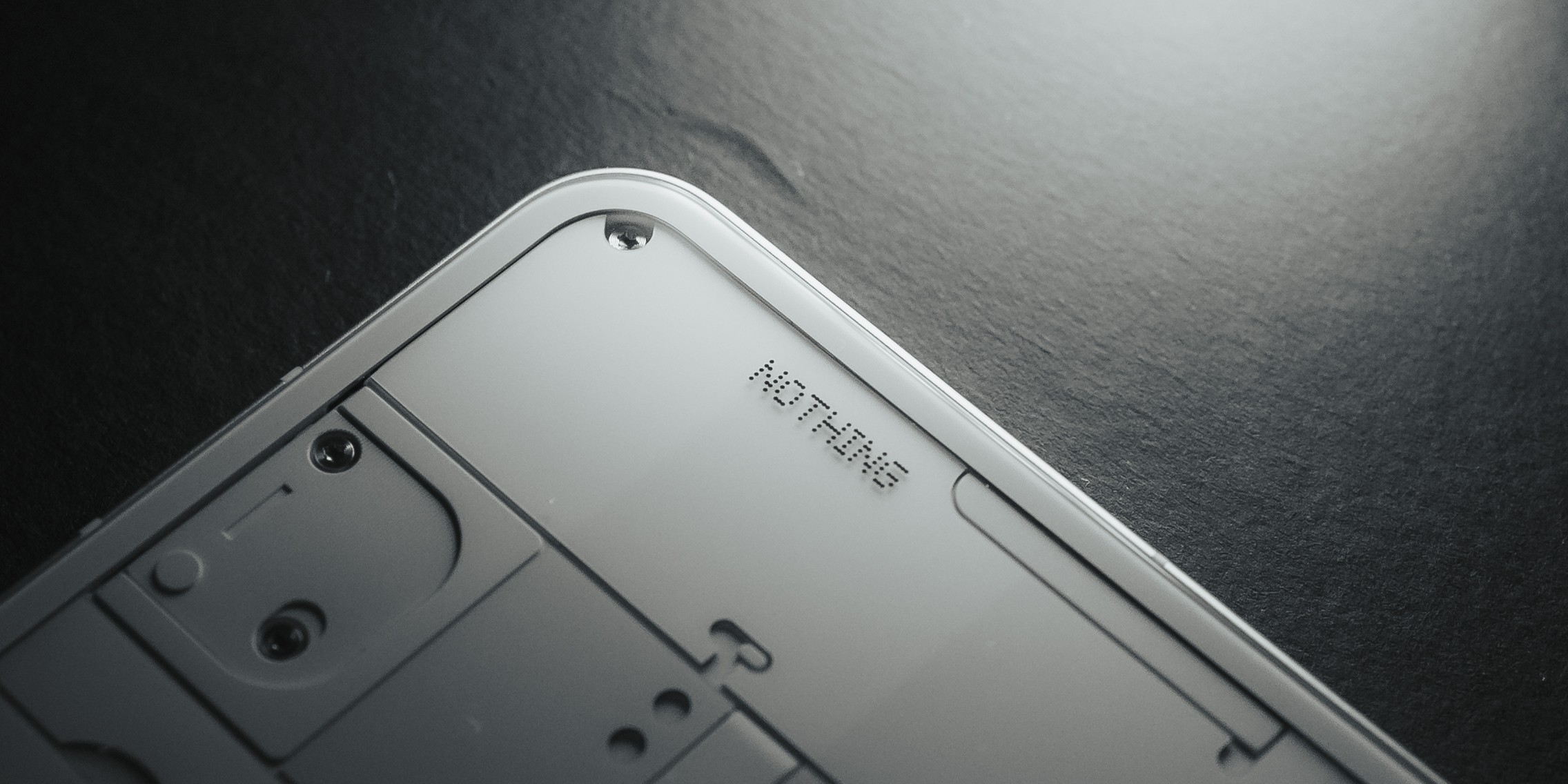
Additionally, it is IP68-rated dust and water resistance, which is a significant advantage and a must-have for its premium price point. But I can only say that It’s a phone that looks great but practically begs for a case, which defeats the purpose of the brand which is known for its such eye-catchy and unique designs.

Display & Speakers
This phone comes with a massive 6.7-inch AMOLED display with a smooth 120Hz refresh rate. The bezels are slightly thicker than competitors, but since it is symmetrical, I don’t mind it. The phone’s colors are stunning, even in bright sunlight, but it could have been a little brighter. It’s certified for HDR10, which produces vibrant and punchy visuals. However, it opted for the LTPS display technology instead of the more efficient LTPO display, a must-have at this price point.
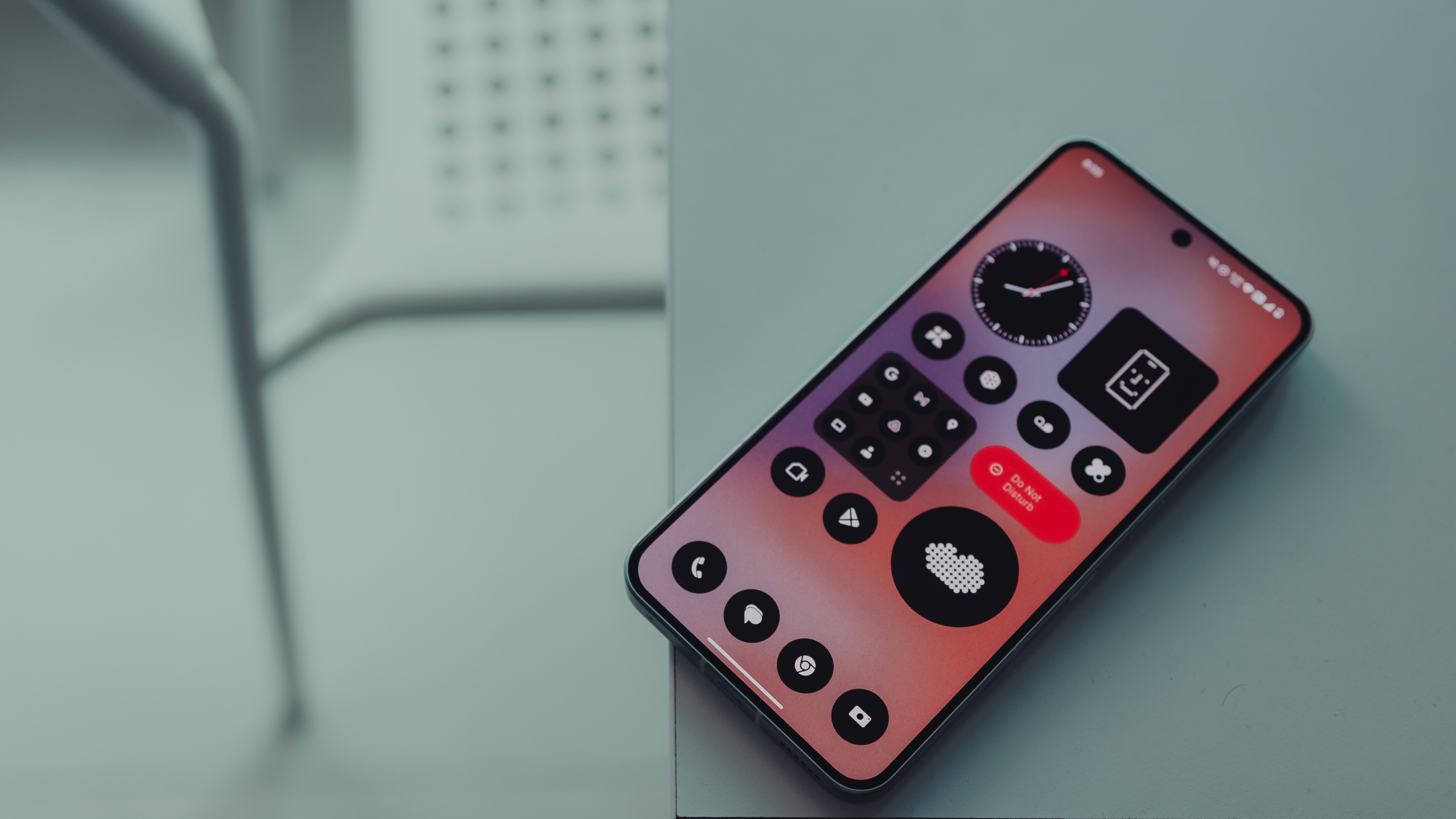
The speakers are of good quality, producing a rich and loud sound that is typical for the price point that it is launched at, but yes there is a lot of room for improvement in order to be on the top with the likes of Apple and Samsung.

Performance
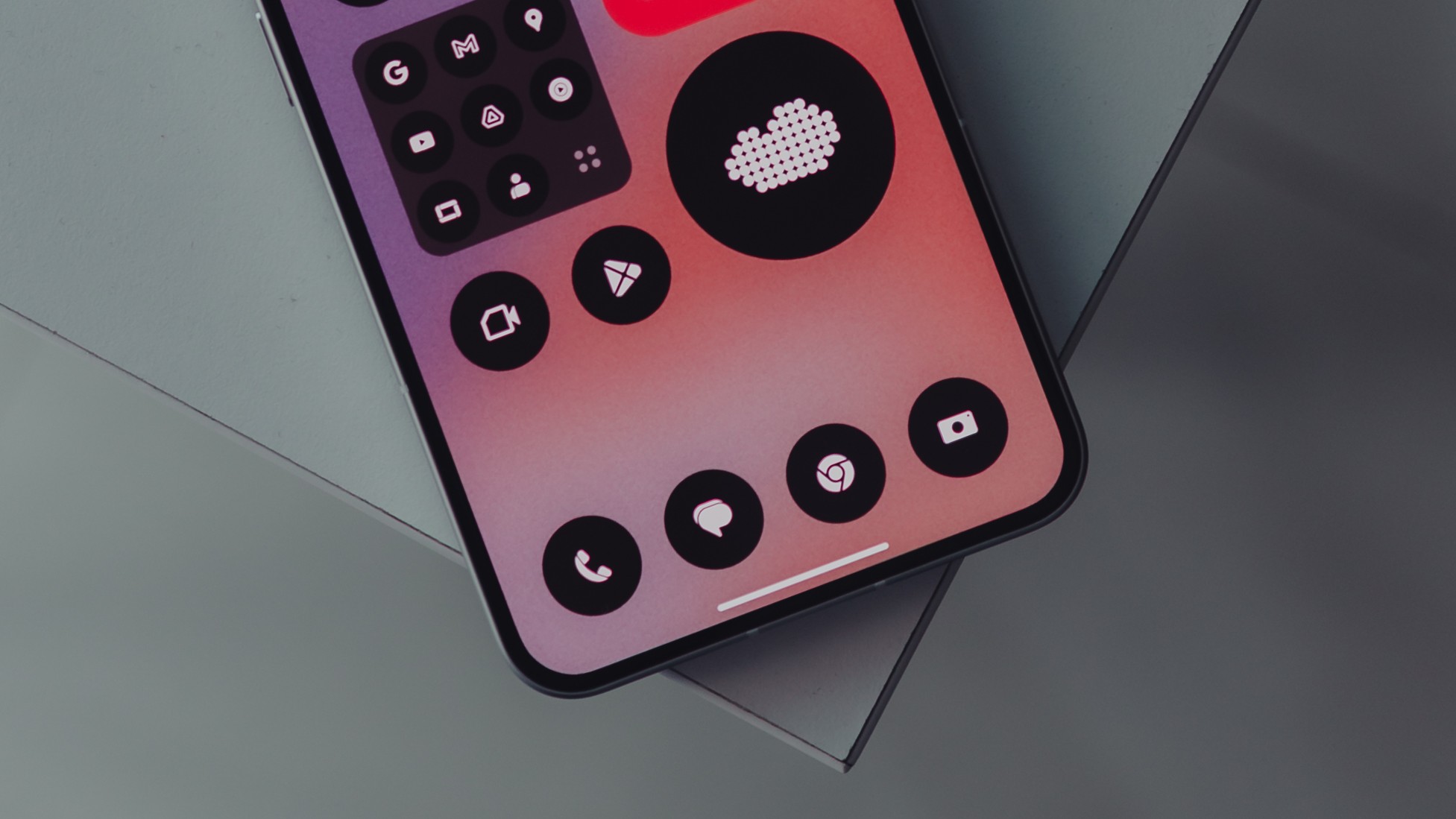
When it comes to performance, the phone is powered by the Snapdragon 8s Gen 4 chipset. This is where things get a bit controversial. There are two main schools of thought:
1. Some believe that this chipset is powerful enough for many users, even though it has its own drawbacks. For my light to medium usage, this processor is incredibly fast.
2. Others argue that the Snapdragon 8 Elite chipset is a must-have at this premium price point.
While the Snapdragon 8s Gen 4 chipset may not be the best in the market at this price point, it is still quite powerful and can handle all my tasks. The storage options are UFS 4.0, with two variants: 12+256GB and 16+512GB. I have been provided with 16+512GB variant. But there’s a downside: the USB 2.0 data transfer speed is a bit slow for this price range. Overall, the phone has been really smooth with almost no lags. I’m still testing it out, running benchmarks, and playing games to get a better understanding of its performance and see how much potential this new “flagship” chipset has.
Battery Life & Charging
This phone has a massive 5500 mAh silicon-carbon battery, which means it can last me about 1.5 to 2 days on a single charge, based on how I use it. It also has super-fast charging, so you can charge it up to 65 watts with a wired charger or 15 watts wirelessly. However, on a few days, the battery life wasn’t always as reliable. Sometimes it would drain really quickly. Also, sometimes it took longer than 1.5 hours to charge from 15 to 100% when I was charging it. But now it seems to be fixed, but it is somewhat of a deal breaker for me.
Software - Nothing OS 3.5
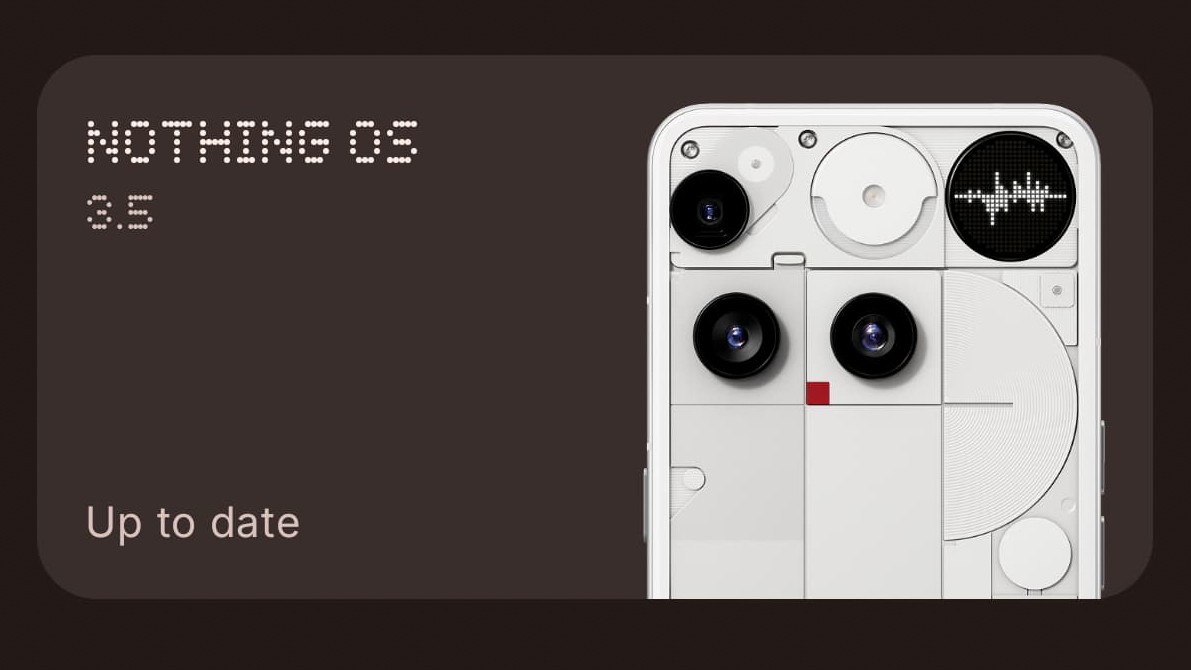
The Phone (3) comes with Nothing OS 3.5 out of the box. Like my last experience, I’m still impressed with how smooth and stable this operating system is. I love its cool design, all the features it has, and how easy it is to use. But, it does have a few small bugs, but Nothing’s track record with bugs and software has been really great, so let’s see. The Phone (3) comes with Nothing OS 3.5 out of the box. I’ve been using Nothing OS a lot, and I think it’s one of my favorite Android operating systems. It’s got a really cool design and looks great. It’s also got some really cool features.
Now, about the phone itself. When I first got it, it would sometimes crash and bug out. But it’s gotten a lot better lately. The battery and camera are also much better now. Overall, it’s a great phone, but there are a few minor issues. I think it could use some more features like other phone companies offer.

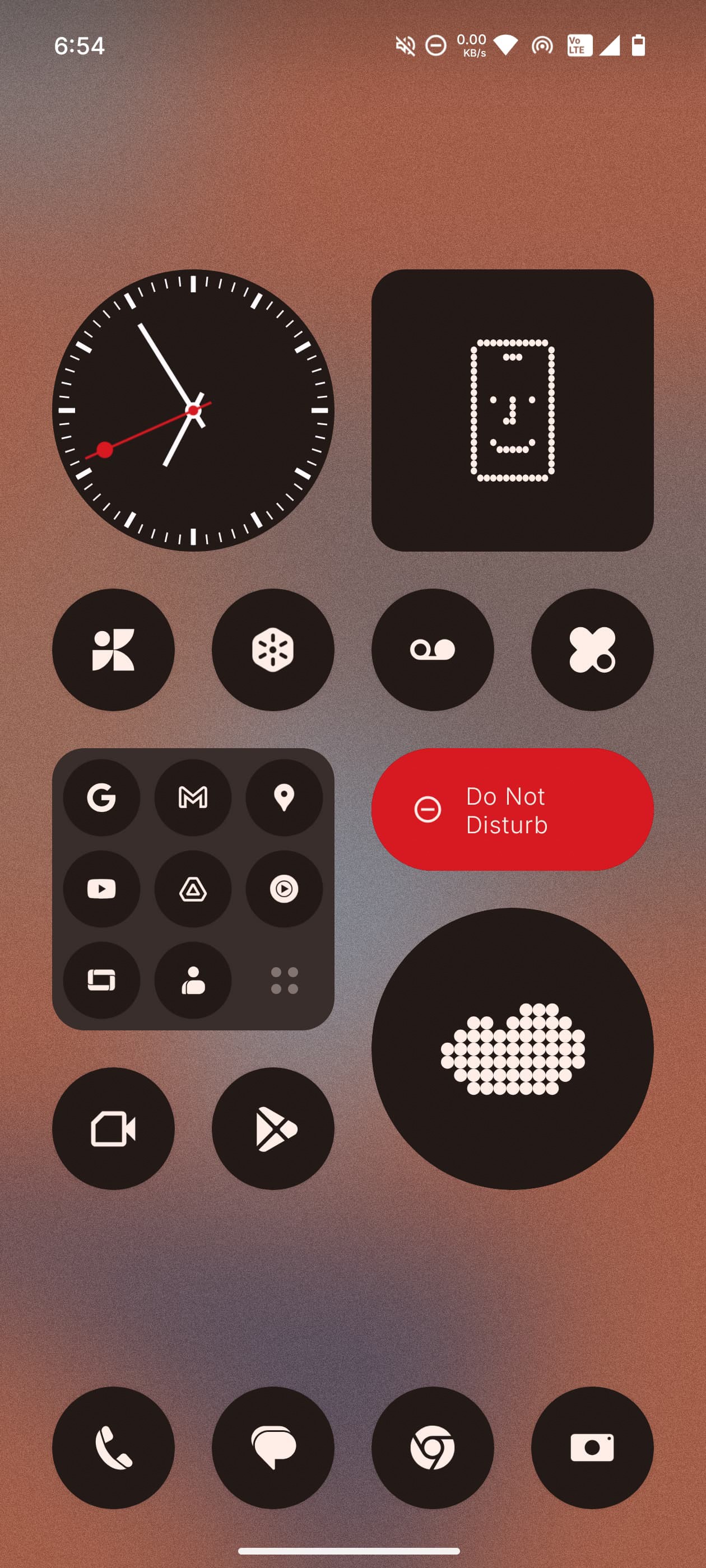
Going ahead in the software, there are 2 unique things in this phone:
1. Essential Space
2. Glyph Matrix
Essential Space
Let’s chat about Essential Space.
With the whole AI thing going on, and so many brands adding AI to their products, Nothing really stood out. But they did it differently. They integrated AI into their Essential Space and throughout the OS. And that’s really cool.
In my first reviews, I didn’t think the Essential Space or the key were very useful. But now that I’ve had a chance to use them with the AI, I’m actually really impressed. I feel that this feature is still quite raw and needs a lot of work into it, so that it can compete with the AI of other brands.

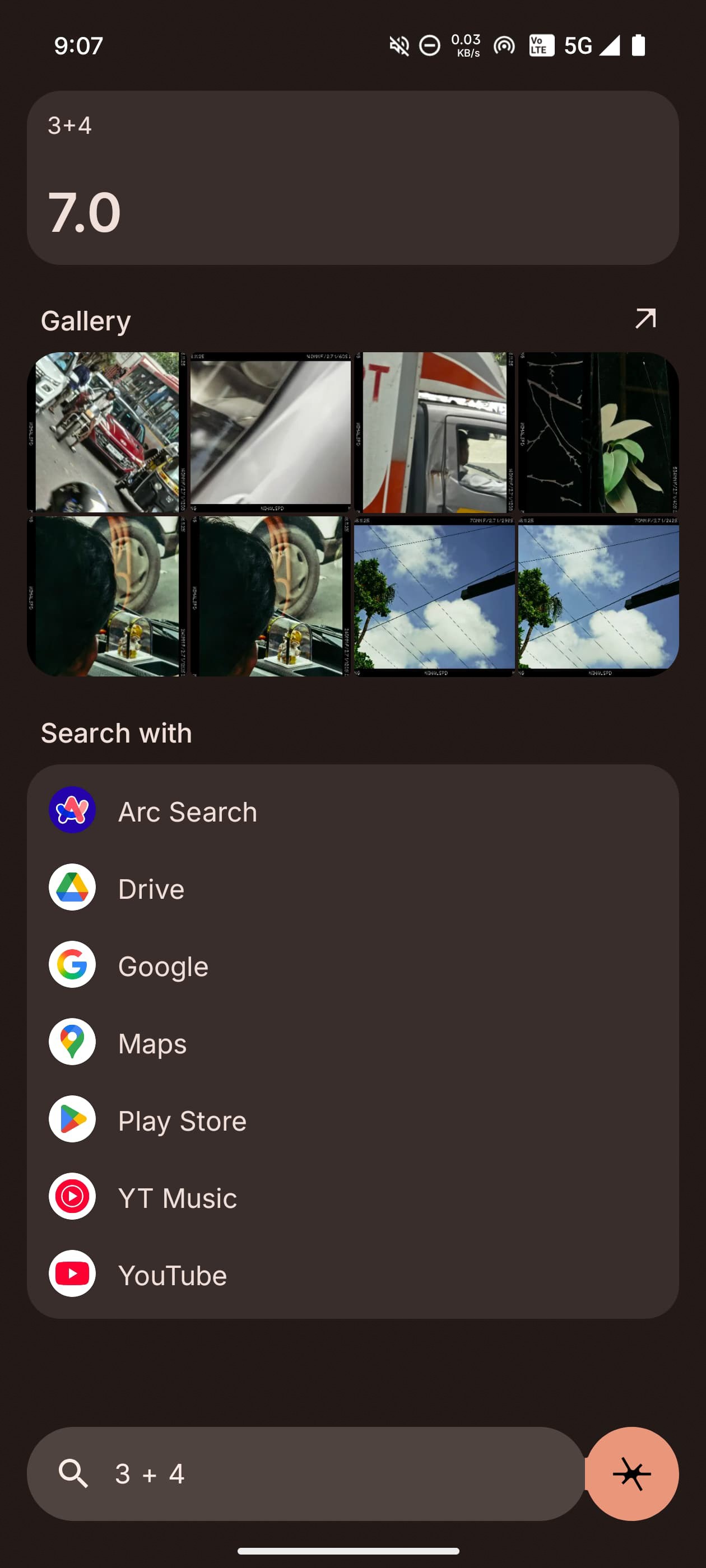
Glyph Matrix
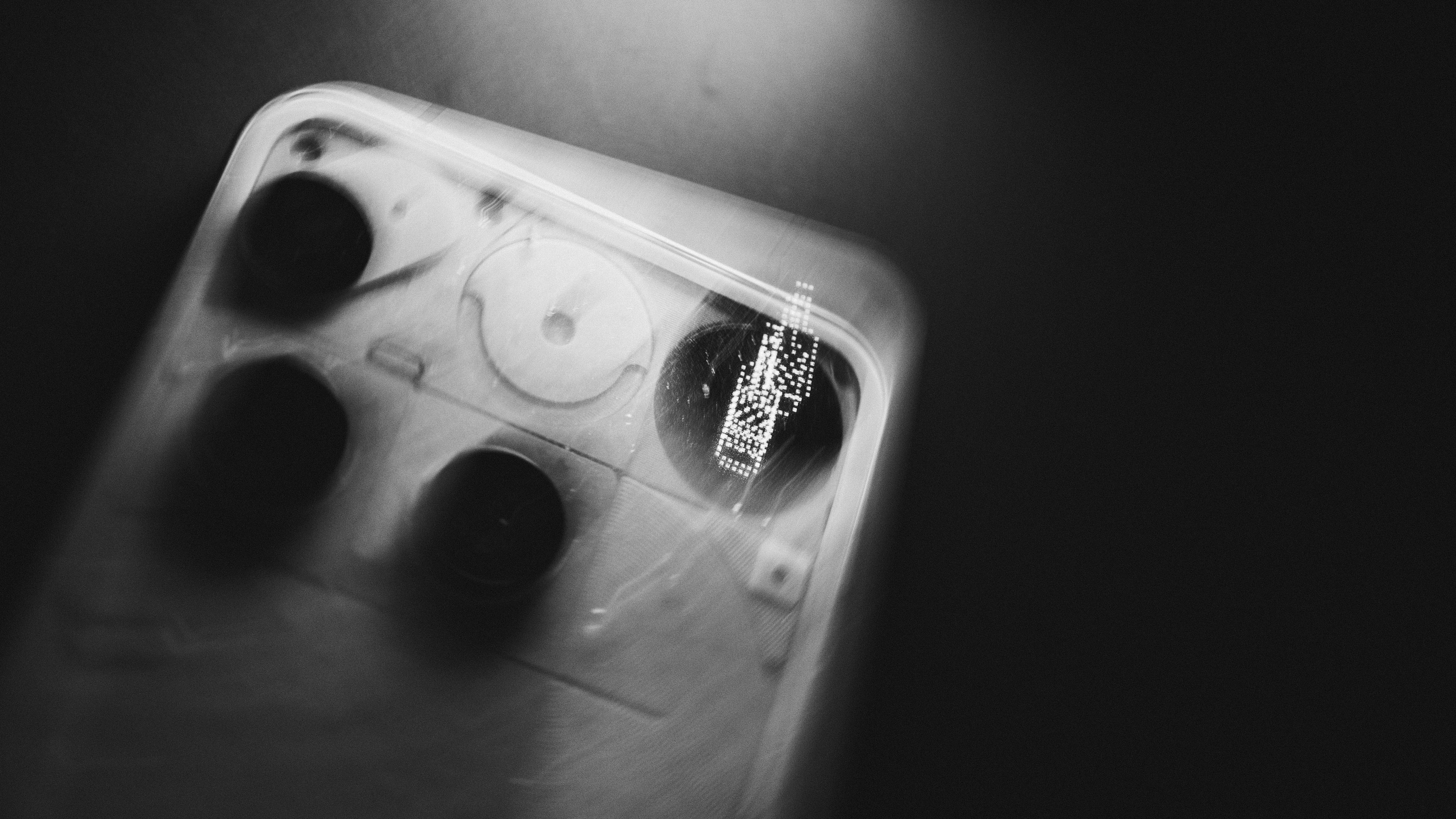
Let’s talk about the elephant in the room: Glyph Matrix.
Nothing’s bold and controversial decision to switch from its iconic Glyph lights to this new design is a big change. At first, it was hard to use and didn’t have many features. But the talented developers in the community have made some cool Glyph Matrix toys that I use a lot more now.
By default, the Glyph Matrix comes with a clock, battery, stopwatch, rock-paper-scissors, glyph mirror, 8-ball, and other glyph toys, which are kinda fun. But the third-party options are really great!
One cool thing is how well the Glyph Matrix works with the UI. It has a volume indicator, important notifications, and cool glyph animations when you get a call. Still I am not able to utilize this feature really well, like the glyph lights from the previous iterations felt a bit more practical and noticeable. This integration is well-done, but the design and feature approach is a bit bold, and I still miss the classic OG glyphs.

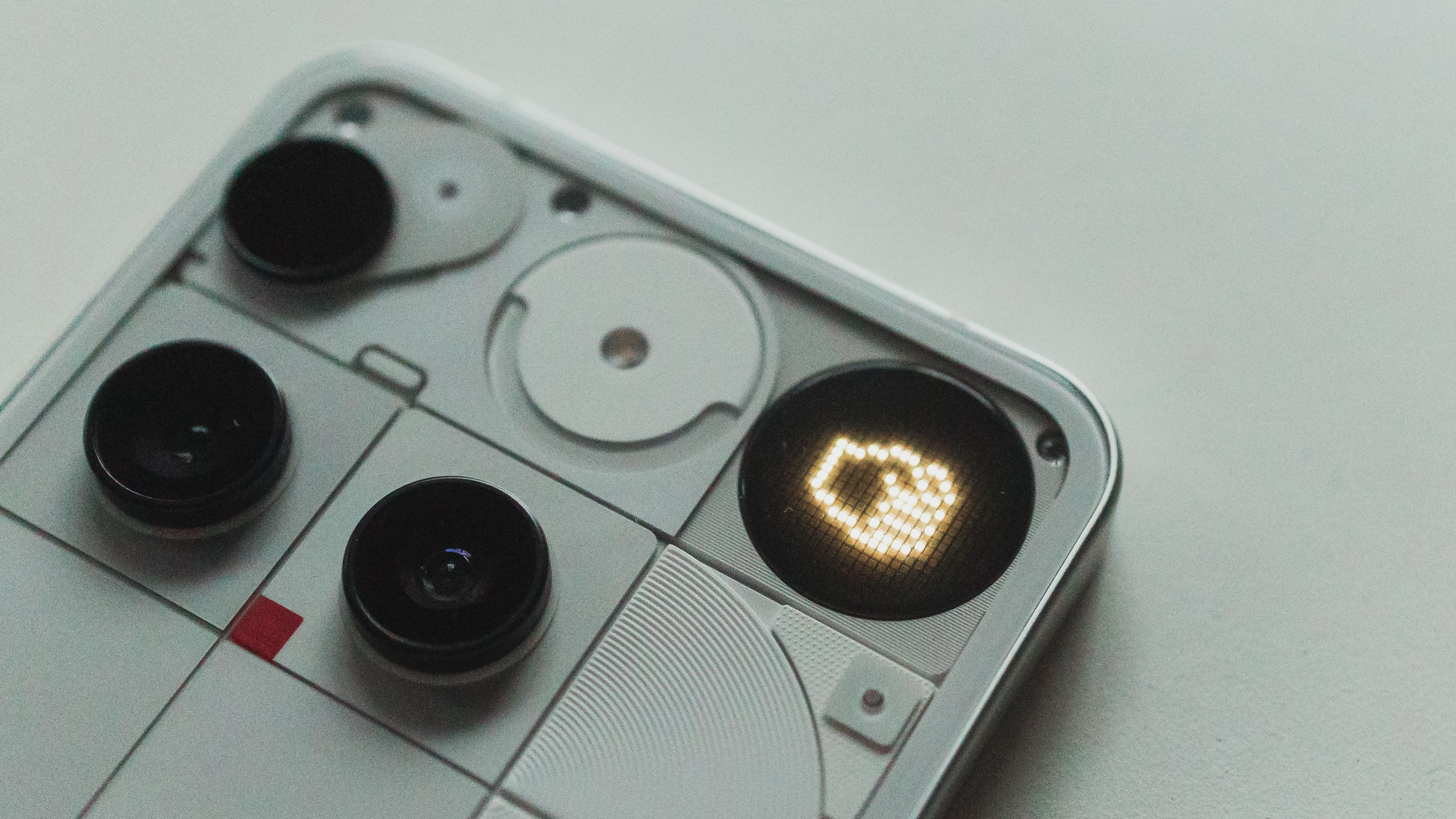
You can check out my reel with the help of the link attached below to have a short glimpse of the Glyph matrix and the glyph toys.
Glyph Matrix Reel by NihalSpd
Cameras
Coming to the Cameras, the Phone (3) features a triple 50MP setup with a periscope lens. As I had mentioned in my first impressions earlier, the cameras seemed average/ decent for the price. I had a lot of issues with the camera app, from bugs to crashes, inconsistent output, and overall I felt that the camera needed a lot of work, especially when looking at its competitors in this price range.
But after a couple of updates, it has significantly improved. The crashes have been fixed, the camera app is much smoother, and the viewfinder looks more natural, but still looks a bit off.
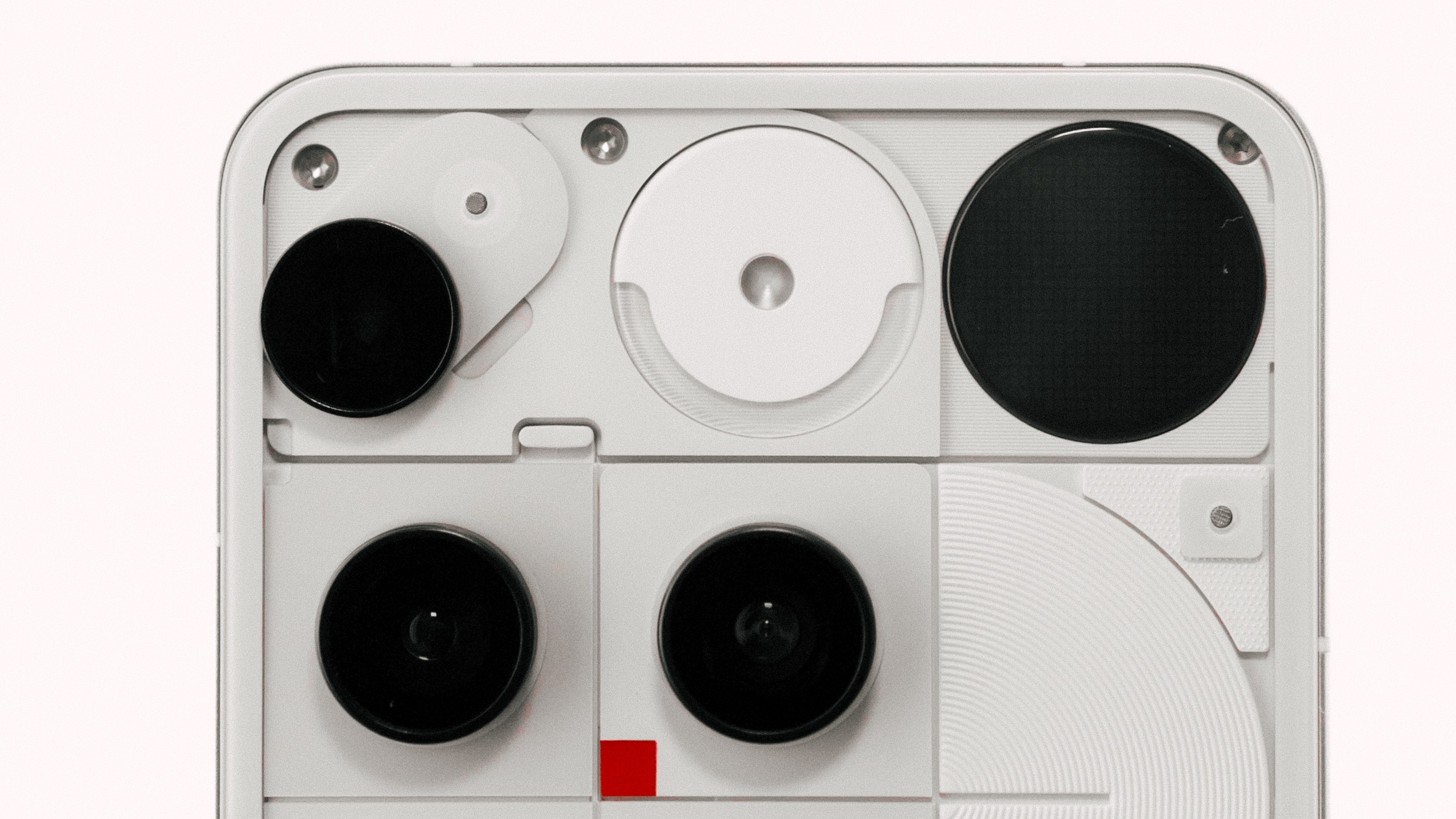
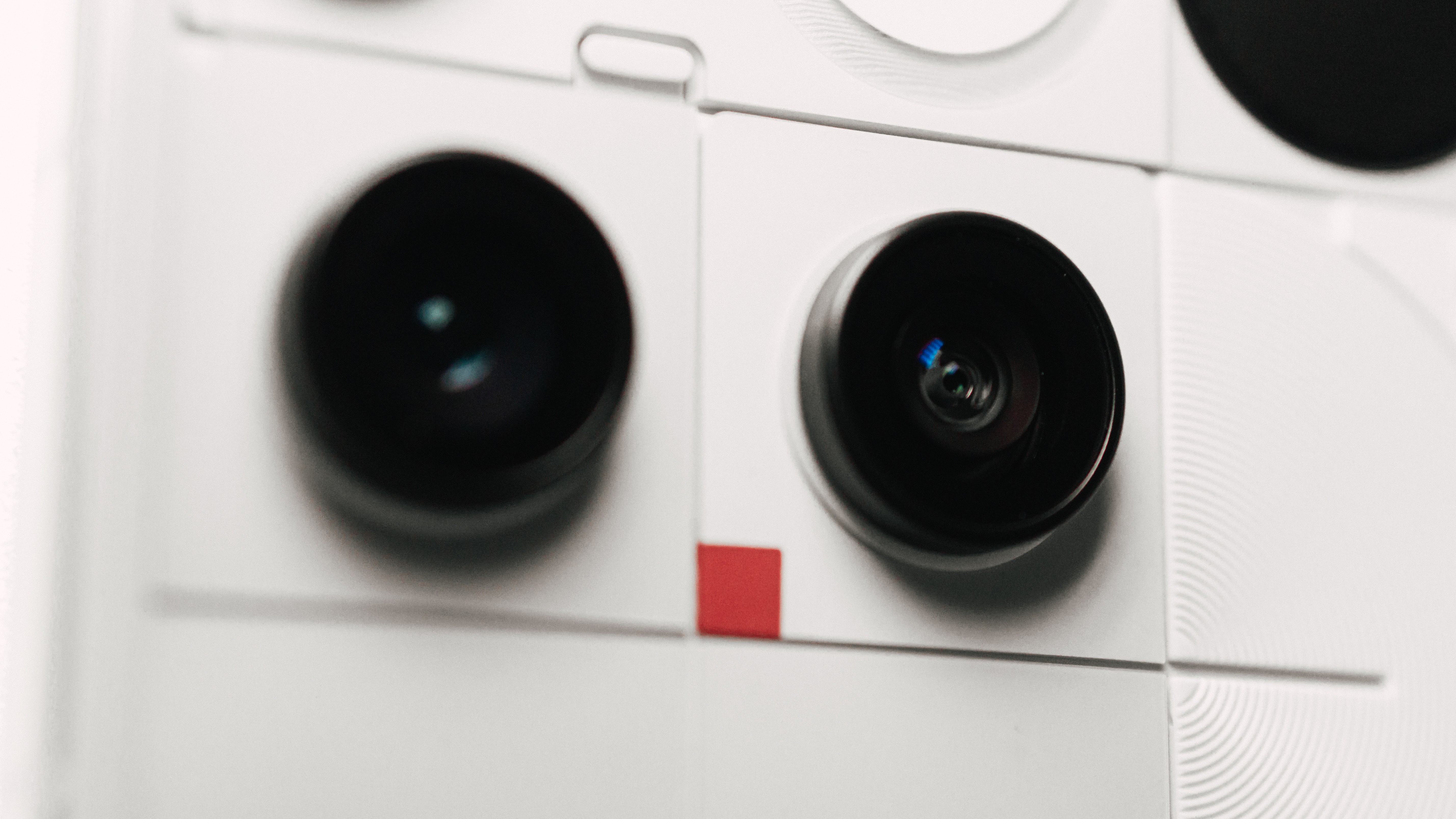
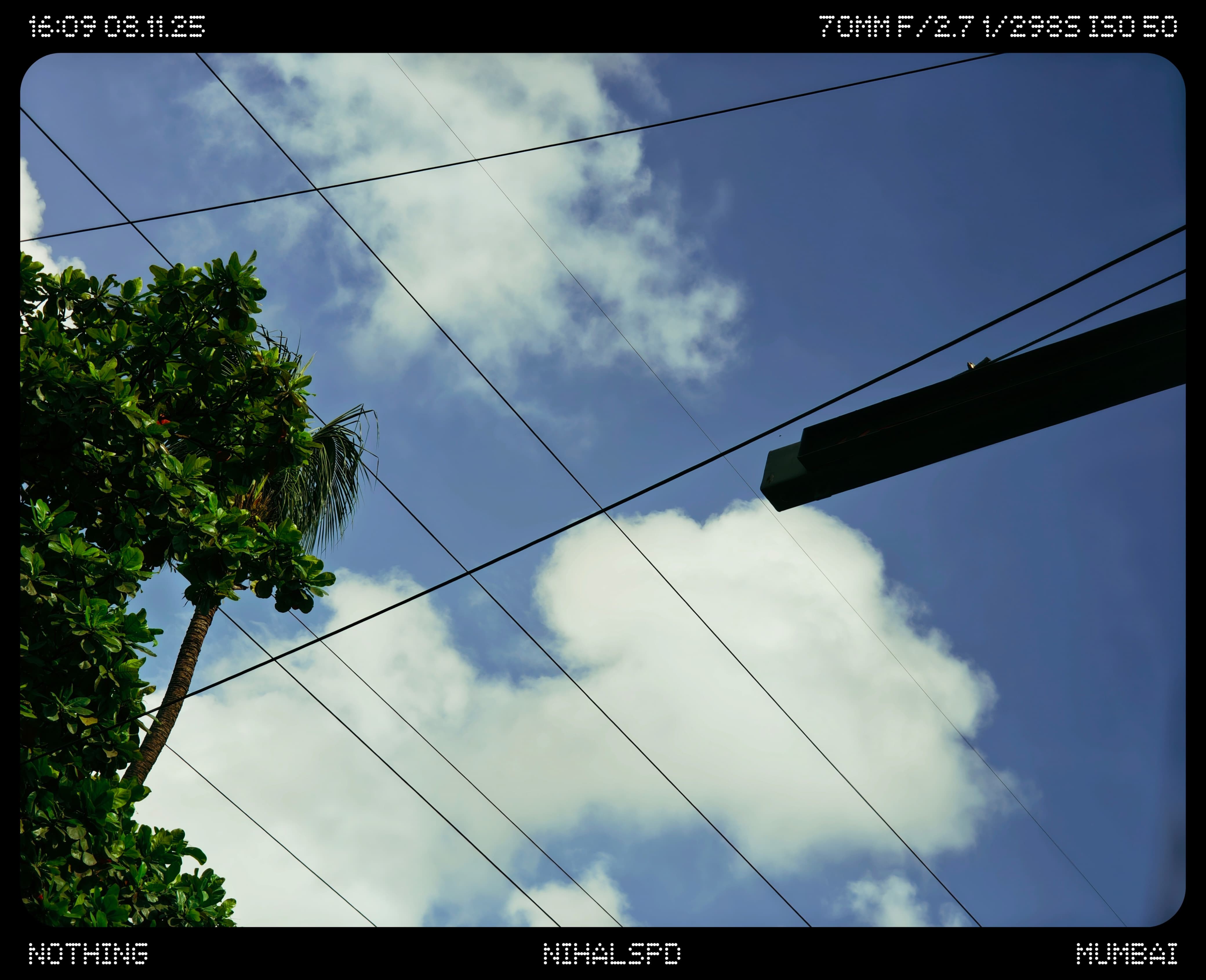
In normal daylight, the photos it clicks are great. They have a good dynamic range, decent color consistency between the lenses, vibrant colors, and better-controlled highlights compared to the 3a Pro’s cameras. But the lens switching is still a bit jittery and clicking multiple burst photos is still a bit difficult for this phone to handle, but it has gotten a lot better with updates and it is less laggy than the 3a pro’s camera app.


Going ahead, the portrait mode on this phone is not up to the mark when it is compared to its competitors. Here, the edge detection is fine, but it struggles when complex subjects and backgrounds are introduced. That’s fine in my opinion, but the places where it applies the blur and the way it looks are very unnatural, sometimes even looking bad.
1. It has a tendency to brighten up the situation a lot.
2. In difficult subjects and backgrounds, it applies the blur in patches.
3. In the 4th image, it has made a cut-out of me rather than rolling off the blur gradually.
These are some of the issues in the portrait mode, but it has improved significantly but not up to the mark, especially when we consider its price and its competitors, some of which are even cheaper than this.


Going ahead to its strongest part, MACRO mode.
Here it uses the telephoto lens to click the macro pictures, and the focusing distance is quite good. I have been getting some insane shots with this, which I will be sharing below. Also, they are edited in Lightroom or have been clicked using the filters from the native camera app.

But it does have a bit of shutter lag, and you can get some shaky shots at 6x, but that’s still fine because the photo that it produces is great!


In terms of Lowlight, the photos it produces are decent, but in challenging lighting conditions, it tends to overexpose the shadows and brighten the highlights. Additionally, it produces slightly soft images as it compensates for the noise. While this is still acceptable for the price, it falls short of its competition.


When it comes to the rest of the features like Videos, Pro mode, all are decent enough but could have been better. The RAW files are flexible enough to do basic edits and enhance the photo, but that’s it. Also, the addition of the recording indicator is really nice for a person like me who does vlogging, and I can make sure that my video is being recorded, and that’s a feature that I would love to see in other smartphones in some other manner.
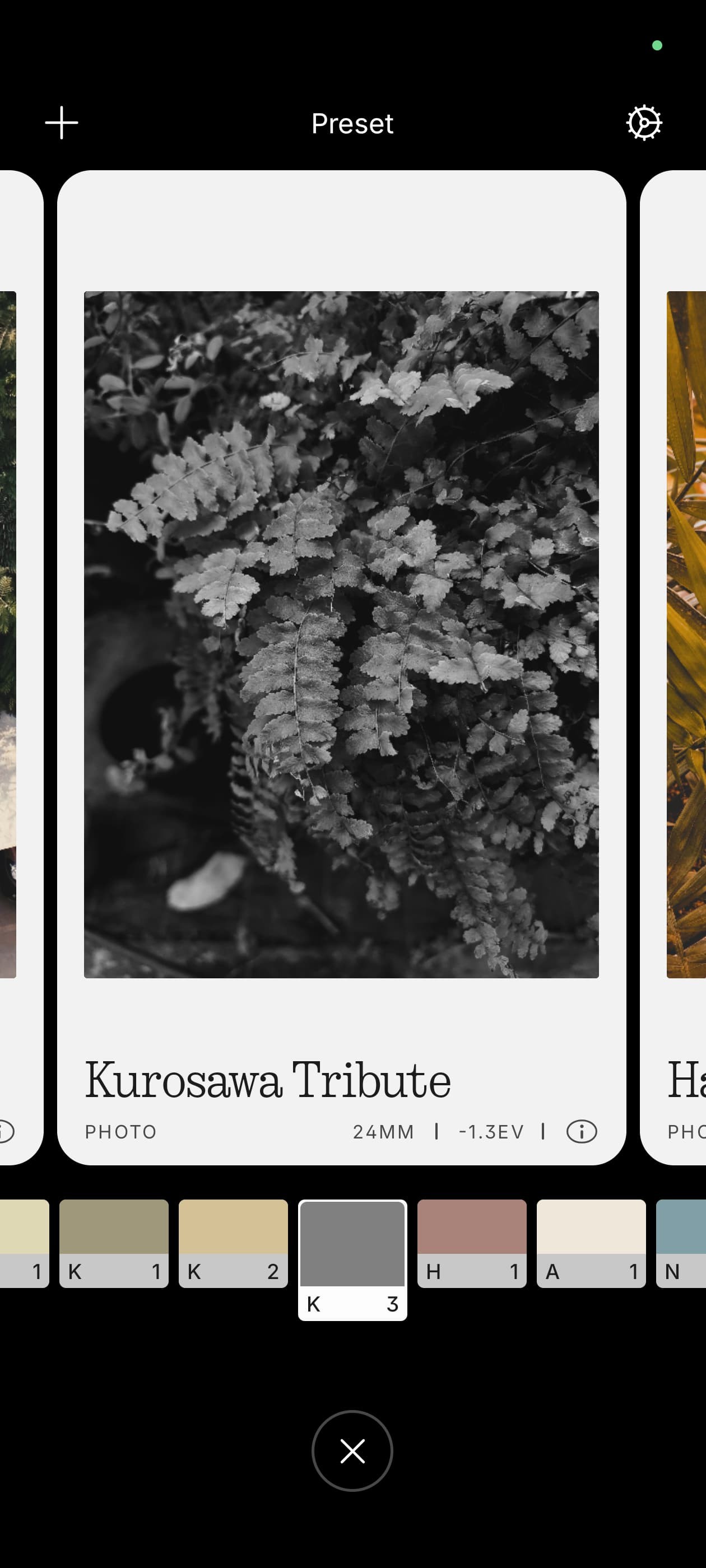
Nothing also included the presets feature in it, which has been my favorite feature of the Nothing’s camera app/ OS. Since its introduction in the Phone 3a series, it has improved a lot, and the filters work really well when clicking the photo.
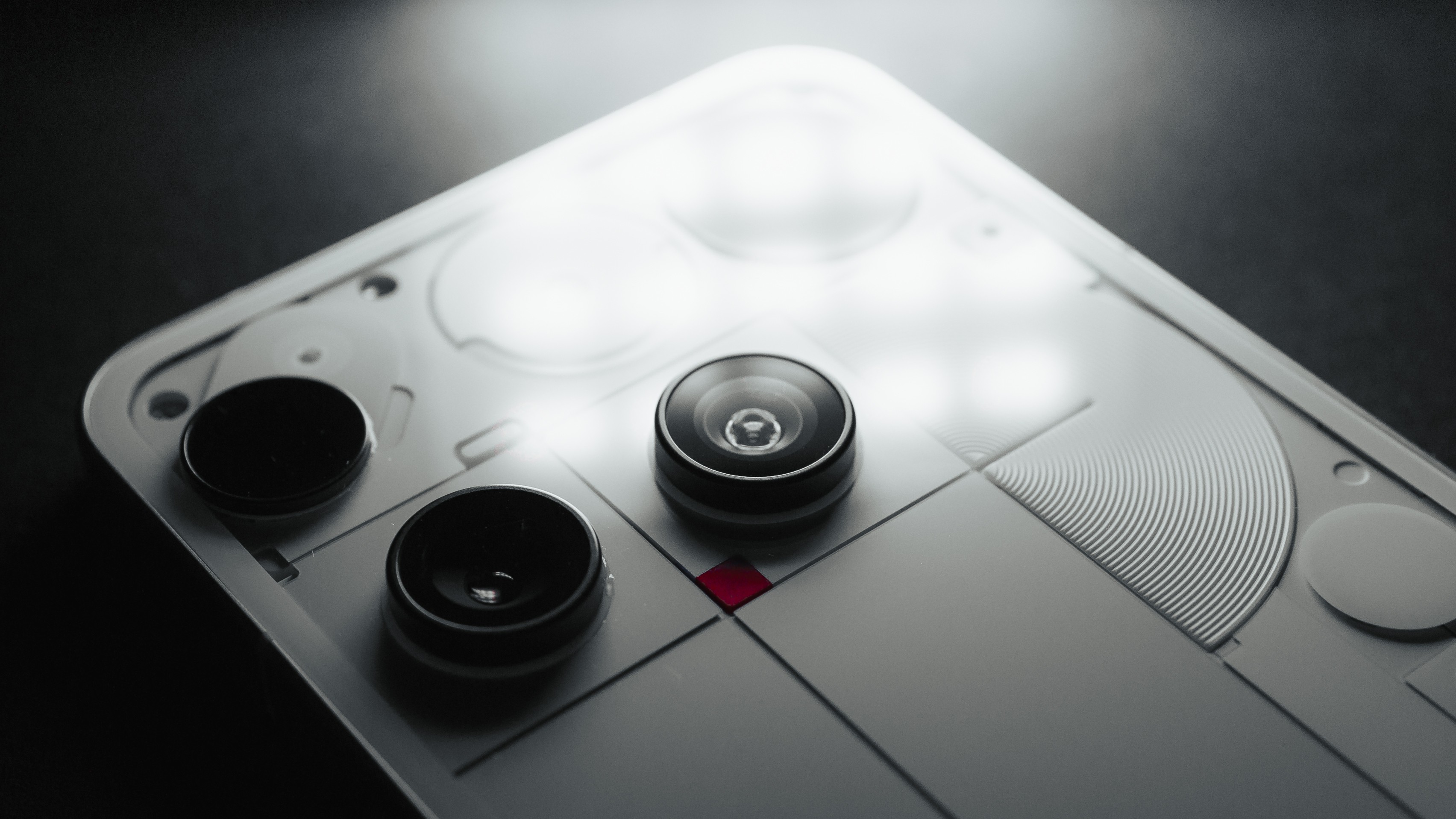
Hence, the camera is decent, could be better when considering the price, but it has some really useful and fun features that are so practical that I use it very often.

Conclusion
In summary,
PROS
- Unique and Fresh Design
- Clean, minimal, bloat-free Nothing OS
- Feature-loaded cameras (presets, filters, etc.)
- Excellent Battery Life
- Almost flagship-level performance
- The Essential Space and Global search integrate A.I. really well and are quite useful.
CONS
- Inconsistent camera, especially in low light
- Glyph Matrix is still an underutilized concept
- Overpriced, considering its specs, performance, and its competition
- Some stutters in UI and camera app
- Phone is on the heavier side and has thick bezels
In conclusion, the Nothing Phone (3) stands out as a unique and innovative design, particularly in its approach to creating a “true flagship” smartphone. However, its hefty price tag of 80,000 INR makes it an impractical choice for most consumers. While it offers a decent phone with a few flaws, its pricing is simply not justified. If it were priced at around 50,000 INR, it would have made more sense, considering the current competition in the flagship range. Nevertheless, it’s clear that this phone is primarily aimed at enthusiasts who are willing to experiment and embrace new technology and also if they have the money for it.
Still if anyone wants to go for it, I would recommend you to wait for its price to drop and then buy it from trusted sources/ official retailers like Flipkart, etc…
If you have any questions about the Nothing Phone (3), feel free to ask in the comments below. I’ll make sure to address all your questions.