Hello Community!,
My name is Allan Castelino, and I’ve had the Nothing Phone (3) for a month now thanks to the community review program. I will be sharing my experience and my review of using their latest and self-proclaimed flagship device for the past month, and how it has fared with updates.
I have posted a thread on X on unboxing and initial impressions, and here is the link to it.
Design and build
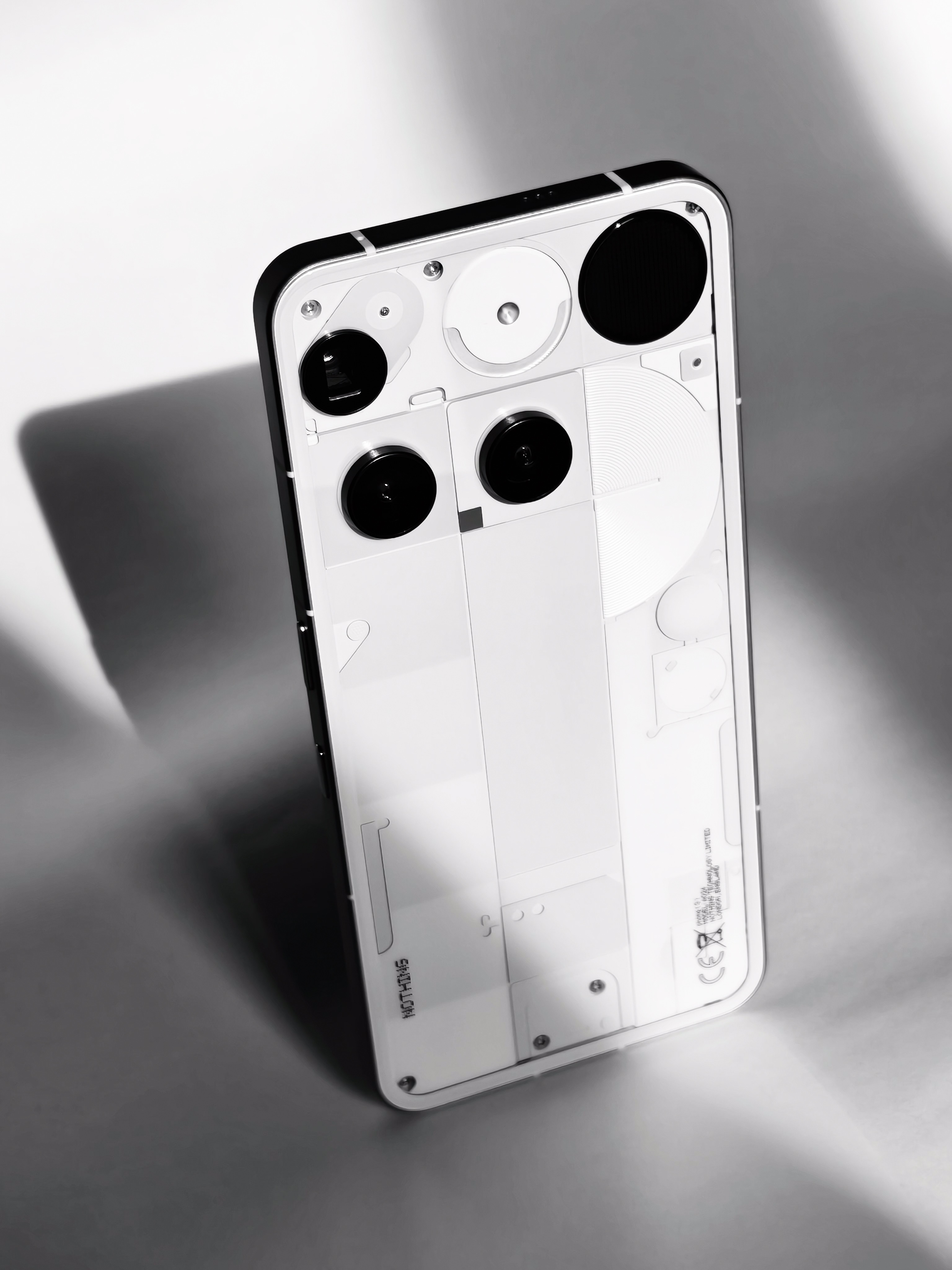
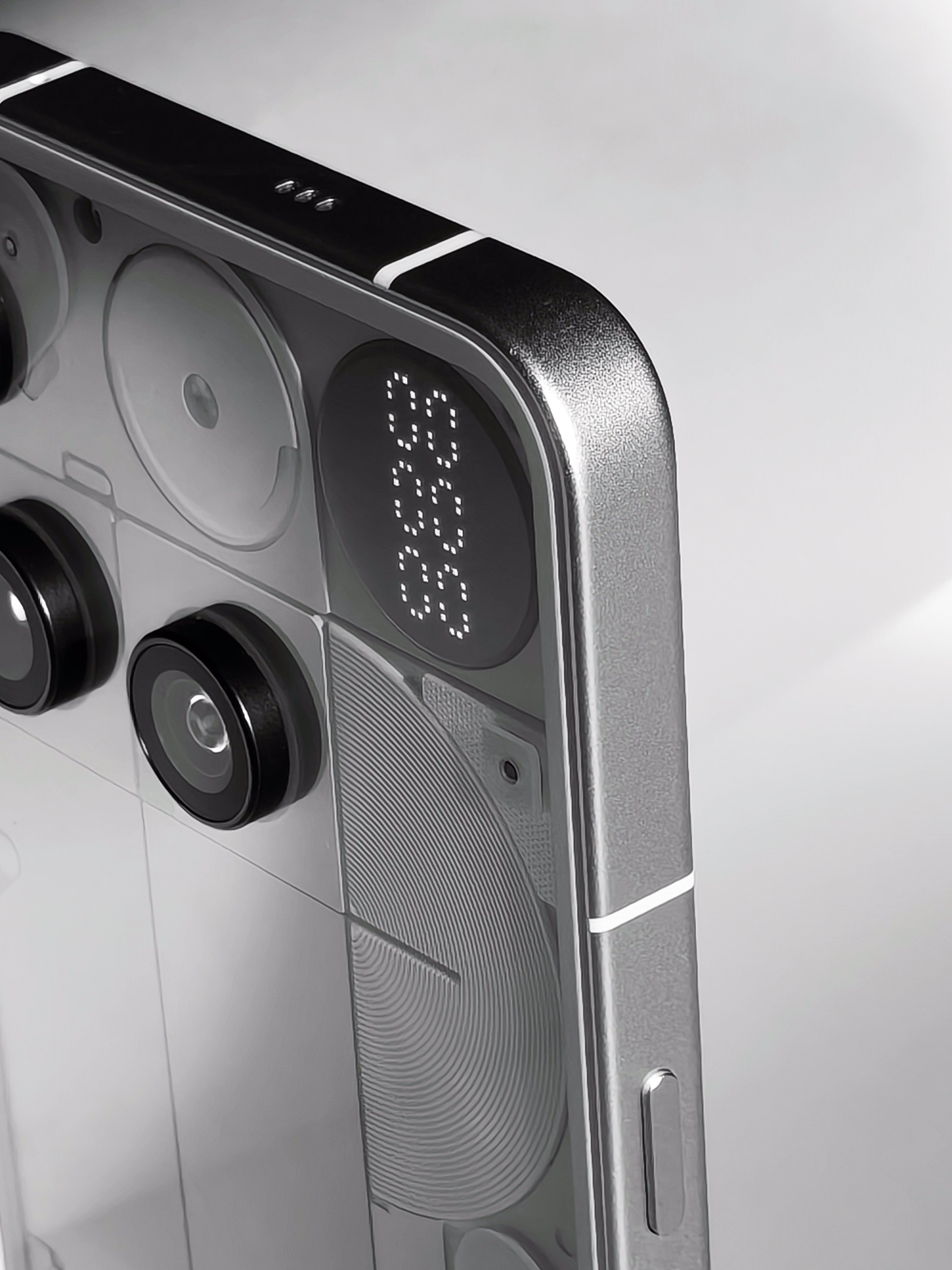
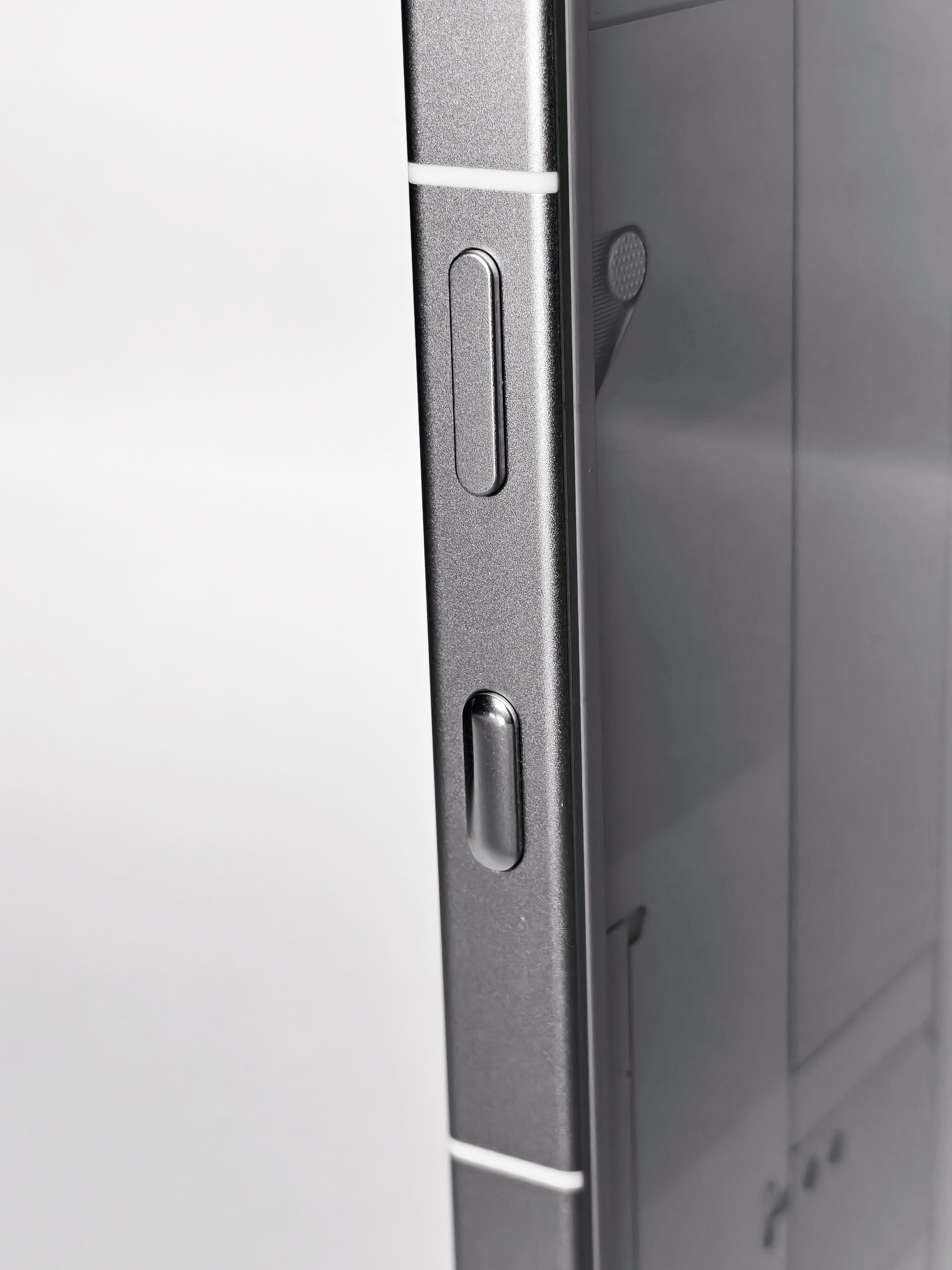
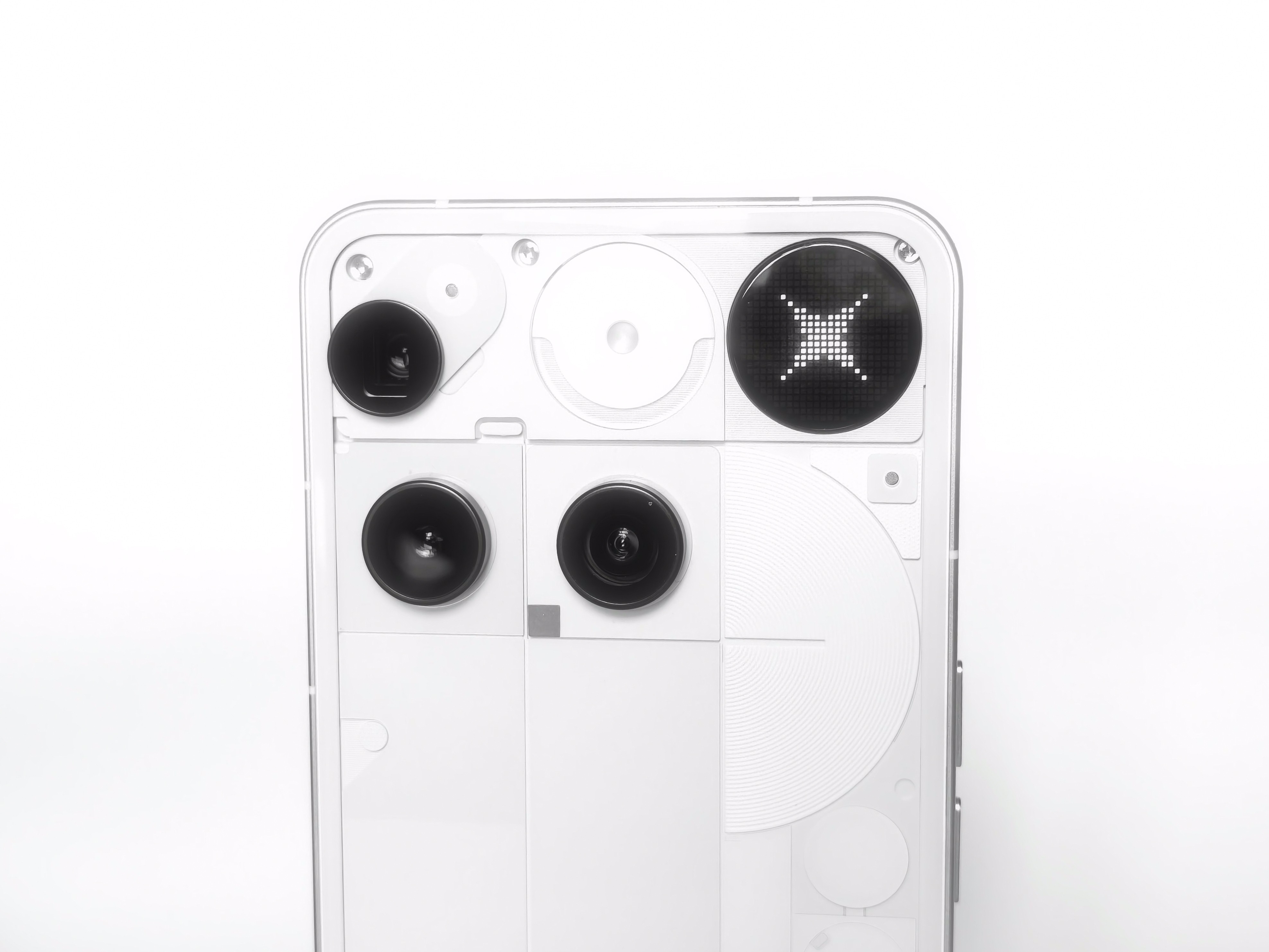
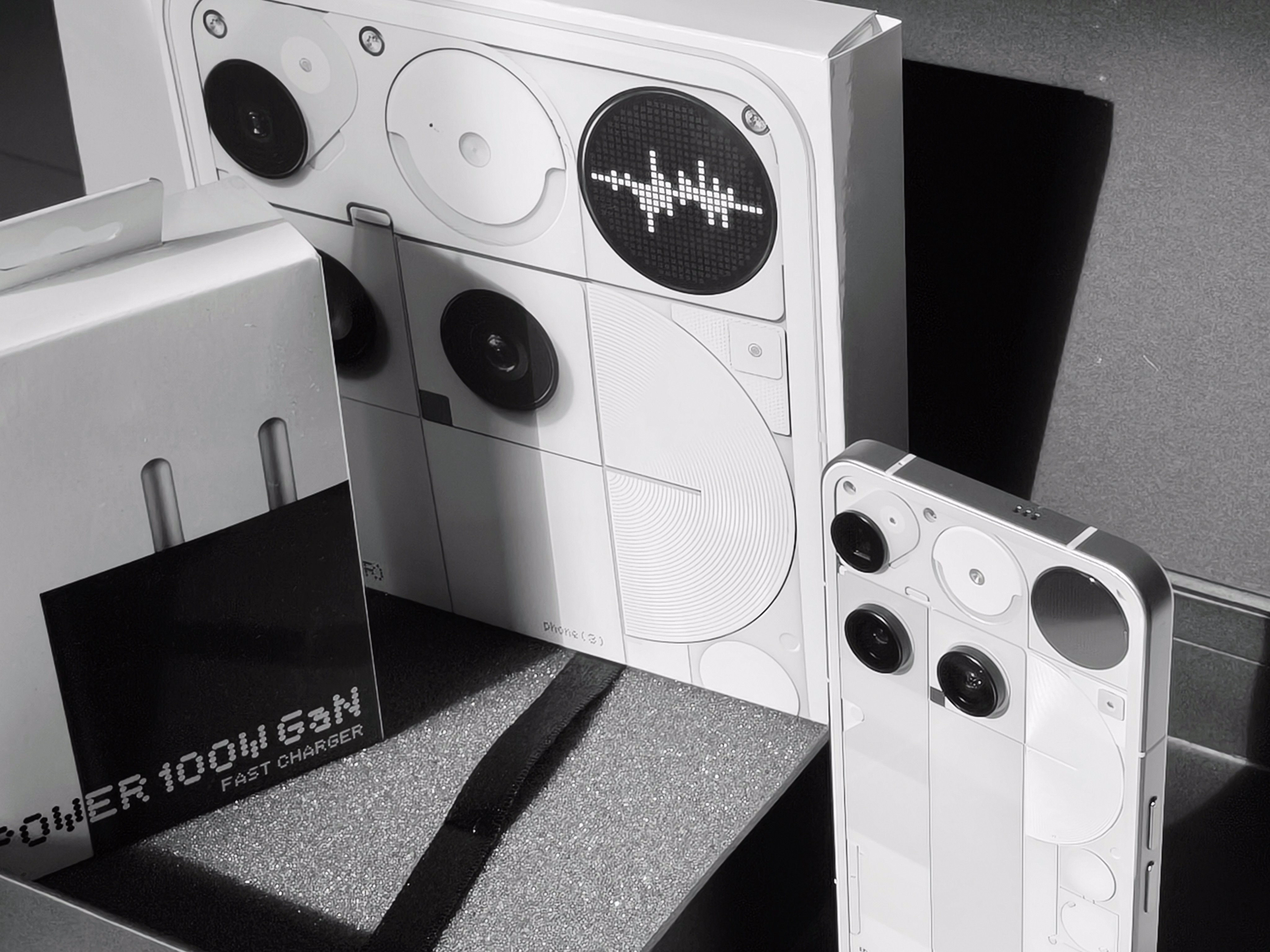
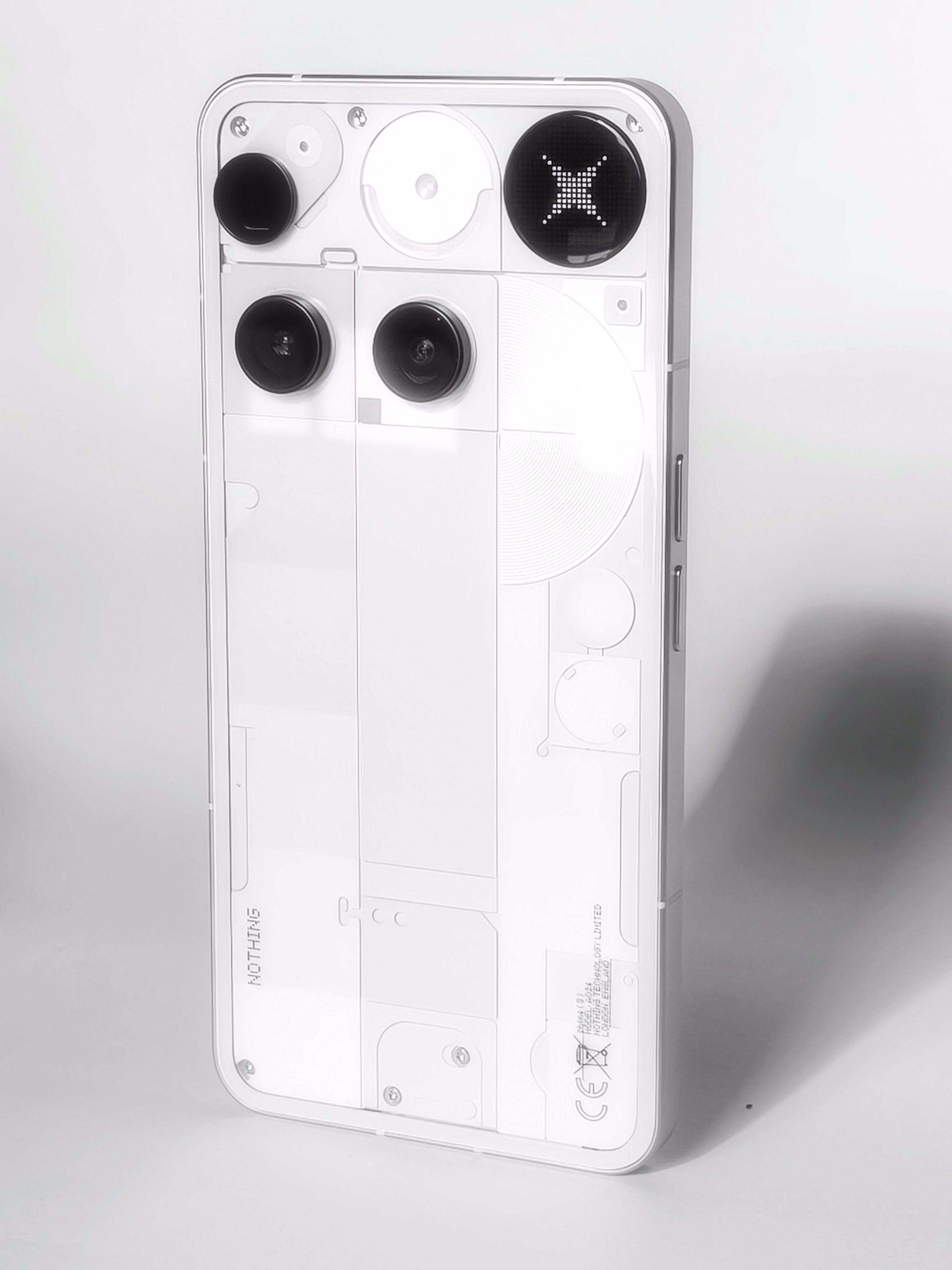
Right off the bat, the design on the Phone 3 takes is a head turner and a conversation starter. I wouldn’t say I love the design, but it has grown on me. Nothing wanted to produce a statement and they did. With a height of 160.60mm and a width of 75.59mm, the phone is definitely for those with small hands. It weighs on the hefty side at 218g, but the weight distribution is done well. The matte aluminium frame is a nice touch. The volume buttons are on the left side and opposite to the power button and essential key, which I’m a big fan of, as it makes changing volume and taking screenshots easier. The buttons are of good quality and tactile. The camera placement takes a while to get used to, especially to avoid accidental smudges. The top right portion is now home to the new glyph matrix with a capacitive button below to access it.the red recording indicator is a very welcome and cool addition. The phone is IP68 water and dust resistant, which is a nice addition. The back panel is Gorilla Glass Victus while the front glass panel is gorilla glass 7i, the decision to go with the stronger glass ia the back is puzzling as the design encorages you to keep the phone screen down thanks to the glyph matrix so naturally I a better protection in the front would have been better. The design of this phone has stirred up quite a discussion online and has definitely helped it stay relevant in the mobile space
Display
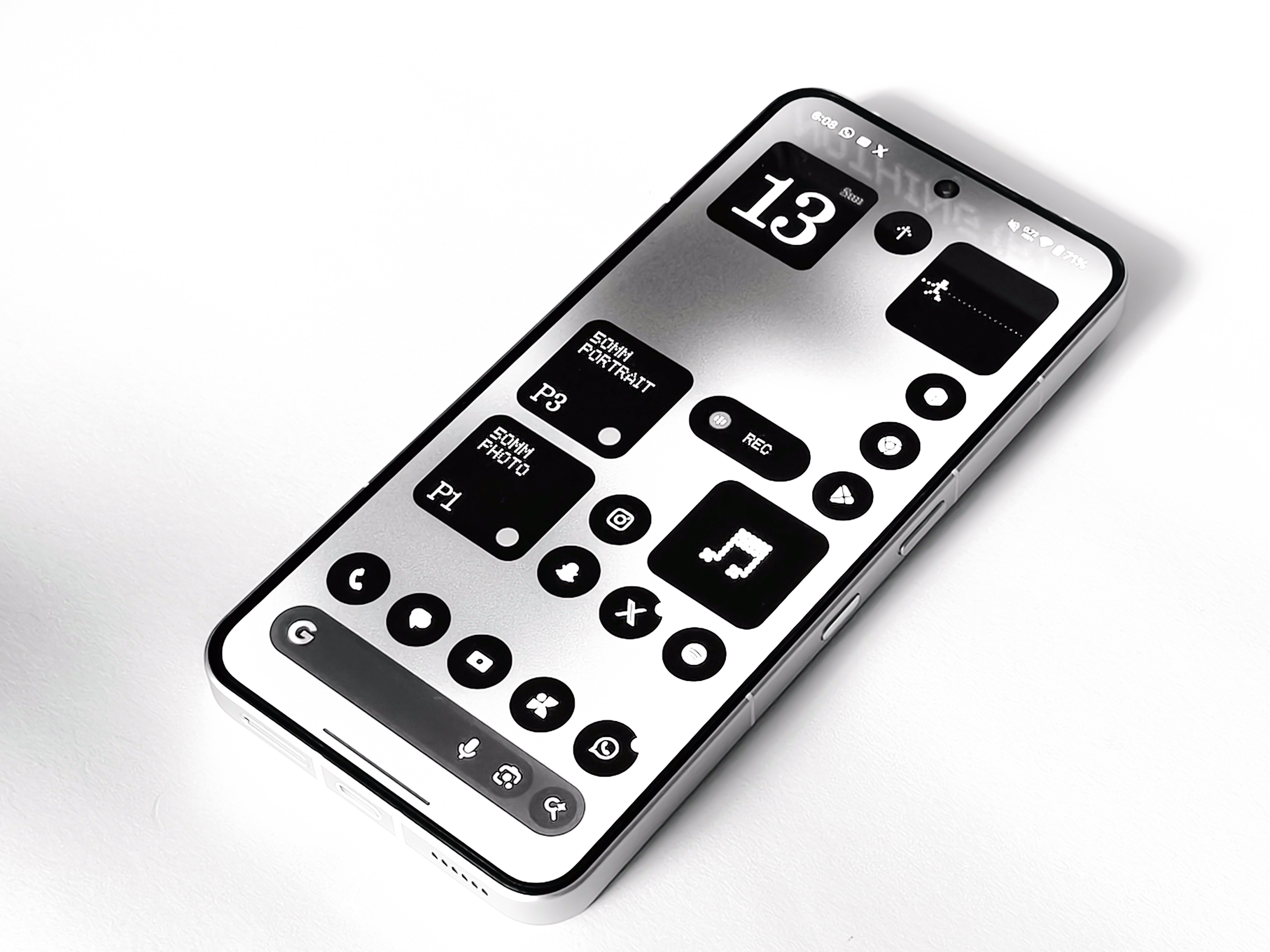
The phone 3 is equipped with a beautiful 6.67” flexible AMOLED 1260 × 2800 (460 PPI) that has been calibrated beautifully and is a treat to watch content on, as it is HDR 10+ certified. The display is sufficiently bright outdoors in harsh sunlight, thanks to its 1600 nits outdoor brightness, and the auto brightness feature tends to work well, too. The bezels around are quite slim and symmetrical all around. There is a slight downgrade, though, and that is that it is only a 120hz LTPS display and not an LTPO one. This small change seems to have had an effect in the battery life of the phone, which I will cover later. It comes with a 1000Hz touch sampling rate, making it very responsive.
The phone comes with an optical fingerprint sensor, which does the job, but the placement is a bit lower than what would have been comfortable.
Audio and Haptics
The phone comes with dual stereo speakers that appear to be well-tuned and can get very loud without distortion. They have provided a dedicated second speaker above as opposed to playing from the earpiece speaker.
The haptics are done decently well, although not the best in the flagships I have used. There is a lot of room for improvement in implementing haptics all over the OS
Connectivity and calling
The phone comes with dual 5G SIM support, with e-SIM support as well, I had no issue with call clarity and connectivity during my usage. For your wifi, it supports wifi 7 and can handle decent wifi speeds. Also comes with Bluetooth 6.0 and NFC, which is great to have when making contactless payments. For data transfer, the phone is only equipped with USB 2.0, which is quite outdated and unusual in its price range.
Battery and charging
The phone 3 comes with a massive 5500mAh battery paired with 65W fast charging that take around an hour for a full charge. There is also 15W wireless charging as well as 5W reverse wireless charging. The battery performance in my usage has unfortunately, been underwhelming. I got around 5-6 hours of screen-on time based on my usage but what disappointed me most was the standby battery drain. There were many days when, at the end of work, I’d pick up the phone only to find it dead and have to charge it just before leaving. I expected better optimisation, especially for such a big battery. The LTPS display might have been a contributing factor leading a higher battery usage had it been a LTPO display. There is no charger provided right out of the box, so make sure you get a compatible charger separately.
Glyph matrix
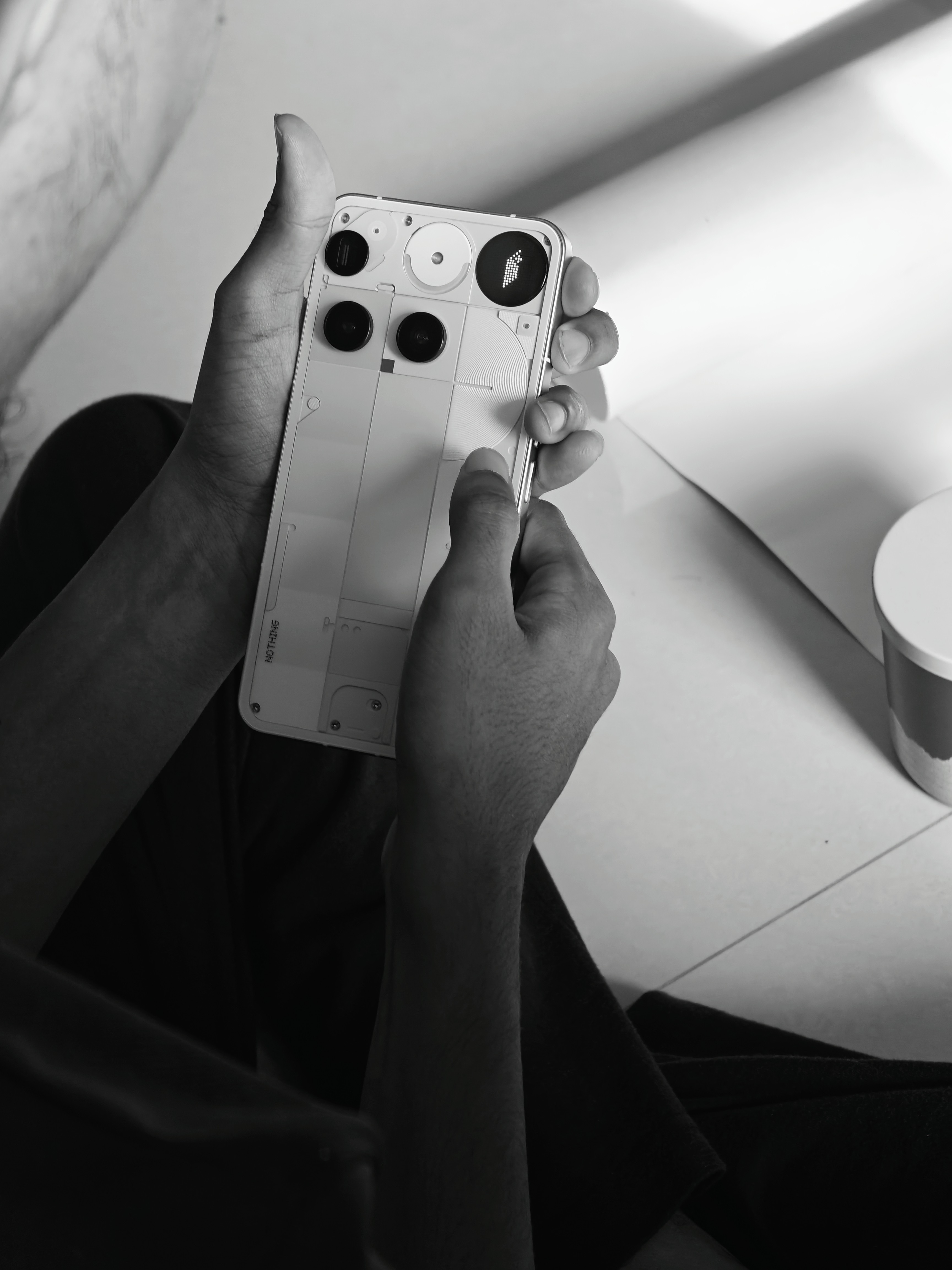
There is a new element on the phone 3 that has made quite the buzz, and thats the glyph matrix. Nothing has decided to ditch the LED lights for a dot matrix screen to convey more information. The glyph matrix comes with a variety of glyph “toys’ that you can switch from using the capacitive button below. I did struggle to activate the button one-handedly and wish we had control over the sensitivity of the button. I did find myself using the glyph matrix to have the clock on or see what the battery is, but otherwise, I wasn’t quite sold on the other toys. There seems to be a lot more potential to the glyph matrix that is yet to be realised. One thing to note, though, is that there are a lot of community projects that have been developing different use cases for the glyph matrix, and users seem to love the collaboration. While I’m not fully sold on the idea of a secondary screen, I do look forward to seeing how Nothing develops it further in future updates.
Performance
This is one feature which has had many questioning if the phone (3) is indeed a flagship phone. The Phone 3 uses a Snapdragon 8s Gen as its chipset, which nothing is claiming is a flagship chipset and the tech community strongly disagrees with. Its a very surprising choice, especially at the price point, considering there are cheaper options in the market offering this year’s best Snapdragon 8 elite in their offerings. The phone does handle most day-to-day tasks with ease but you can notice it struggles with tasks like video editing or photo editing. Im not much of a hardcore gamer, but the phone did handle playing casual games like Marvel snap decently and only heating up with sustained gameplay. The cost-cutting does seem evident at times when you try to click multiple pictures or load resource-intensive tasks. Overall, the performance of the Phone 3 has been acceptable, but nothing to celebrate about, especially at this price point.
Software
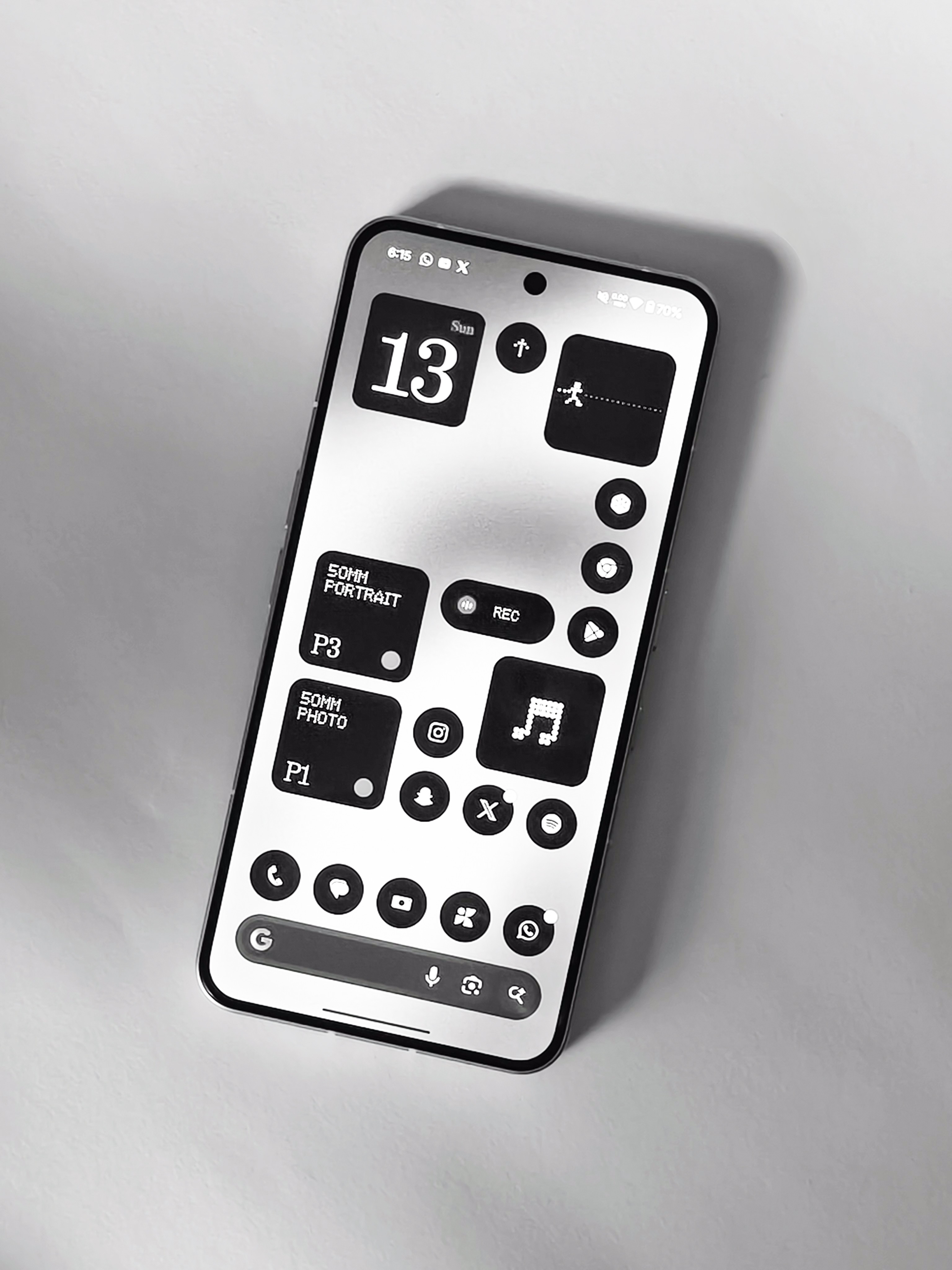
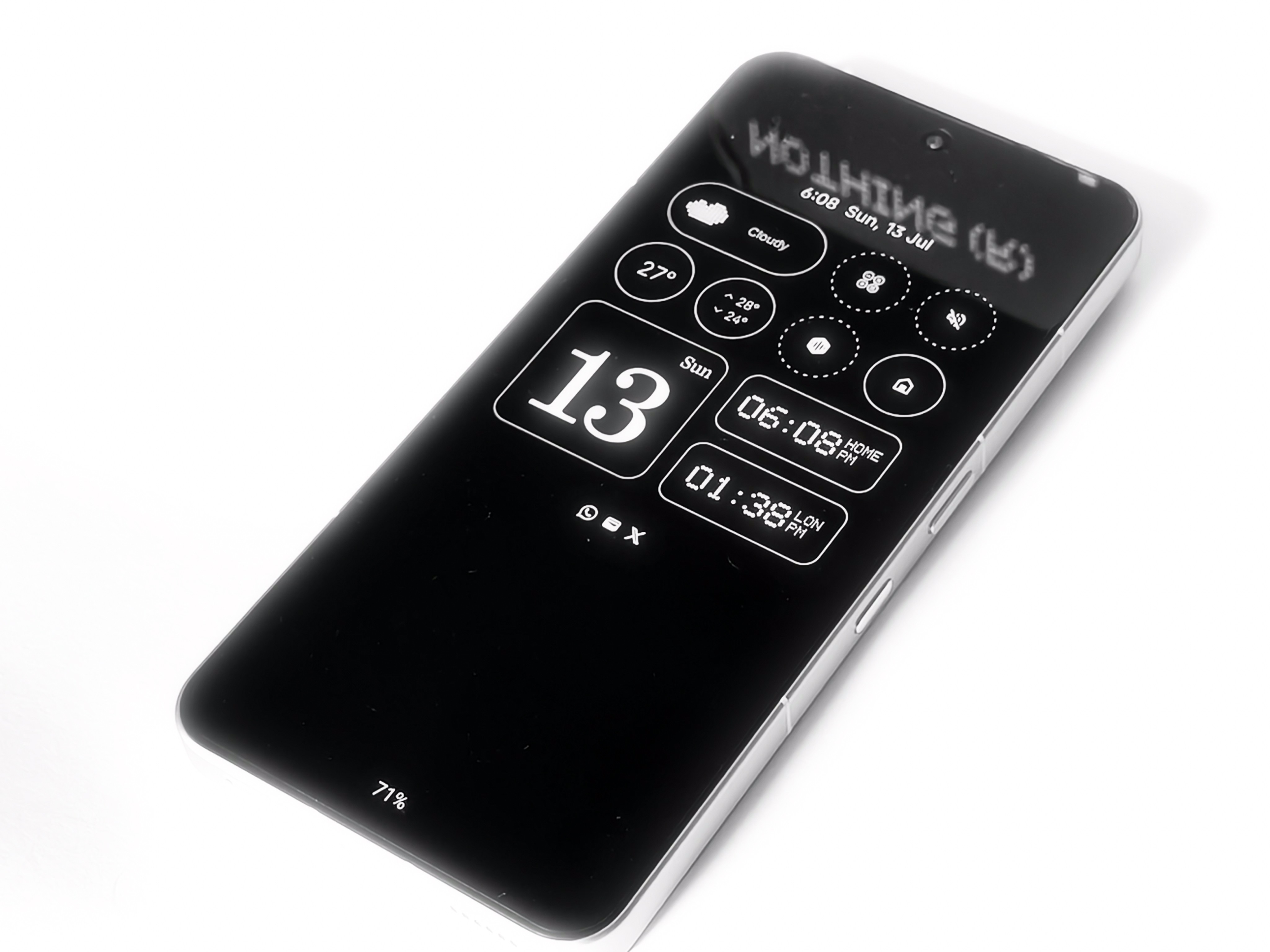
The phone 3 comes with the Nothing OS 3.5 out of the box, running on Android 15. This was my first time using the Nothing OS as a daily driver, and I must say it was my favorite part of the whole experience. The UI is pretty feature-rich in parts such as the AOD implementation, the beautiful widgets and how you can access them from the lockscreen too. The animations are fast and snappy, making the phone feel faster than it is. The notification sounds and generative ringtones are quite good at grabbing your attention. The essential space was quite a handy feature that I kept coming back to although i did keep accidentally turning it on due to the position of the essential key button below the power button, something I never really got used to. The new essential search feature was nice at the time but it can be a bit slow when you need information quickly. There are parts of the UI that definitely need a refresh, such as the settings menu and the quick settings panel, that look quite outdated in terms of design and functionality. Overall, Nothing OS is a great, fast and fluid OS that separates itself from the rest and does a very good job of working with the hardware paired. Nothing is offering 5 years of android updates with 7 years of security updates but only time will tell how the hardware holds up and how well the software is optimised.
Cameras :
The cameras on the phone 3 have been quite a mixed bag. They have definitely improved with updates but are still shy of being truly flagship and consistent.
Main & Ultrawide:
The main camera is a 50mp 1/1.3” sensor that does well under great lighting conditions. The HDR Turing is mostly good but something can lead to a very over processed look. The results come out less than ideal under low light conditions especially in the Ultrawide, which lacks OIS. The colours come out saturated but not too unrealistic. There is an issue with the white balance tuning and consistency across the lenses that can be quite obvious and updates haven’t been fully successful in resolving this issue. The shutter speed also seems to be on the slower side with a lot of blurry images so you have to be quite steady to get detailed shots.
Periscope:
the periscope is a smaller one used than in the mid range phone 3a and the difference in quality between the main lens and the periscope is noticable. The photos are usable until 10x but quickly start to degrade in quality on further zoom. The photos do look good at first glance but you can notice the watercolor effect due to the lack of details once you inspect the photos closer.
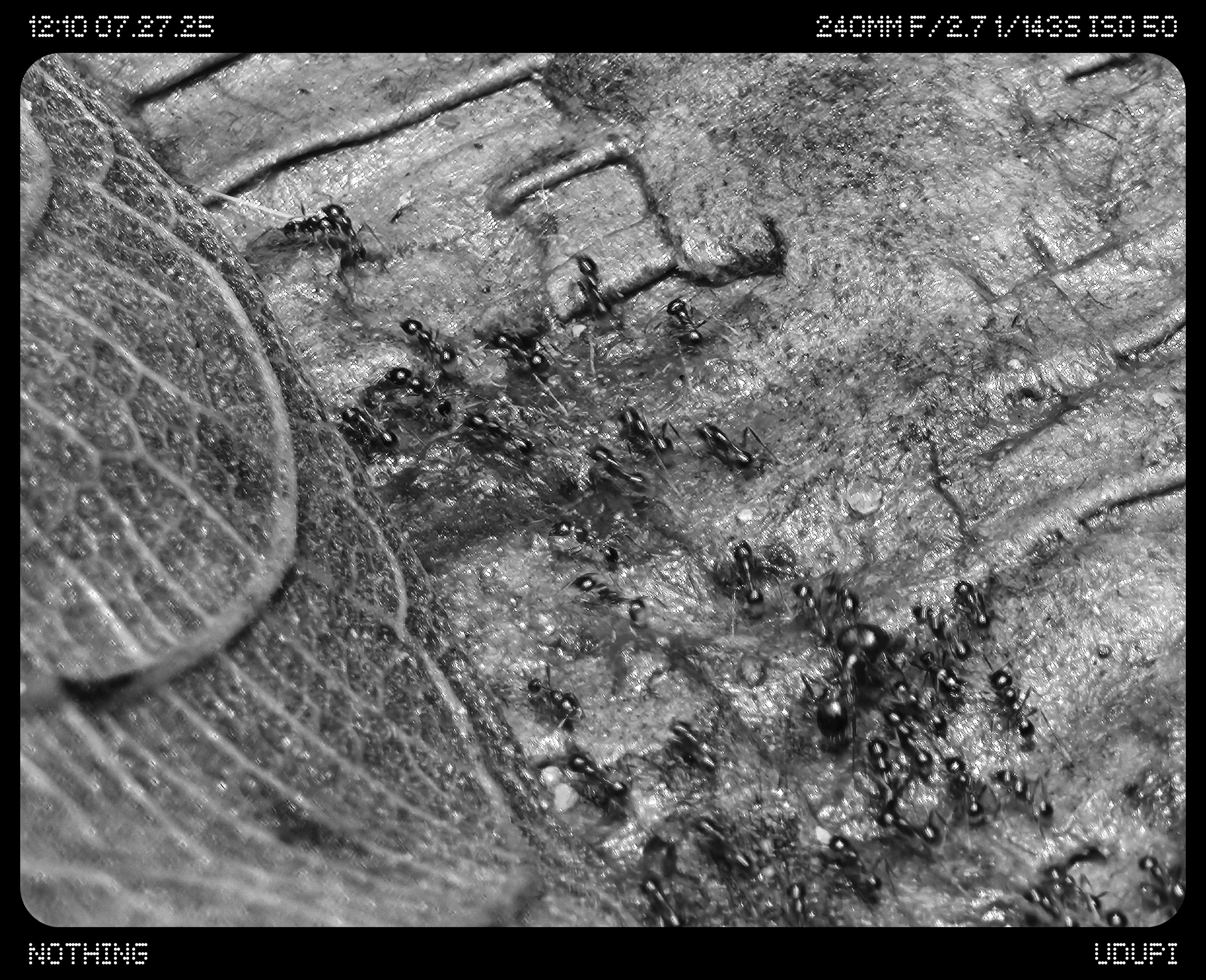
There is however, a surprising upside to the smaller sensor and that’s the excellent macro capabilities that come with it. Macro shots on the phone 3 have been really good and on par with other flagships. I’ve enjoyed shooting various macro shots with this set up.
Portraits have been a hit or miss with some coming out very well but some with a bit aggressive on the background blur. The edge detection too, has not been quite great with more misses than hits.
The camera UI has potential with excellent features such as the shortcut widgets and the ability to create and share your presets but can get a bit annoying to use when you want to access features fast.
Front camera:
The front 50MP camera is great with accurate and detailed selfies and 4k recording support. There are a few cases where the exposure might be a little off but it mostly does great with various skin tones.
All the cameras support 4K 60fps video recording with HDR. The video quality has been decent under well-lit conditions; however, the lens switching isn’t very smooth and does produce noticeable jitters. The camera UI could be improved to help zoom in and out better with the three lenses.
Overall the camera has improved after multiple updates but there is still a difference in quality when you compare it to other flagships in the price range.
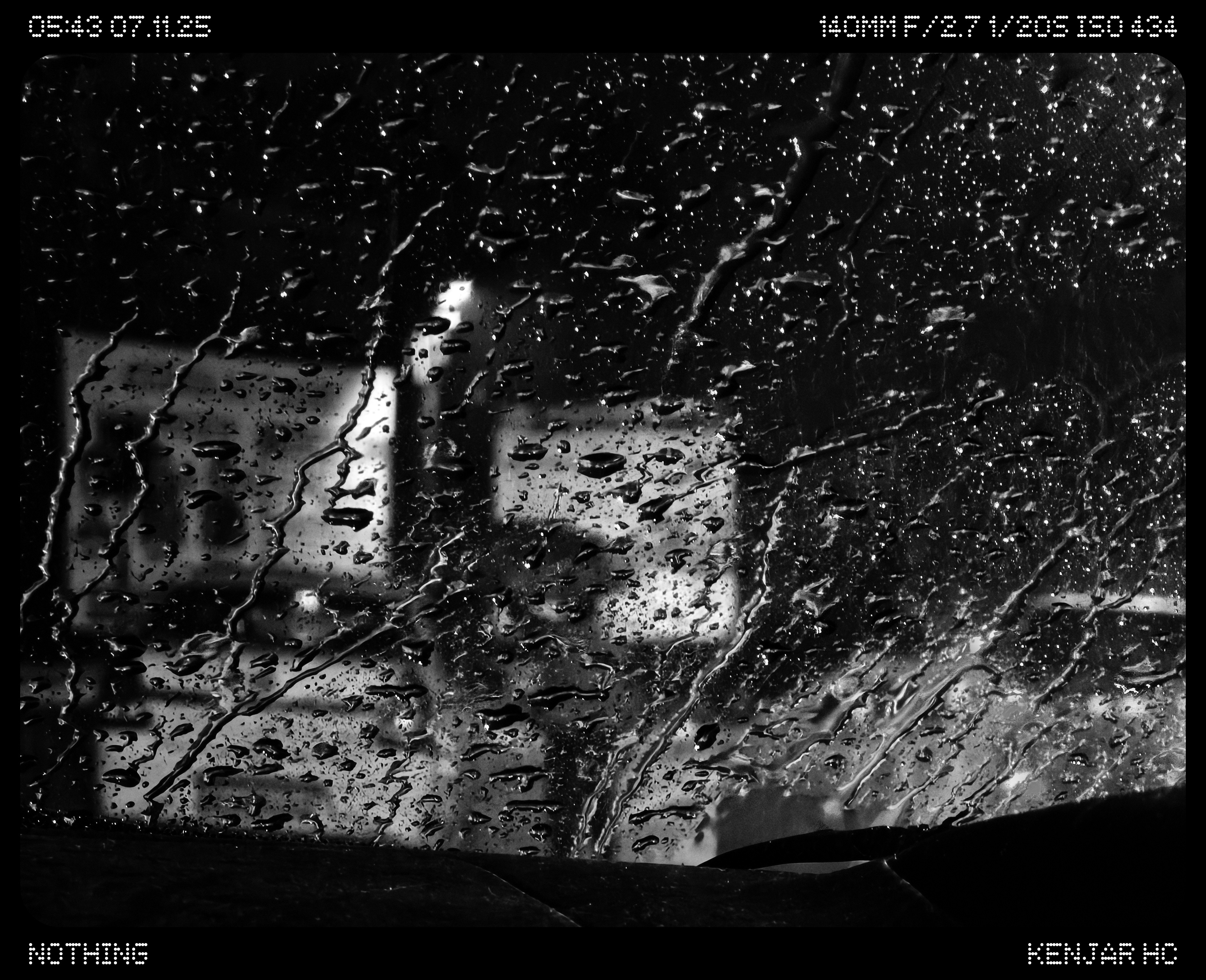
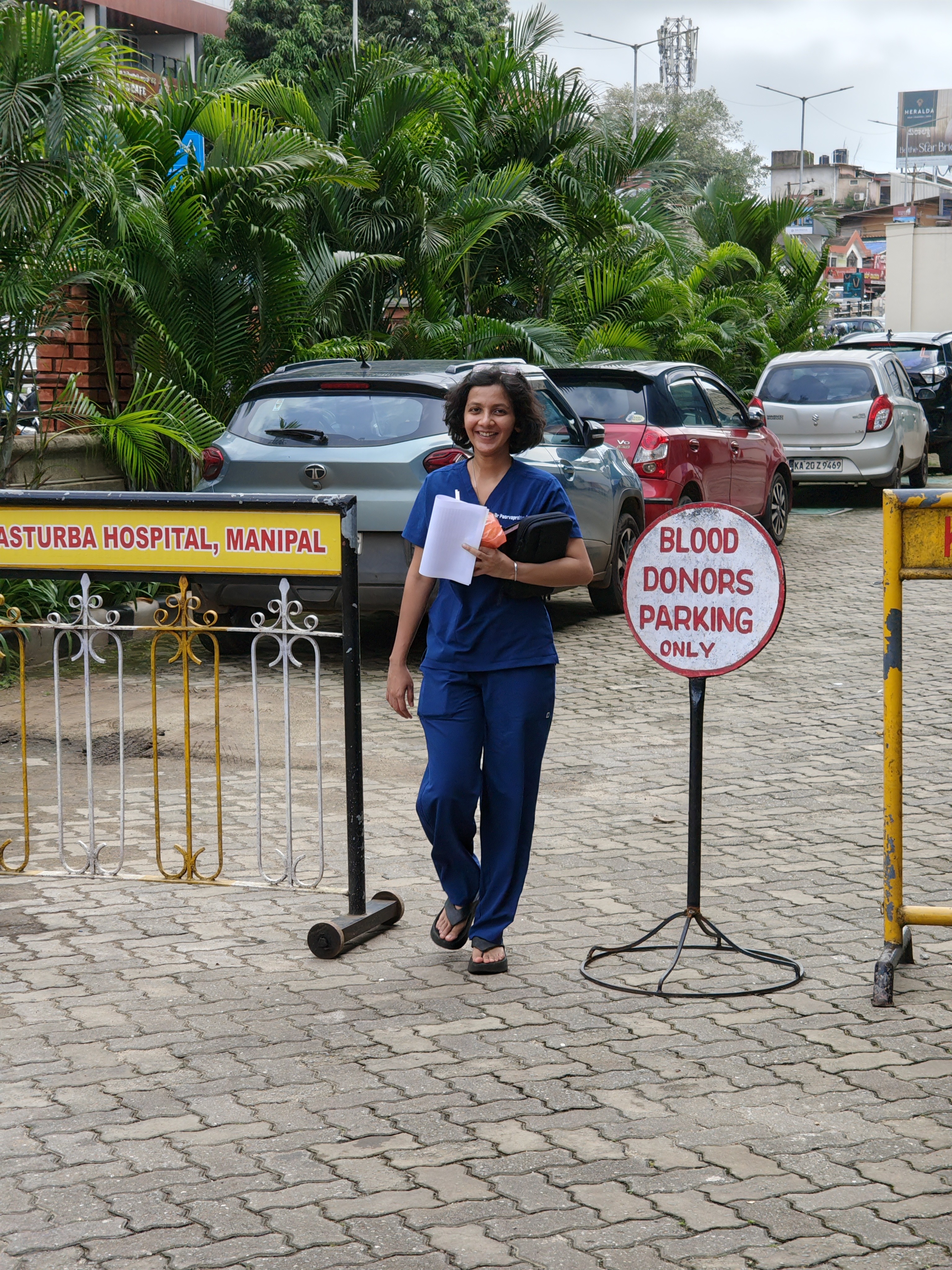
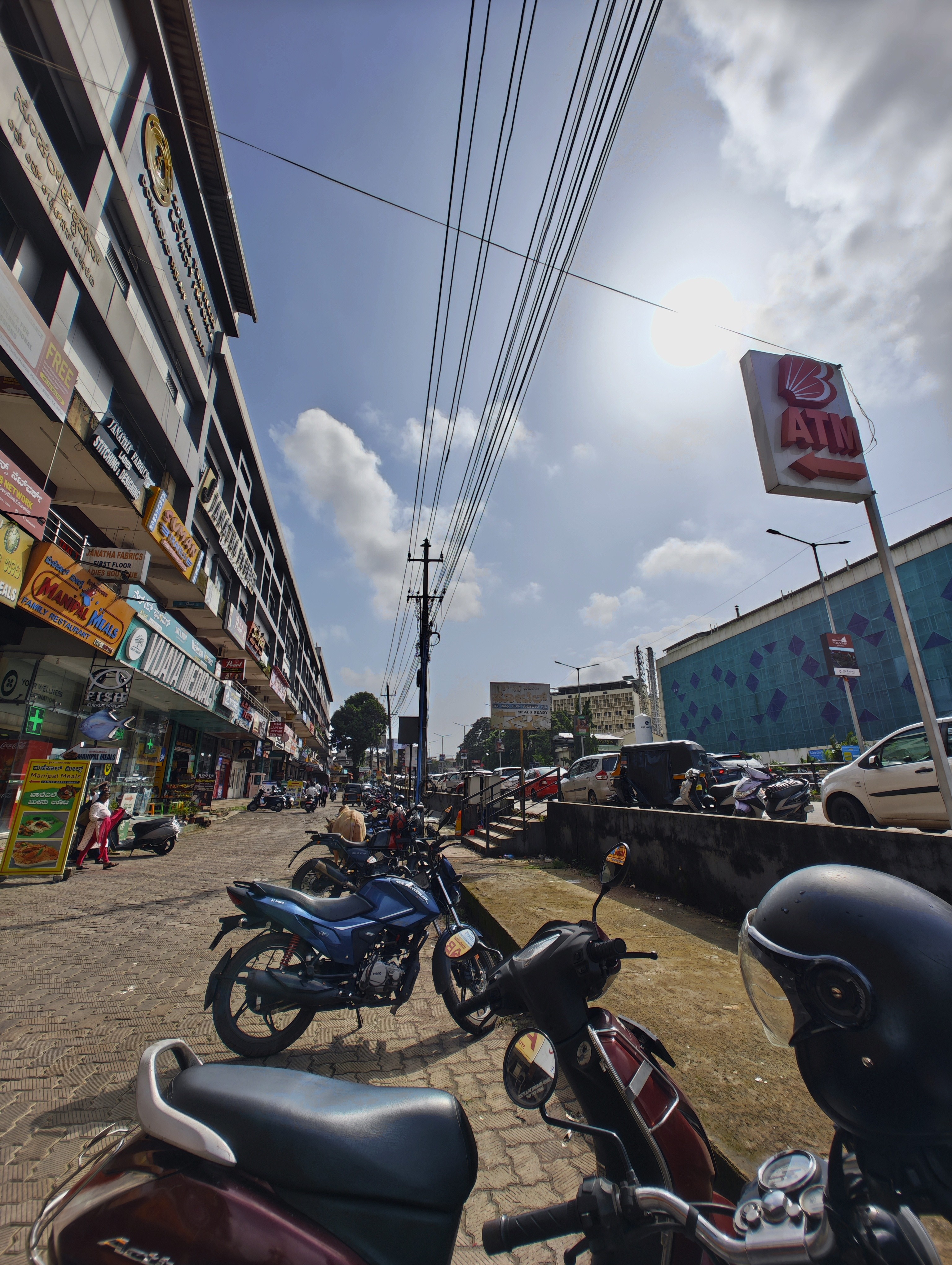
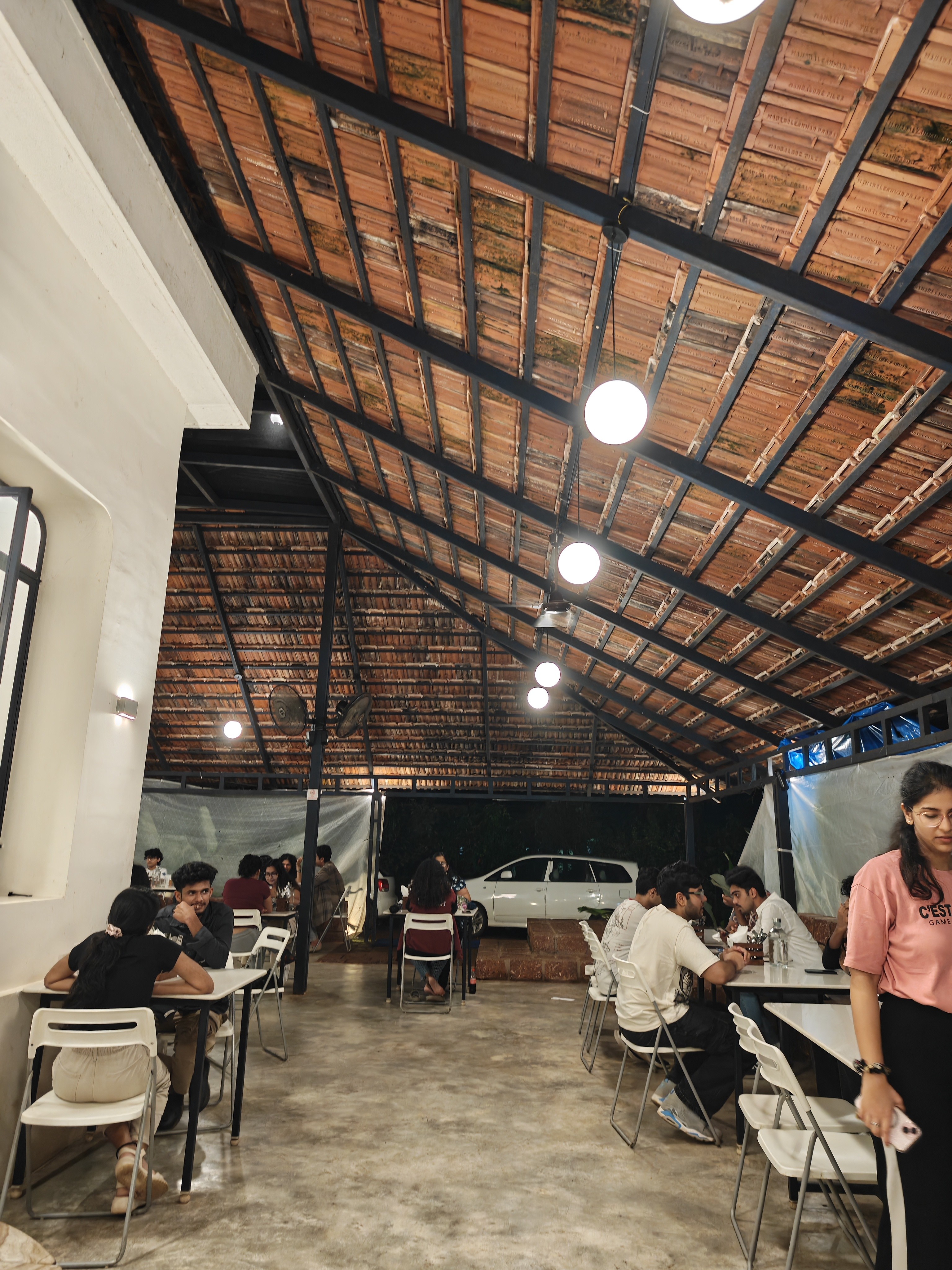
here are a few samples from the camera:





















Conclusion.
The phone 3 is a more than decent attempt by nothing to build a flagship phone but sometimes there’s more to a flagship than just flagship marketing. The price is what lets this phone down the most and is what ruins a good experience.
Had this been priced around the 50-55k price point, a lot of the flaws could have been overlooked and would be a great phone to recommend. This phone is definitely catered to hardcore fans of nothing who value design and experience over a spec sheet. Hopefully, the phone will become a much better offering with price reductions in future sales. In the end, nothing succeeds in making phones a little more fun again and I hope they come up with better, well-rounded devices in the future.
I’d like to thank the team over @Nothing ,especially @Deepanshu_Saini_ for giving me this incredible opportunity and also for having a great review program and being so open to feedback and criticism. I wish nothing all the best in their future offerings.
