Nothing Phone (3) — A Community Review
I was lucky enough to be part of the Nothing Community Review Program and test-drive the new flagship, Phone (3).
Before we start, context matters:
I’ve only used the Phone (1) before this.
I’m a light user (2–3 hours screen time/day).
My primary interest? Photography.
So this review comes from someone who values design, usability, and a camera that can keep up outdoors.
🔋 Battery Life
Charging to 90% daily (to preserve health), I consistently end my day with ~40% battery left. Usage includes: social media browsing, WhatsApp calls, Spotify, and photography.
Performance is solid. No overheating. No stress. For my usage, it’s reliable enough that I don’t even think about the battery anymore — which is the best compliment I can give.
—
📐 Ergonomics
This was the area I was most skeptical about before using the phone — particularly the weight and form factor. On paper, I wasn’t sure it would feel comfortable for long use. In practice, I adapted quickly.
Weight & balance: At first I thought it might feel heavy, but after a few days it became second nature. The balance across the frame is excellent, so it never feels top- or bottom-heavy in the hand. Honestly, it’s even nicer without a case, though I used one to protect the review unit. (And yes, when I dropped it face-flat on tarmac, the case proved its worth.)
Desk presence: Flipped face-down, the Phone (3) looks clean, balanced, and quietly intentional. It doesn’t scream for attention or look like clutter on my desk. In fact, it feels like it belongs there — more in symmetry than the rest of my desk setup, which is saying something.
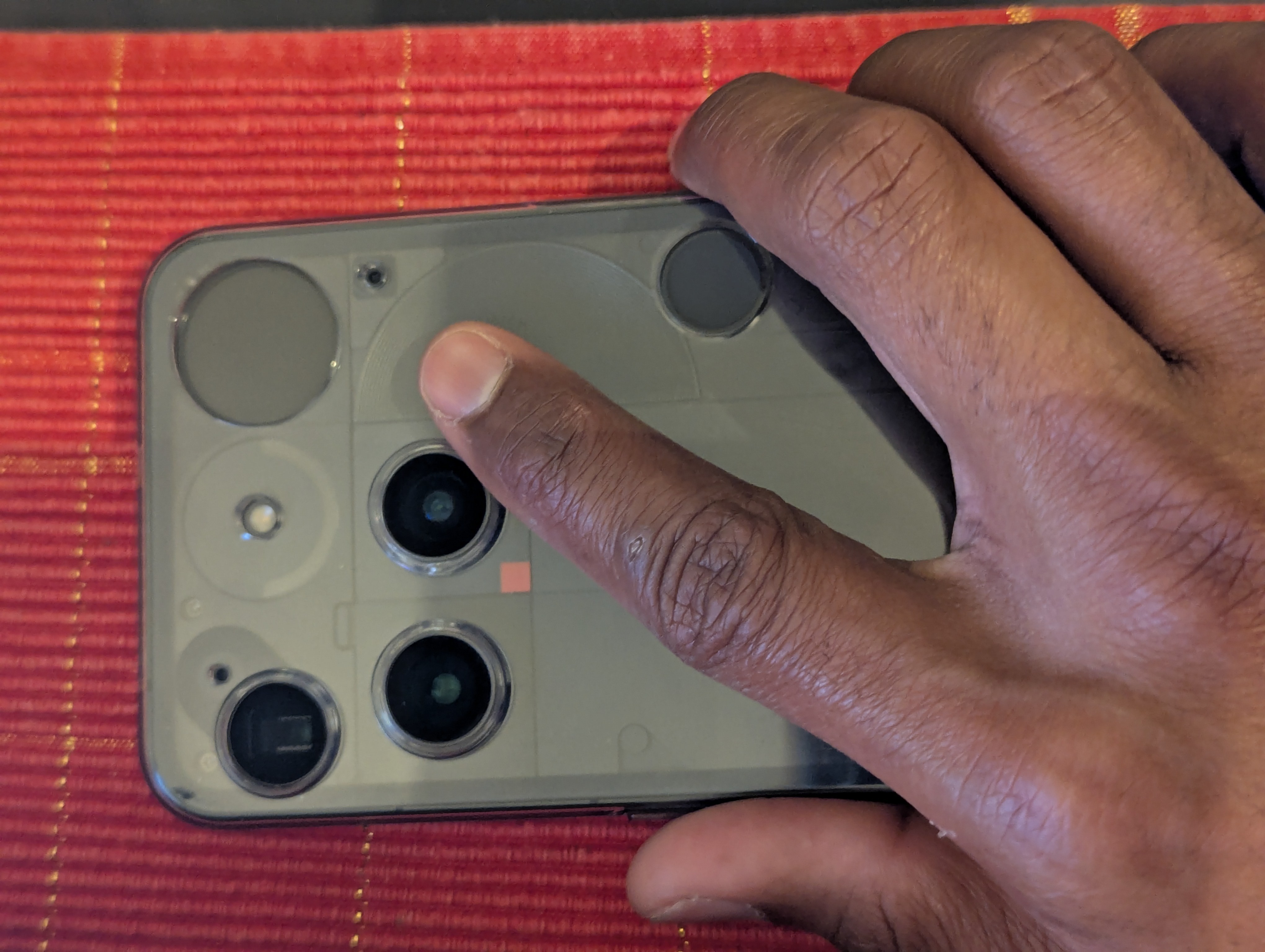
Camera position: The module sits where my index finger naturally rests, giving me a reassuring grip when shooting or holding the phone one-handed. It’s ergonomically clever, but it does mean I get the occasional “dirty lens” alert. A trade-off, but one that I can live with given the stability it provides.
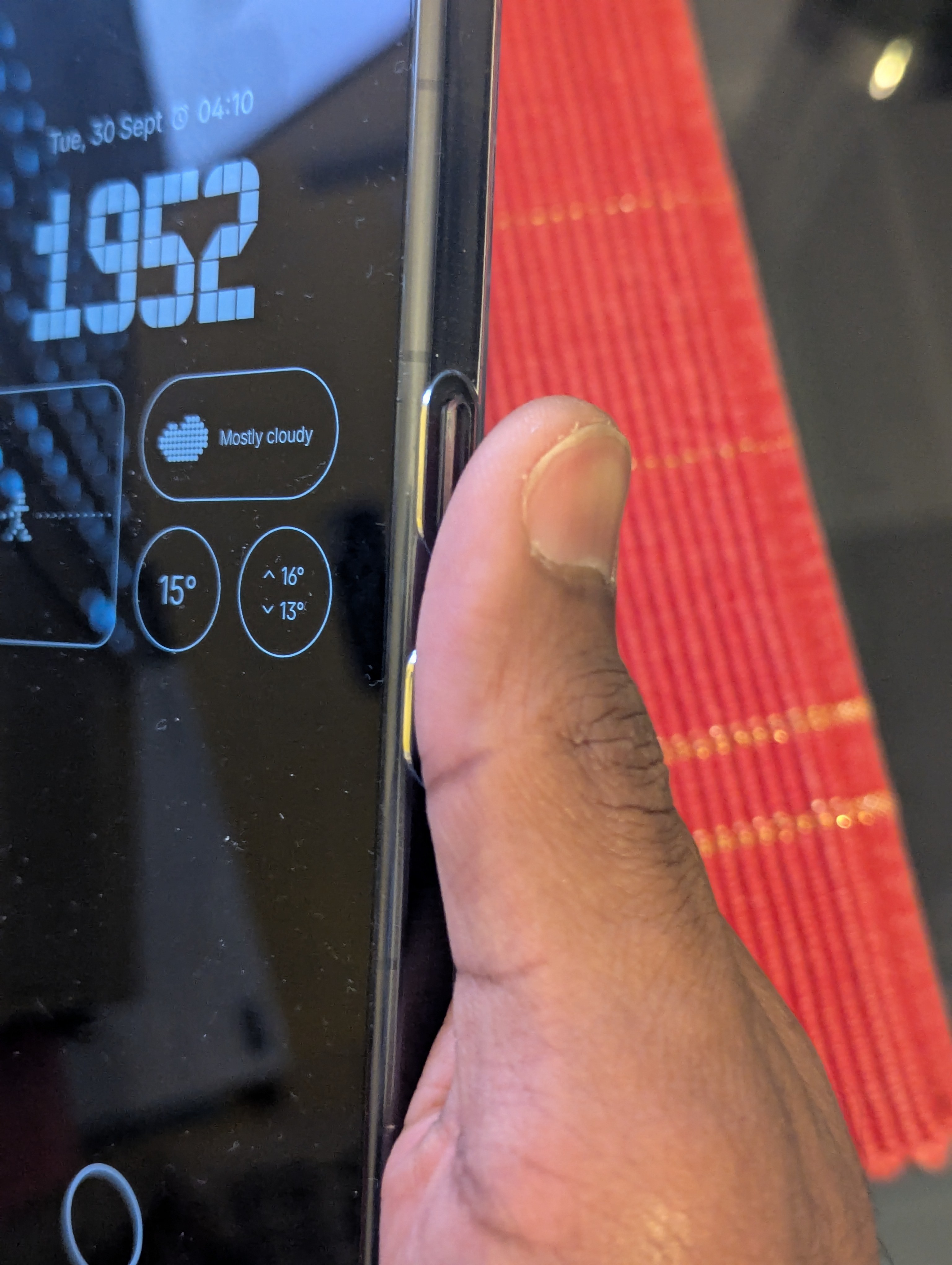
Essential Key placement: This one took time. My thumb naturally rested on it, leading to accidental presses in the first few days. It wasn’t ideal initially, but over time my handling adapted, and now it feels like a subtle shortcut rather than an obstacle. Muscle memory makes all the difference here.
—
🛠️ Build Quality
Nothing has consistently delivered when it comes to durability, and Phone (3) carries that forward.
Aluminium frame: Aluminium is the right choice for a flagship frame. It’s lightweight, strong, and offers excellent rigidity, making the phone resistant to bending and torsion stress. It also absorbs impact efficiently — which is why my Phone (1) has survived more drops than I care to admit, from pavement scrapes to pocket slips. That said, aluminium has a downside: thermal conductivity. In cold weather, the frame absorbs and holds low temperatures, which makes it uncomfortably cold to handle bare-handed outdoors. A case solves it, but it’s worth noting.
Pre-applied screen protector: This is more than a convenience feature — it’s part of the build philosophy. Out of the box, the phone feels cared for, protected, and ready for use without the scramble of finding a third-party protector. It keeps the premium feel intact while ensuring accidental micro-scratches don’t immediately eat into the display.
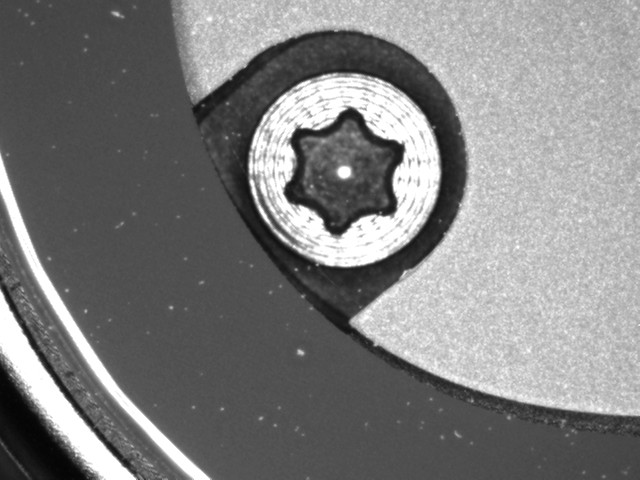
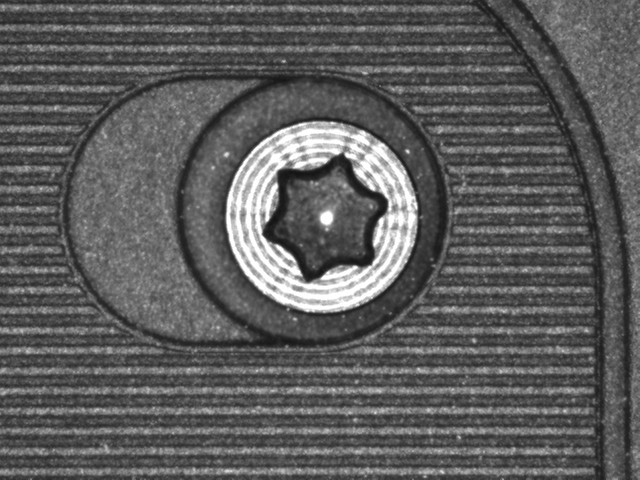
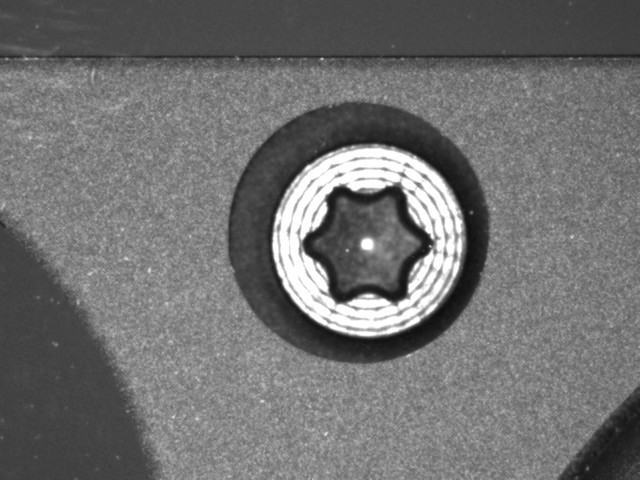
Attention to detail: Build quality is generally very good, though the screws and assembly symmetry could use a little polish. For a brand that obsesses over design language, the alignment on the PCB/adhesive details stands out. Not a dealbreaker, but tidying this up would scream “flagship” even louder.
—
🌞 Display
Since Phone (1), Nothing has consistently set benchmarks for display quality, and Phone (3) pushes it further.
Specs: 460 ppi, 4500 nits peak brightness, AMOLED LTPS.
Real-world: Excellent legibility in direct sunlight. Colors are true-to-life, contrast is strong without oversaturation, and motion handling is smooth.
If you’re upgrading from Phone (1), the jump is obvious: crisper text, deeper blacks, and effortless outdoor usability. It’s an area where Nothing clearly continues to over-deliver.
—
📸 Camera
For my needs (cityscapes and outdoor photography), this is the best camera system Nothing has built.
Main + periscope + ultra-wide synergy: The three modules work together as a cohesive toolset. The main sensor captures wide, detailed urban scenes; the periscope lens nails zoomed-in architectural details with clarity; and the ultra-wide adds drama to landscapes.








Periscope lens: This has been my favorite addition. It allows for true optical zoom with detail retention, compression effects that add depth to city shots, and a versatility that really enhances outdoor shooting.


Macro (via periscope): Surprisingly strong. Lots of detail, pleasing bokeh. Not my go-to shooting style, but my tests showed the lens is more than capable.



Action mode: Needs work. It handles large moving subjects (like cars) impressively, but when I tried capturing a rabbit mid-jump, the algorithm struggled to define it properly against the background. Subject scale recognition clearly has room to improve.

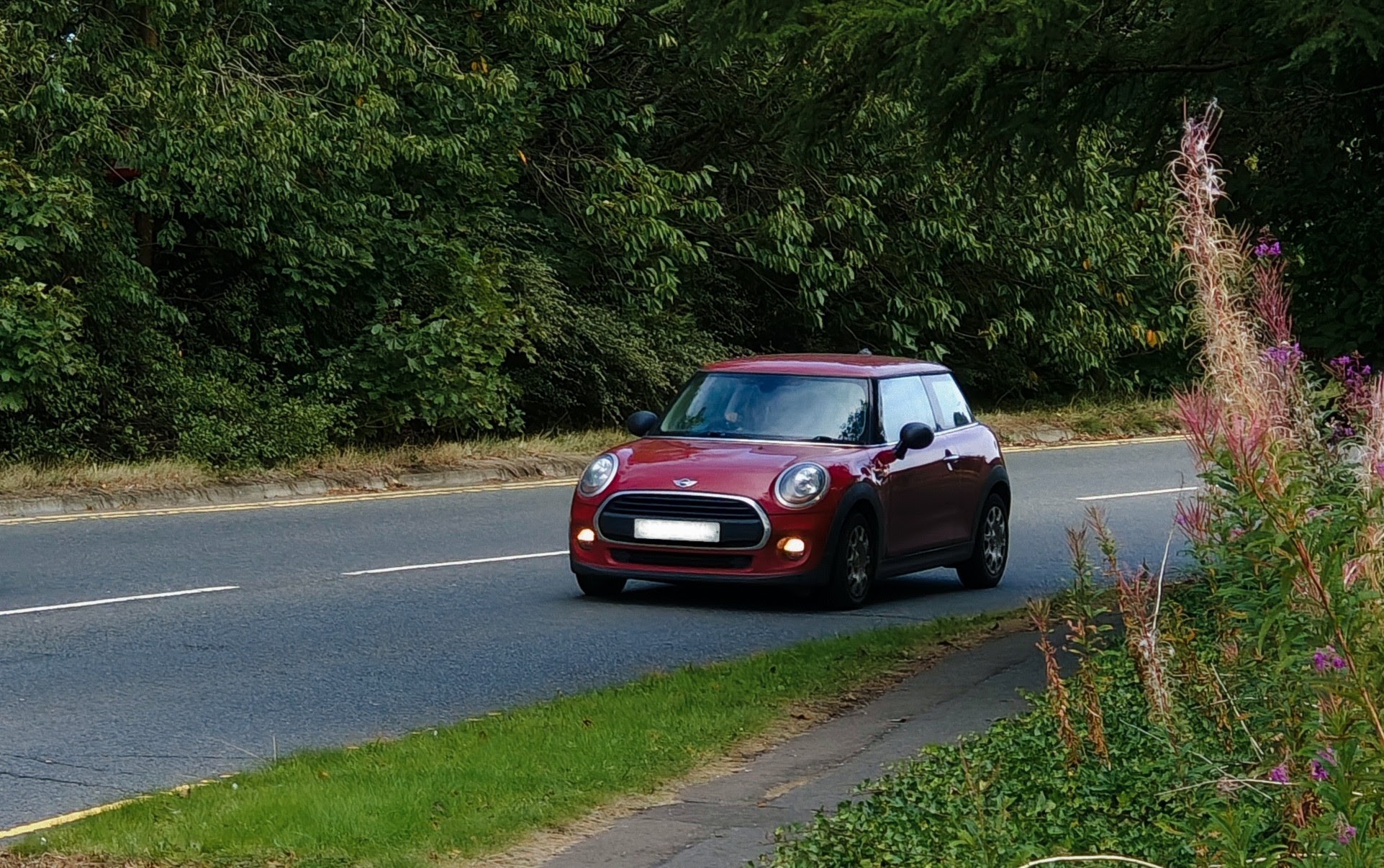
Algorithm quirks: Sometimes reflections are processed as soft light effects. Strangely enough, I liked it — it gave some shots a dreamy, almost cinematic look.

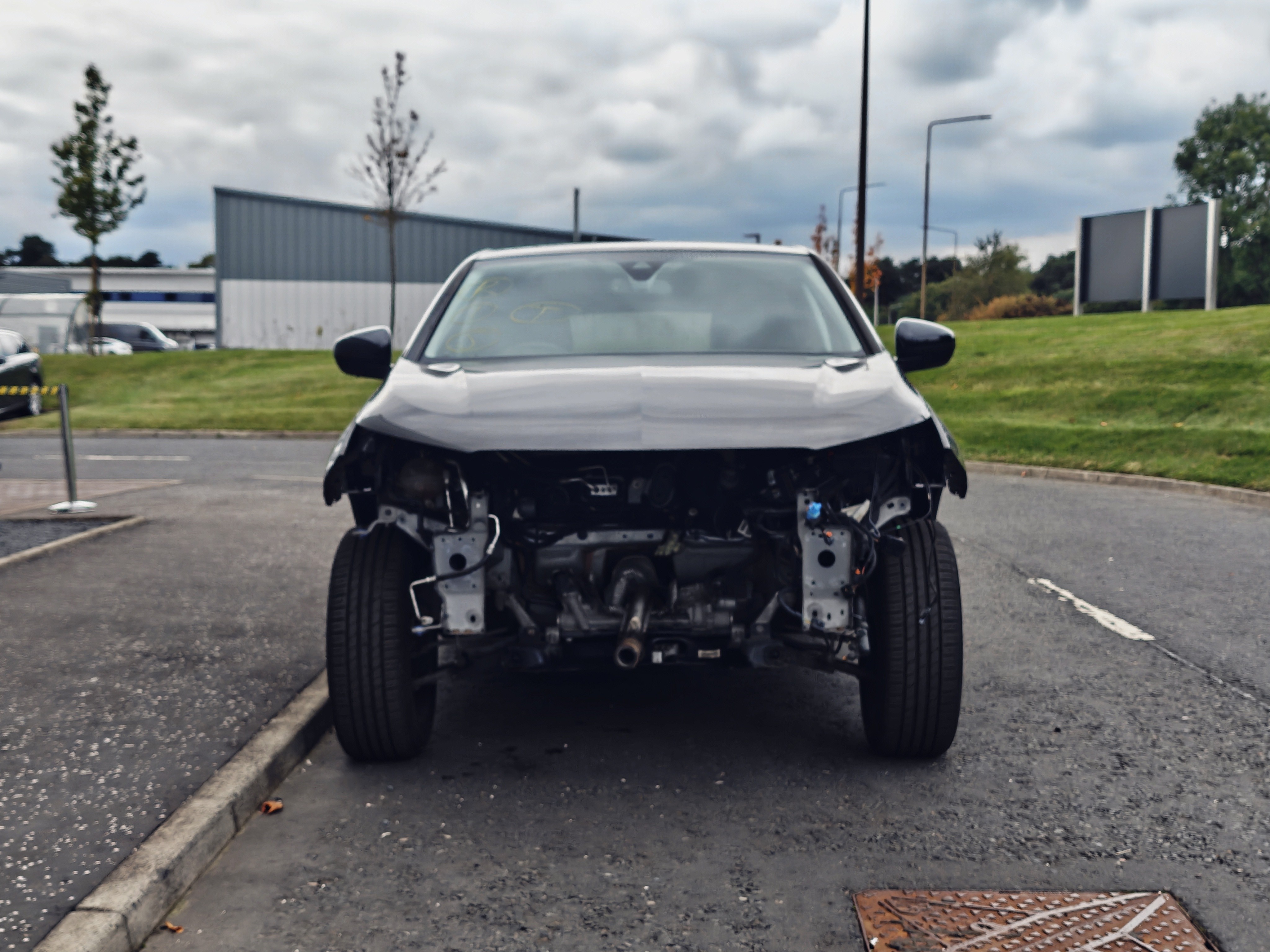

Night mode: Stabilization is the weak point. Handheld shots (like my failed attempt at photographing a snail) blurred too easily. Software refinements here would help.

Video: Limited use on my end, but overexposure on default settings was obvious. Needs manual adjustment or post-processing for best results.
But the more I use it, the more impressed I am. I recently captured a red moon with the Phone (3), and the result blew me away. For a smartphone camera to handle something that atmospheric, with clarity and richness, really proves how far Nothing has come with this system.

This is, without doubt, the most versatile and capable Nothing camera yet.
—
✨ Glyph Matrix
The Glyph Matrix feels like Nothing’s most ambitious design evolution to date.
Practicality first: Notifications, calls, and essential alerts can be understood instantly without flipping the phone. For someone who often keeps the phone face-down while working, this has been genuinely useful.
Minimalist aesthetic: Less “party trick,” more “design statement.” The Matrix strikes a balance between being functional and discreet.
Potential for evolution: This is just the beginning. The current implementation already feels more refined than the original Glyph Interface, but the potential in software integration and deeper customization is massive.
Community-driven growth: Since its introduction in July, the Glyph system has already evolved significantly, thanks in large part to the Nothing community’s creativity and feedback. It’s rare to see a hardware-software feature adapt and grow this quickly — and that makes me excited for what the next generation could bring.
—
❤️ Final Thoughts
The Phone (3) isn’t perfect, but it’s bold, polished, and fun in ways most modern phones aren’t.
For me, it’s a phone that:
Nails everyday usability (battery, ergonomics, durability).
Delivers a flexible, reliable camera system for outdoor photography.
Pushes design innovation through its display and evolving Glyph Matrix.
If you’re looking for a phone that feels unique, reliable, and just a little playful, the Nothing Phone (3) is an easy recommendation.
