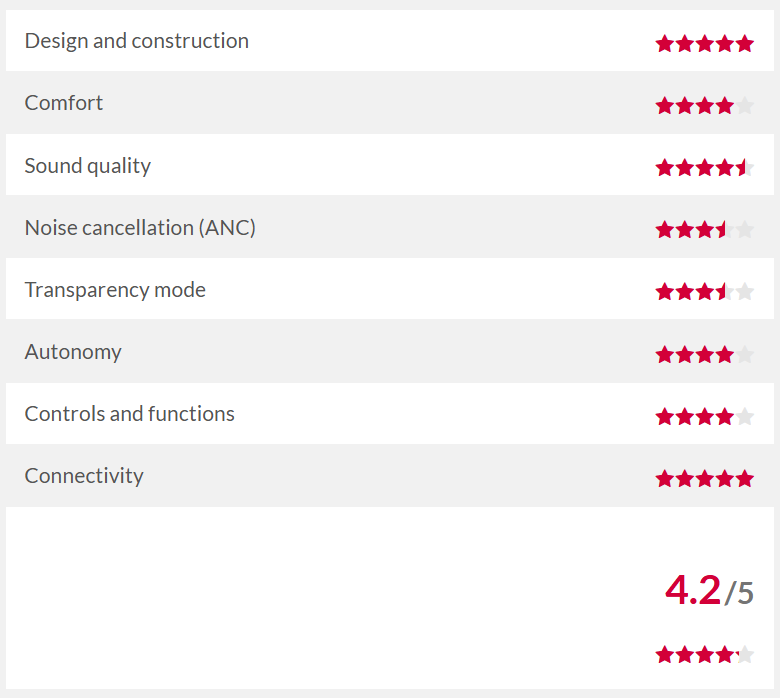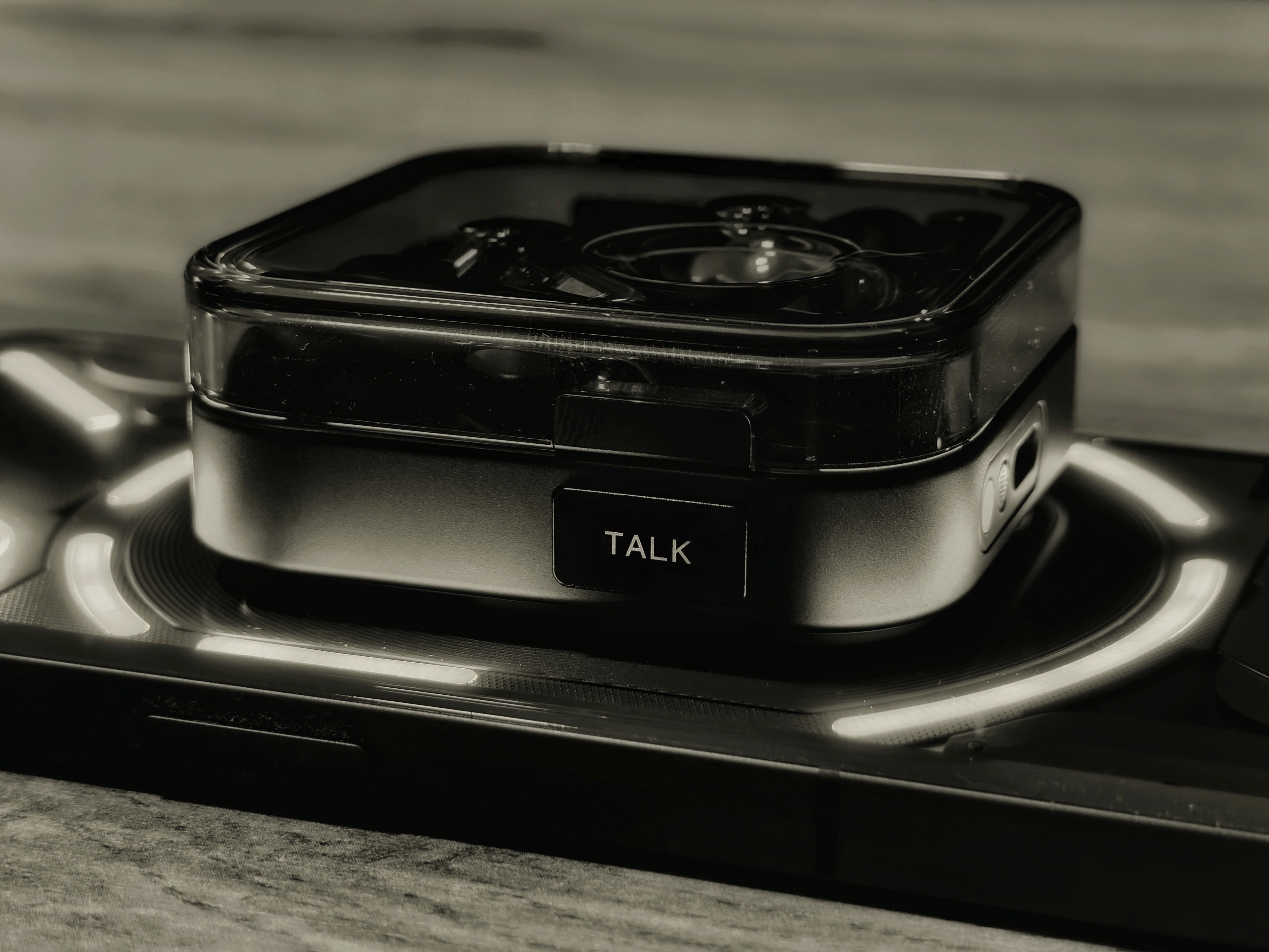
The fourth generation of Nothing’s headphones arrives with the promise of polishing what was already a great product, the Nothing Ear (2024), and closing the gap with heavyweight competitors like Apple’s AirPods. After two weeks of thoroughly testing the Nothing Ear (3), the feeling is that the brand has achieved a qualitative leap in several key areas, although it still drags along weak points that should be a priority in future iterations.
Design and hardware: a premium evolution
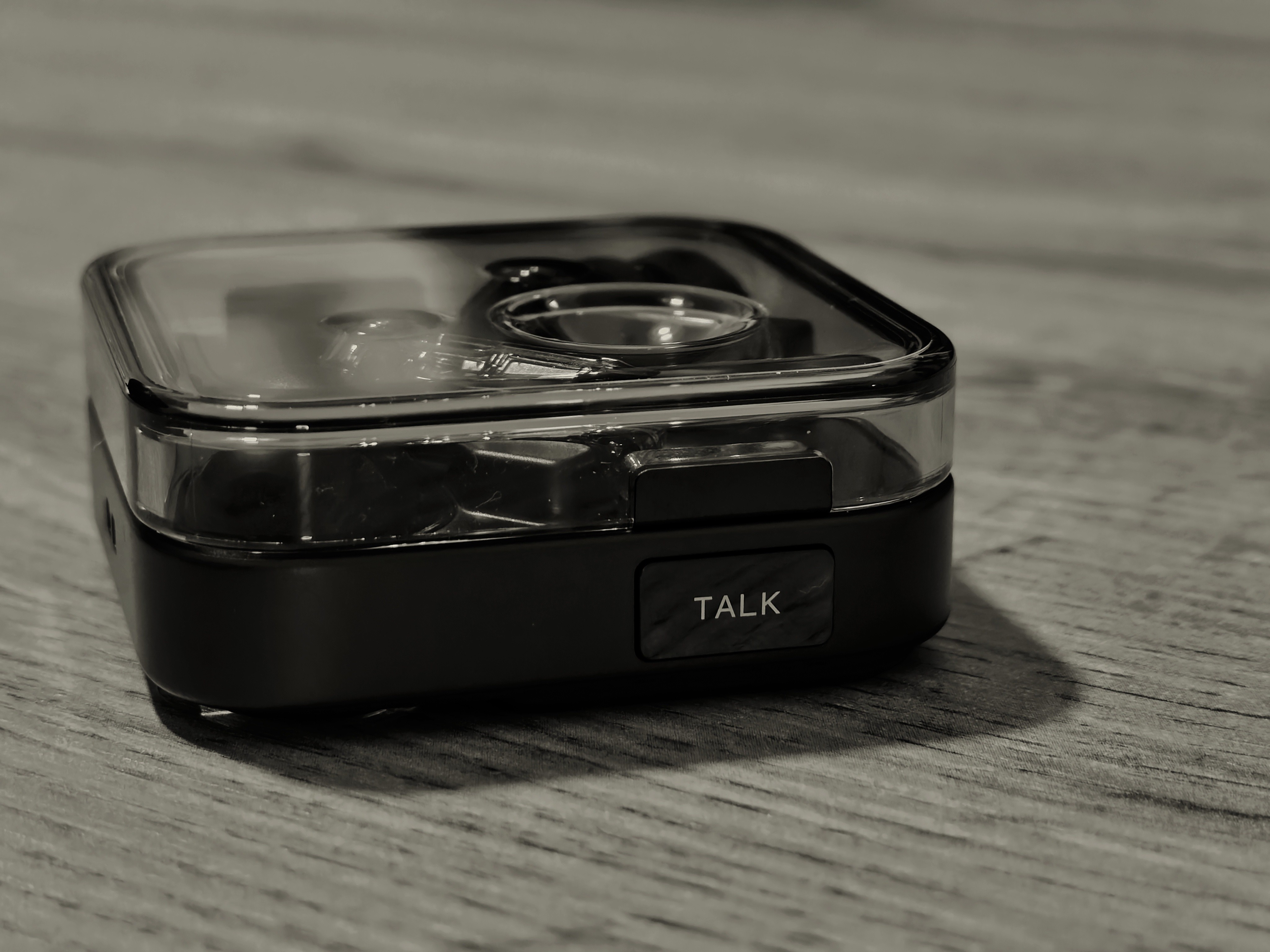
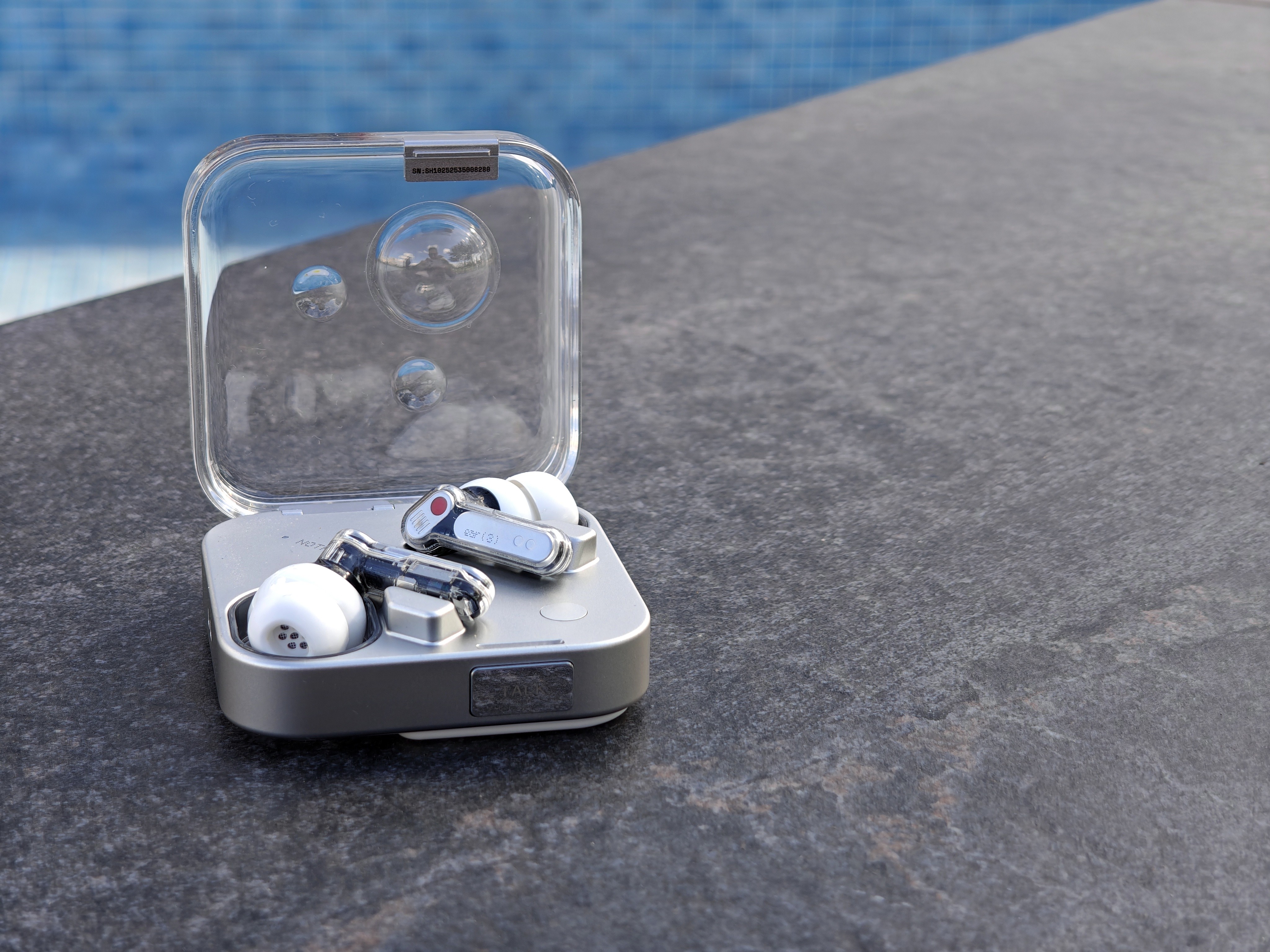
The design remains faithful to the brand’s aesthetic, but significant improvements can be felt in build quality. The case is the first sign of this premium approach, incorporating an aluminum finish that gives it a more pleasant, more solid feel, as it is made from a single piece, and a more refined look than its predecessor. The corners are more rounded, without “plasticky” ridges, improving overall ergonomics when holding it.
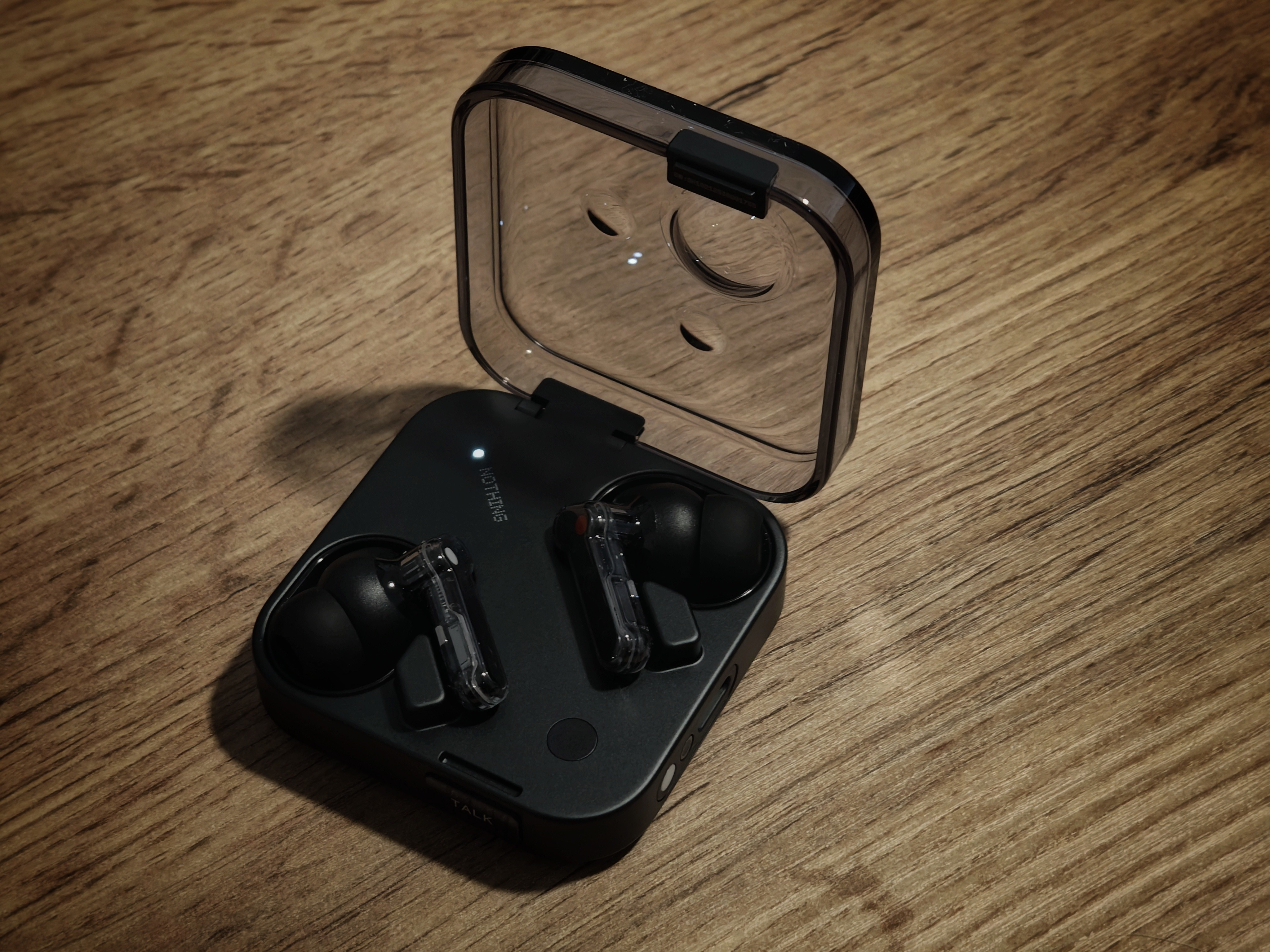
As for the earbuds themselves, their shape has been slightly adjusted to offer greater comfort. Each earbud is somewhat heavier, reaching 5.2 grams, although this increase does not hinder prolonged use. Nothing has placed special emphasis on ergonomics, claiming to have studied more than 40 fit configurations. The stem, although slightly longer and thicker than before, has a more natural angle. A key detail is the implementation of internal ventilation ducts designed to reduce pressure in the ear canal, making them feel less “clunky” and noticeably more comfortable than the Nothing Ear (2024).
For example, when eating (and chewing) with the earbuds in or going out for a run with them, the grip is good, although from time to time I do have to readjust them so that the active ANC works more effectively. That said, my favorites for exercising or eating are still the Nothing Ear (Open); they are on another level in terms of comfort and stability.
The box contents and accessories include, along with the Nothing Ear (3) earbuds and the charging case, three sizes of silicone ear tips (S, M, L), a USB-C to USB-C cable, and quick start documentation.
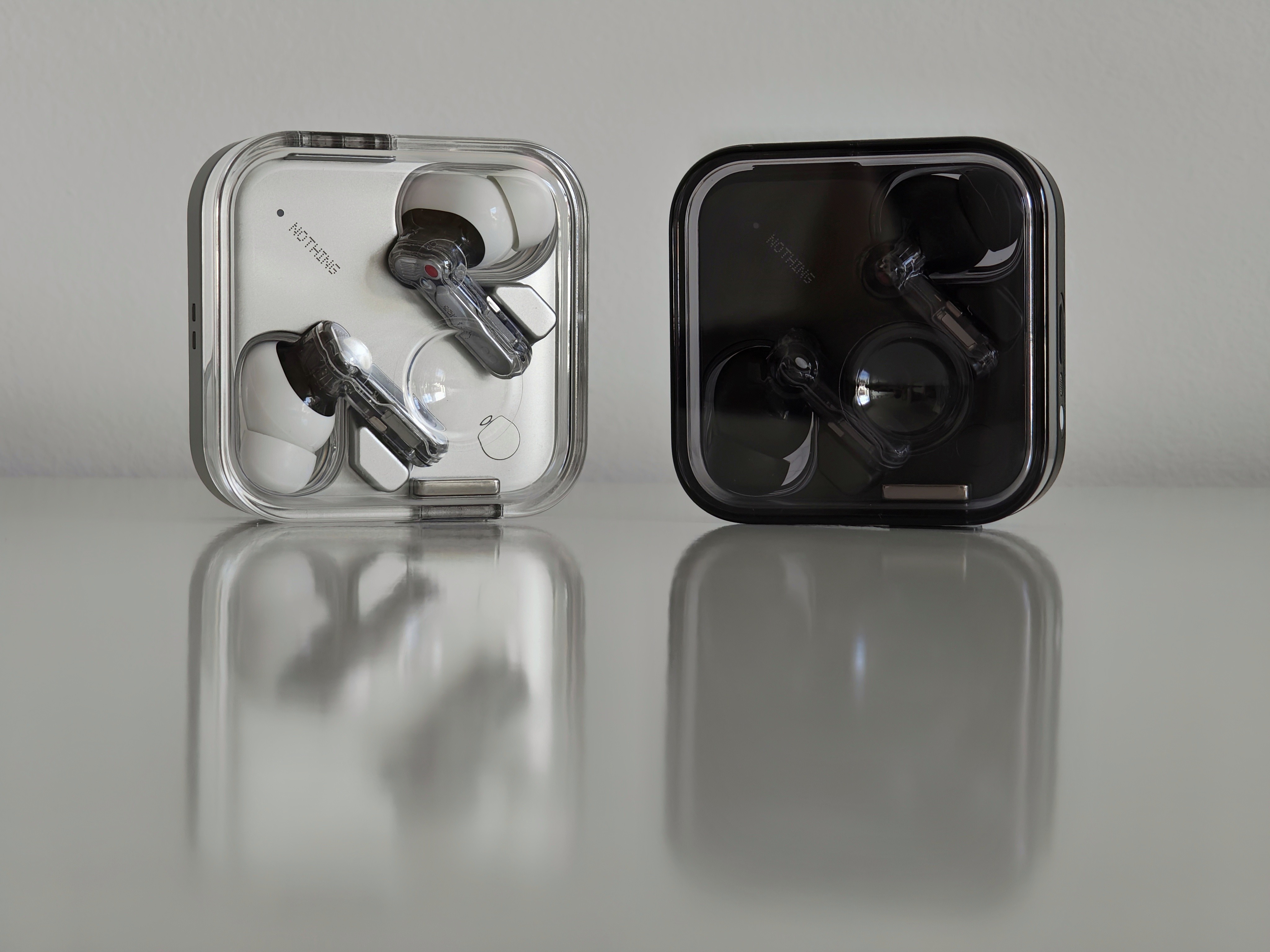
Silver or black?
Normally, white (in this case silver) is, in my opinion, the better option, as it lets you appreciate the details more easily. That said, if it weren’t for that factor, I would prefer the black version. It’s more elegant, feels more robust, and the “TALK” button stands out more. The downside is that it’s a magnet for dust and, unless you’re in a very well-lit environment, the details don’t stand out as much.
Sound that wipes the floor with Apple
If there was one strong point in the Nothing Ear (2024), it was sound, and the Ear (3) manage to outdo themselves. This improvement is largely due to the debut of a new and powerful 12 mm dynamic driver with a PMI diaphragm and TPU edge. There is a clear qualitative leap, with a greater ability to separate sounds and, above all, excellent bass that you can really feel. In this regard, I think the Nothing Ear (3) completely wipe the floor with the AirPods Pro 2, which were already outperformed by the previous Nothing model. The ability to capture tonalities without breaking any of the nuances is simply spectacular.
To test this driver’s capability, among several tracks I used the new song “Berghain” by Rosalía. It’s a demanding track due to the large number of sound layers, the hyper-edited vocal with reverb, and the mix of complex symphonic and electronic elements. And I can assure you that the result with the Nothing Ear (3) is simply brilliant, demonstrating their ability to precisely separate all the elements of the track without the bass becoming saturated or the highs getting lost.
An audio profile for every ear
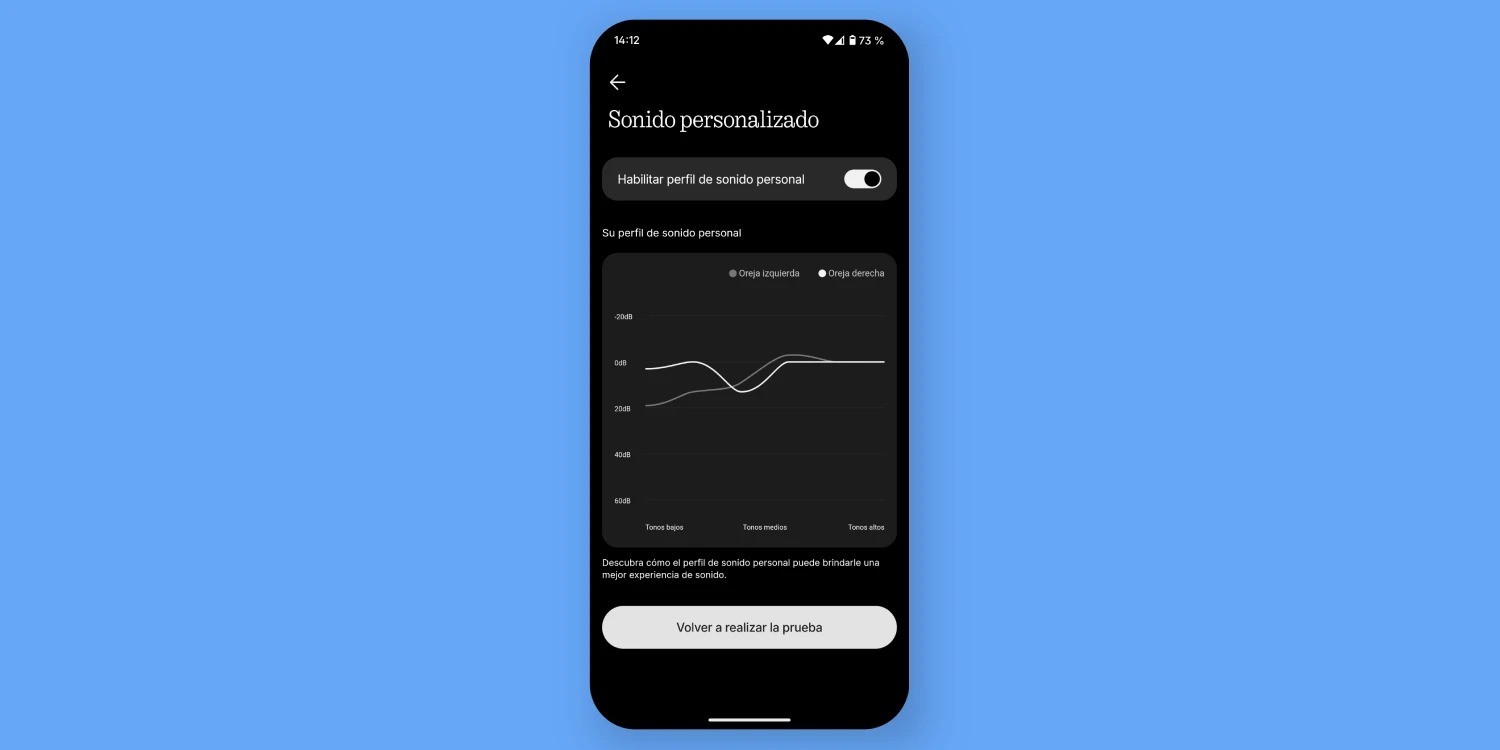
The experience improves even more thanks to the Personalized Sound feature within the Nothing X app. It runs a hearing test of about three minutes that adapts the audio profile to your specific hearing, which is a huge win. Additionally, in terms of connectivity, the Ear (3) have been updated to Bluetooth 5.4, incorporating support for the LDAC codec (Hi-Res Audio certified), as well as AAC and SBC, ensuring high-fidelity audio transmission. For gamers, the low-latency mode manages to reduce total lag to under 120 ms.
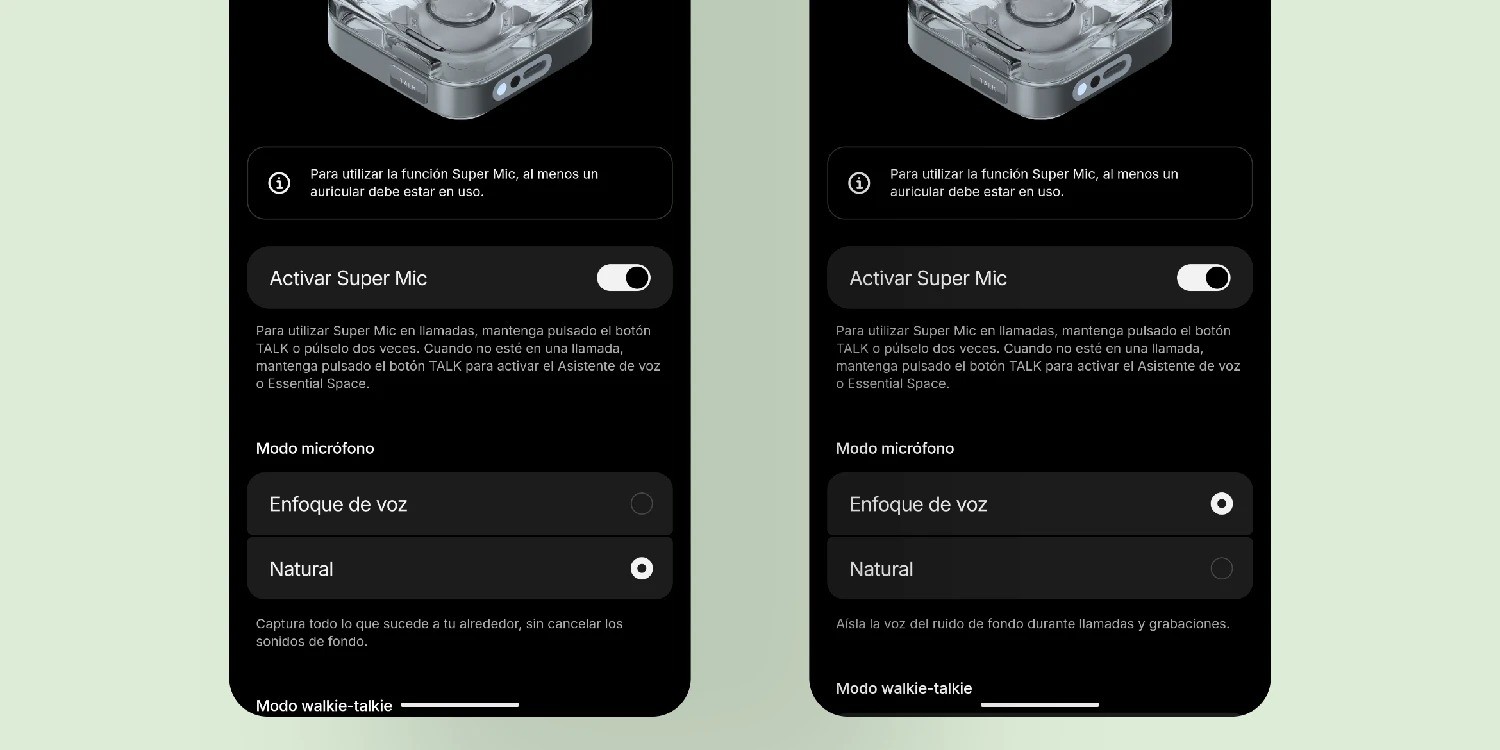
As for Bluetooth calls, they work without issues: voices sound crisp and clear, and only in very noisy environments can you notice a slightly robotic tone, although the conversation remains perfectly understandable. If we use Super Mic, we get a warmer and more detailed tone in “natural” mode, which was added in the latest update.
ANC, spatial mode, and the loss of bass in transparency mode
This is where we find the main downside. While the audio is excellent, this quality seems to be tied to having ANC active. The difference is huge, because when switching to transparency or off mode, the bass drops off brutally and the sound becomes more boxed-in and airy. My personal hypothesis is that this loss of bass is directly related to those internal ventilation ducts. Although they are fantastic for gaining extra comfort, they could be diffusing bass impact when ANC processing is not active to compensate. It’s a curious limitation, as it forces me to keep ANC on to enjoy the best musical quality.
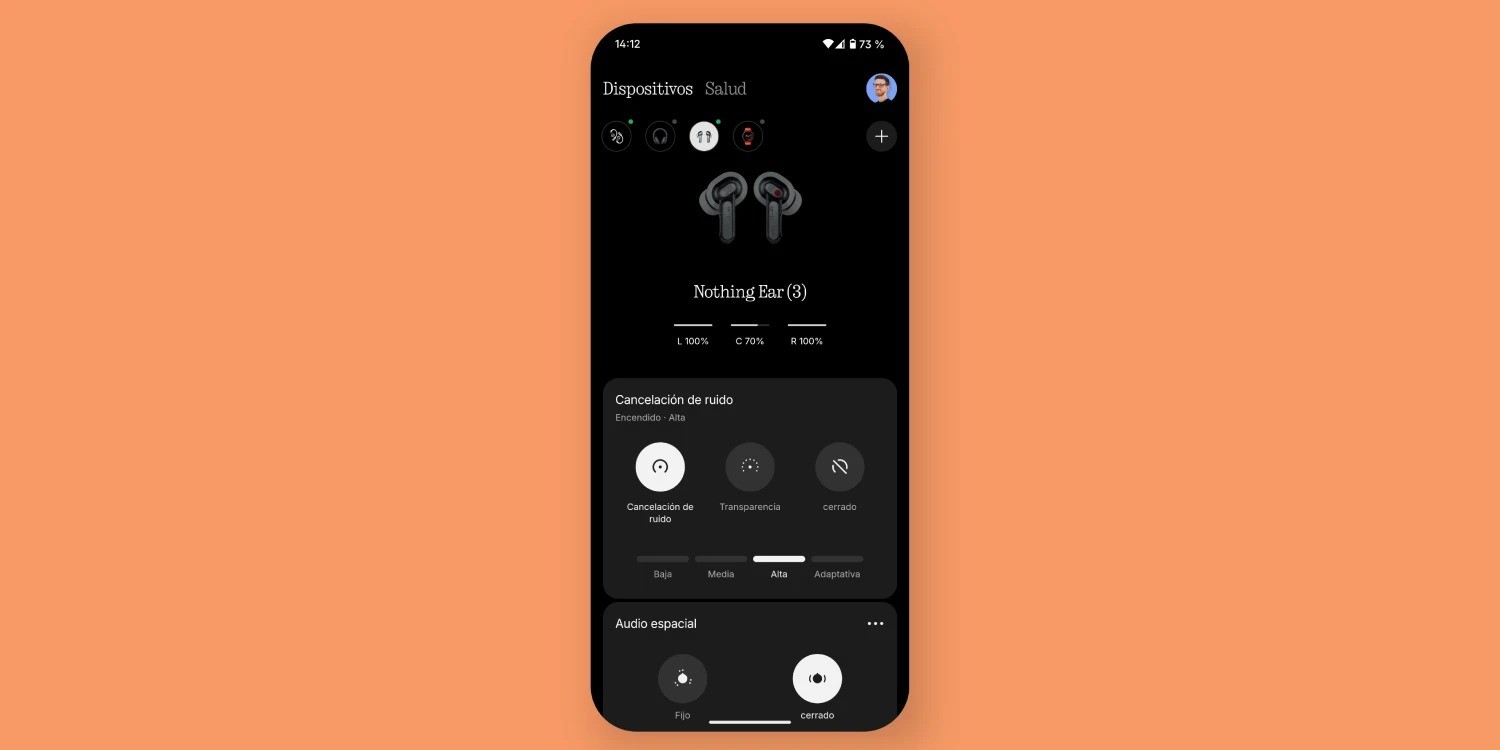
On top of this, the implementation of Spatial Mode is, frankly, something I don’t recommend for music. Instead of creating an immersive soundstage, it produces a messy effect and the sensation of being trapped in a box. Perhaps it performs better for series or games, but it does not justify its use for daily music listening.
Super Mic: it works, but misses a big opportunity
The big hardware novelty is the incorporation of Super Mic, a dual MEMS microphone system integrated into the charging case itself to improve voice capture in extremely noisy environments. While tests show a slight improvement in clarity and naturalness over microphones that already perform well, I see it more as a marketing hook than as an essential feature.
I think Nothing missed the opportunity to turn it into a functional lavalier microphone for content creators, which would have been far more attractive than the current use it’s given (voice notes and occasional calls).
The weak point: transparency mode and ANC
This remains the weakest and most urgent area to improve, despite Nothing’s advanced specifications, which include real-time adaptive cancellation capable of adjusting the profile every 600 ms and correcting leaks every 1,875 ms.
In my tests, I’ve been switching between these earbuds and the Ear (2024), and it’s hard to notice significant differences in ANC performance. Transparency mode, while functional (better than the previous model), is still far from the performance of the AirPods, which are the benchmark in this field.
My experience with transparency mode continues to be personally disappointing. It has indeed improved noticeably compared to the previous model, now reaching an acceptable level. However, the annoying “blocked ear” effect persists, especially when pronouncing certain consonants like M or N, although to a lesser extent than on the Ear (2024).
As a positive detail in ANC, certain flaws present in the previous model have been corrected, where sudden sound frequencies, such as the “click” when closing my dog’s leash, were amplified or accentuated by the system instead of being attenuated.
Controls, battery life, and the excellent Nothing X app
The Nothing X app establishes itself as the crown jewel of these earbuds. Its software is exquisite, allowing you to configure detailed equalizers, use personalized sound, and manage dual connection (use with two devices simultaneously), which works perfectly.
However, the pinch controls (squeezing the earbud stem) remain the biggest obstacle in interaction. Although the app allows you to configure each gesture with multiple options, I really miss the convenience of the AirPods Pro 2’s touch system for volume control. Currently, raising or lowering the volume is tedious and slow. Nothing should innovate in future releases and surprise us as they did with the wonderful tactile buttons on the Nothing Headphone (1).
In terms of battery life, the Ear (3) offer solid performance that’s in line with the average. Each earbud integrates 55 mAh and the case has a capacity of 500 mAh. This translates to up to 5.5 hours with ANC active (reaching 22 hours with the case) and up to 10 hours without ANC (up to 38 hours with the case), a small improvement over the Nothing Ear. Fast charging via USB-C allows you to get 10 hours of playback with just 10 minutes of charging, in addition to Qi wireless charging.
Conclusions and buying recommendation
The Nothing Ear (3) are undoubtedly earbuds with very good value for money if you prioritize pure sound (with ANC active) and design. They have achieved a more premium product with excellent sound, clearly outperforming their competition in audio quality. Dual connectivity and the Nothing X app, with its many customization options, are their biggest strengths.
- Should you upgrade if you already have the Nothing Ear (2024)?
In my view, no. There isn’t a big enough leap across all areas to justify the investment.
- Should you buy them if you’re coming from older models or devices in a lower segment?
Absolutely yes. They are a fantastic option if you’re looking for one of the best sounds on the market in their price range.
In short, they are brilliant earbuds where it matters most, but their €180 price tag already demands a higher level of ANC and, above all, transparency mode—areas where Nothing still hasn’t quite nailed it.