There was a time when Nothing felt… different. Not just another smartphone brand chasing specs, but one trying to reimagine how a phone should feel. Transparent backs, glyph lights, it wasn’t just design, it was identity.
With the Nothing Phone 4a Pro, that identity feels… quieter.
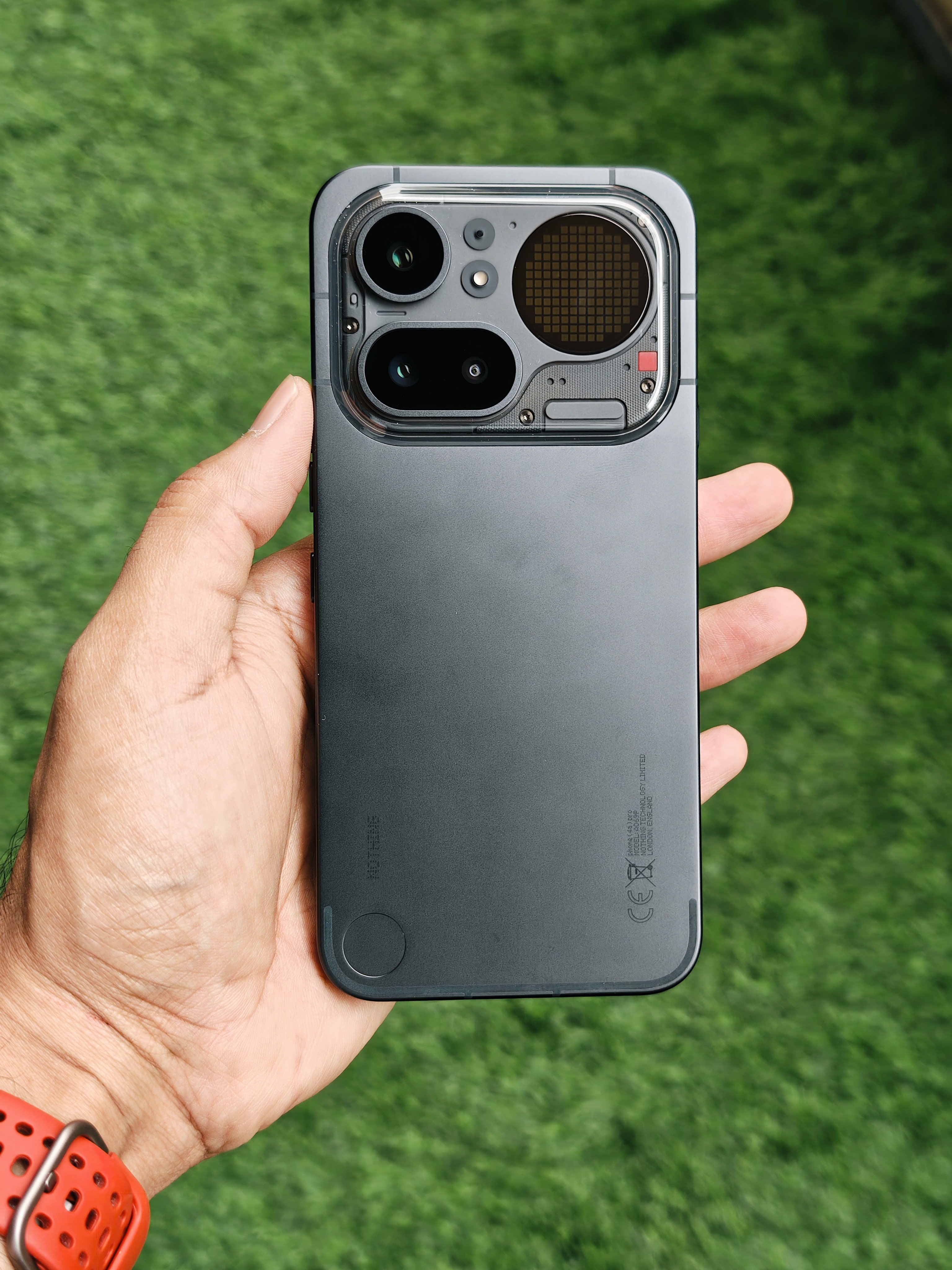
Overview: A Shift in Philosophy
“Nothing enough, but still something.” That’s the best way to describe this phone.
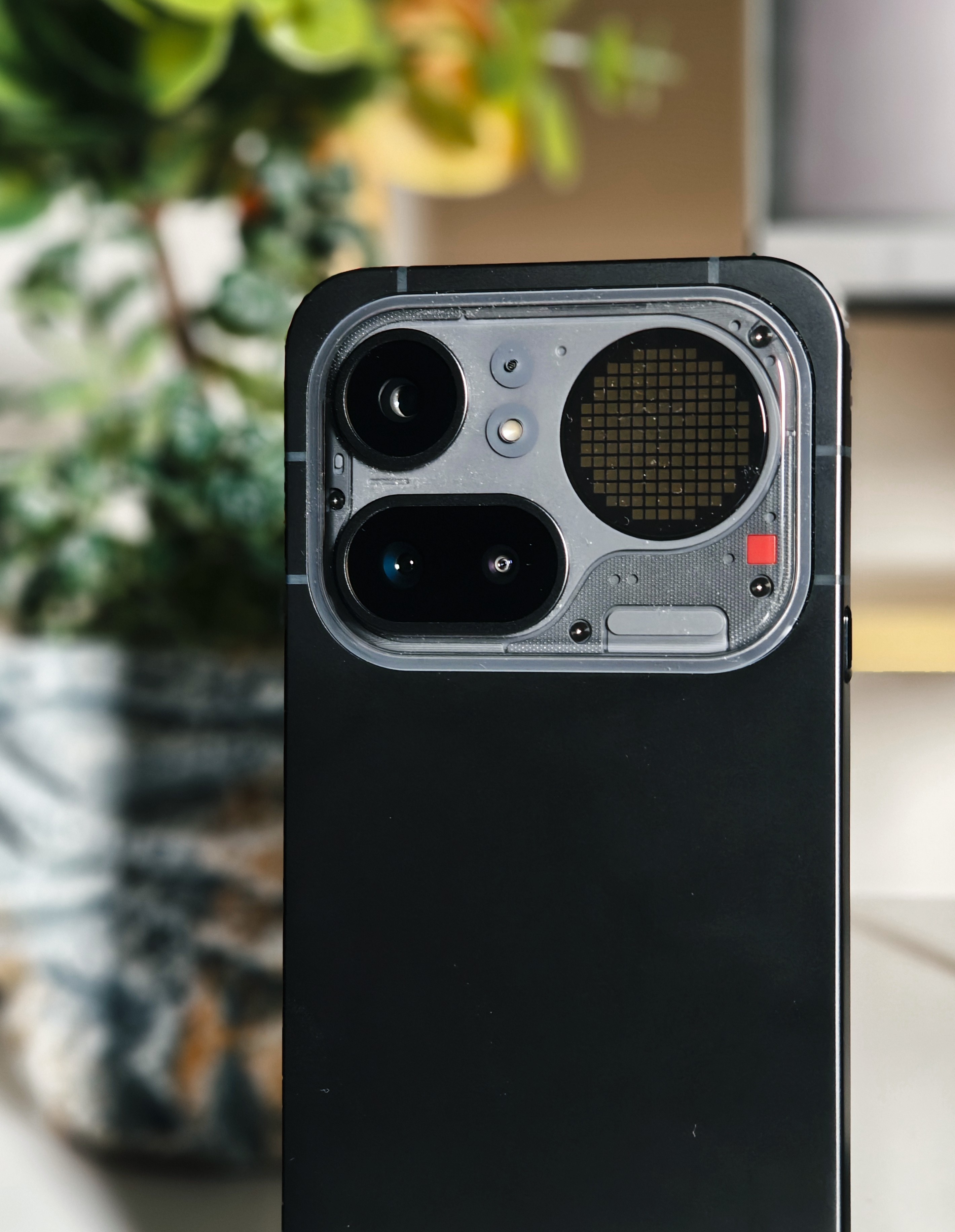
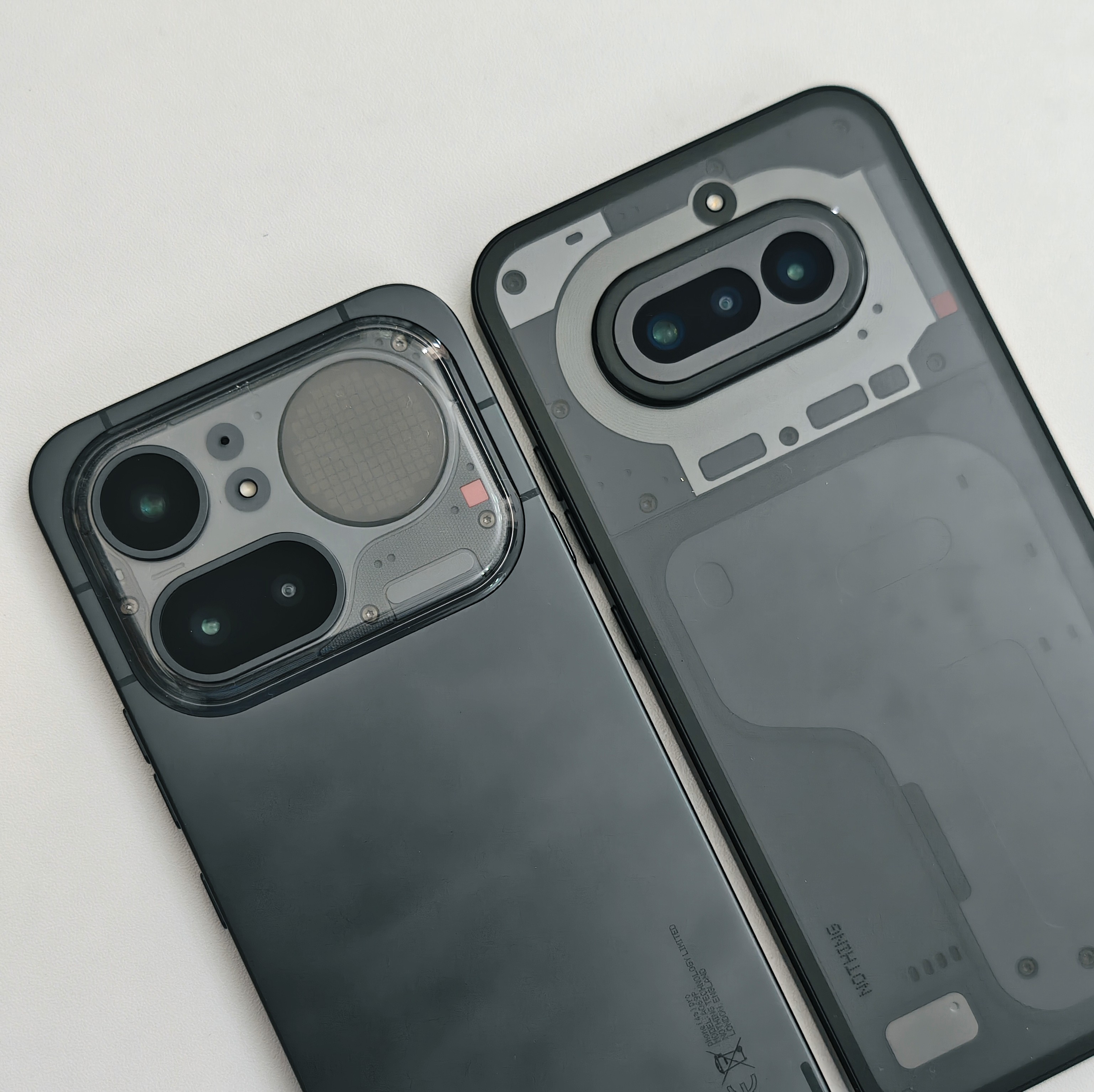
One of the most iconic aspects of Nothing was its transparent back design. No one really did it like them. It was bold, instantly recognizable, and honestly, a big reason people paid attention.
This time, we don’t quite get that same visual drama and yeah, that’s a bit of a bummer.
But instead, you get a refined unibody build. It feels solid. Strong. Less experimental, more mature. A shift from visual identity to physical reliability.
And depending on what you value, that might actually be a fair trade.
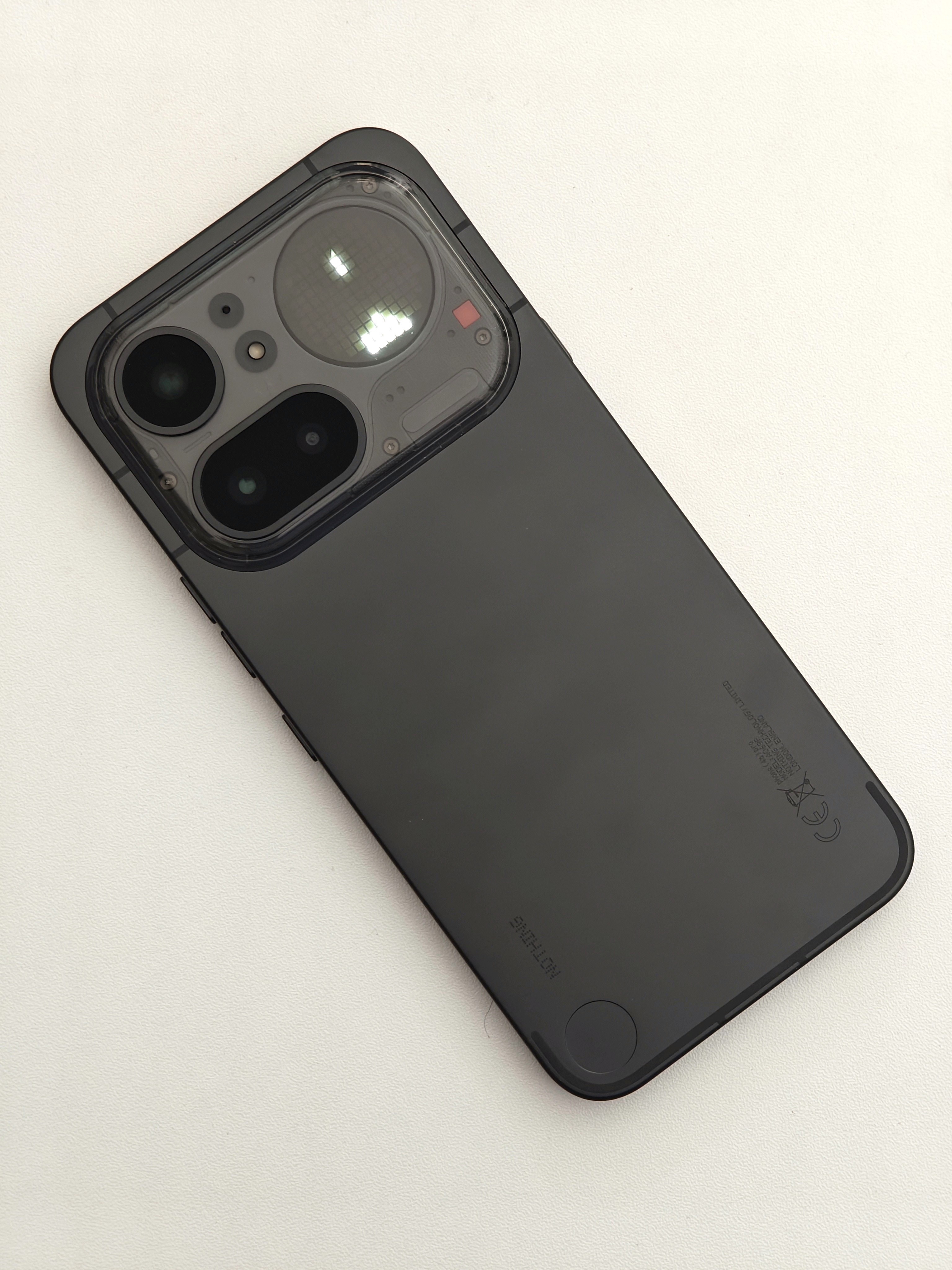
The Juice (Specs): Power Where It Matters
The unit I tested was the 12GB RAM + 256GB storage variant.
Under the hood, it runs on the Snapdragon 7 Gen 4, and it’s honestly more capable than most people will expect from this segment.
Handles heavy multitasking effortlessly
Runs AAA mobile games smoothly
Even holds up well with emulation workloads
Camera-wise, you’re getting:
Dual 50MP sensors
1× 8MP sensor
It’s a versatile setup, and more importantly—consistent.
Battery comes in at 5090 mAh, and this is where optimization really shows:
It’s not just about size—it’s about how well Nothing OS manages it. And here, it delivers.
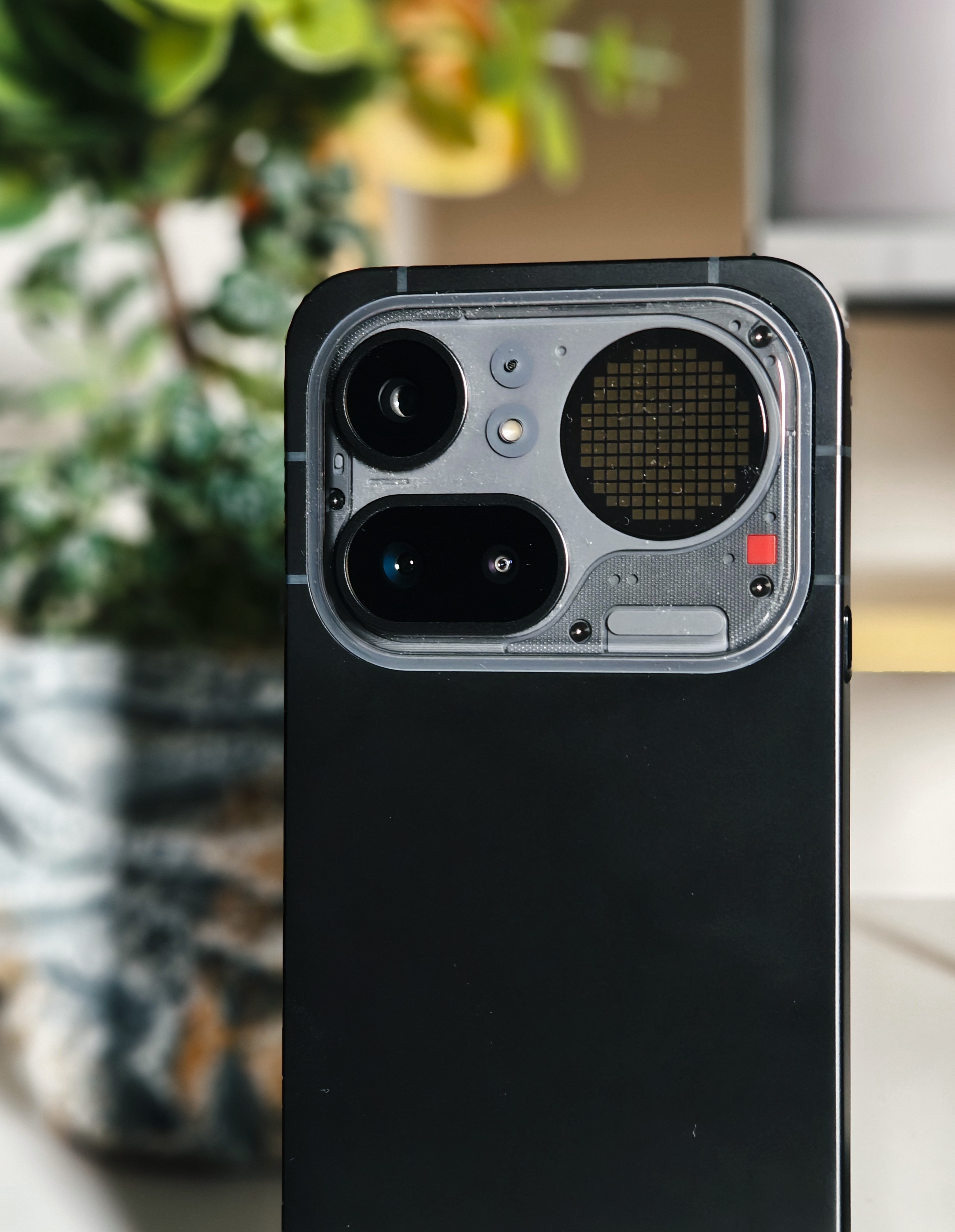
Dot Matrix Glyphs: Bigger, But Not Better
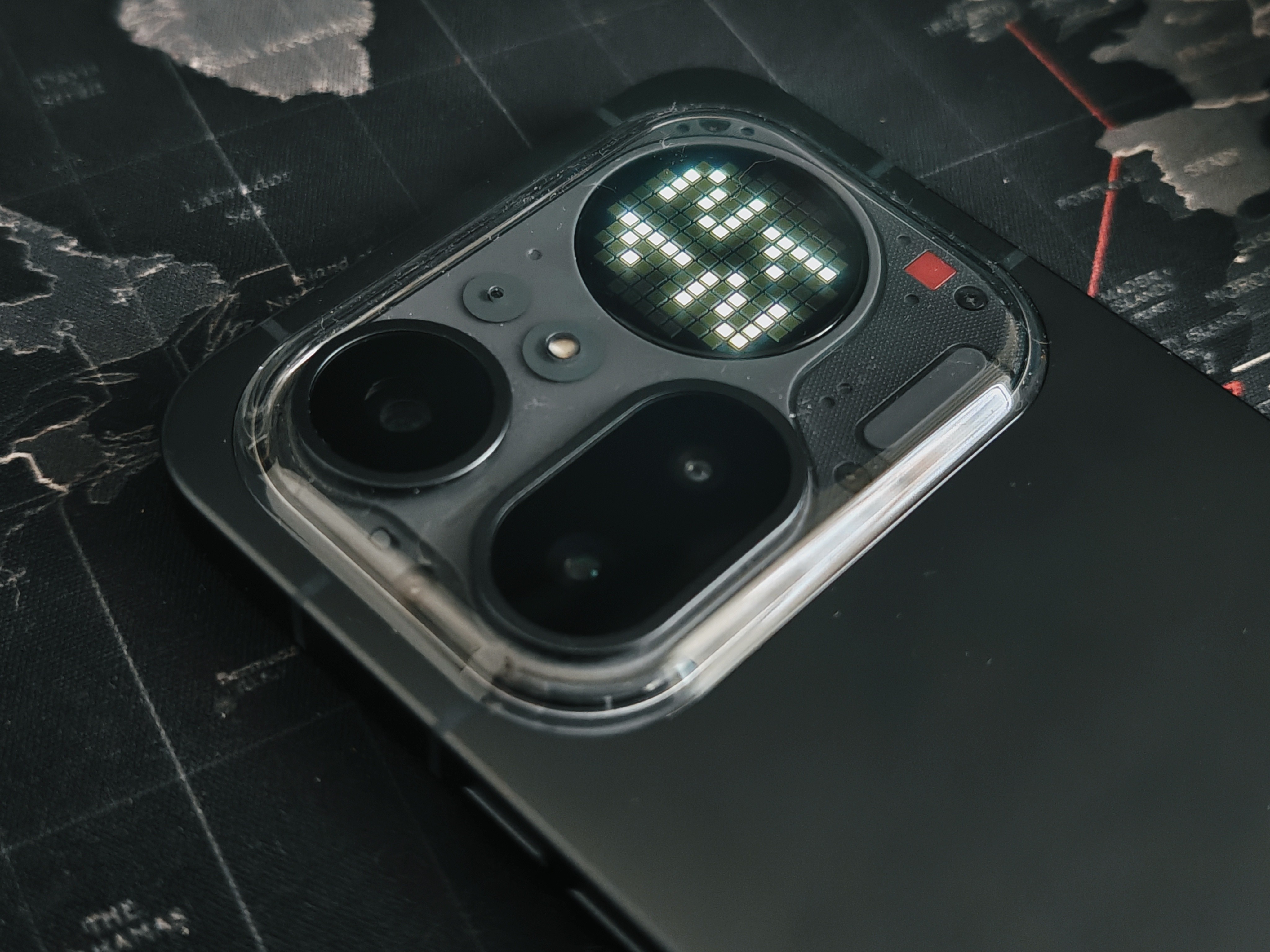
Nothing has evolved its signature glyph system into a dot matrix style, and while that sounds exciting on paper, the execution feels… a bit off.
The dots are noticeably larger this time, especially around the camera island. And instead of feeling more precise or expressive, they end up looking a little overstated.
More importantly, the use case is still limited.
Yes, they add visual flair.
Yes, they can be functional in certain scenarios.
But they’re not yet essential to how you use the phone daily.
What I would have preferred is a different approach:
Keep the same physical size of the light zones
But increase the density (smaller dots, larger radius spread)
Let them behave more like pixels
That way, you’d get:
Right now, it feels like a step sideways rather than forward.
The idea is strong. The execution just isn’t fully there yet.
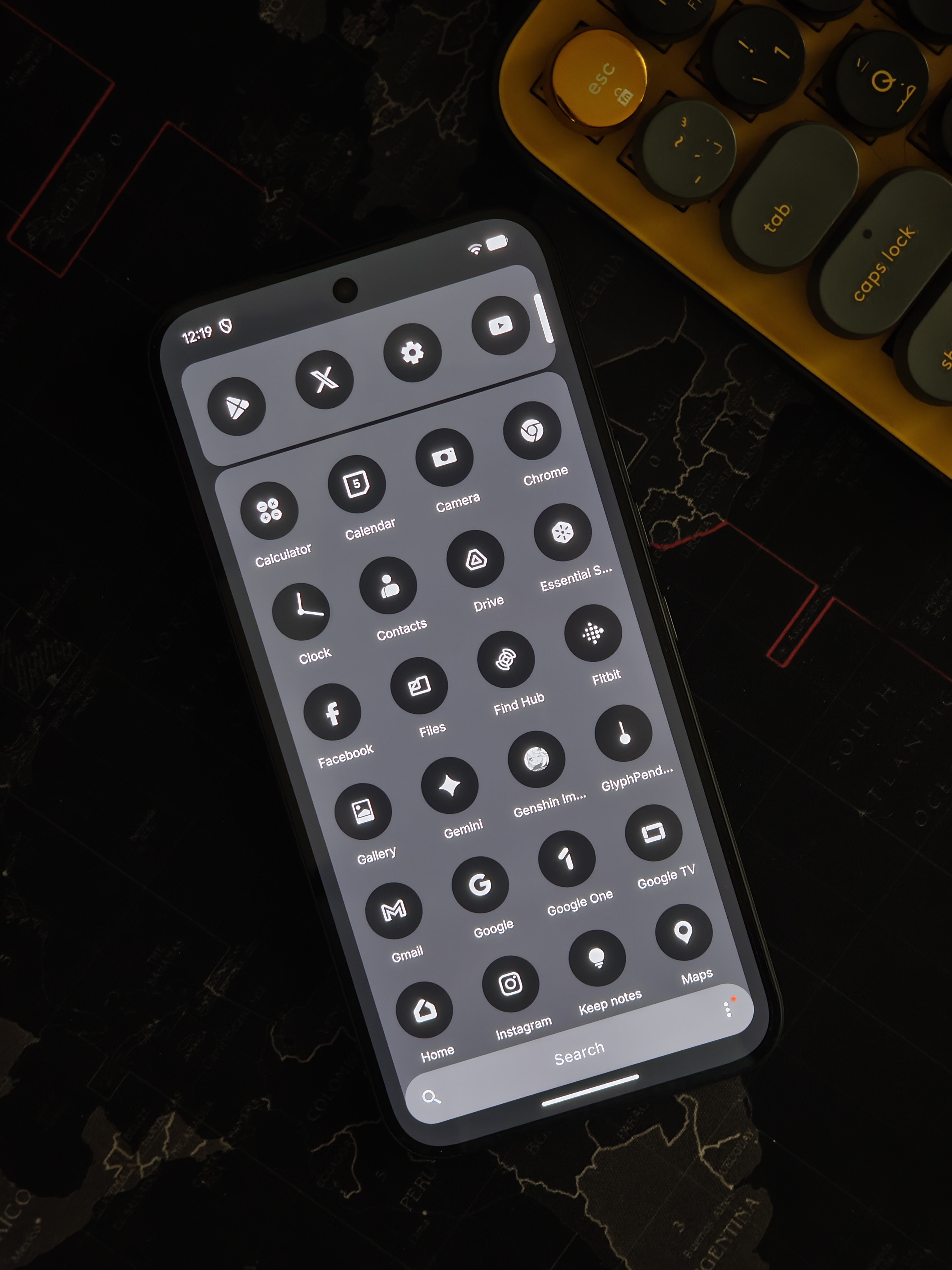
Software: Quietly Becoming the Strongest Feature
Running on Nothing OS 4.1, this is where the phone evolves the most.
Everything feels tighter:
Better performance tuning
Smarter battery management
More reliable camera processing
But the real story is something bigger.
Cameras & Filters: Capable, Creative… But Not Consistent
The camera system on the Nothing Phone 4a Pro is, in one word—capable.
You’re working with a solid triple camera setup, and in good lighting, it delivers:
Sharp details
Balanced dynamic range
Mostly natural colors
Daylight shots come out clean and social-ready without much effort. The main sensor does most of the heavy lifting, and it shows.
But it’s not perfect.
Low light can be hit or miss
Exposure sometimes feels inconsistent
Colors can occasionally lean slightly muted or overly processed
The ultra-wide? It does the job, but don’t expect flagship-level detail.
The telephoto is useful, especially at its native range—but once you push it, quality starts to fall apart, as expected in this segment.
So overall it’s good. Just not groundbreaking.
Some samples:



Evolution of Essential Apps: Nothing’s Real Vision
Nothing is clearly moving toward an AI-first ecosystem, and you can feel it.
With the Essential Apps and built-in widgets:
You can bookmark anything on-screen instantly
Directly interact with tools like ChatGPT
Use community-driven widgets that evolve almost weekly
There are already 100+ Essential apps, and honestly—it feels like Nothing is slowly trying to replace standalone apps, especially in the productivity space.
It’s subtle right now, but it’s powerful.
And the Phone 4a Pro with OS 4.1 feels like the foundation for that future.
In Hand: Premium, With a Catch
The first impression?
Premium. No doubt.
The build is sturdy, confident, and feels like a step up in durability.
But there’s a small trade-off:
It’s not uncomfortable, but noticeable, especially in one-handed use.
Buttons & Usability: Finally Fixed
A small but important win.
On my Phone 3, I constantly mistook the Essential Key for the power button. It was frustrating.
That’s been fixed here.
Buttons now feel intuitive, placed where your fingers expect them to be. No second guessing.
Daily Use: 3 Weeks Later
After using the Phone 4a Pro for over 3 weeks, here’s the honest take:
There were moments where my Phone 3 felt inferior—mainly because of the camera improvements on the 4a Pro.
But beyond that?
It’s not a dramatic leap.
The display is bright and pleasing
The size feels just right
The design is clean, even if less iconic
It’s a solid device for the price.
Not flagship level—but it doesn’t pretend to be.
If I had to choose?
I’d go for either the Phone 3 or the 4a Pro.
The regular 4a sits in a slightly awkward middle ground.
Final Verdict: Growing Up, Not Standing Out
The Nothing Phone 4a Pro feels like a brand maturing.
It’s no longer trying to shock you with design.
It’s trying to keep you with experience.
You lose a bit of that iconic transparency…
But you gain:
And that trade-off is interesting.
Because Nothing isn’t just building phones anymore.
They’re building a system.
A system where apps become widgets,
widgets become tools,
and tools become part of your daily flow.
The Phone 4a Pro isn’t the most exciting Nothing phone.
But it might be the most important one yet.
