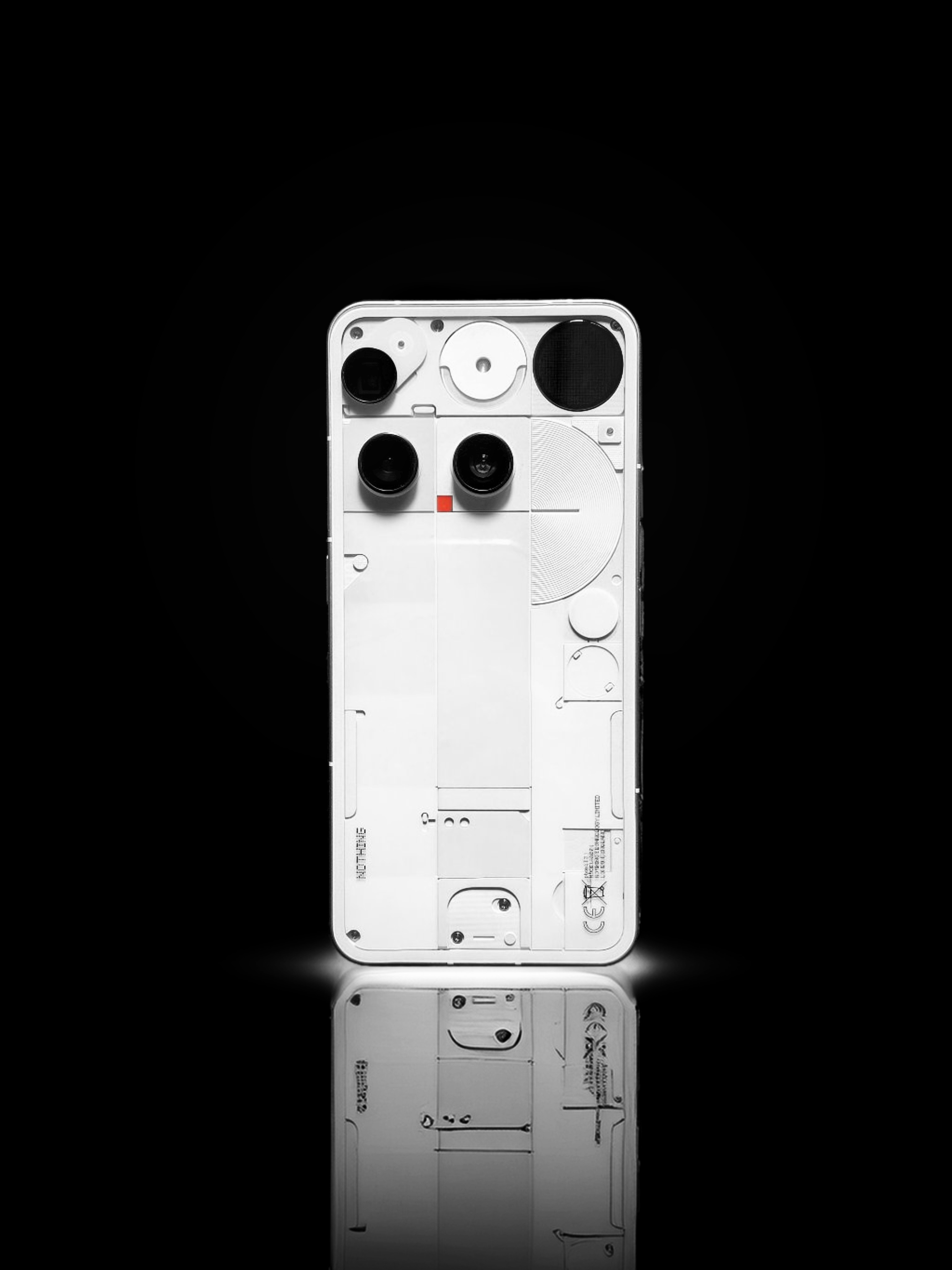
First of all, thanks to Nothing for letting me be part of the community review program, and for sending me the Nothing Phone 3 to test and share my honest experience.
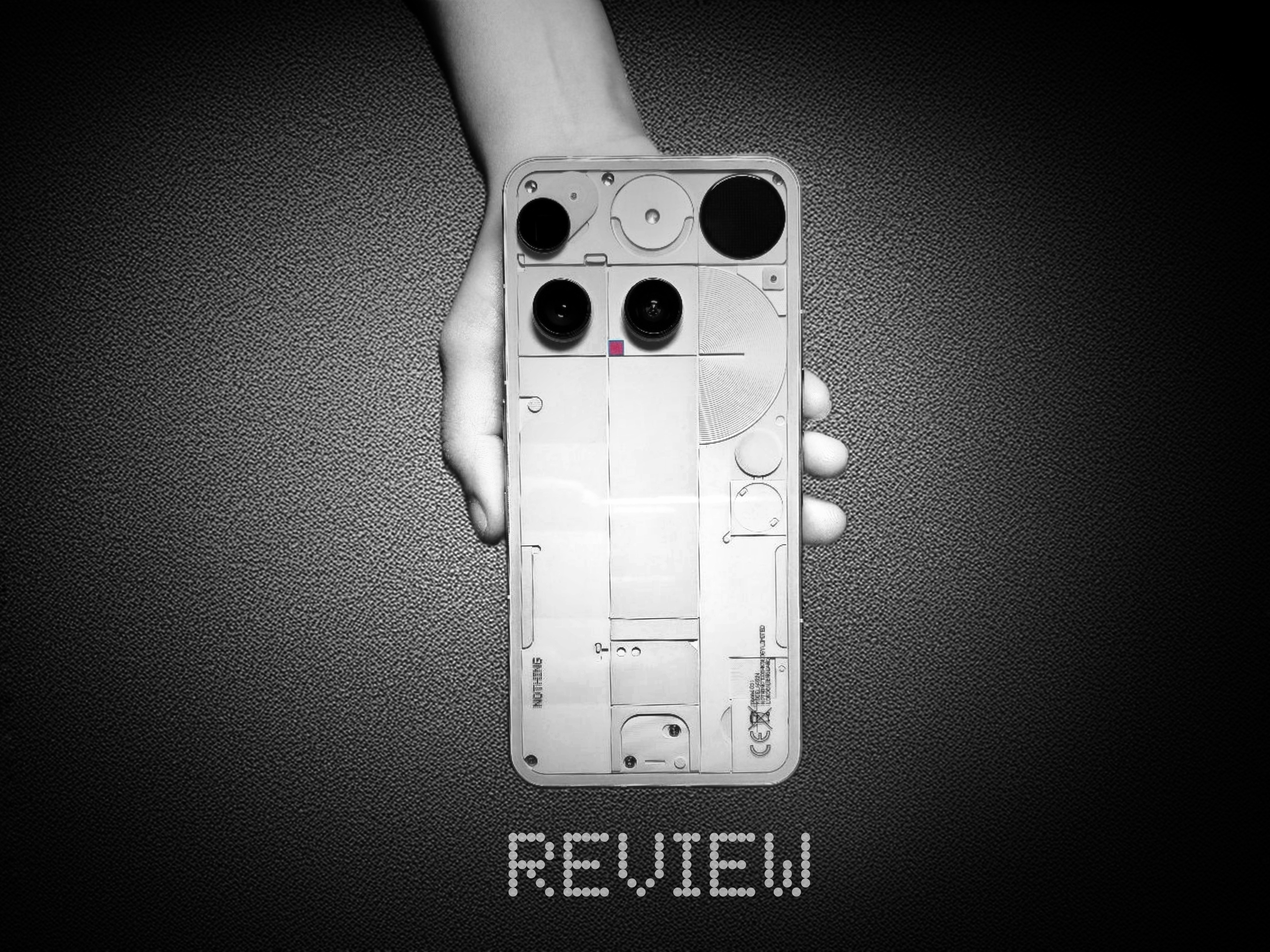
Introduction & First Impressions
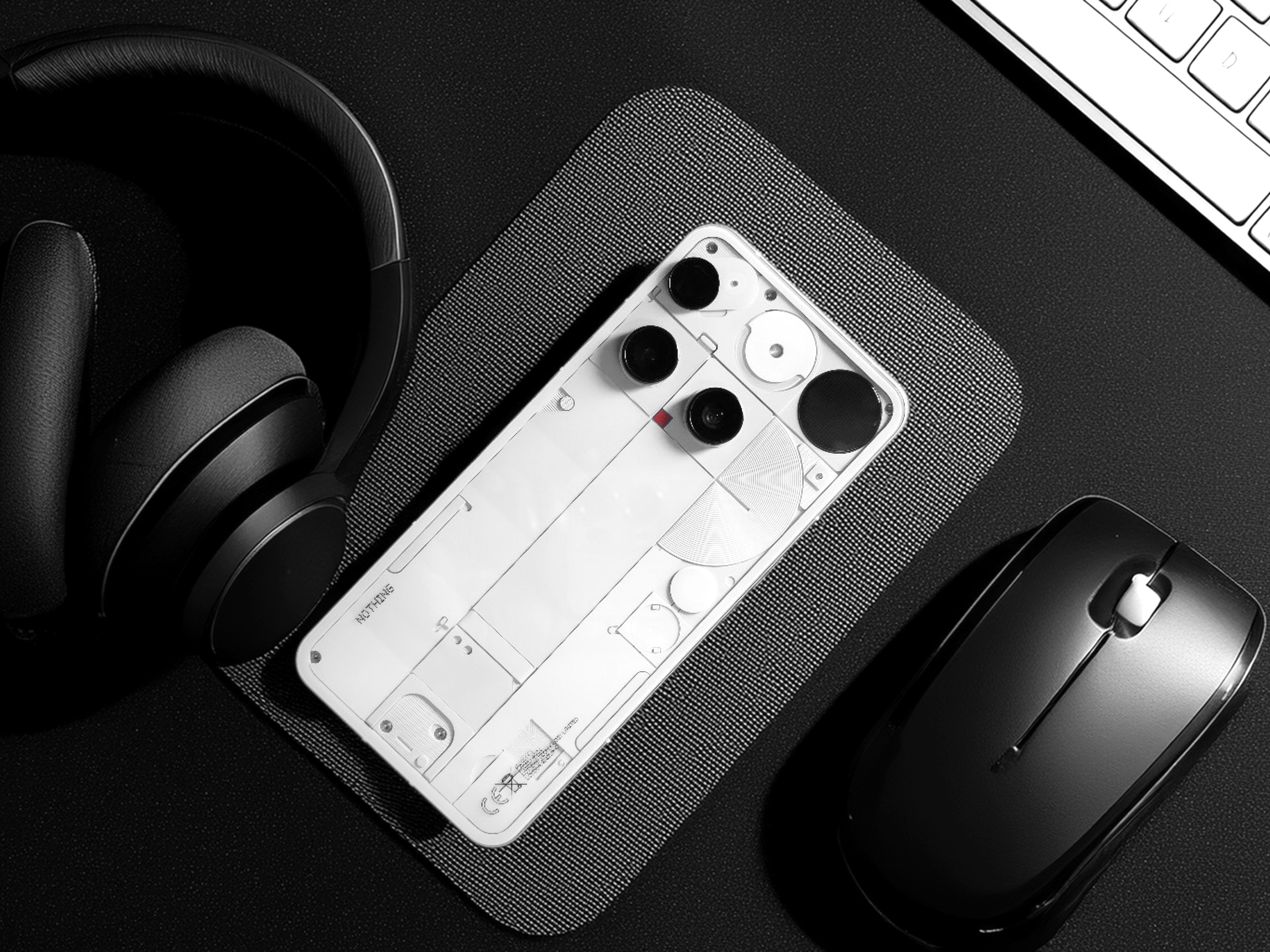
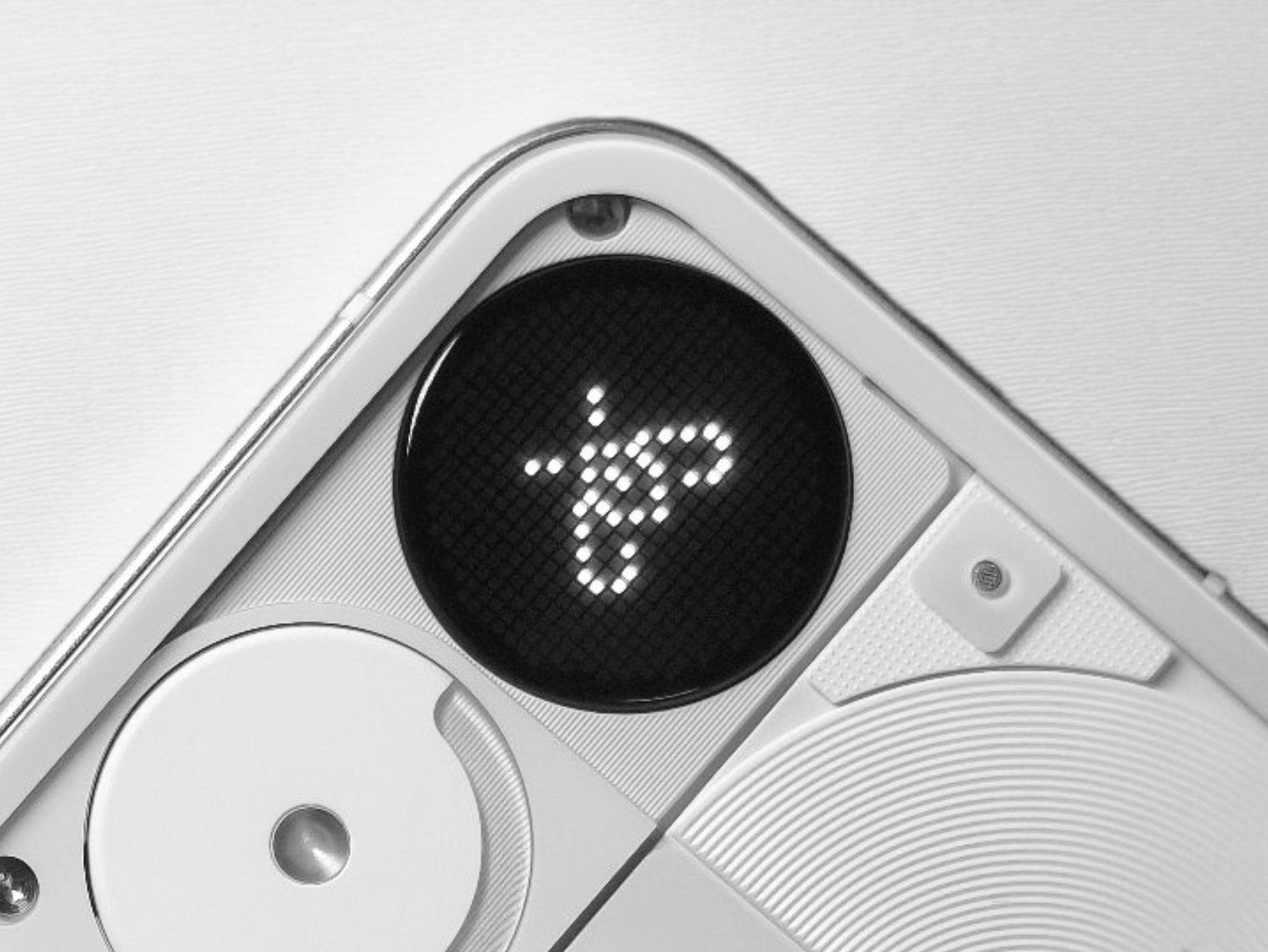
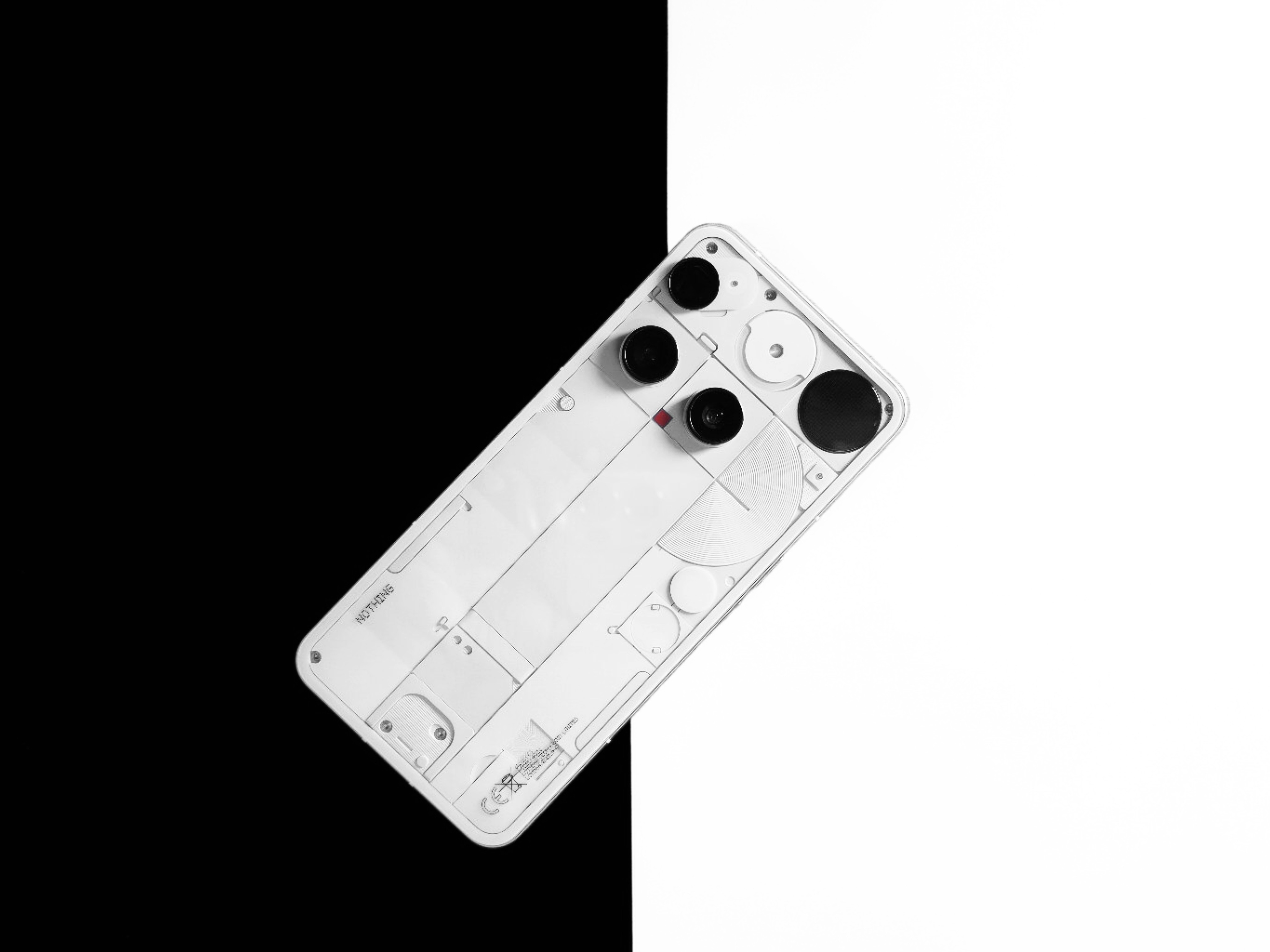
When I first unboxed the Nothing Phone 3, I felt a mix of excitement and curiosity. Nothing as a brand always tried to bring something different — the semi-transparent designs, the Glyph interface, the fun touches. With Phone 3, there’s a fresh twist: the back now has a Monochrome LED “Glyph Matrix” (489 LEDs) instead of the old full-fledged Glyph lights. It’s not just aesthetic, but also functional for notifications, charging progress, and timers.
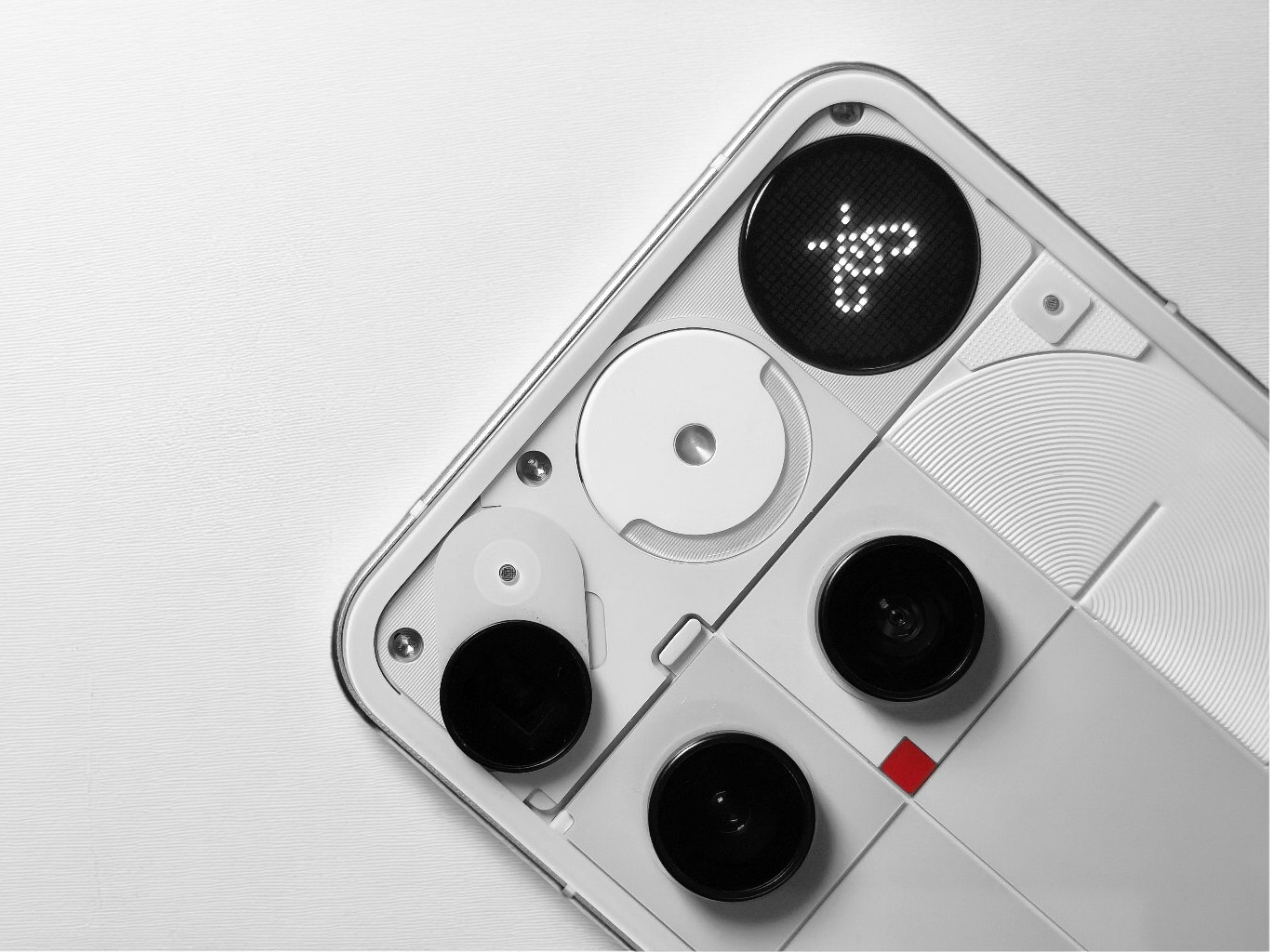
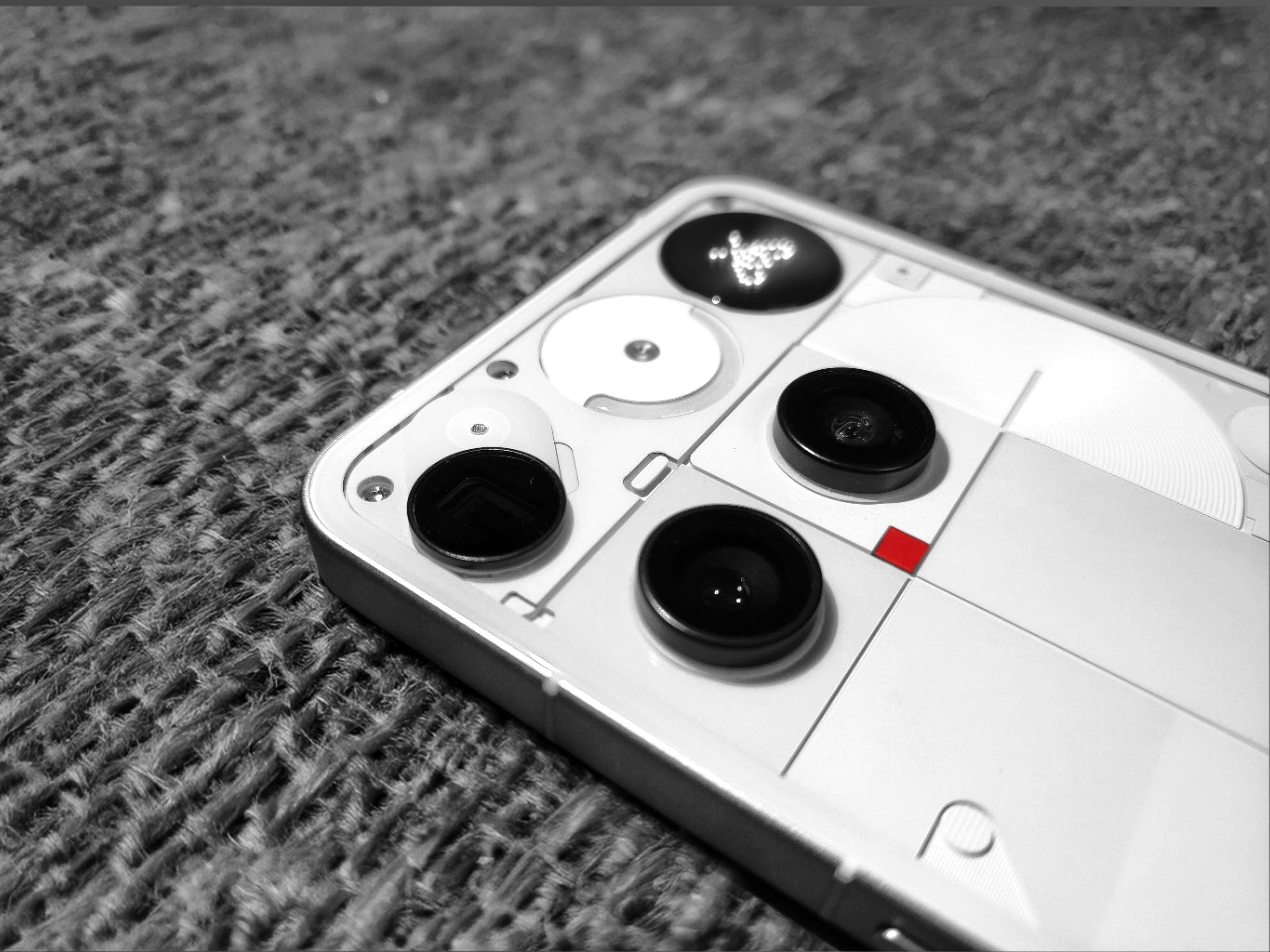
One thing I really liked about the design is the Red back light feature. For example, when you start recording a video, a small red light on the back turns on. This may sound small, but it’s actually very useful. Many times when you’re filming, people don’t realize recording has started and end up talking or getting distracted. With this red light, the person in front instantly knows you’re recording — simple but clever.
The phone is a big one: at 160.6 × 75.6 × 9.0 mm and weighing 218 g, it isn’t light. The aluminum frame feels solid, and the Gorilla Glass (front: 7i, back: Victus) gives a premium touch. On the downside, in the hand it feels a bit heavy and thick — you’ll notice it in long one-hand use.
Display & Screen Experience
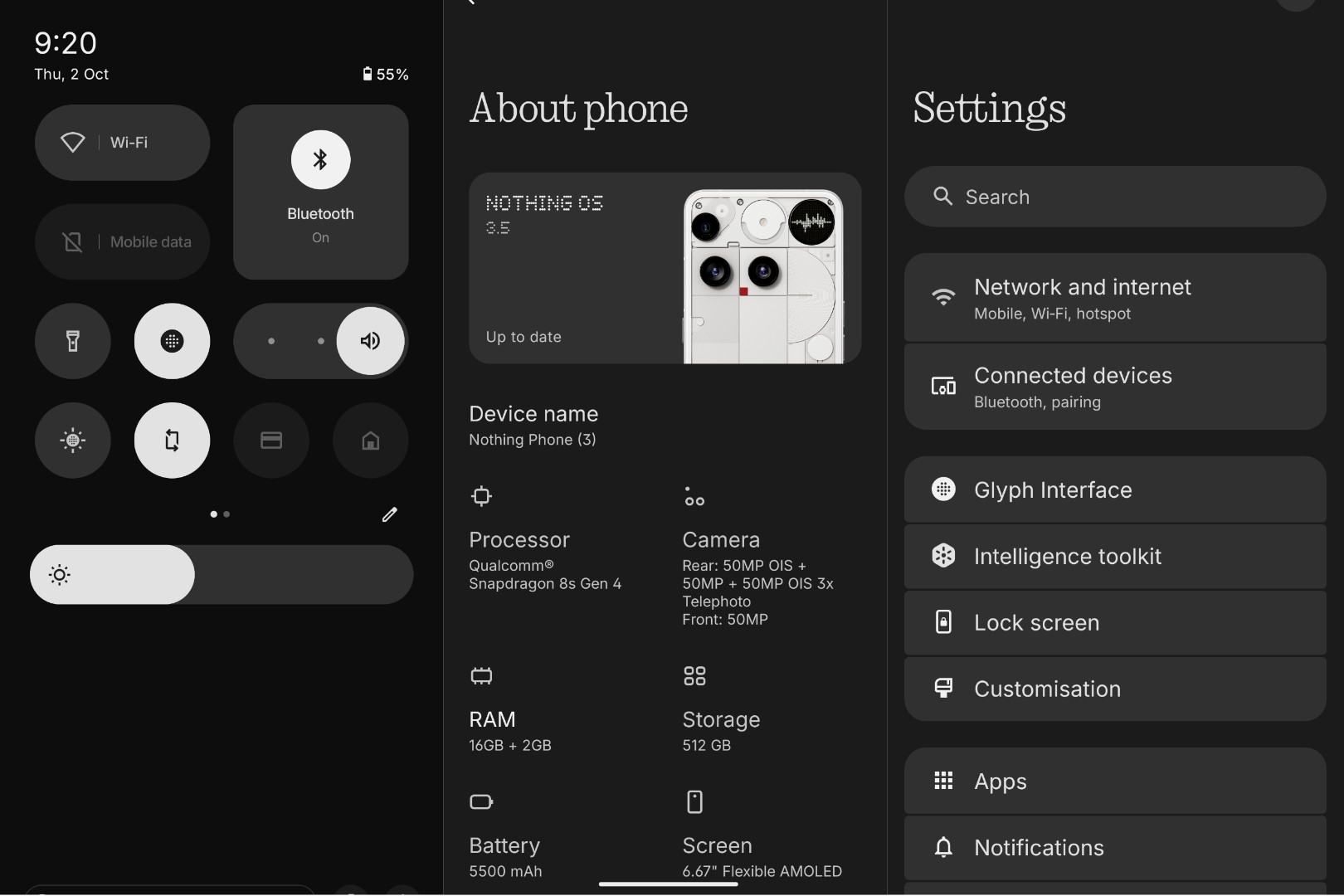
The phone comes with a 6.67-inch OLED display with 1B colors, 120Hz refresh rate, and HDR10+ support. Resolution is 1260×2800px, and Nothing has used 960Hz PWM dimming, which makes screen flicker less noticeable in low brightness.
In day-to-day usage, the screen feels smooth, responsive, and vibrant. Scrolling, animations, and transitions all feel fluid. The brightness is good outdoors (though in very harsh sunlight I needed to push brightness). Colors are punchy but not overly saturated — good balance.
Performance & Hardware
Under the hood, the Phone 3 uses Snapdragon 8s Gen 4 (4 nm). You can get 12 GB RAM + 256 GB or 16 GB + 512 GB (UFS 4.0 storage).
In my use (mix of social apps, photography, Video Editing, light gaming, multitasking), it handled everything smoothly. Apps open fast, switching between them is seamless. But the chip is powerful but not class-leading against some top-end flagships Snapdragon 8 Elite.
It’s great that Nothing is promising 5 years of OS upgrades + 7 years of security patches. That gives some confidence for long-term use.
Connectivity (5G, WiFi 7, Bluetooth 6.0, NFC) works well. No major dropouts in my test environments.
The only drawback is heating — I think It lacks advanced cooling solutions. This causes noticeable heating during intensive tasks such as video recording, Video Editing and intensive Gaming which can affect user comfort and device performance.
Software Experience
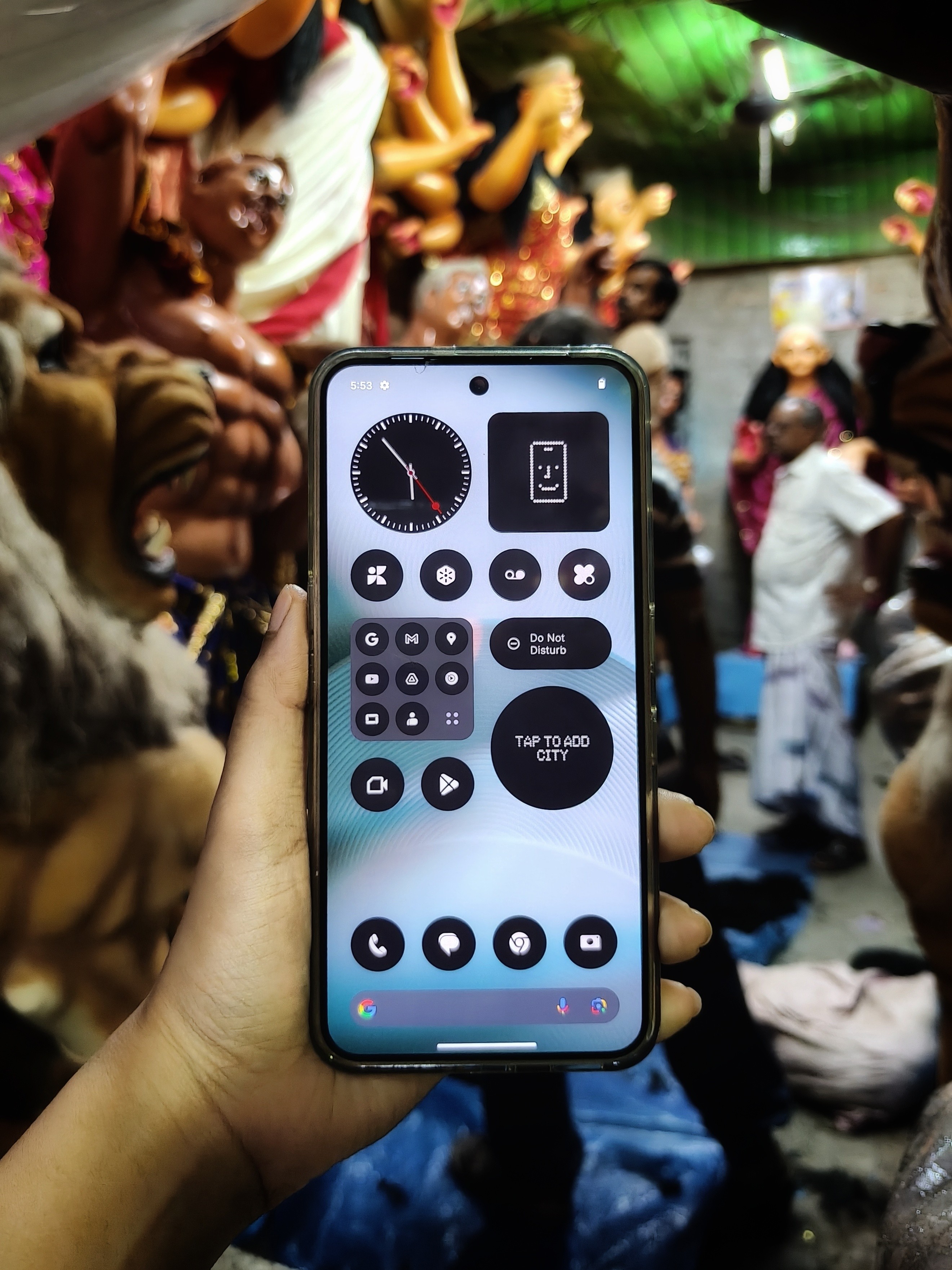
For me, the Nothing OS (3.5) is one of the best parts of this phone. It’s clean, minimal, and free from bloatware. Animations feel fluid, sound effects are subtle yet satisfying, and overall, it feels fresh compared to many Android skins.
Nothing also includes Essential Space (a space to collect screenshots, notes, recordings) and a physical “Essential Key” (on side) to quickly get to it.
The new Glyph Matrix, besides being decorative, can show status, notifications, charge progress, etc. Over time, it becomes a neat ambient feature rather than just showiness. Some people might miss the old full-LED Glyphs, but I feel this is a better balance.
On top of that, Nothing promises regular OS updates, which means the phone should stay secure and relevant for years. For long-term use, this is a big advantage.
In daily life, the software is reliable — no major crashes or weird bugs over my review period.
Camera Review
Now, coming to the most important part for many — the cameras.
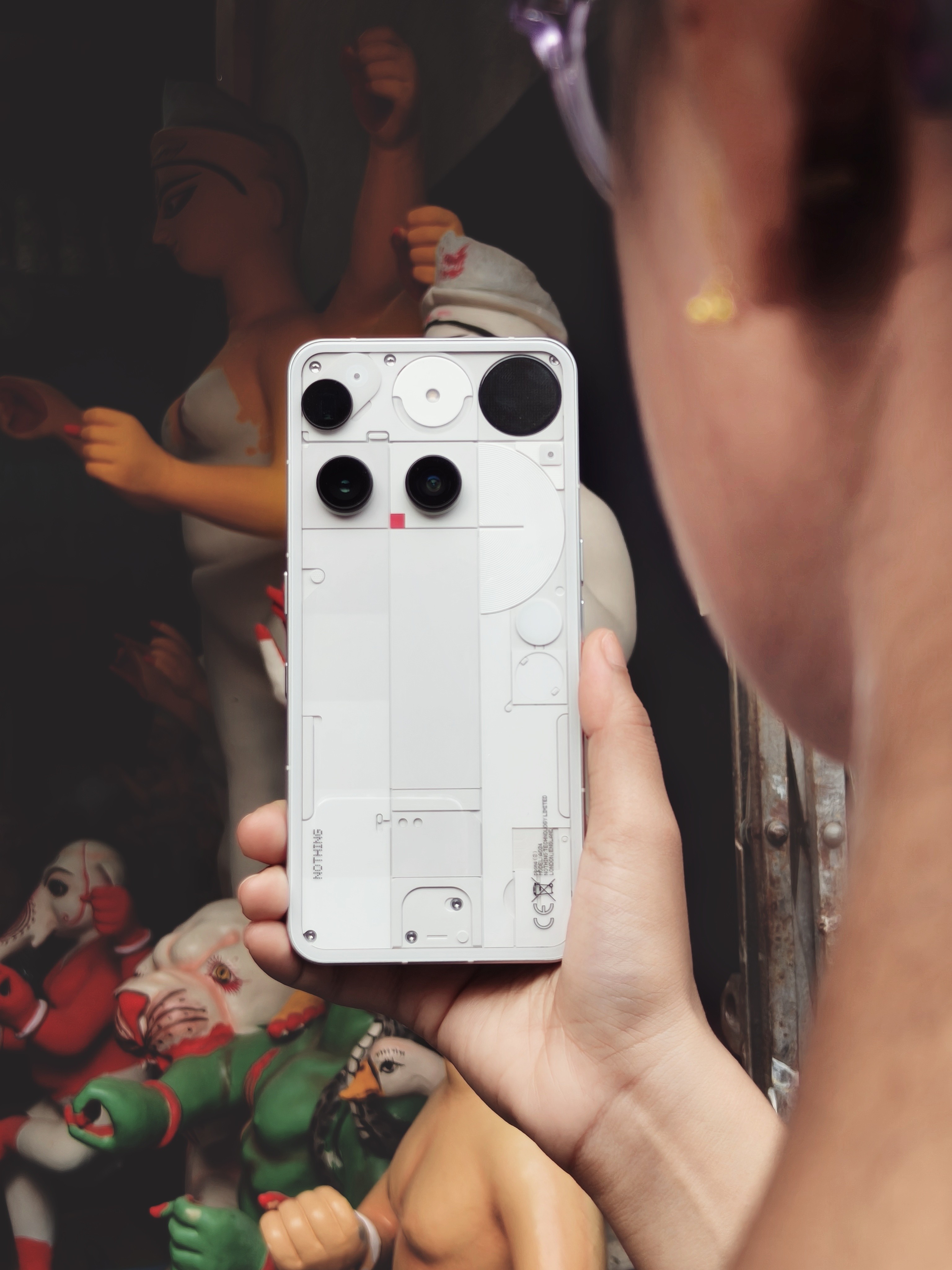
Rear Cameras
Main Camera (50MP OmniVision OV50H): In bright light, the photos come out really good. Colors are natural, and the phone handles dynamic range well. It’s not the sharpest compared to some flagships, but overall the results are pleasing. Skin tones, especially, look natural and not overly processed.
Telephoto (50MP ISOCELL JN5, 3x Optical Zoom): One of the highlights. You get usable zoom up to 30X, though the best results are between 10X–20X. Beyond 60X, Nothing caps the zoom to prevent poor quality, which I think is a sensible choice. Also, the macro shots with this telephoto camera are really impressive.
Ultra-wide (50MP ISOCELL JN1): This is where I was a bit disappointed. Nothing is still using the same 5-year-old JN1 sensor from the first Nothing Phone. While results are okay, slight softness toward edges.
Front Camera
The front camera is also 50MP (ISOCELL JN1). Selfies are decent in good light, though not the most detailed. It supports 4K 60fps video, which is nice for vloggers.

Camera Observations
Daylight / Good Light:
In good lighting, the main wide camera produces clean, sharp images with good detail, pleasing color tones, and decent dynamic range. Edges are handled well, and the OIS helps in avoiding blur with slight hand movement. I was generally satisfied with the output.
Ultra-wide:
Ultra-wide is decent, though in some scenes I saw slight softness toward edges and some color shifting under certain lighting. Not bad, but not perfect.
Zoom / Telephoto (3X optical):
This is one of the more exciting parts. At 3X optical, you can capture subjects a bit farther without quality loss. In my tests, the telephoto gave usable shots, with good detail when lighting is favorable. The phone offers up to 60X digital zoom, which is capped to avoid poor quality beyond 60X, a sensible decision. Usable zoom photos are achievable up to 30X, with the best quality around 10X to 20X.
Low Light / Night Mode
Here the camera has its challenges. In dark or low light scenes, you’ll see more noise, sometimes poor white balance (yellow light turning white and vice versa) and color shifts (like blue skies appearing cyan).
Night mode helps, but it isn’t perfect. In some comparisons, rivals pulled ahead.
Portrait / Subjects
The portrait mode is fun to use, offering four focal lengths — 1X, 2X, 3X, and 4X. Background blur looks natural. I saw some minor edge errors around hair or edges in tricky light.
Video Quality
Video capture is good. In 4K at 30/60fps, stabilization (gyro-EIS + OIS) helps produce smooth footage in walking shots or panning. Video looks stable and detailed. I noticed slight rolling shutter in fast movements. However, there are a couple of misses:
You can’t switch between cameras while shooting at 4K 60fps.
Portrait video mode is missing, which is odd at this price point.
Here are a few snaps I took at Kumortuli.




Check out this macro shot

Battery & Charging
In my use, with moderate to heavy mix of camera, social, navigation, reel scrolling, I was easily getting a full day and a half, often pushing toward two days under lighter use.
Charging is via 65W wired (fast) and also supports wireless charging (15W) and reverse wireless (5W). But a caveat: the charger is not included in the box in some regions, so you have to use your own or buy one separately.
In my tests, going from 0 to full took ~50–60 minutes with a provided GAN 65W charger.
Charging not fastest compared to some rivals, but it’s reliable.
Pros & Cons
Pros:
Unique transparent design with Glyph Interface
Clever red recording indicator light
Smooth Nothing OS with regular updates
Solid display with HDR10+ and high refresh rate
Decent camera system with 3× optical zoom and versatile triple 50MP setup
Impressive macro shots via telephoto lens
—
Cons:
Outdated ISOCELL JN1 sensor in ultra-wide (same since Nothing Phone 1)
No camera switching at 4K 60fps and no portrait video mode
Heating issues during heavy use like video recording or editing and gaming
Charger not included in Indian Unit
Software features are good, but not as rich in tuning as some rivals
Pricing!
Final Thoughts & Recommendation
After using the Nothing Phone 3 for a few weeks, I’d say it’s a strong “almost-flagship” — a fun, interesting, and mostly capable phone that brings character and balance. It may not beat every flagship in every metric, but for someone who values design, good battery, solid cameras(Good Lighting Condition), and a clean experience, it delivers.
So, is the Nothing Phone (3) worth buying? My honest answer — yes, but at the right price. At the official ₹80,000 price, it’s a bit too much for the competition. In my view, the phone should’ve been priced around ₹50,000.
But if you manage to grab it in sales like Big Billion Days for around ₹35,000, then honestly, it’s bang for the buck. You get a unique design, clean software, solid cameras (except ultra-wide & Lowlight), and a reliable daily driver.