I have been using the Nothing Phone (4a) for the past 30 days, and this review is based on real-world usage rather than just specifications.
Before going to the Review you may check out the Unboxing and First Impression
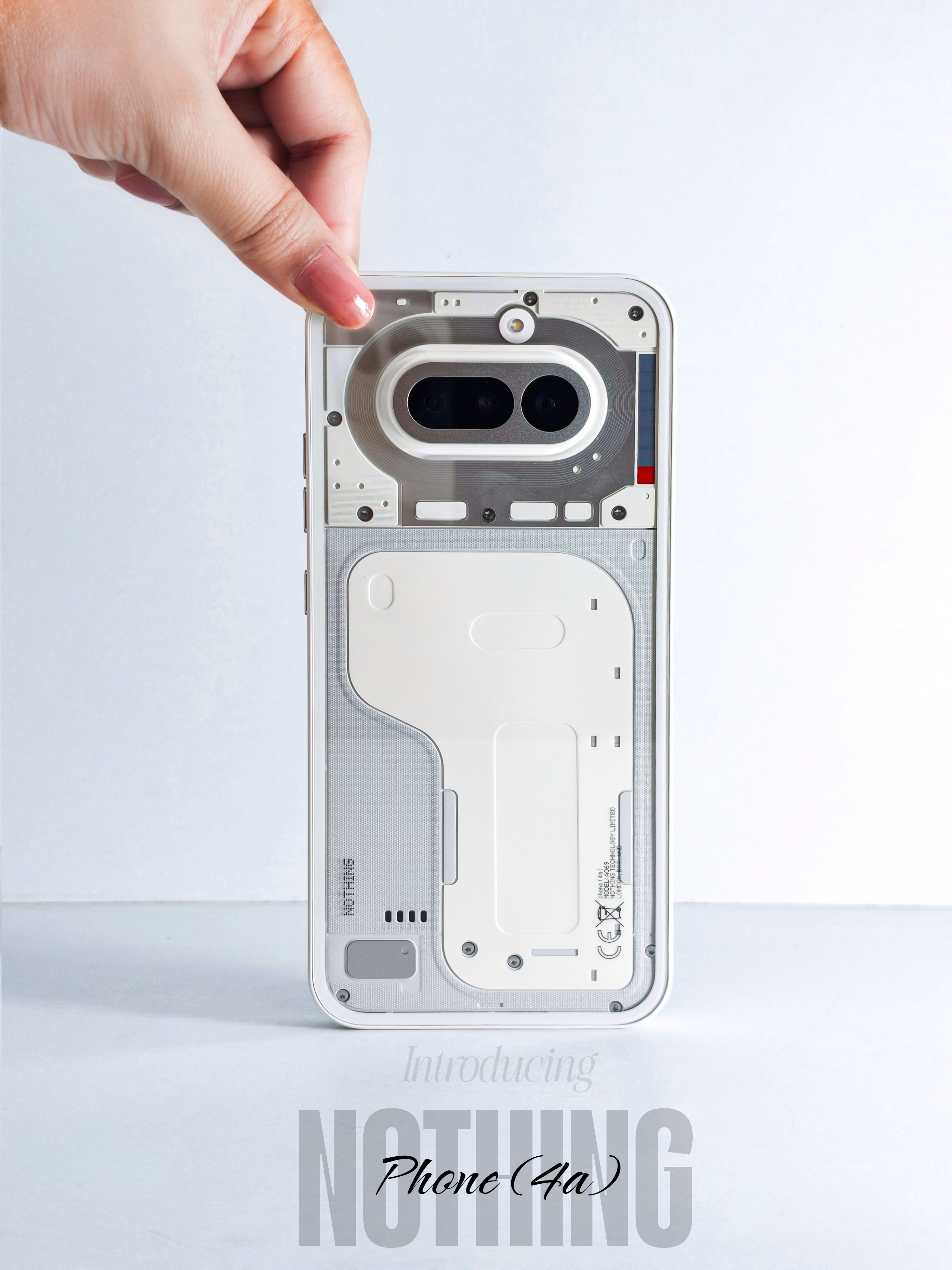
Let’s go deeper into how the phone actually performs in day-to-day life.
The Nothing Phone 4(a) sits in a highly competitive price segment, where brands are aggressively offering better hardware, cameras, and features. However, Nothing is clearly not trying to win on raw specifications alone. This device is built around the overall experience—clean software, a unique design, and optimized performance.
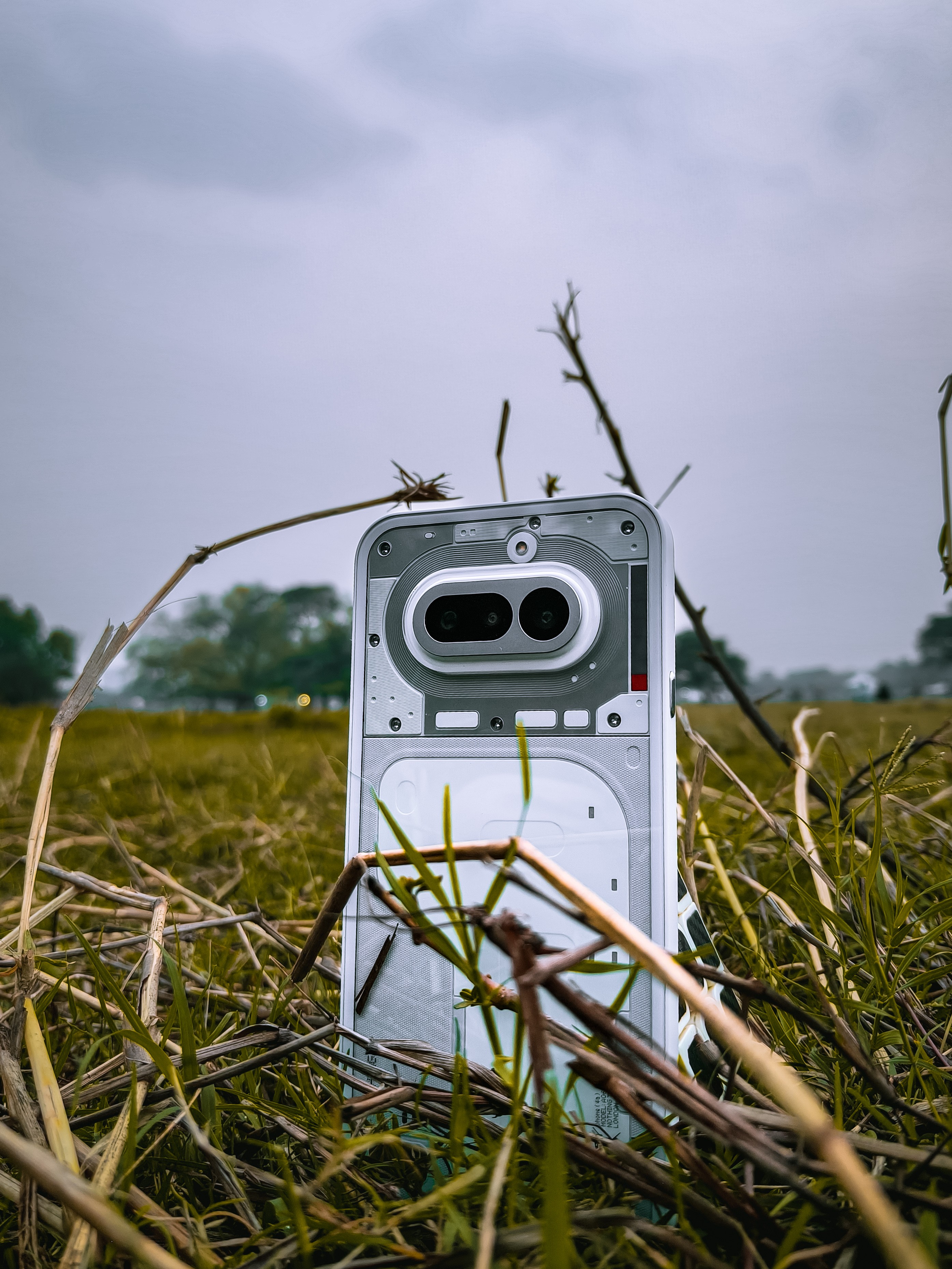
After using it for over four weeks, one thing becomes very clear: this phone feels different from typical Android smartphones, though not always in a perfect way.
—
Design Philosophy & Practical Ergonomics
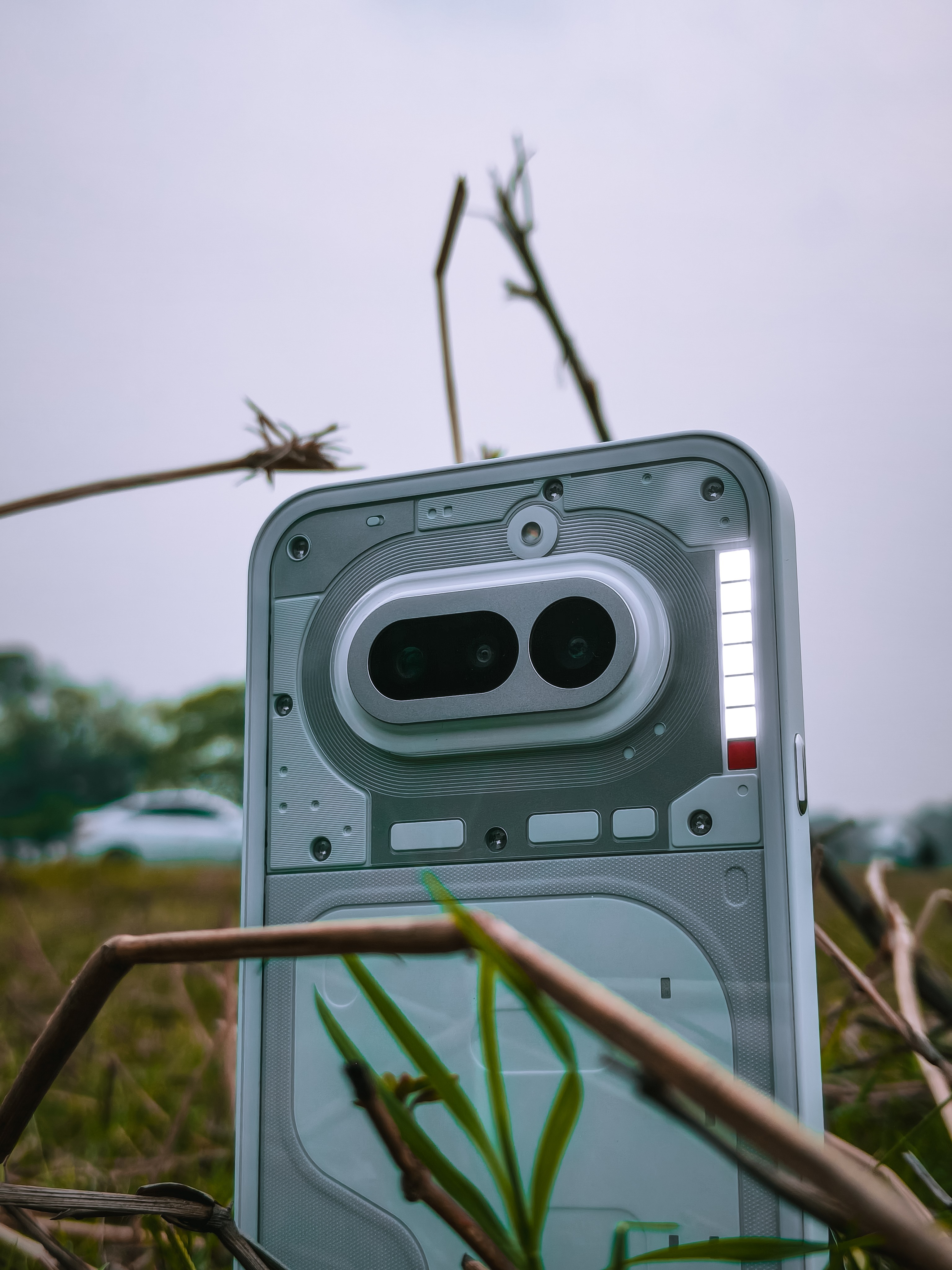
Nothing has always focused heavily on visual identity, and the Phone (4a) continues that tradition with its transparent back and Glyph lighting.
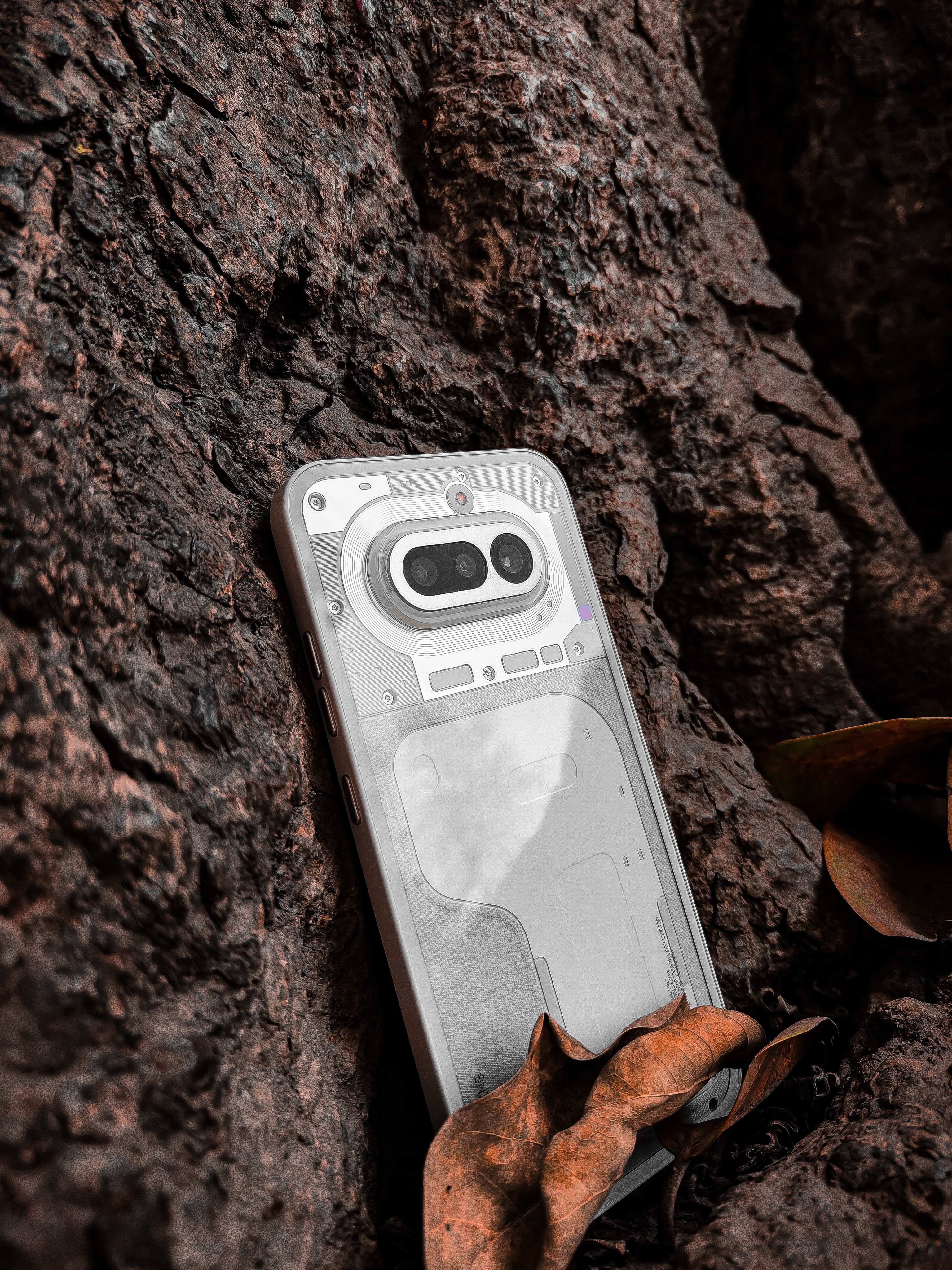
This time, however, the Glyph system has been simplified into a single light bar, making it less flashy and more subtle. The new Glyph Bar is a rectangular strip made up of 63 mini LEDs arranged in 7 sections, and it is up to 40% brighter than previous versions, reaching 3,500 nits.
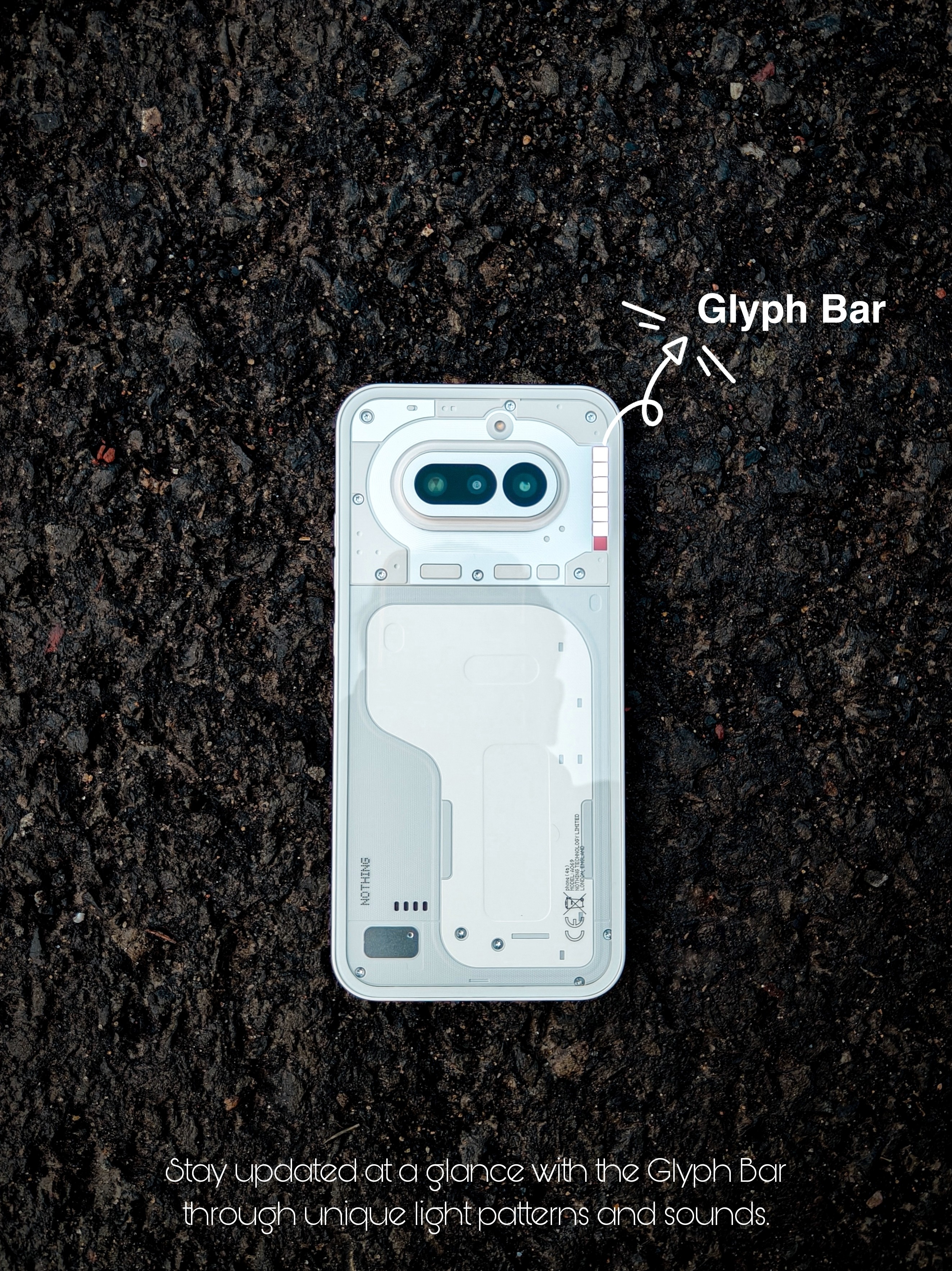
The addition of the red recording indicator is genuinely practical—it visually confirms when you are recording, which is a thoughtful touch.
The phone is 8.55mm thick and weighs 204.5 grams. Even with a slightly bigger battery, the weight increase compared to the Phone (3a) is only a few grams.
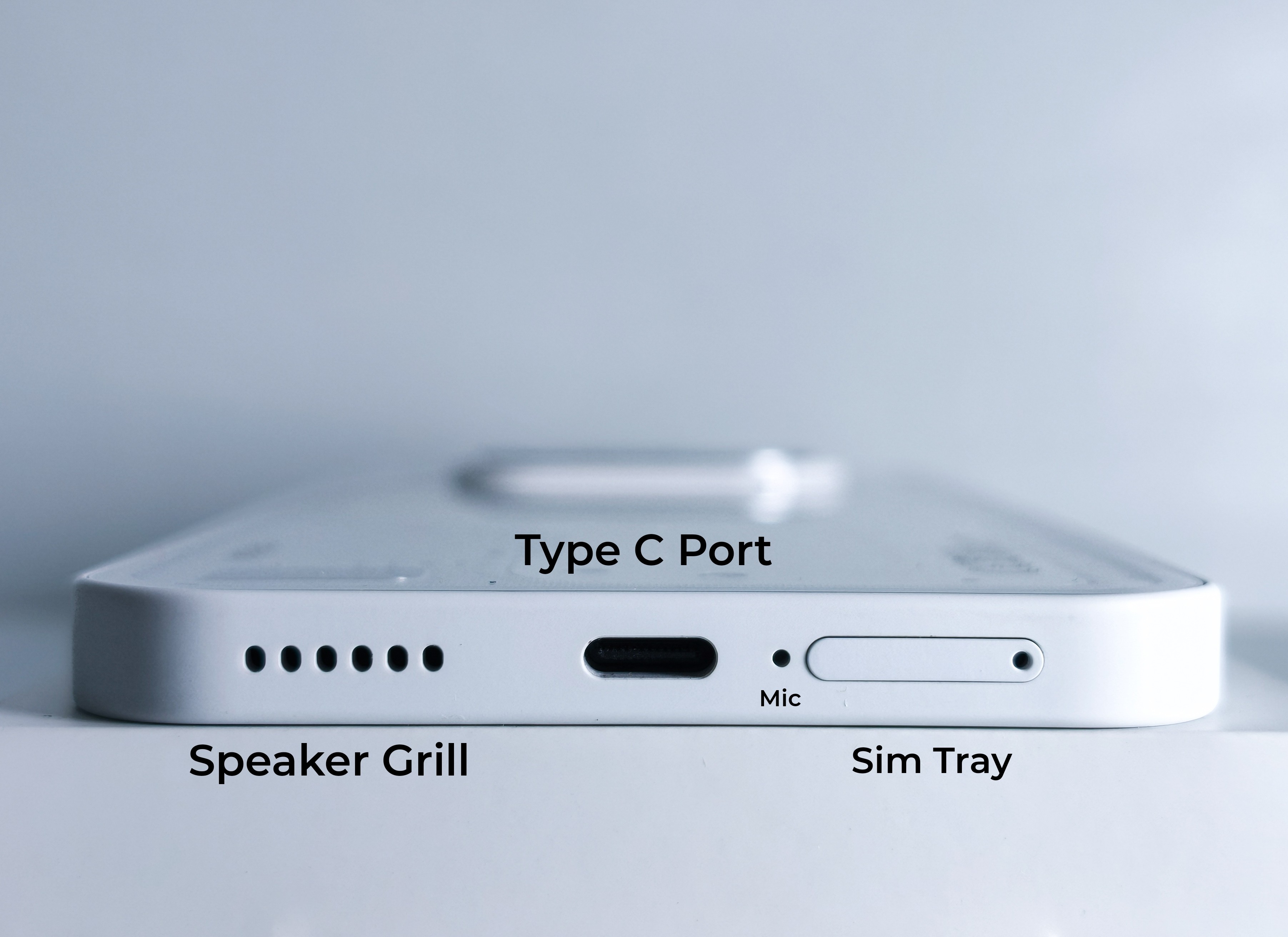
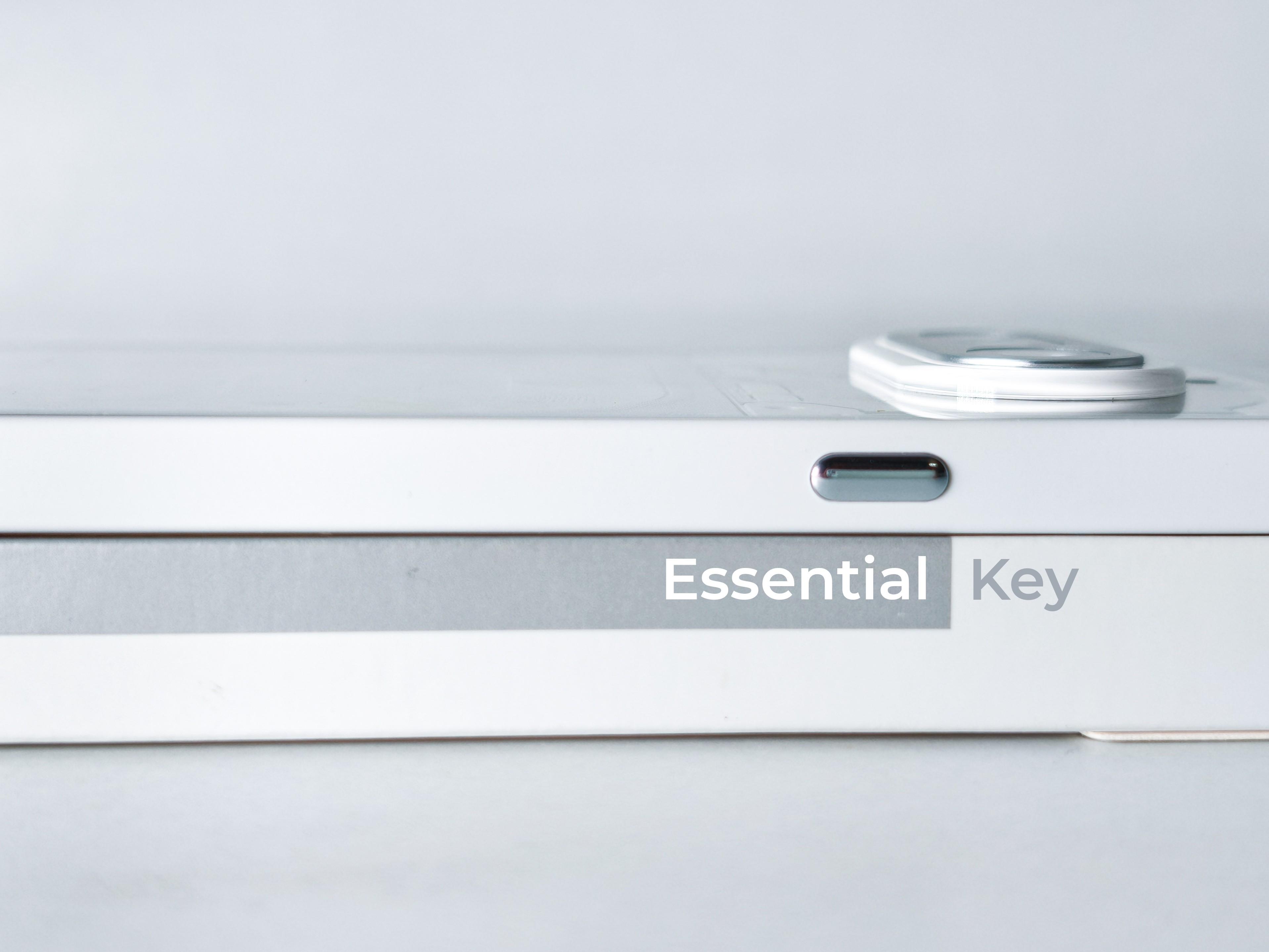
Coming to the button placement, the power button and volume rockers are on the right side. The Essential Key is now placed on the left side. At the bottom, you get the dual SIM slot, primary microphone, USB Type-C port, and speaker grille, while the secondary microphone is located at the top.
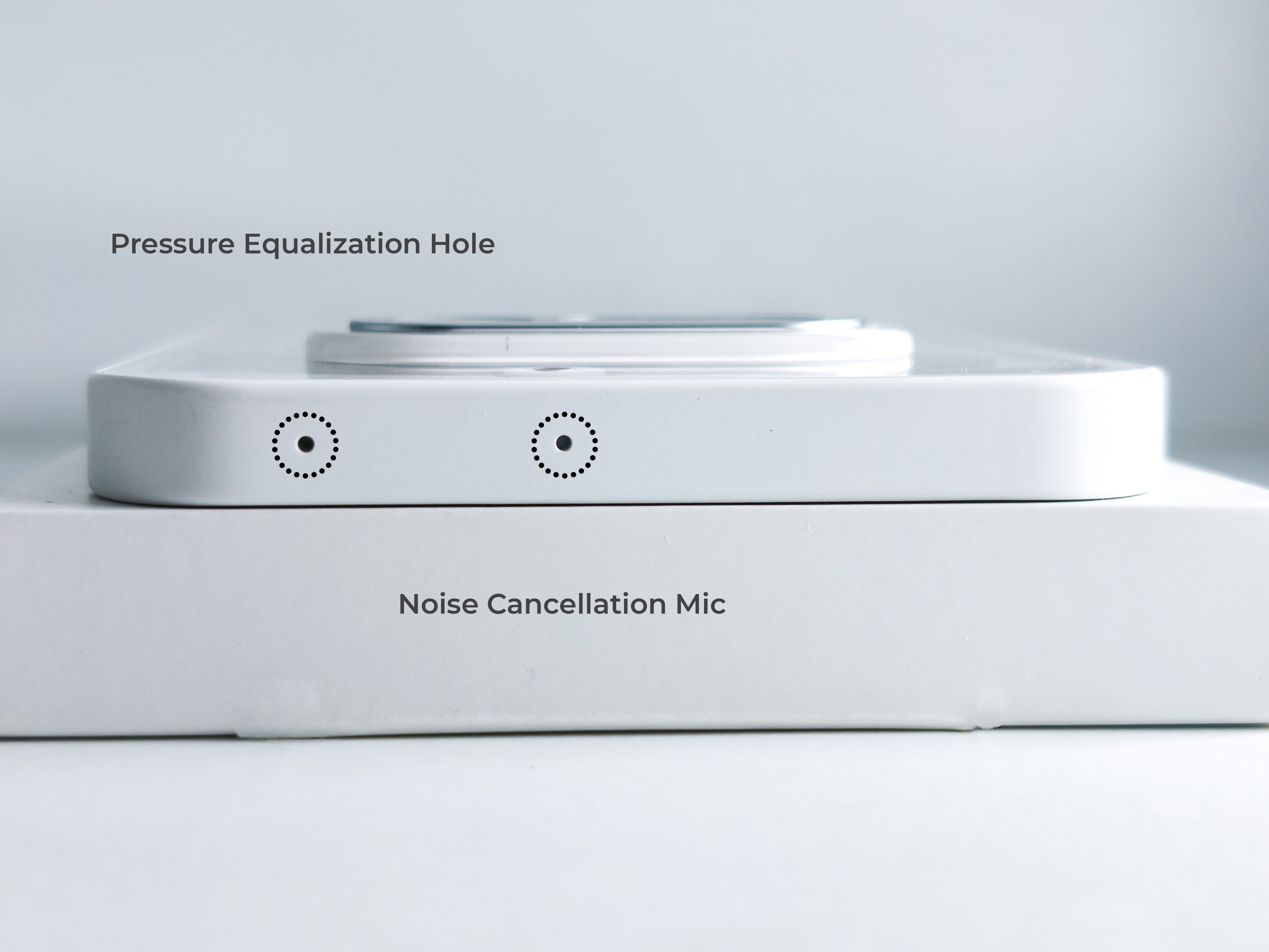
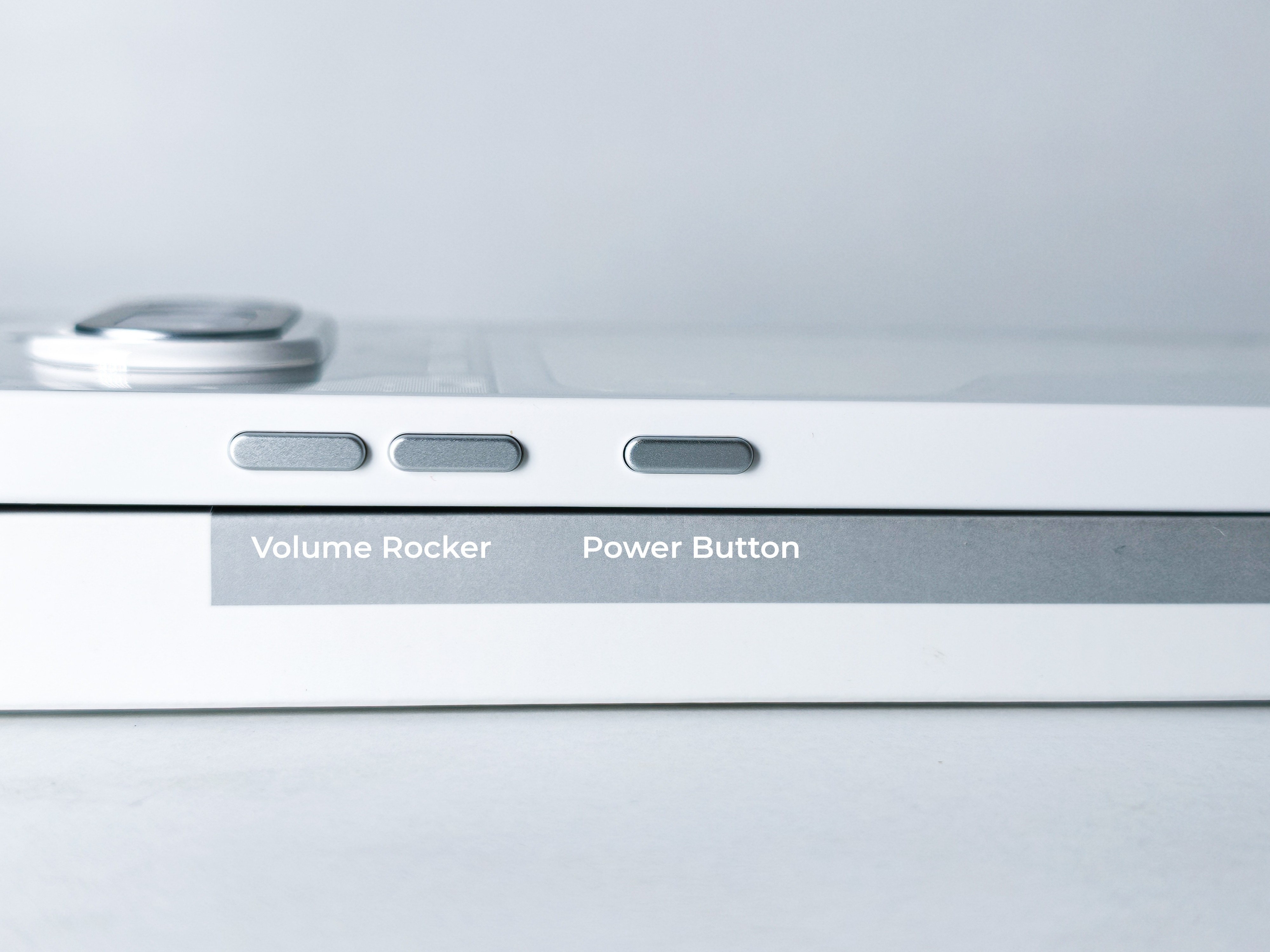
The phone still uses a polycarbonate frame with a matte finish, which helps with grip and prevents slipping.
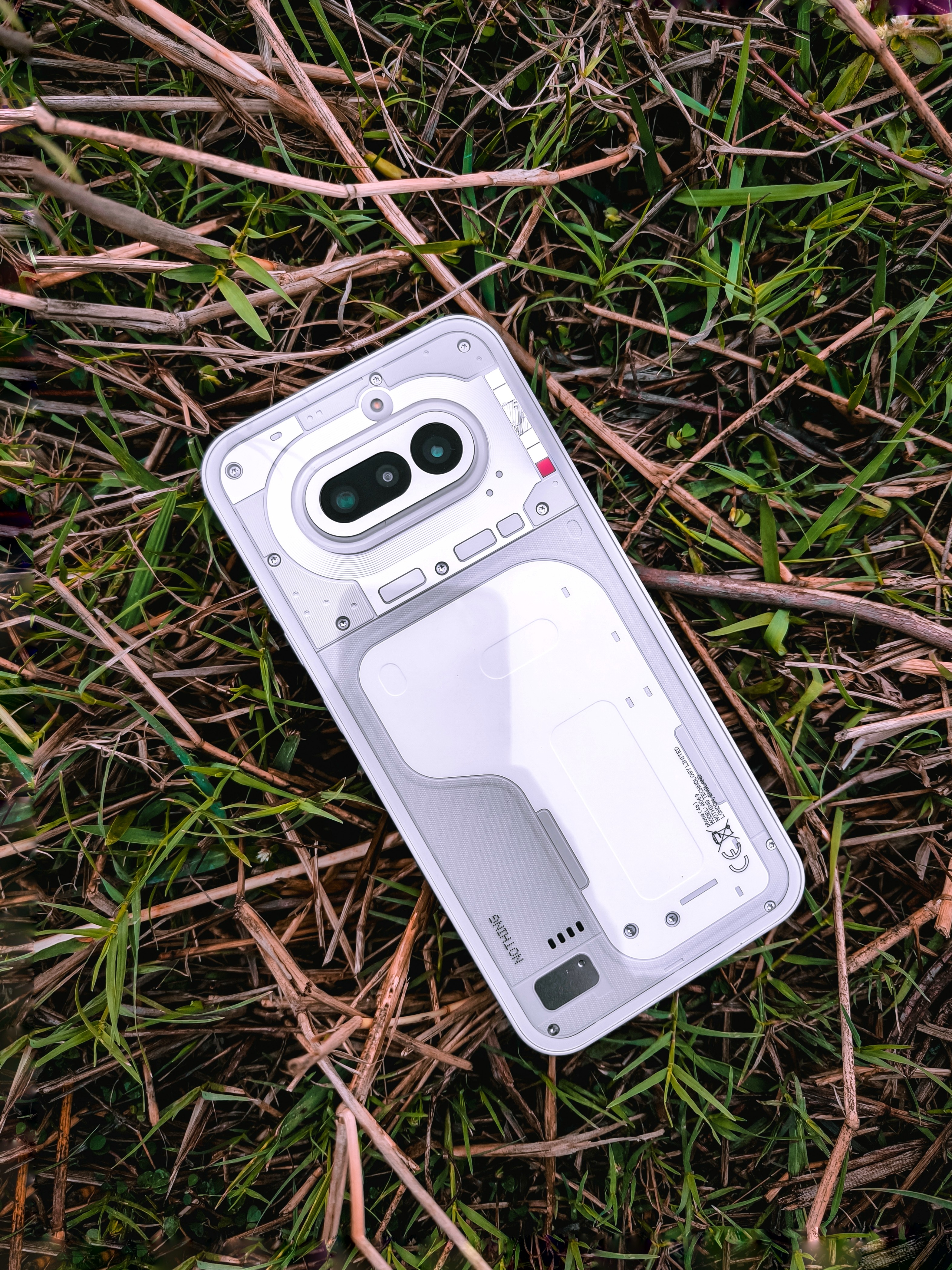
It also retains the transparent glass back with a unique industrial design, which feels premium and resists scratches fairly well. That said, I would still recommend using a case, as the back can feel a bit slippery.
The camera module now has a metal finish, and the camera bump has been reduced compared to the Phone (3a), thanks to the tetra-prism telephoto lens design.
The phone also comes with an IP64 rating for splash resistance.
However, beyond aesthetics, usability matters—and this is where things feel a bit mixed.
The phone is noticeably wide, which makes it harder to grip and operate with one hand.
So while it looks premium and unique, it is not the most ergonomic device in its category.
—
Display – One of the Strongest Aspects
The display is easily one of the highlights of this phone.
It features a 6.78-inch 1.5K AMOLED panel with a 120Hz refresh rate, and in real-world usage, it performs exactly as you would expect from a premium mid-range device.
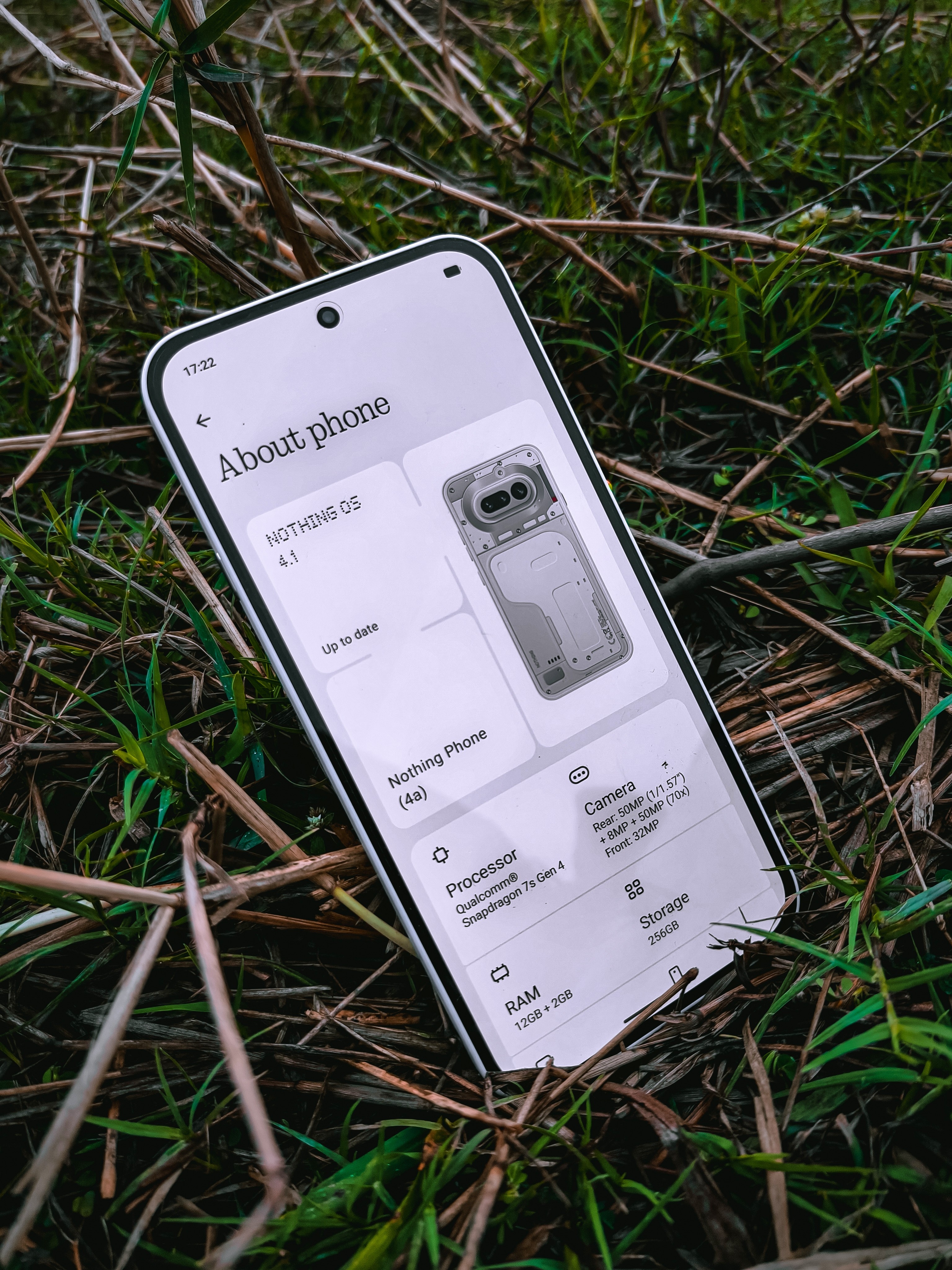
Brightness is excellent—even under direct sunlight—thanks to 800 nits typical brightness, 1,600 nits outdoor brightness, and a peak brightness of 4,500 nits for HDR content, which offers up to a 50% improvement over the Phone (3a).
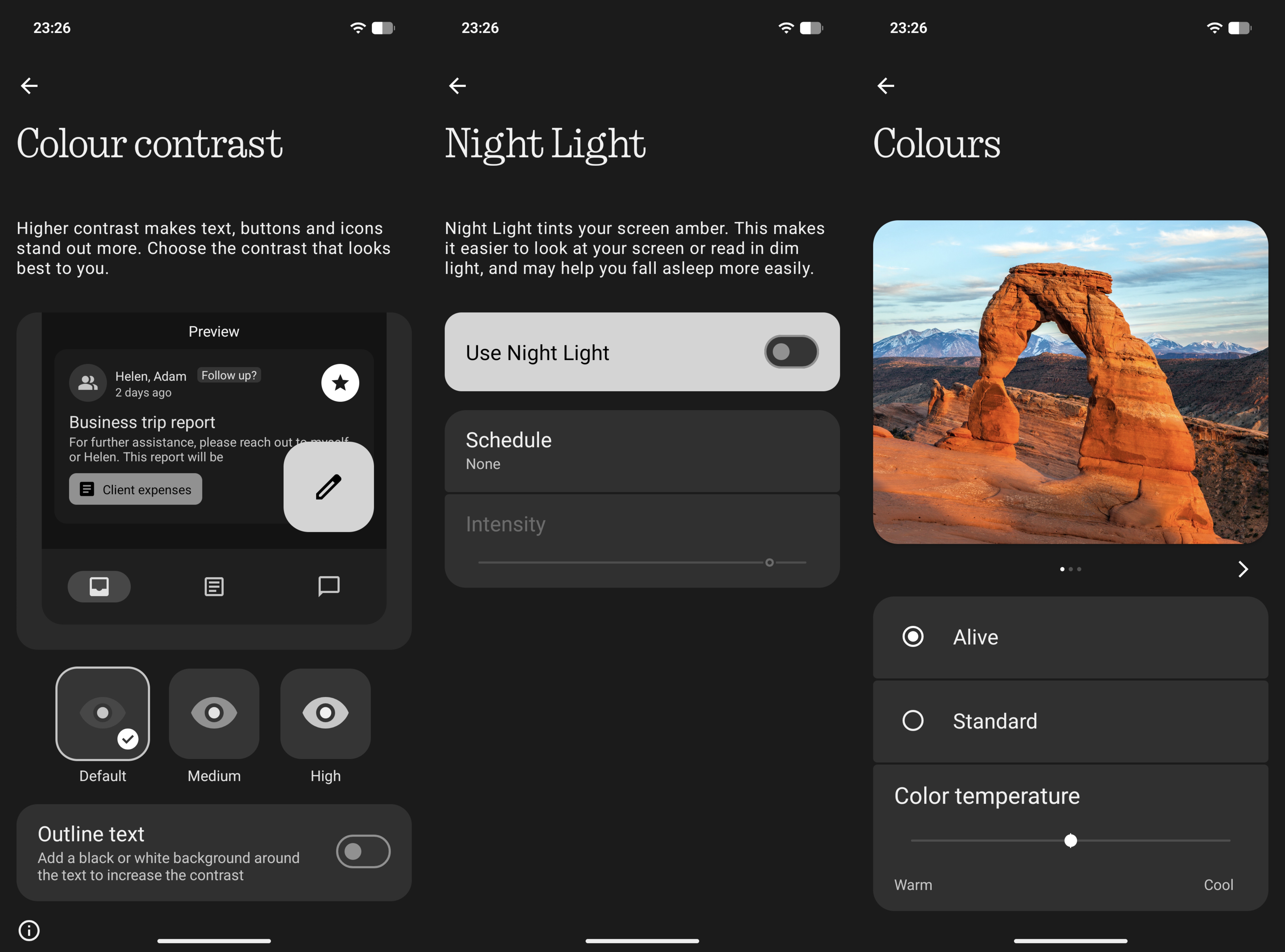
Colors are vibrant without being overly saturated, and the 10-bit panel adds better depth and smoother gradients.
Scrolling, animations, and transitions feel extremely fluid. Combined with Nothing OS, the display contributes heavily to the overall smooth experience.
Under display settings, there are multiple options to adjust color profiles according to your preference. There is also a Night Light mode, which reduces blue light emission and helps reduce eye strain during nighttime reading.
The always-on display is present, although it does not offer extensive customization and feels somewhat similar to the Pixel’s implementation.
The phone now comes with Corning Gorilla Glass 7i protection, replacing the Panda Glass used in the predecessor.
This is a display you can confidently rely on—whether you are watching content, editing photos, or simply browsing.
—
Performance & Software – Where It Truly Shines
This is where the Nothing Phone (4a) stands out the most.
Performance
On paper, the Snapdragon 7s Gen 4 is a capable mid-range processor and a considerable upgrade over the Snapdragon 7s Gen 3 used in the Phone (3a).
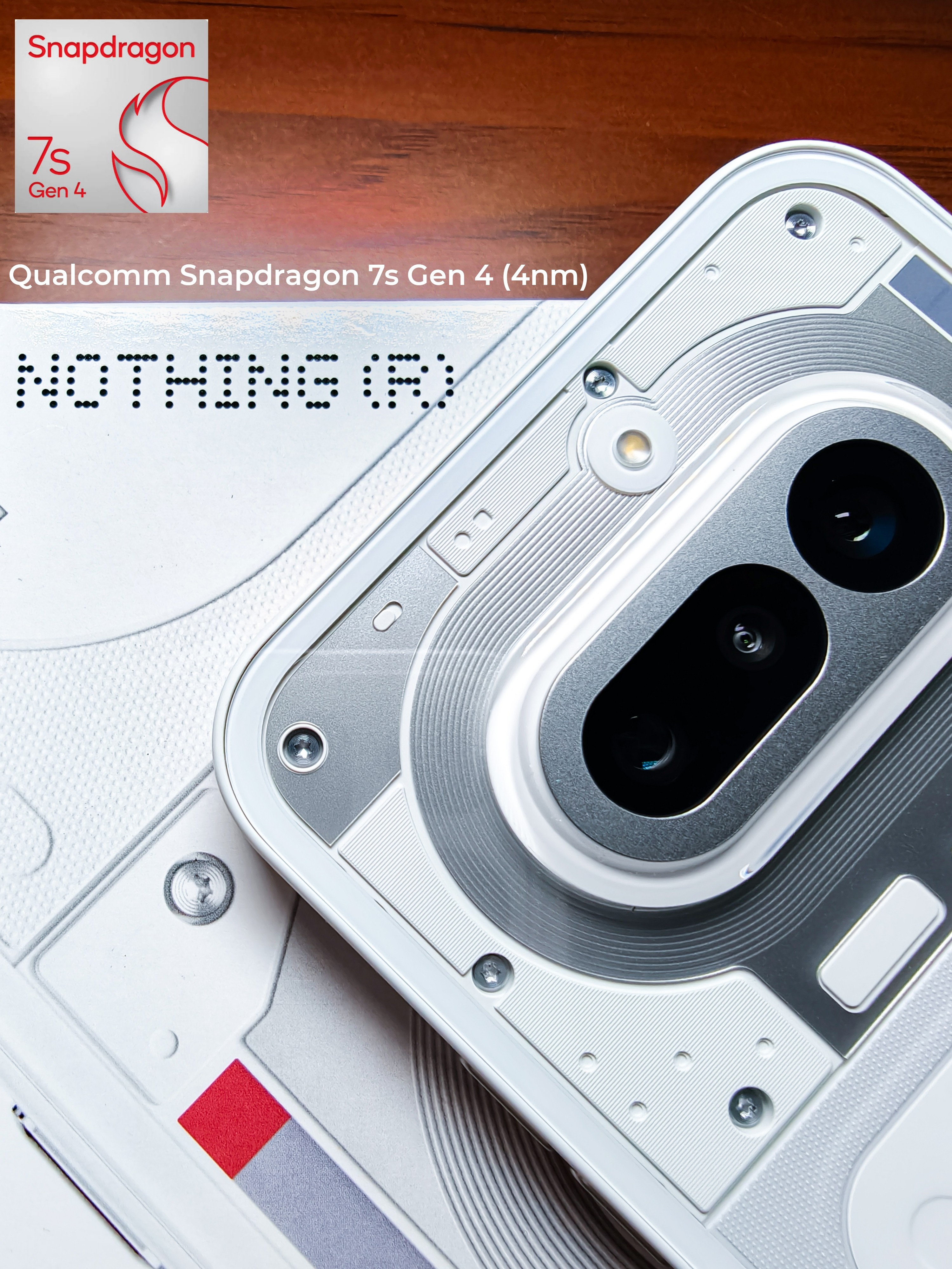
But what truly makes the difference is optimization. The phone feels consistently smooth, with no noticeable lag, stutter, or heating issues during daily use.
The Adreno 810 GPU offers solid gaming performance. The Phone (4a) supports 120 FPS gameplay in BGMI and up to 90 FPS in Call of Duty: Mobile. It can also handle demanding titles like Genshin Impact, although not at maximum graphics settings.
Software
The software experience is equally impressive.
Nothing OS feels clean, minimal, and thoughtfully designed. There is almost no unnecessary bloatware, and the interface feels refreshing compared to heavily customized Android skins
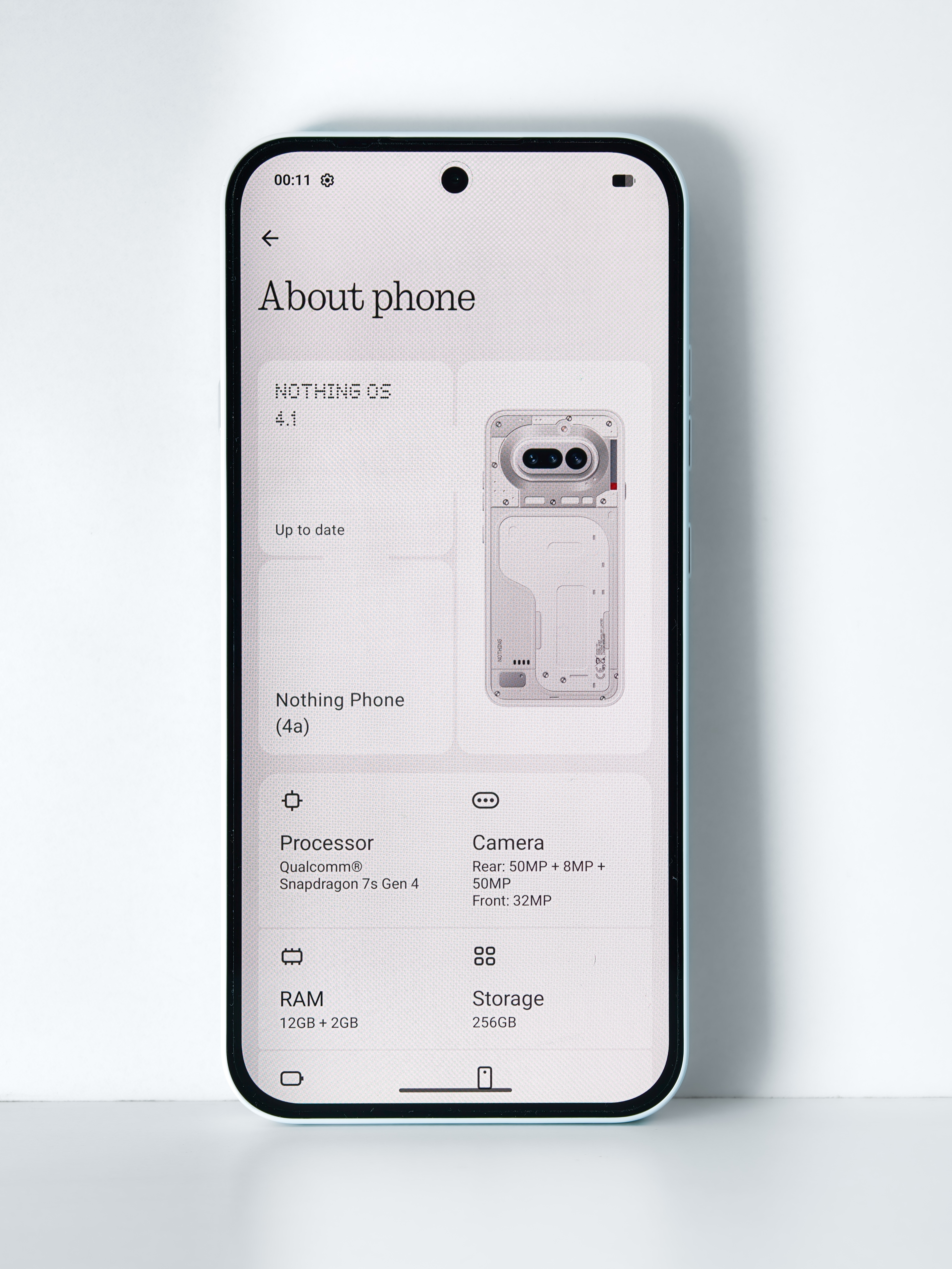
The UI has a strong visual identity with its custom icons, typography, and layout, while still allowing flexibility if you prefer a more stock Android look.
AI features also play a bigger role this time.
The Essential Key now acts as a shortcut for capturing screenshots, voice notes, or on-screen content, all of which are stored in Essential Space.
The system then uses AI to analyze this content and extract useful information.
Features like Essential Search, Essential Memory, and Essential Apps make the phone feel smarter and more contextual.
A particularly useful feature is the ability to double-tap the Essential Key to save something as a memory, which the phone then organizes neatly in one place
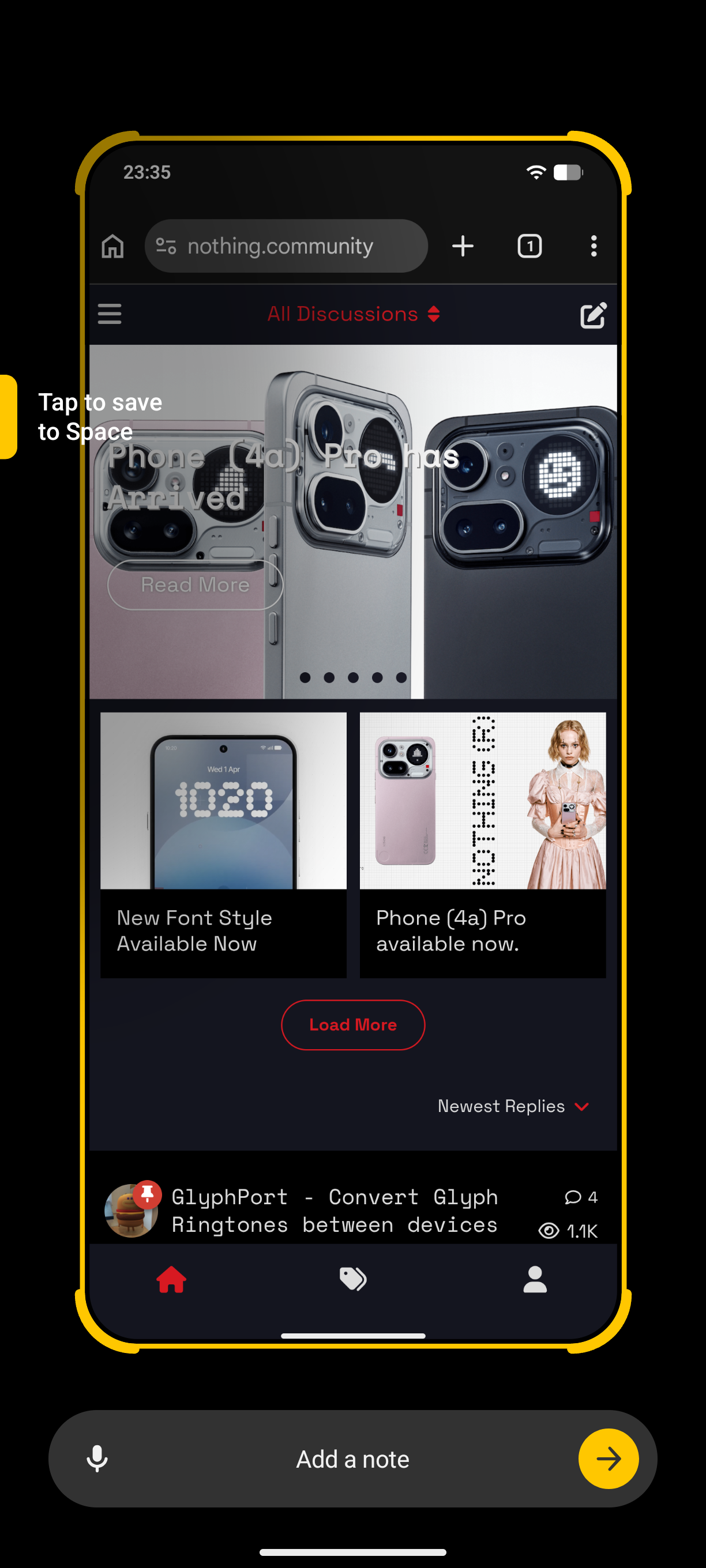
I also really liked the wallpaper generator. You can combine two ideas and generate a unique wallpaper, which almost removes the need for a separate wallpaper app
Nothing Gallery also includes three AI-powered modes to enhance your captured images: Clean Up, Pedestrians, and Reflection.
The Clean Up mode lets you remove unwanted objects by simply circling them.
The Pedestrians mode automatically removes people from the frame.
The Reflection mode helps eliminate reflections from your photos for a cleaner final shot.
Another major positive is the frequency of updates.During testing, I received multiple updates, and they noticeably improved both performance and camera behavior.
—
Battery Life – Optimization Over Capacity
The device comes with a 5,400mAh battery, which is good, though not the largest in its segment.
However, the real story here is optimization.
In practical usage, the phone easily lasts one and a half to two days with moderate to light use.
Screen-on time comfortably crosses 8 hours, which is impressive.
Even compared to phones with larger batteries, this device holds its ground due to efficient power management.
Charging, however, is a different story.
There is no charger included in the box, which adds extra cost.
With 50W fast charging, it can charge up to 50% in around 25 minutes and reach 100% in about 1 hour.
There is no wireless charging, but it does support 7.5W reverse wired charging.
In terms of endurance, the phone delivers a highly reliable experience.
Camera System
The camera UI in Nothing OS 4.1 is quite interesting.
You get modes like Night, Macro, Portrait, Photo, and Video, along with additional options such as slow motion, time-lapse, panorama, and Expert Mode
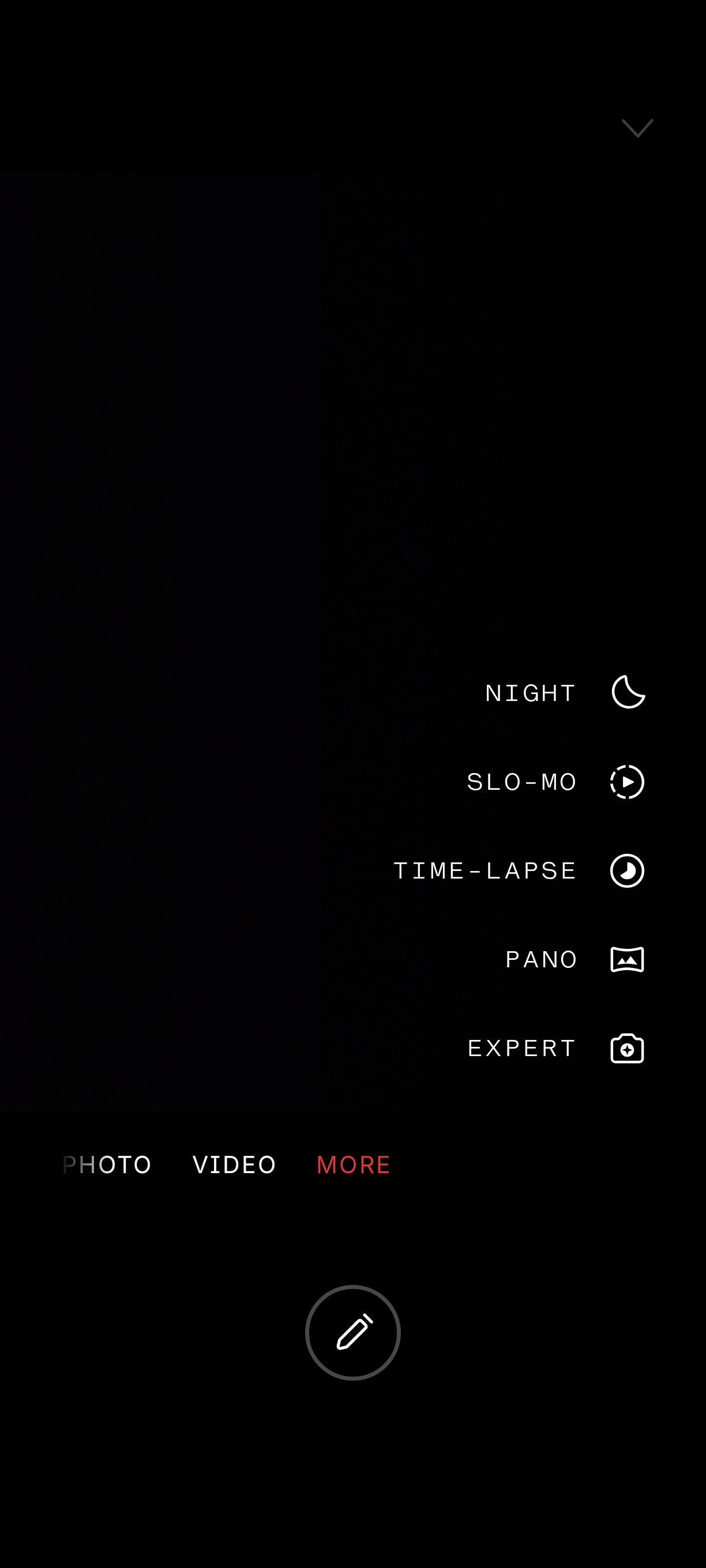
Expert Mode allows manual control over white balance, focus, shutter speed (1/8000s to 32 seconds), and ISO (50 to 6400), with the option to switch between the main, ultra-wide, and telephoto lenses.
Check out my reel Reel to see one of the use cases of Expert Mode.
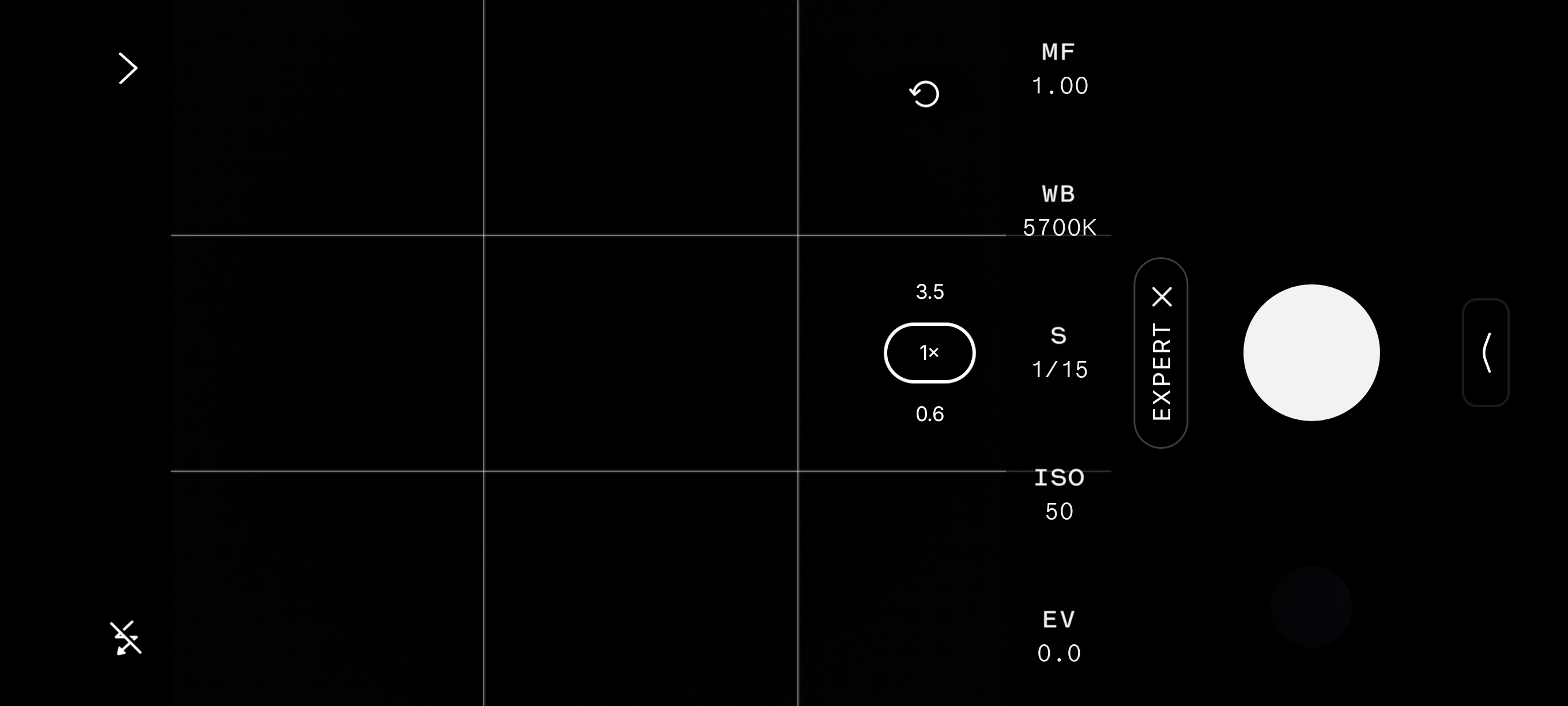
There is also RAW capture support.
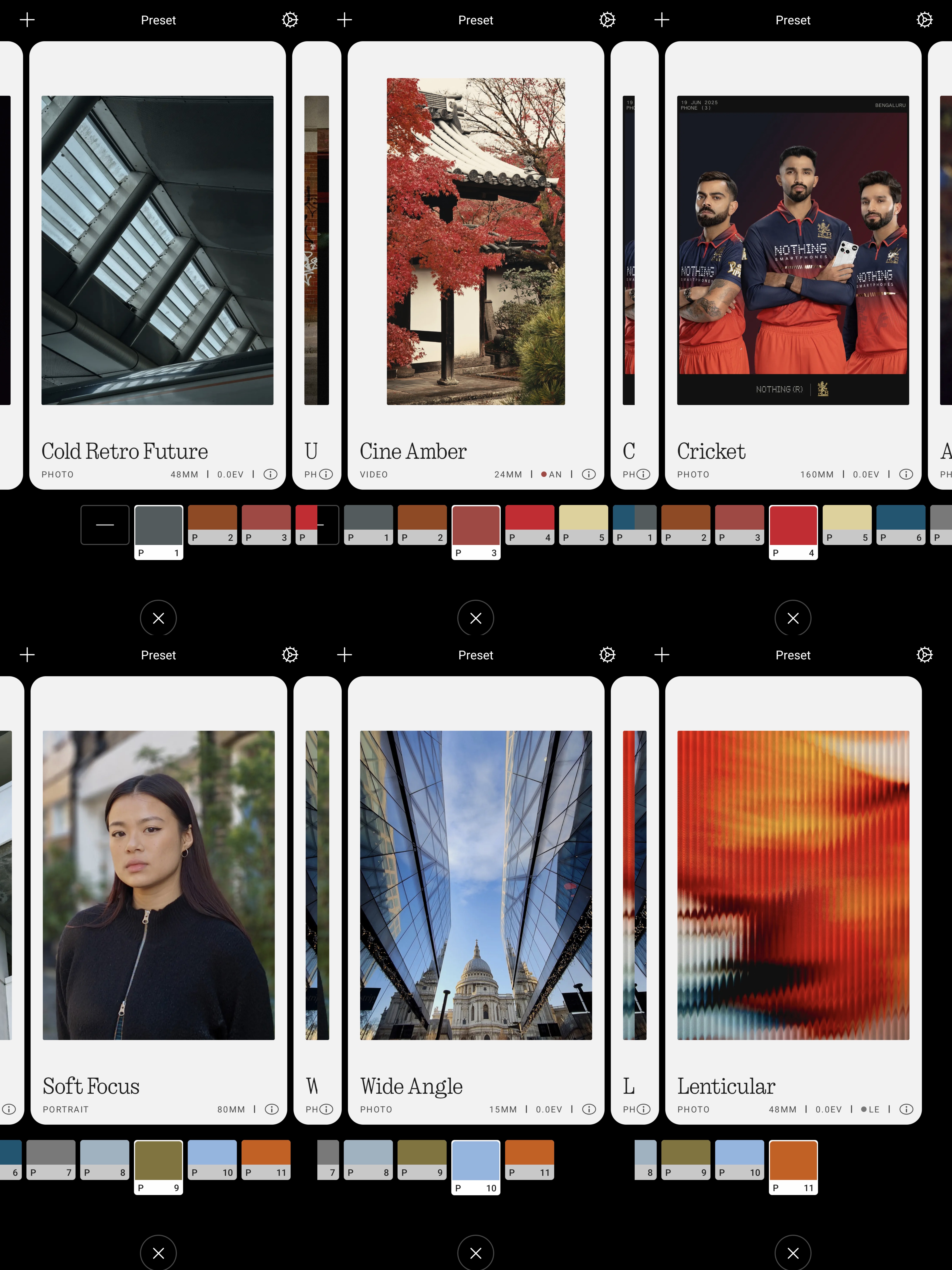
The camera app also includes some useful default presets, which can be quite handy for daily photography. Use it in your daily capture like This.
Rear Cameras
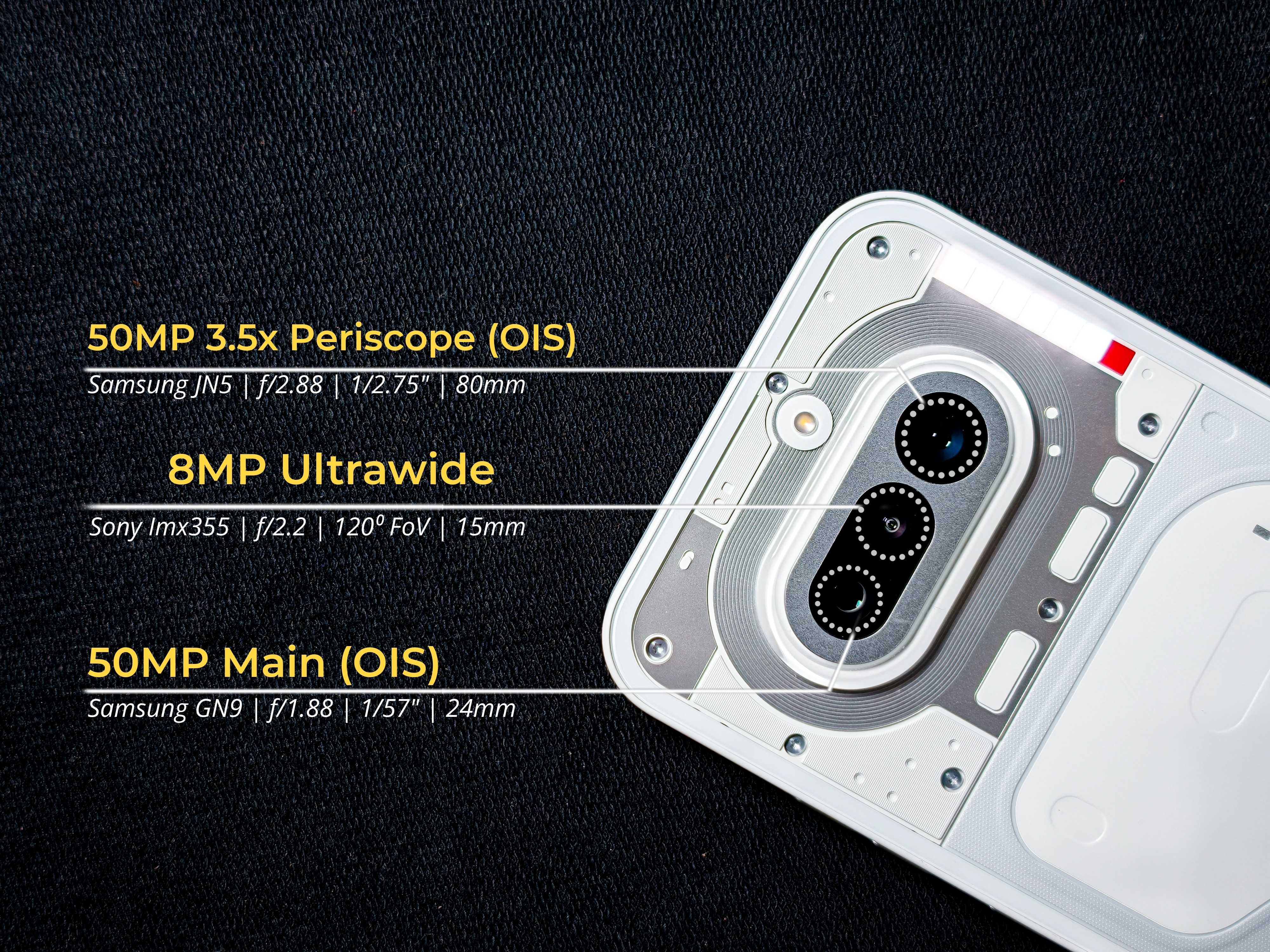
50MP Primary – Samsung GN9, f/1.88, OIS
50MP Periscope Telephoto (3.5x) – Samsung JN5, f/2.88, OIS
8MP Ultra-Wide – Sony IMX355, 120° FoV
Front Camera
- 32MP Selfie Camera – Samsung KD1, f/2.2
Primary Camera
The primary camera is the most reliable.
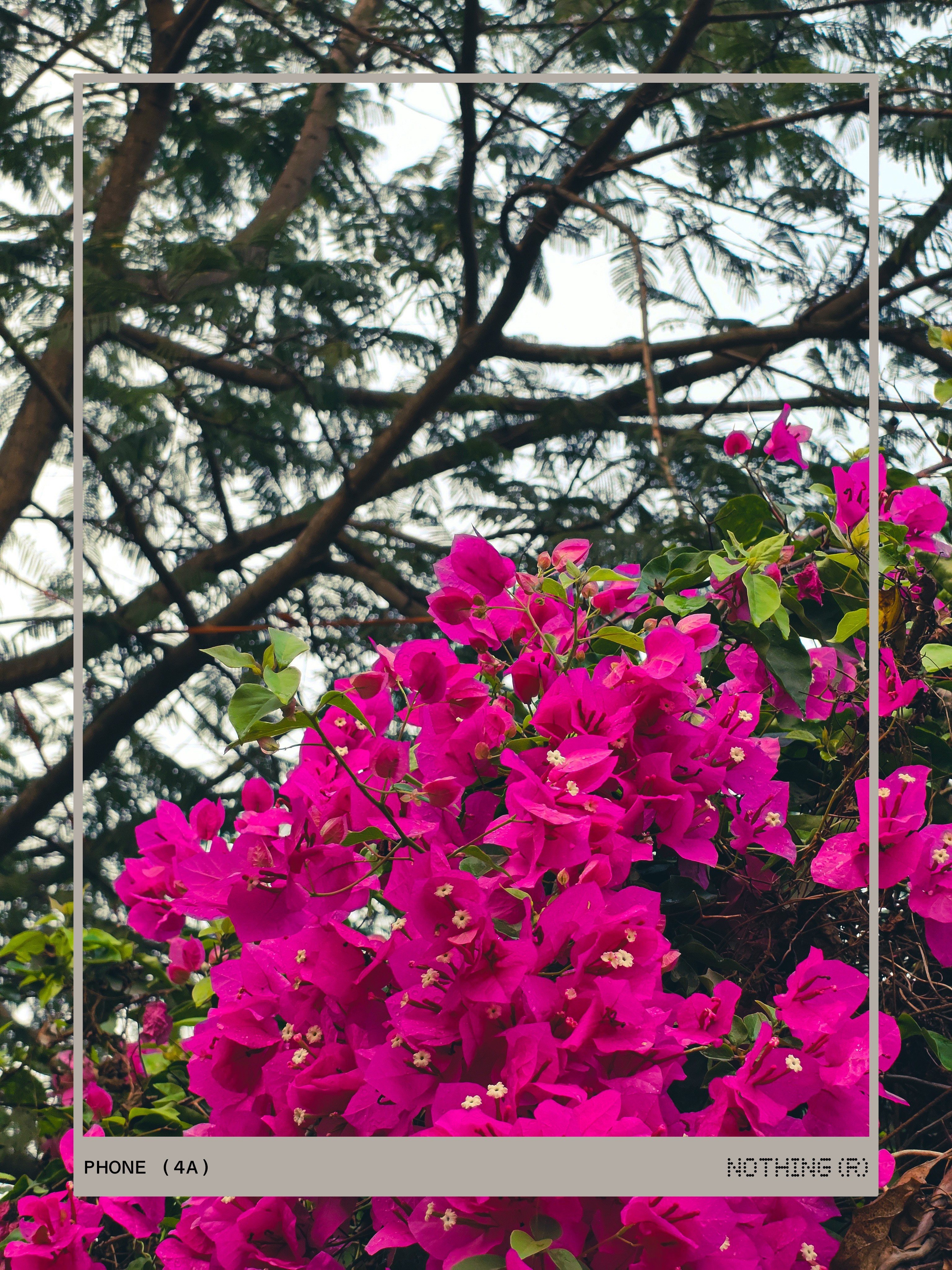
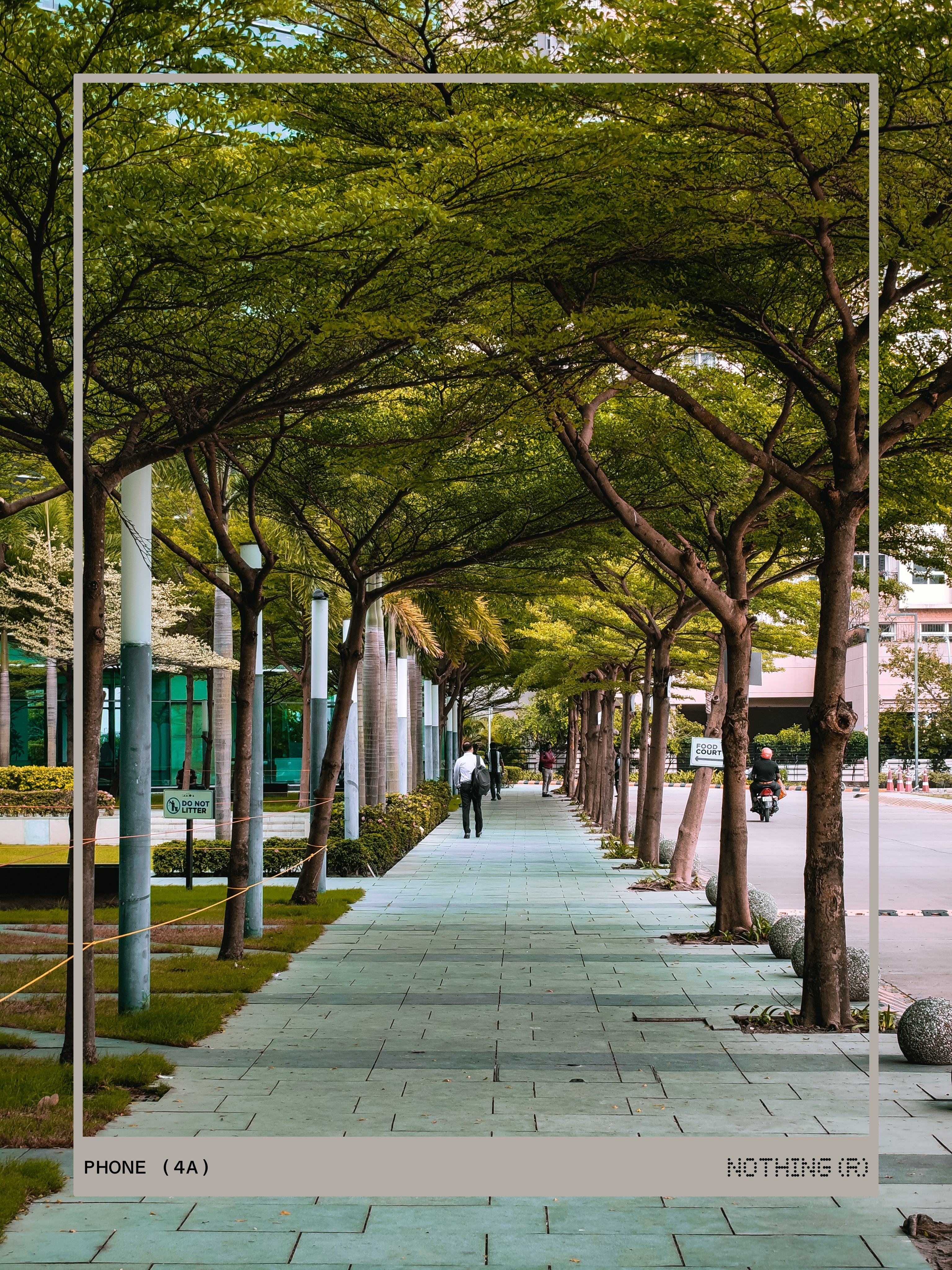
In good lighting conditions, the Nothing Phone (4a) captures colors very well.
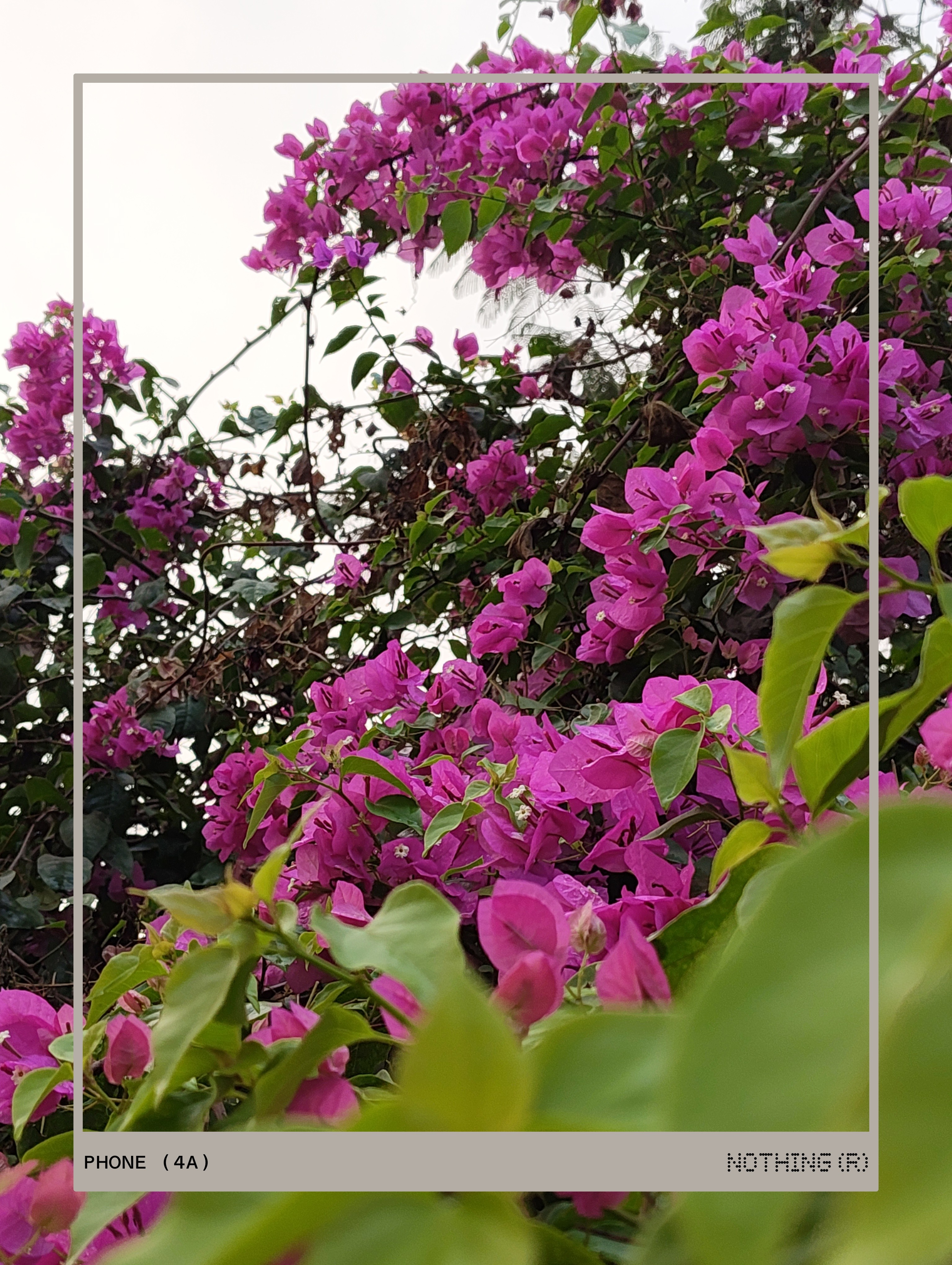
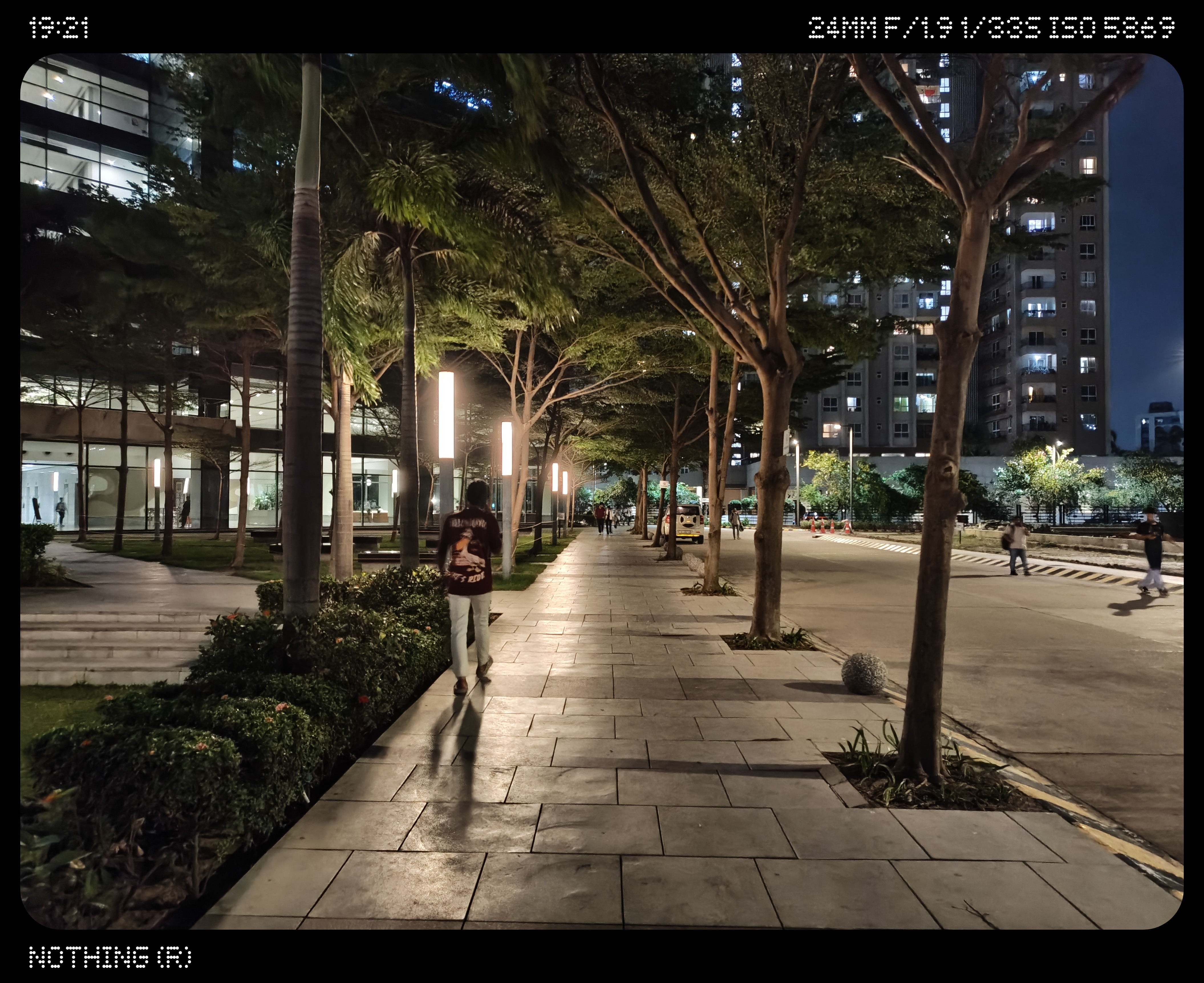
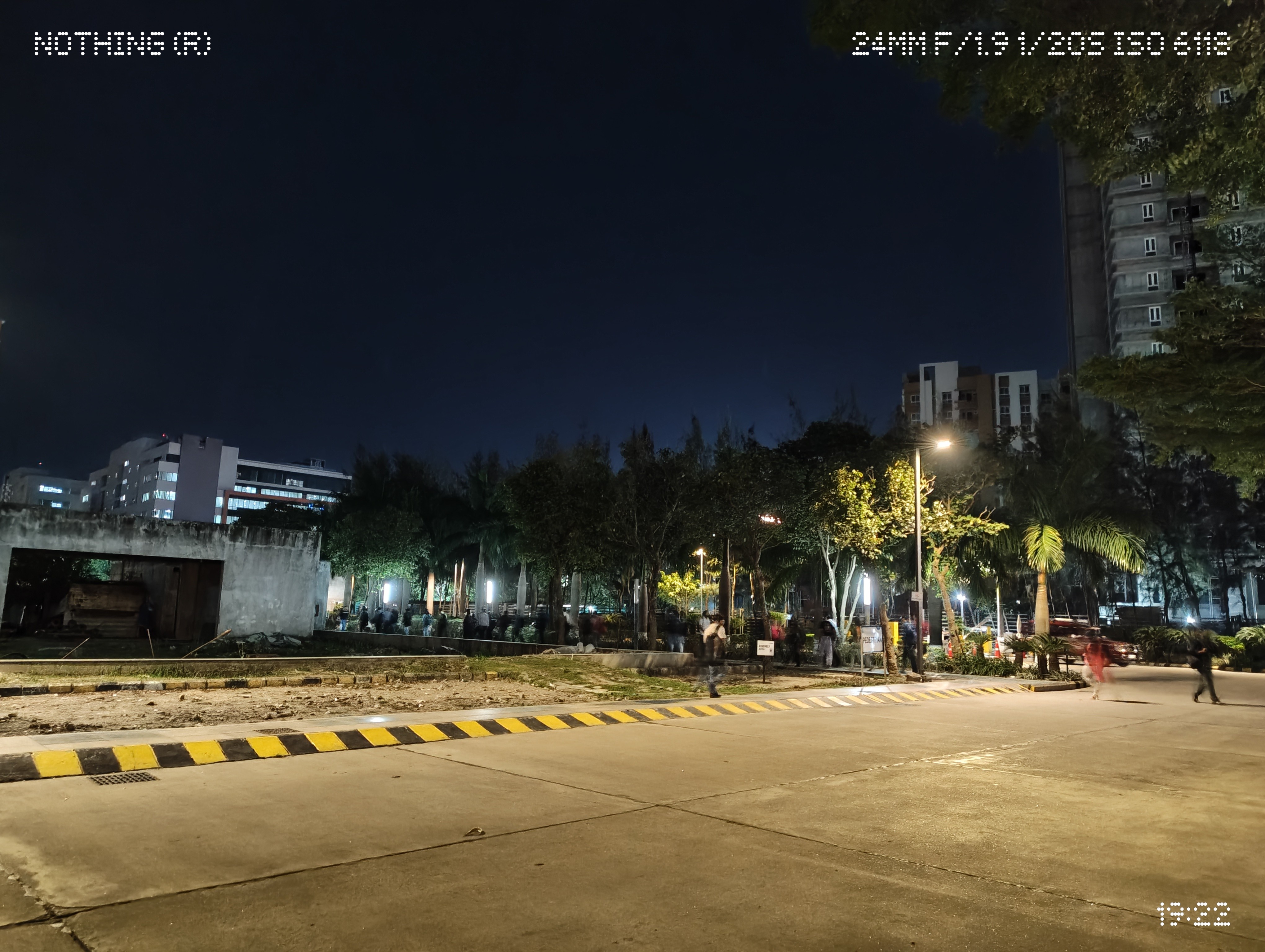
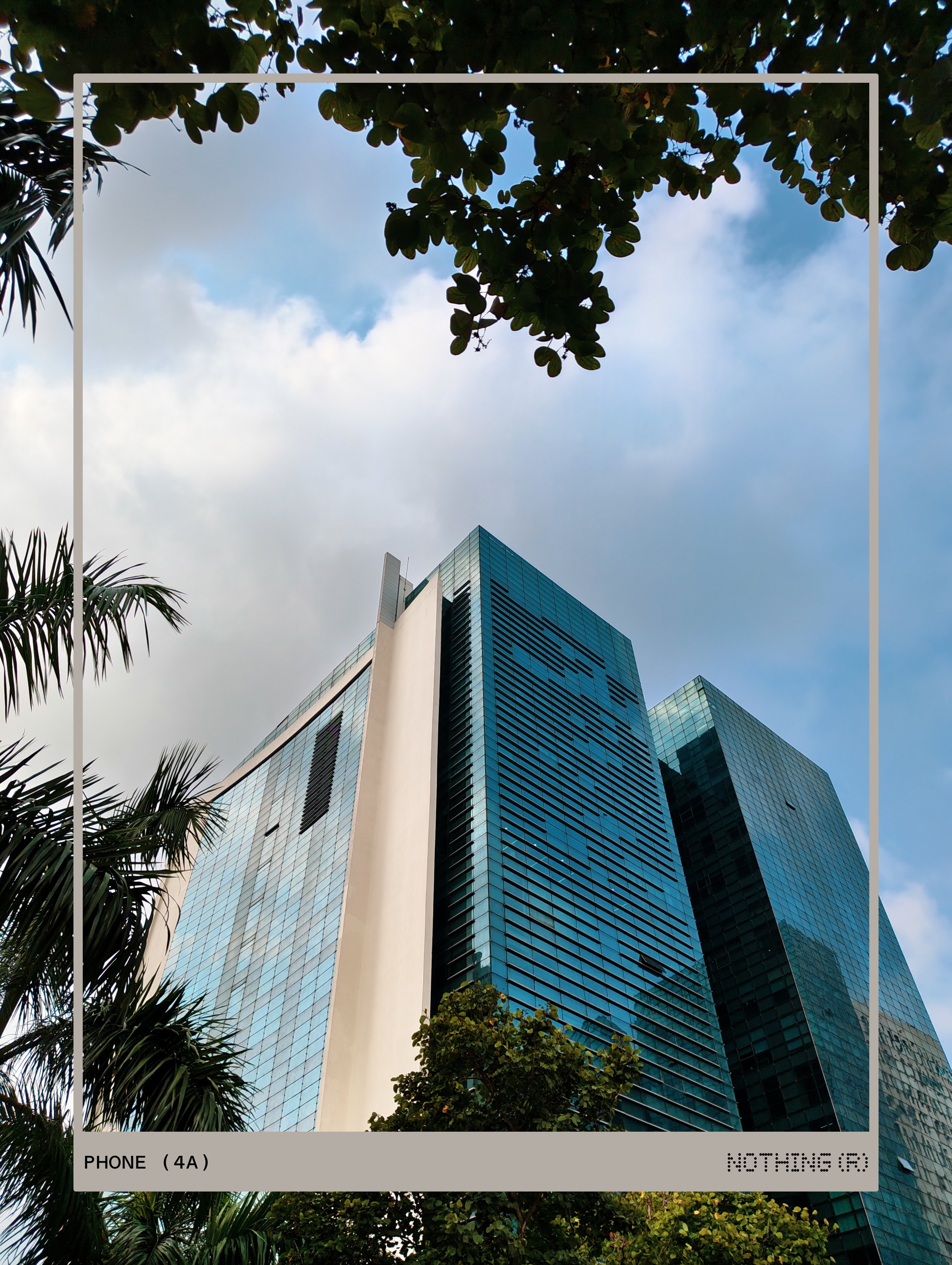
I was particularly impressed by the dynamic range and how well it handled shadows, leaves, branches, and even kept the sky looking natural.
Colors can occasionally shift between shots, but overall the results are pleasing.
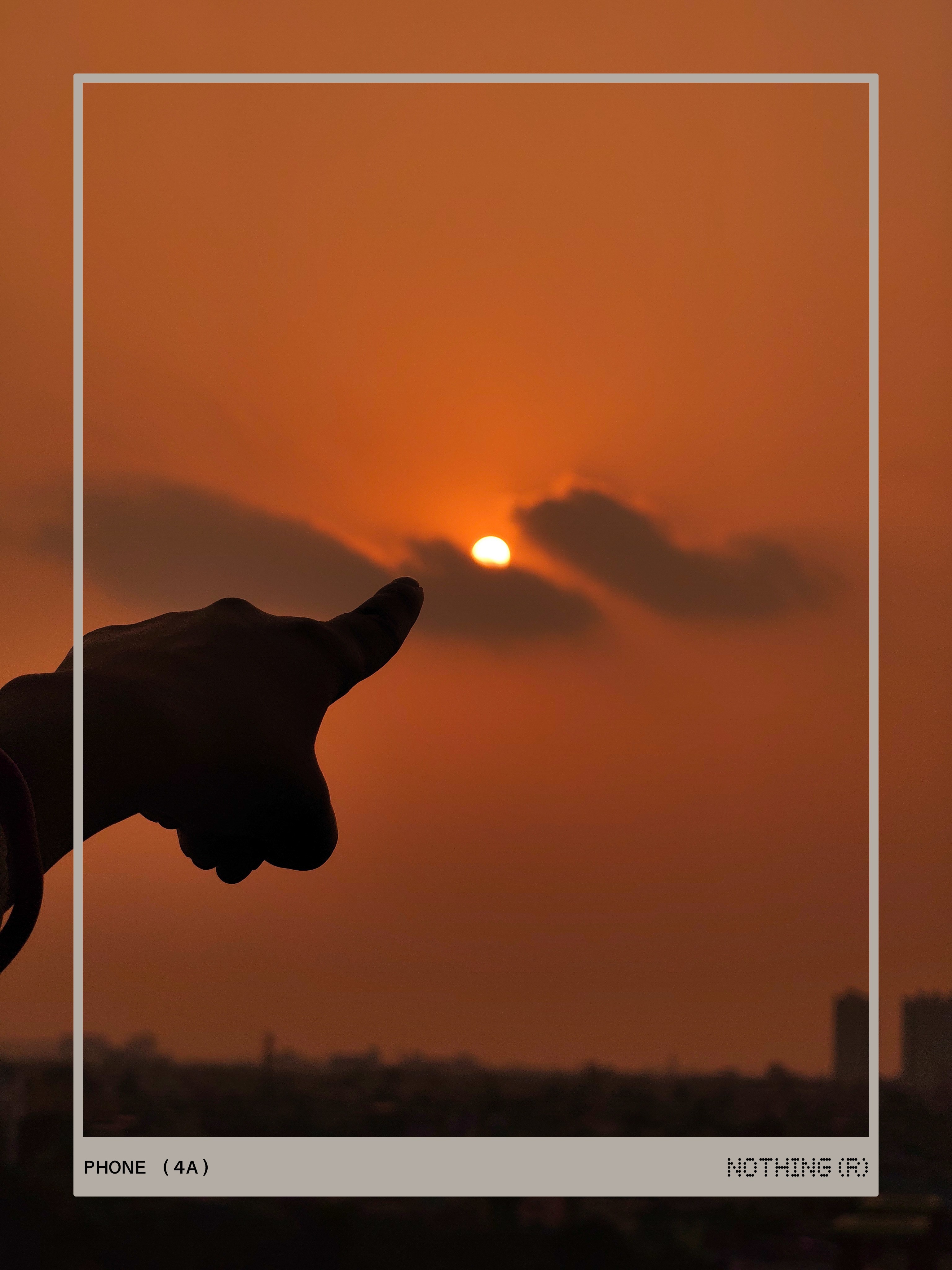
It handles sunlight well and performs decently in low light with controlled noise.
Telephoto Camera
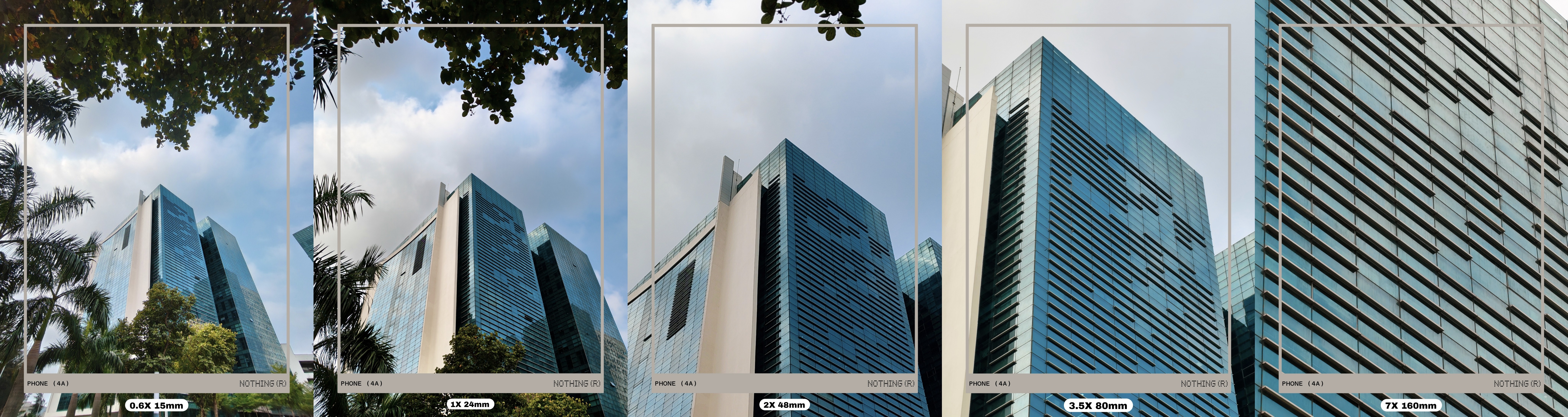
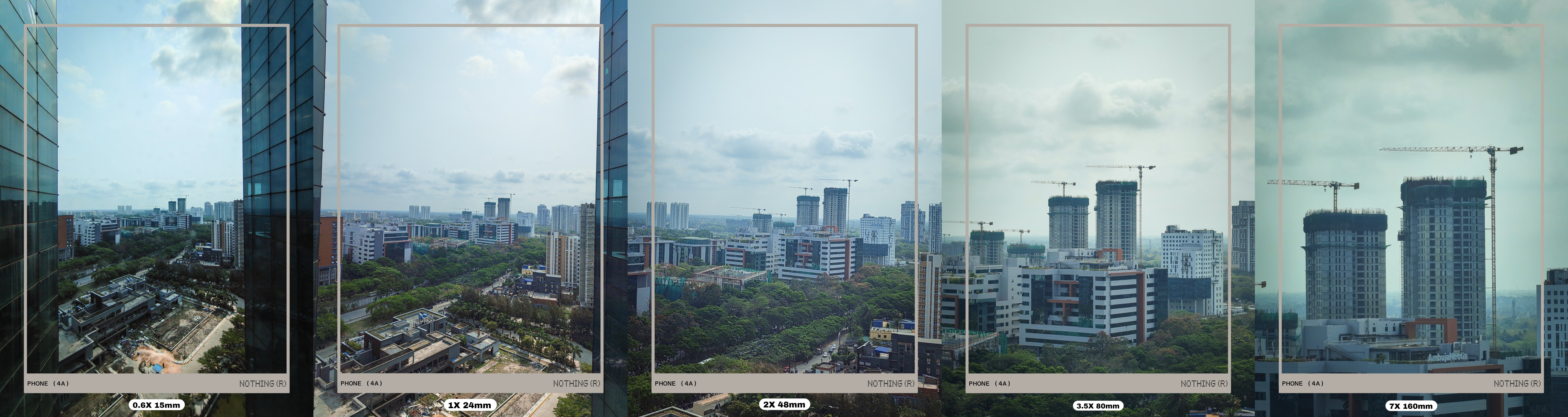
The 3.5x periscope telephoto camera is very interesting.
It captures excellent detail and works especially well for portraits in daylight.


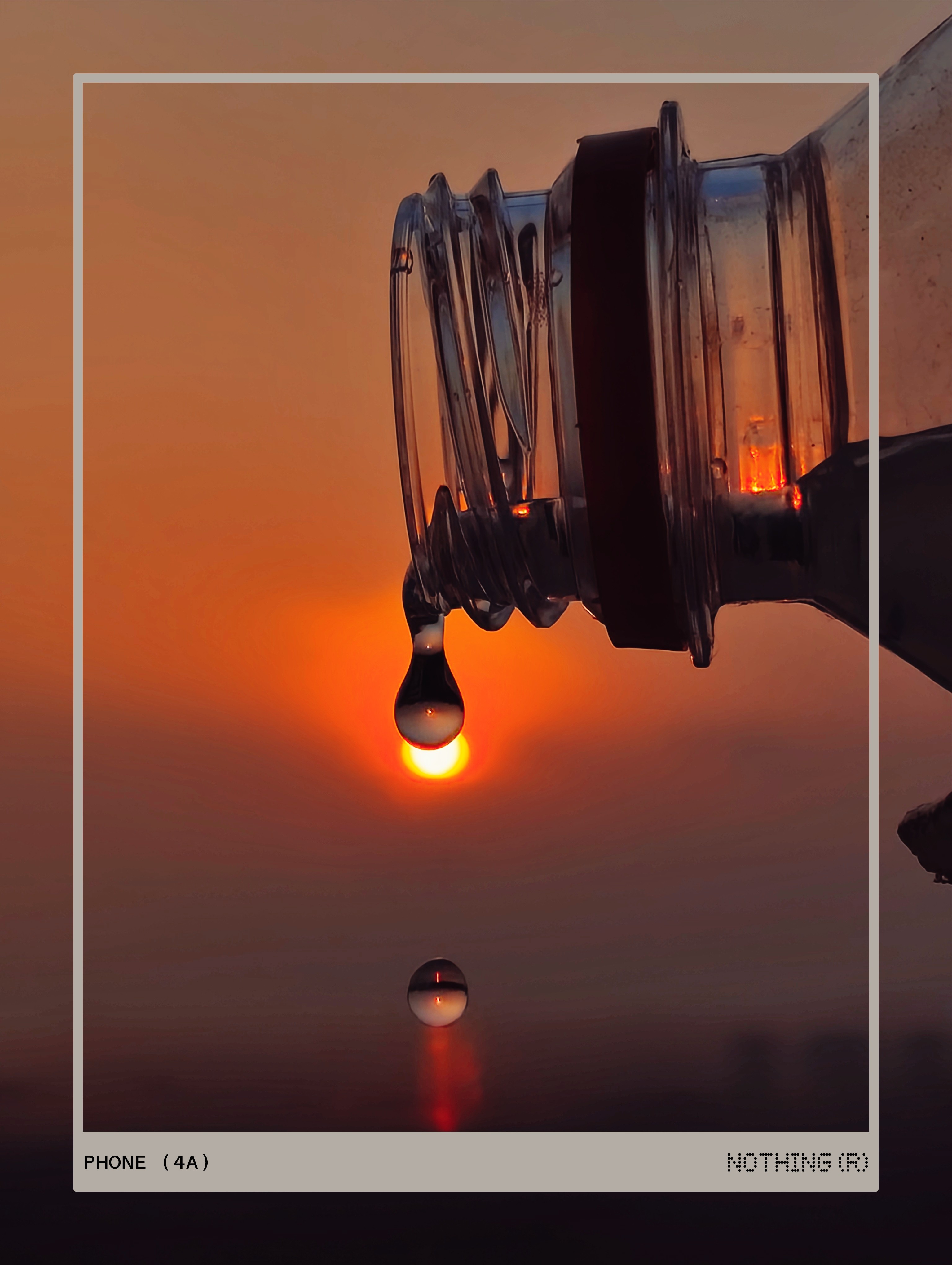
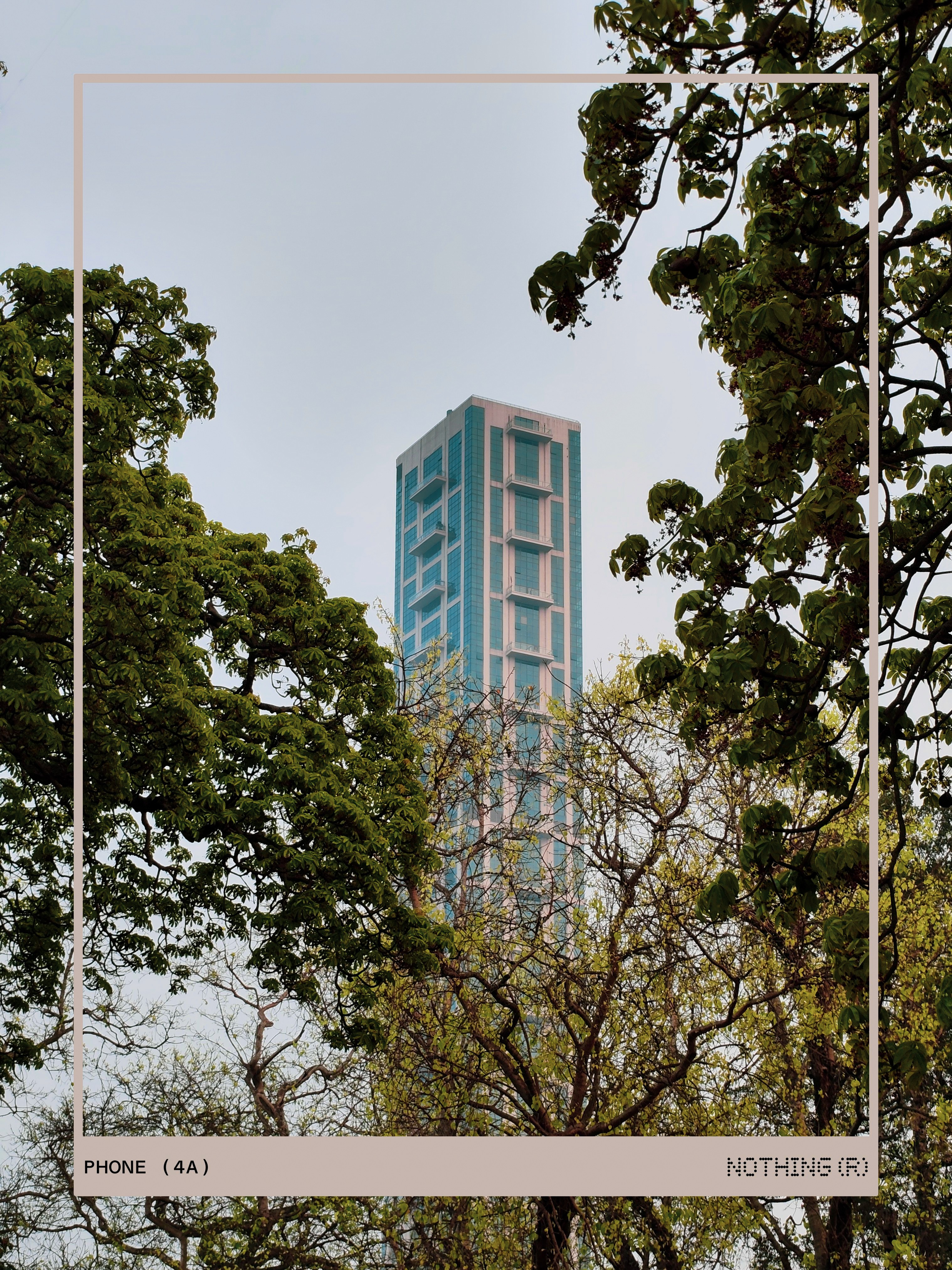
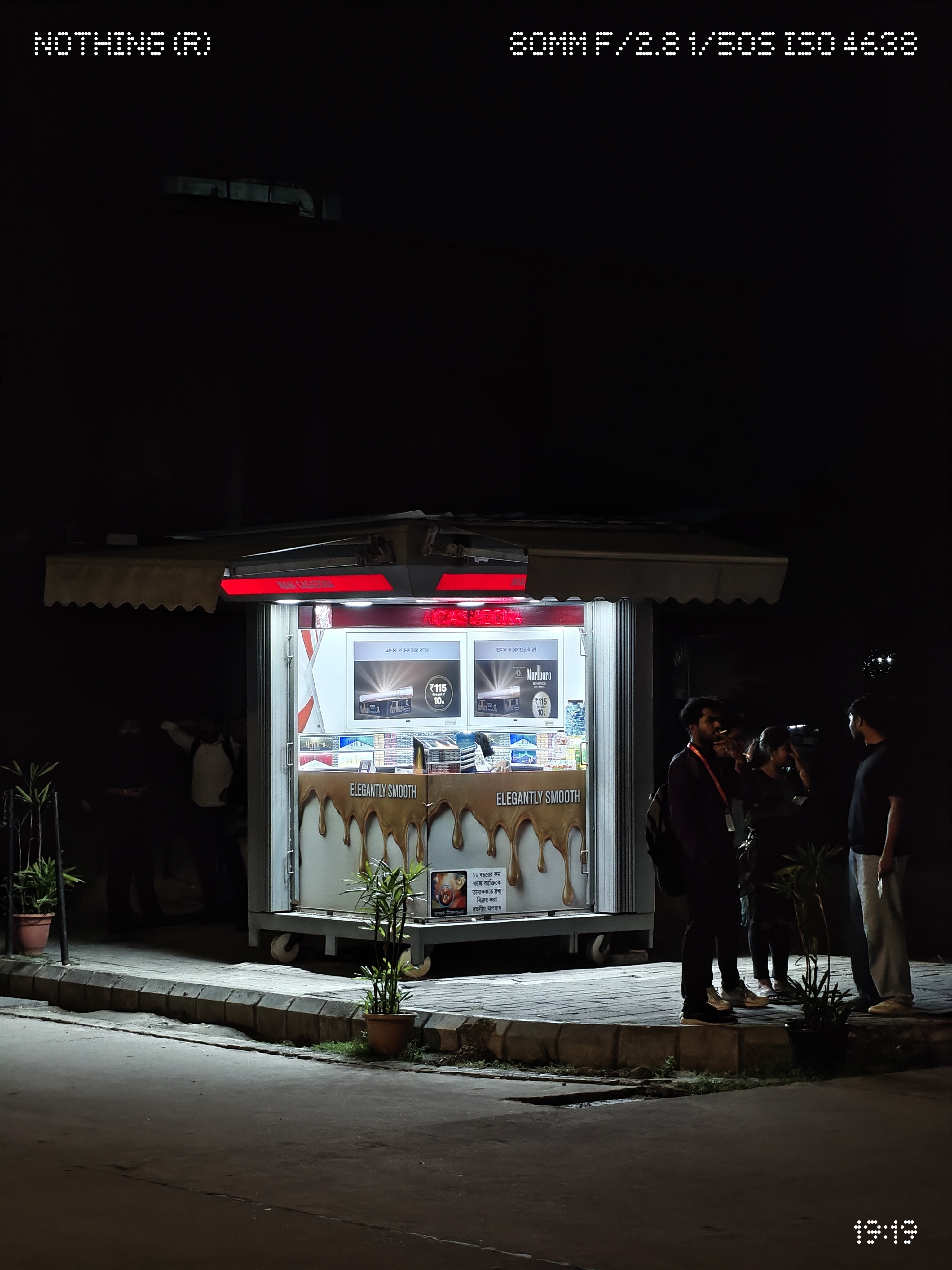
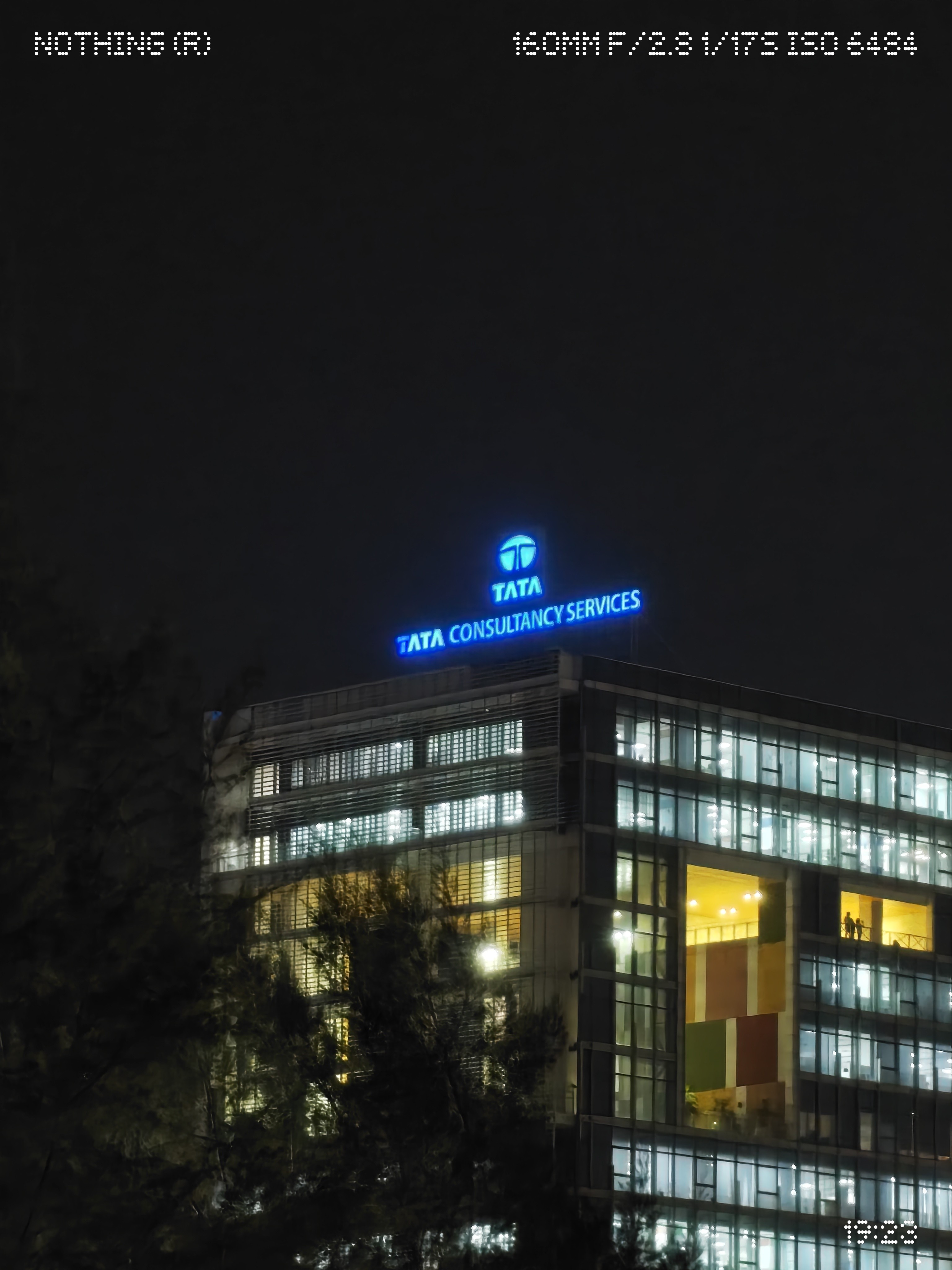
For this price segment, the zoom quality is genuinely impressive.
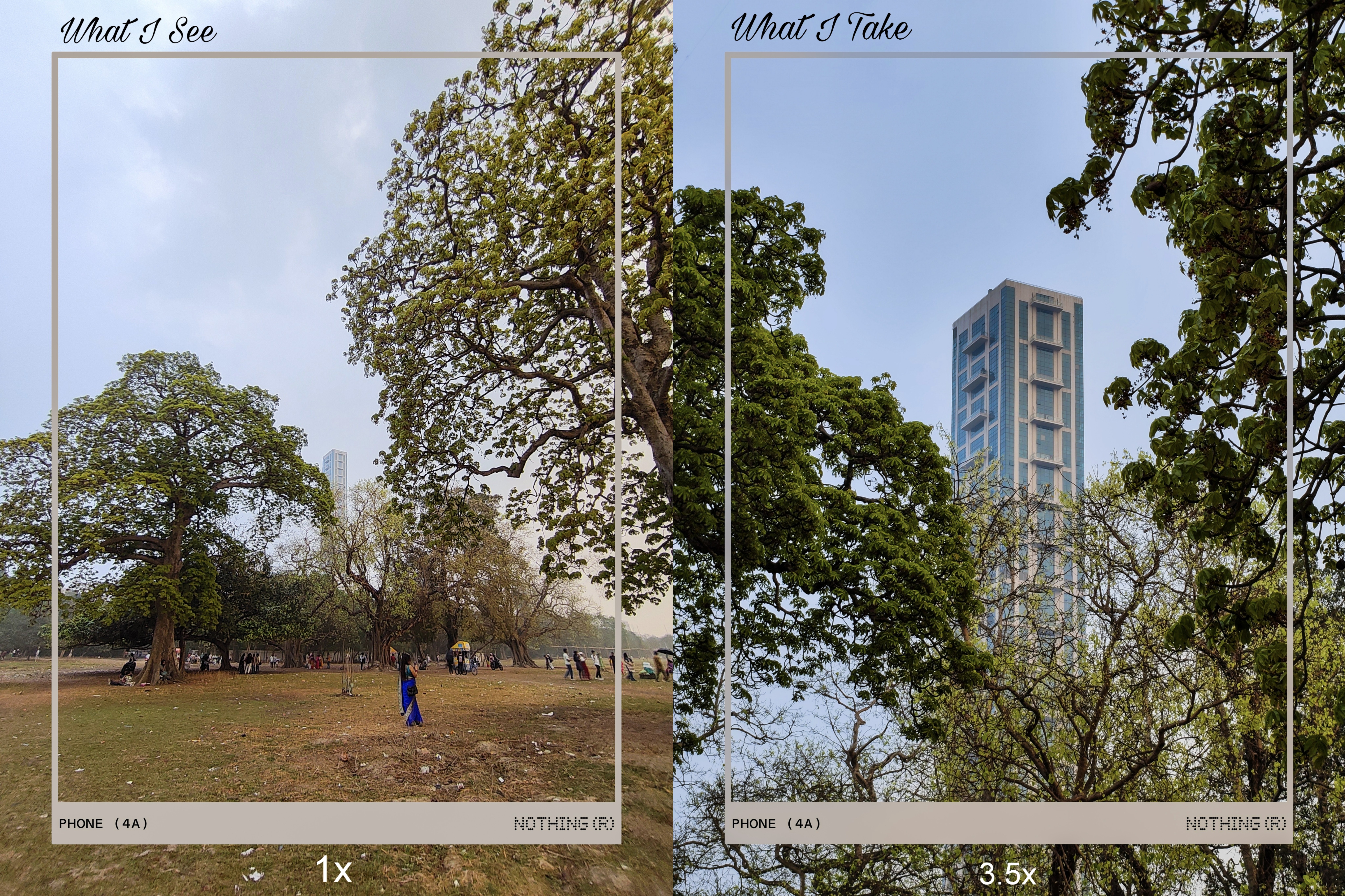
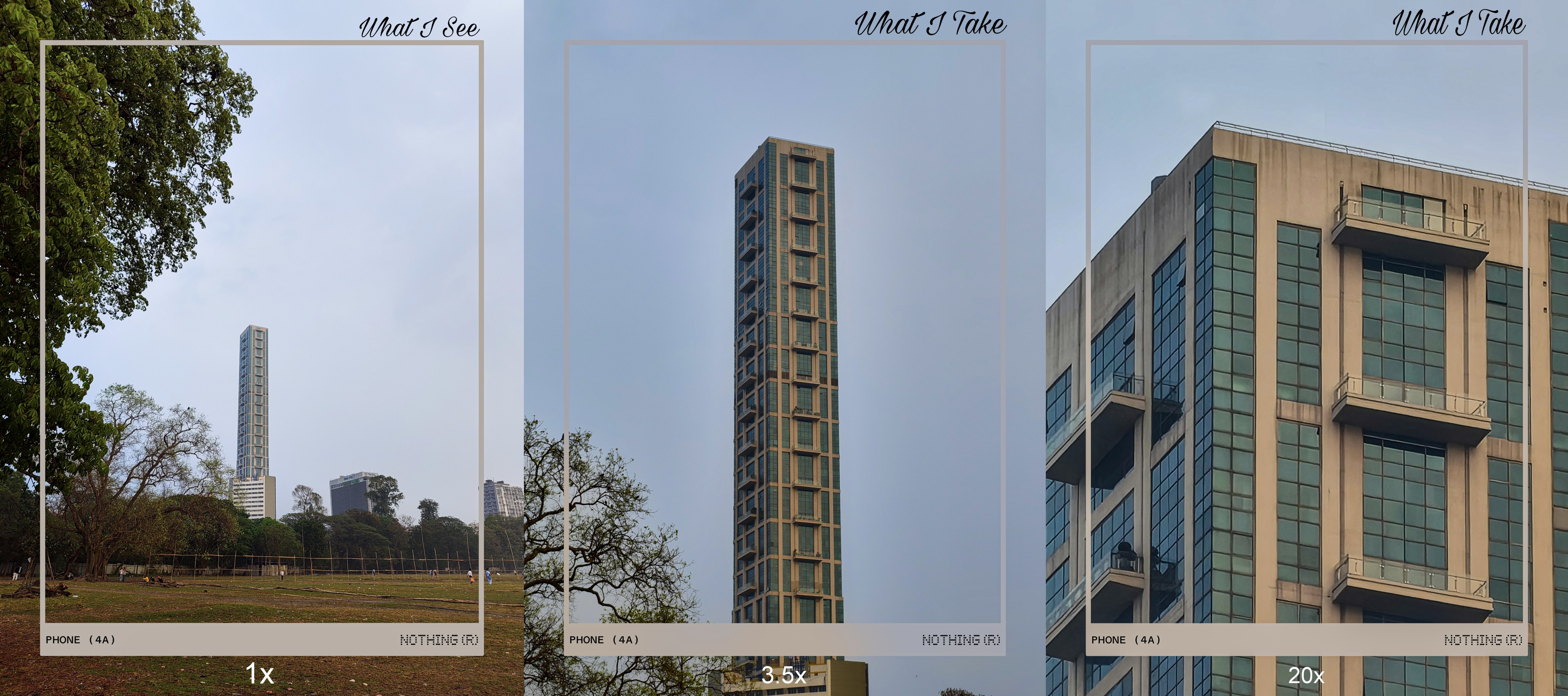
In fact, the phone supports zoom up to 70x.
Ultra-Wide Camera
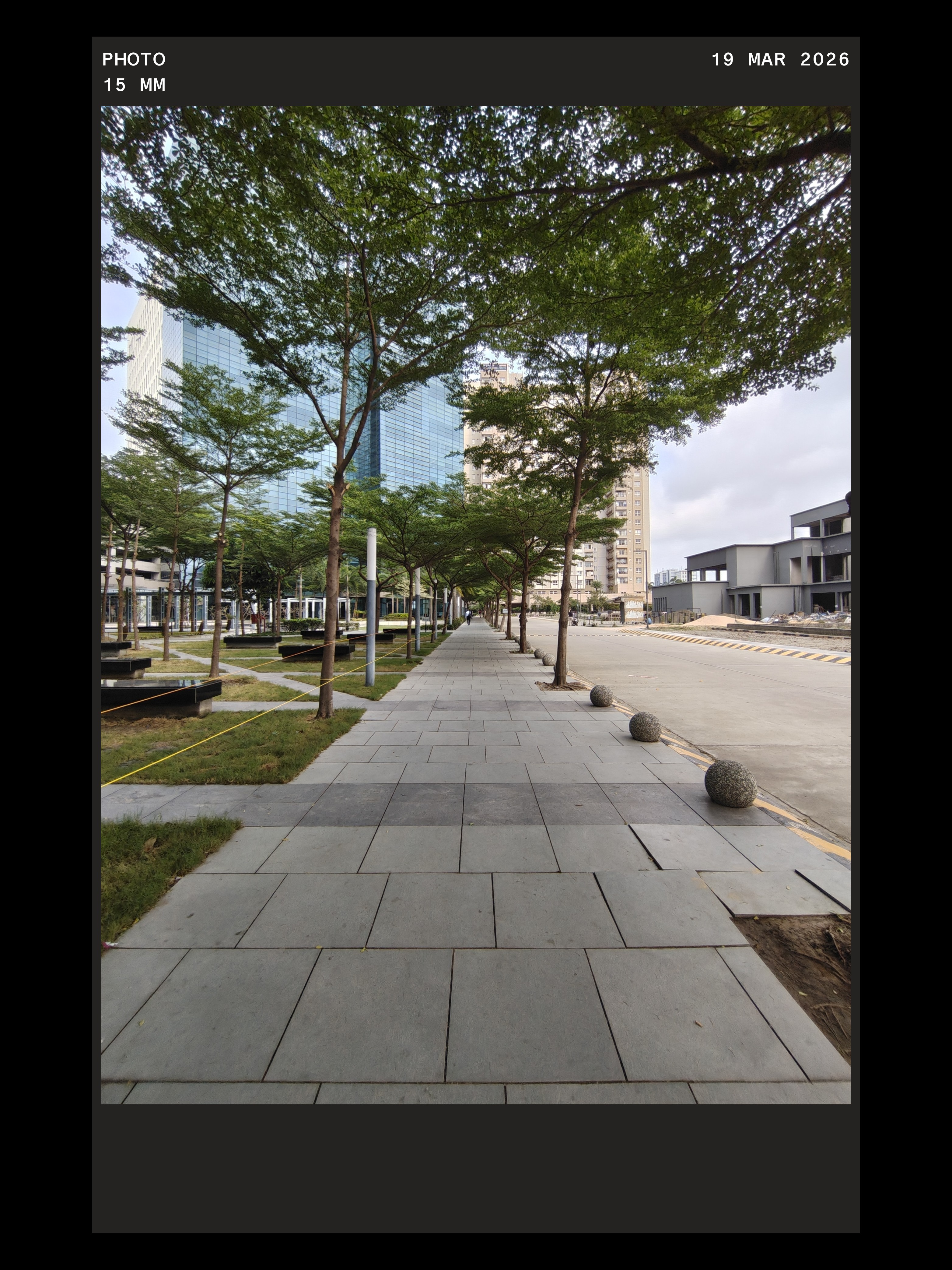
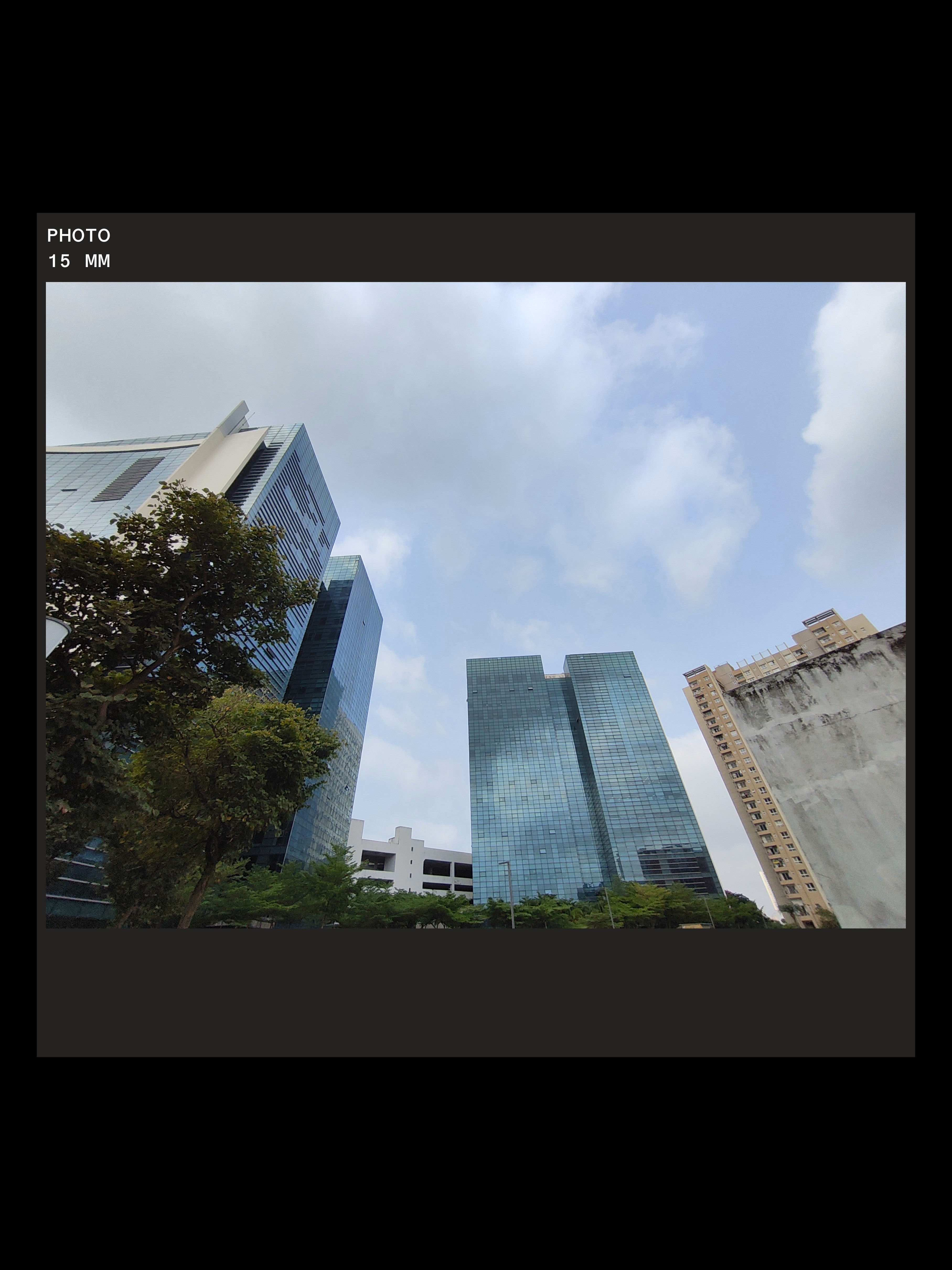
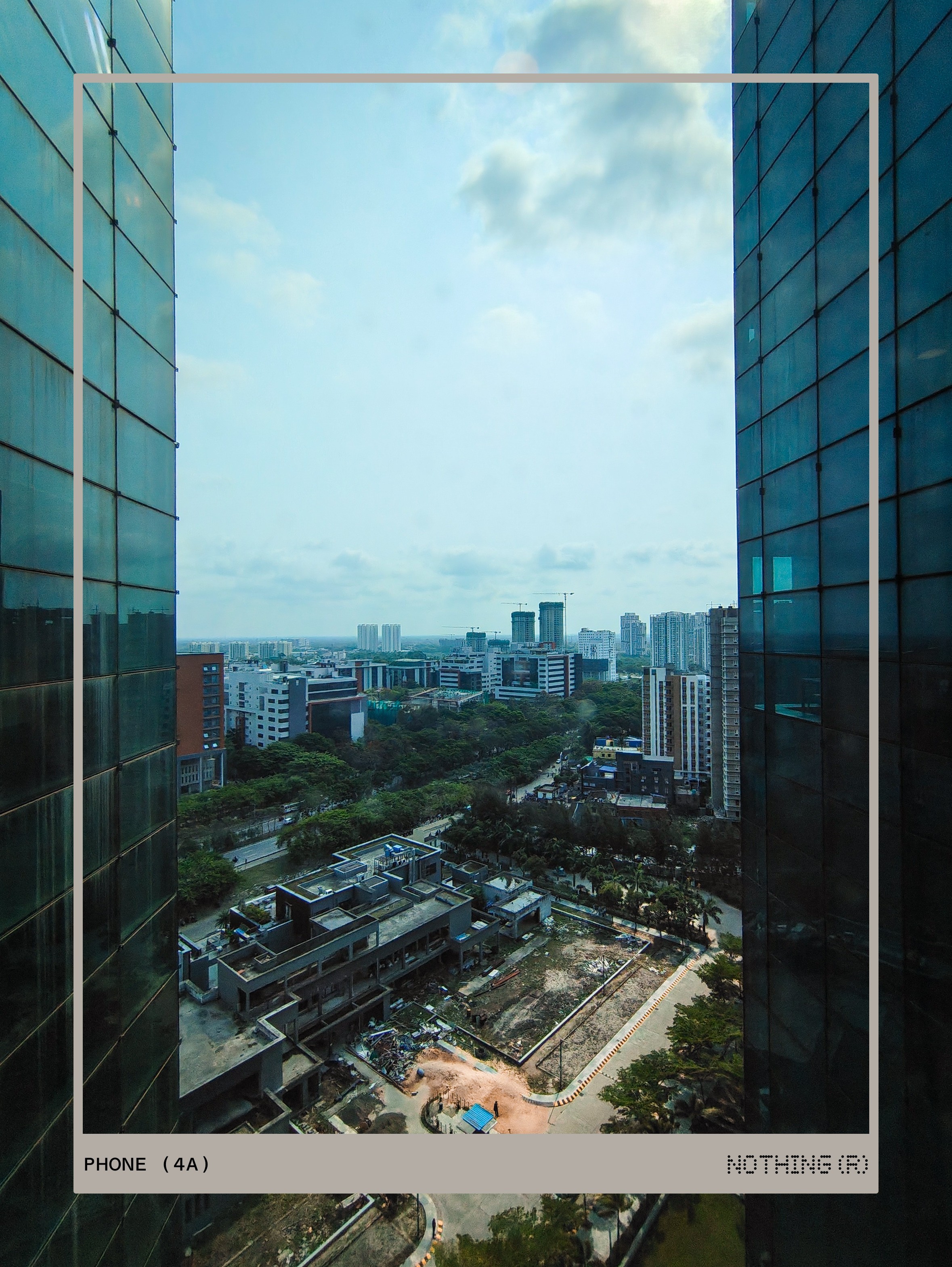
The ultra-wide camera is the weakest part of the setup.
With only an 8MP sensor, it lacks detail, struggles with color consistency, and performs poorly in low light.
The drop in quality compared to the main camera is clearly noticeable.
Selfie Camera
The front camera performs surprisingly well for photos, delivering good colors and sharpness. However, the lack of 4K video recording is a major limitation, especially for content creators.
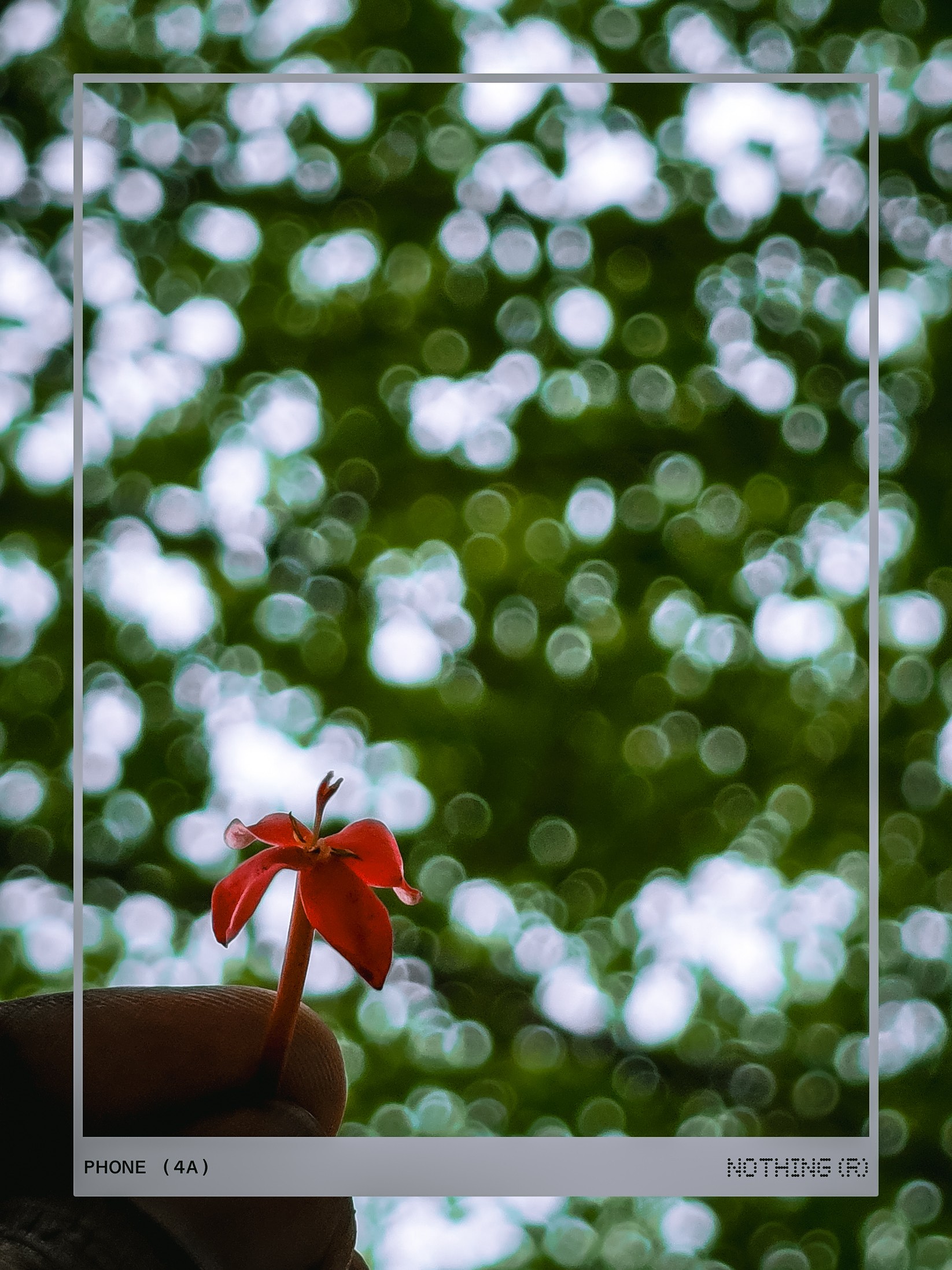
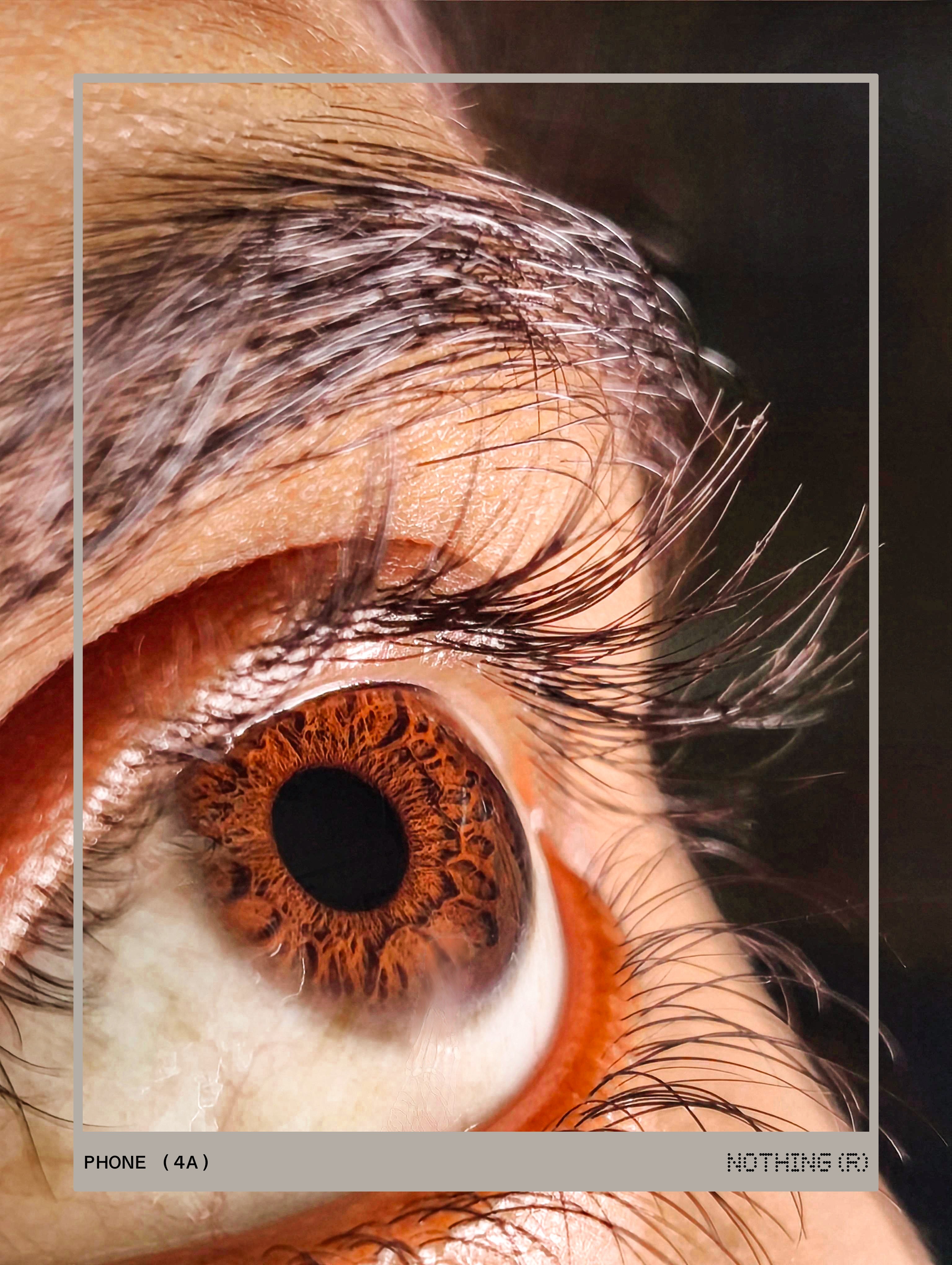
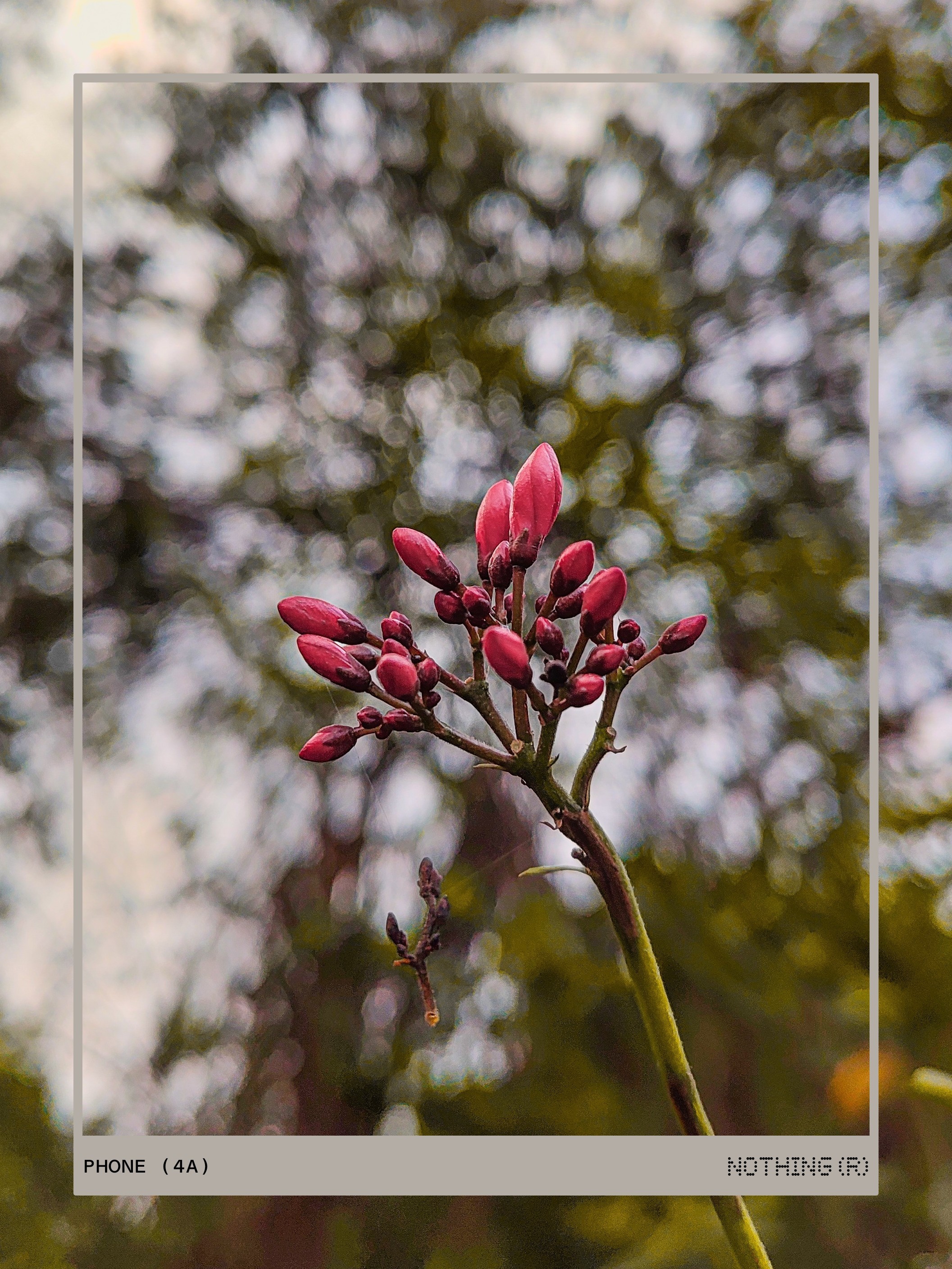
Macro
Instead of a dedicated telemacro mode, the company offers macro functionality through the main camera, thanks to the tetra-prism lens design.

Video Recording – Good Quality, Limited Flexibility
The phone records 4K at 30fps and 1080p at 60fps on both the primary and telephoto cameras.
The front camera supports 1080p at 30fps and 60fps.
Video performance is good, especially in daylight.
The primary camera captures stable footage thanks to OIS and EIS.
However, one limitation is that lens switching during recording is only available at 1080p 30fps, not in 4K mode.
Final Verdict
The Nothing Phone (4a) is a well-rounded mid-range smartphone that excels in design, software experience, display quality, and battery optimization.
While it is not a raw performance powerhouse and still has limitations in low-light photography and ergonomics, its unique identity and polished user experience make it a compelling option in its segment.
The price increase is something to keep in mind, but the upgrades over the Phone (3a) are meaningful enough to justify consideration.
Nothing’s avant-garde design philosophy and cohesive software ecosystem continue to define the brand’s identity—and the Phone (4a) carries that vision forward quite well.
What I Like
Refined and mature design
New Glyph Bar notification system
Strong Snapdragon 7s Gen 4 performance
Excellent periscope zoom camera
Clean Nothing OS experience
Areas That Could Improve
